Proposal Acceptance Of For A Contract In Hillsborough
Description
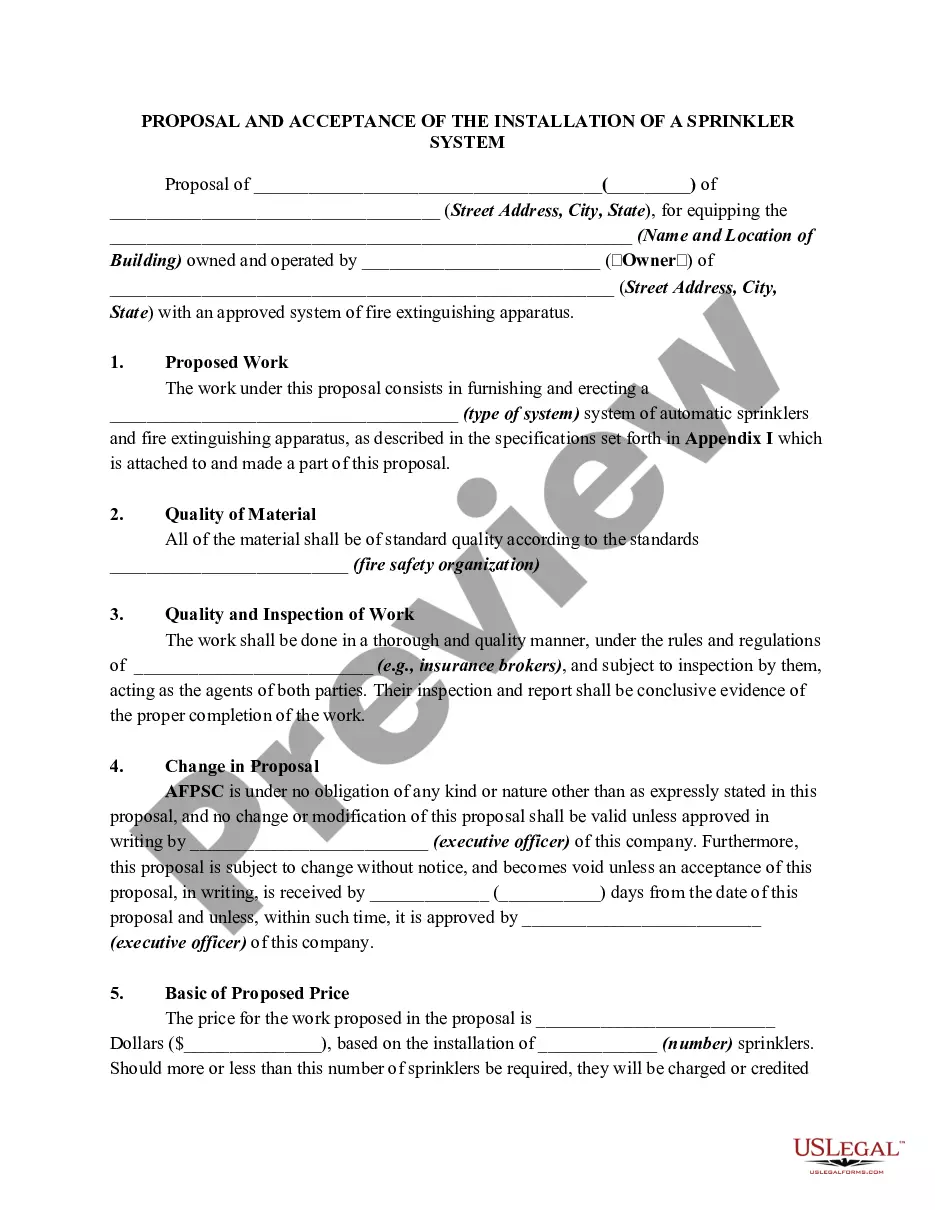
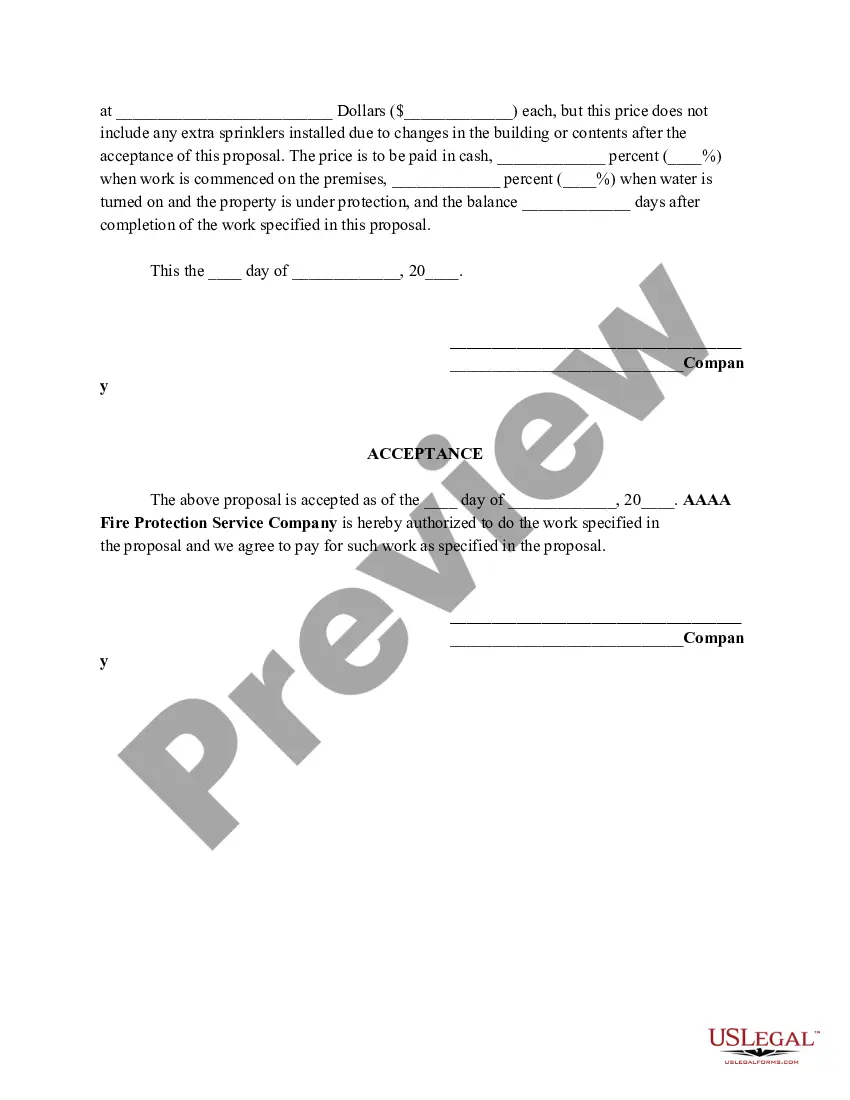

Get your form ready online
Our built-in tools help you complete, sign, share, and store your documents in one place.
Make edits, fill in missing information, and update formatting in US Legal Forms—just like you would in MS Word.
Download a copy, print it, send it by email, or mail it via USPS—whatever works best for your next step.
Sign and collect signatures with our SignNow integration. Send to multiple recipients, set reminders, and more. Go Premium to unlock E-Sign.
If this form requires notarization, complete it online through a secure video call—no need to meet a notary in person or wait for an appointment.
We protect your documents and personal data by following strict security and privacy standards.

Make edits, fill in missing information, and update formatting in US Legal Forms—just like you would in MS Word.

Download a copy, print it, send it by email, or mail it via USPS—whatever works best for your next step.

Sign and collect signatures with our SignNow integration. Send to multiple recipients, set reminders, and more. Go Premium to unlock E-Sign.

If this form requires notarization, complete it online through a secure video call—no need to meet a notary in person or wait for an appointment.

We protect your documents and personal data by following strict security and privacy standards.
Looking for another form?
Form popularity
FAQ
Ing to the Indian Contract Act 1872, proposal is defined in Section 2 (a) as “when one person will signify to another person his willingness to do or not do something (abstain) with a view to obtain the assent of such person to such an act or abstinence, he is said to make a proposal or an offer.”
The Indian Contract Act 1872 defines acceptance in Section 2 (b) as “When the person to whom the proposal has been made signifies his assent thereto, the offer is said to be accepted. Thus the proposal when accepted becomes a promise.”
As per the Indian Contract Act 1872, Section 2 (b), acceptance is defined as “When the person to whom the proposal has been made signifies his assent thereto, the offer is said to be accepted. Thus the proposal when accepted becomes a promise.”
The Indian Contract Act 1872 defines acceptance in Section 2 (b) as “When the person to whom the proposal has been made signifies his assent thereto, the offer is said to be accepted. Thus the proposal when accepted becomes a promise.”
Your RFP proposal response should be informative, valuable, and transparent to succeed. Don't include a pushy call to action or boast too much. Instead, add detailed descriptions of your understanding of the client's goals and your methods to achieve them. Focus more on the client's needs than on your own experience.
The acceptance statement is the core of the letter of acceptance. It formally communicates that you have reviewed, understood, and agreed to the terms and conditions outlined in the contract. Use phrases such as "I am pleased to accept," "I hereby accept," or "I confirm my acceptance" to convey your acceptance.
An offer is a clear statement addressed by one party to another, of the terms on which the offeror is willing to contract if the person offered decides to accept. Acceptance, in the legal sense, is a clear and definitive acceptance of the terms of the offer by the party to whom it is addressed.
Once you instruct the party accepting the proposal to date, sign, make payment, and abide by the proposal terms, it becomes a legally-binding contract. Contracts and proposals prevent financial disputes and help to eliminate ambiguity and second-guessing.
Although proposals can be converted into legally-binding contracts, the language of the proposal must be altered to contain all the elements of a contract. Once you instruct the party accepting the proposal to date, sign, make payment, and abide by the proposal terms, it becomes a legally-binding contract.
A proposal is not a legally binding document, but rather a starting point to align on exactly what you'll deliver. A contract is a legally binding agreement required to officially kick off a business relationship with a client.