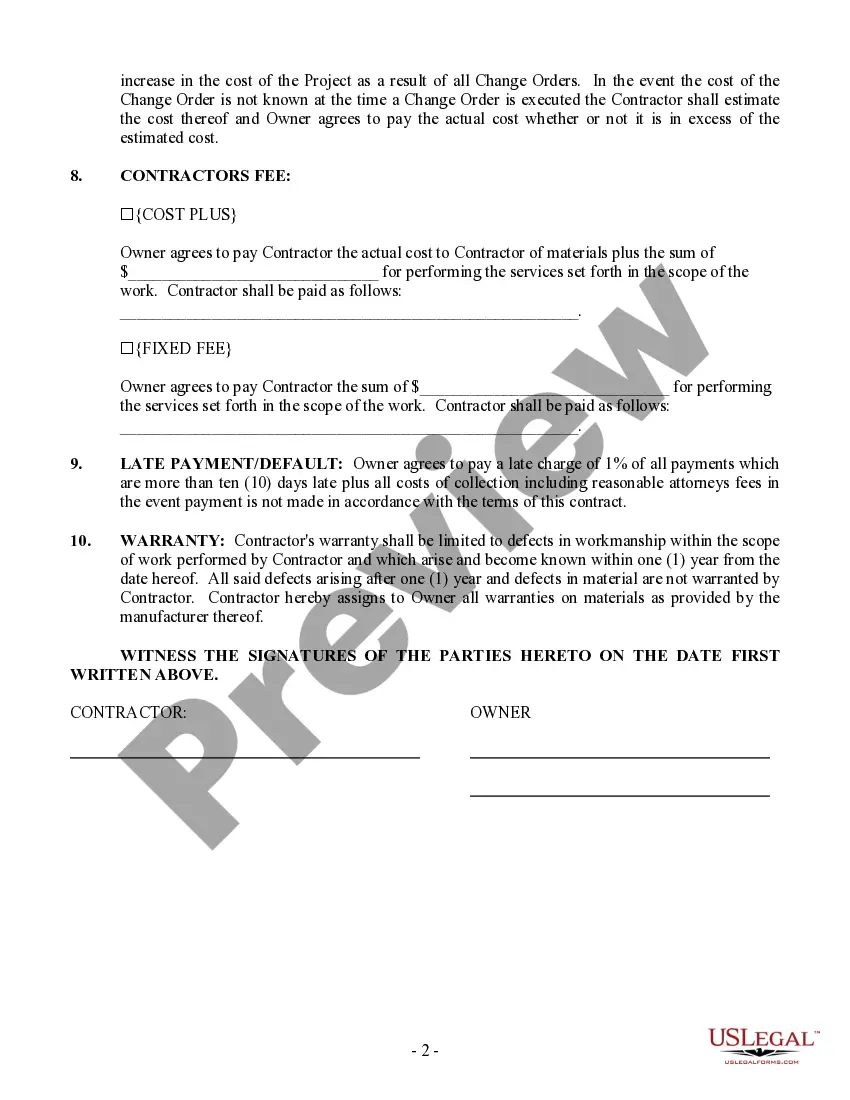
Construction Contract For Work In San Antonio
Description

Get your form ready online
Our built-in tools help you complete, sign, share, and store your documents in one place.
Make edits, fill in missing information, and update formatting in US Legal Forms—just like you would in MS Word.
Download a copy, print it, send it by email, or mail it via USPS—whatever works best for your next step.
Sign and collect signatures with our SignNow integration. Send to multiple recipients, set reminders, and more. Go Premium to unlock E-Sign.
If this form requires notarization, complete it online through a secure video call—no need to meet a notary in person or wait for an appointment.
We protect your documents and personal data by following strict security and privacy standards.

Make edits, fill in missing information, and update formatting in US Legal Forms—just like you would in MS Word.

Download a copy, print it, send it by email, or mail it via USPS—whatever works best for your next step.

Sign and collect signatures with our SignNow integration. Send to multiple recipients, set reminders, and more. Go Premium to unlock E-Sign.

If this form requires notarization, complete it online through a secure video call—no need to meet a notary in person or wait for an appointment.

We protect your documents and personal data by following strict security and privacy standards.
Looking for another form?









Form popularity
FAQ
Texas Handyman Limitations Most states put a financial limit on what you can do without a contractor's license – usually limiting jobs to $500, $1,000, or even $3,000. However, in Texas, that isn't the case. There are currently no limits on job size for unlicensed contractors.
In the State of Texas, anyone can be a General Contractor, including homeowners, and a state license is not required. Please visit the Contractor Responsibilities section to learn more about the GC responsibilities.
In short: You don't need a Texas handyman license. Of course, the more complicated truth is that while there aren't statewide handyman license requirements in Texas, many major cities do have requirements to run a handyman business or take on complicated home system repairs and renovations.
Texas does not require general contractors to be licensed or bonded, but they are required to be a state-registered business. Check with your local building department or consumer protection agency to find out about additional licensing requirements in your area.
In San Antonio, contractors are required to register with Development Services and obtain liability insurance. There are two types of licenses available for general contractors: Home Improvement Contractor and Residential Building Contractor.
State regulators in Texas do not require you to have a general contractor license. However, that's just at the state level — you will need to check handyperson and contractor license requirements in your city to know if one is required. Also, be prepared to apply for your Texas Business License.
How To Write A Construction Contract With 7 Steps Step 1: Define the Parties Involved. Step 2: Outline the Scope of Work. Step 3: Establish the Timeline. Step 4: Determine the Payment Terms. Step 5: Include Necessary Legal Clauses. Step 6: Address Change Orders and Modifications. Step 7: Sign and Execute the Contract.
The good news: Texas does not have state-level requirements for general contractor licenses. This means you don't need a state license to start working. However, keep in mind local requirements. Cities and counties in Texas might have their own rules.
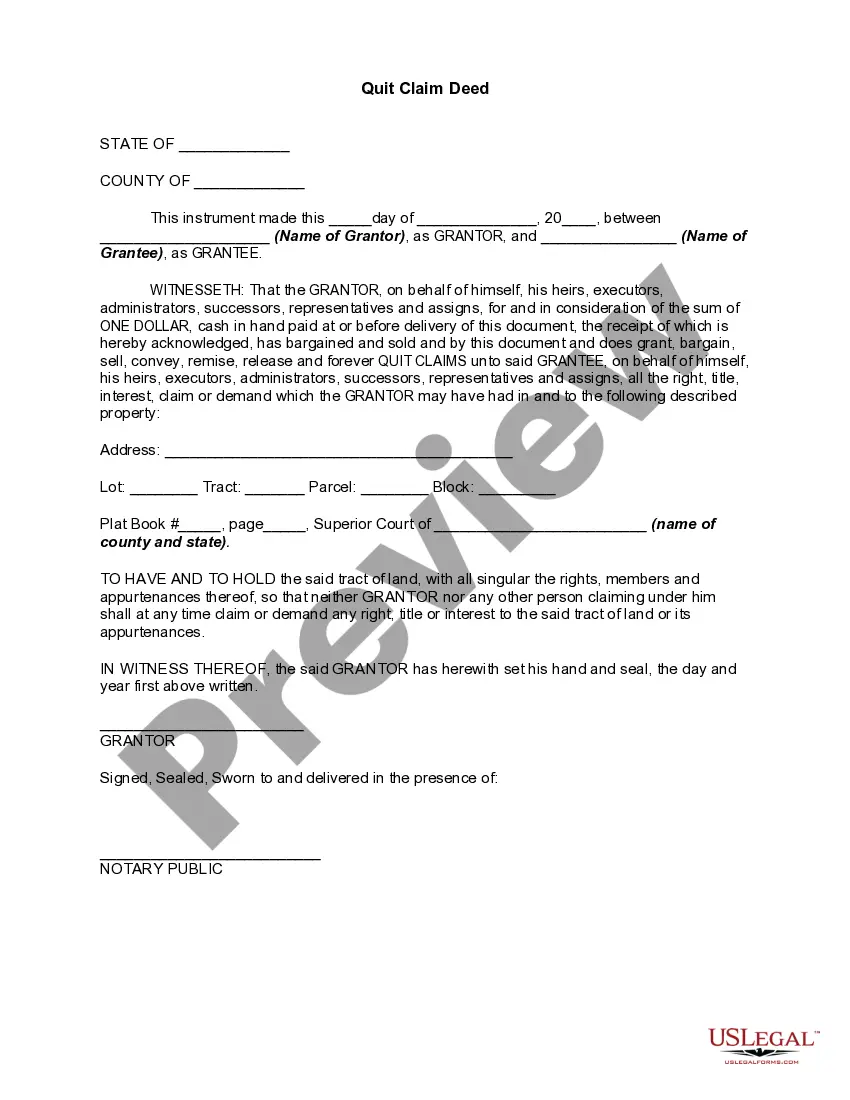
A contract will only be legally binding upon the contracting parties if the following requirements are complied with: consensus, contractual capacity, certainty, possibility, legality and formalities. 39 The above requirements will be discussed next. 39Para 1 1 above.
Lesson Summary. A contract is a legal agreement between two or more parties in which they agree to each other's rights and responsibilities. Offer, acceptance, awareness, consideration, and capacity are the five elements of an enforceable contract.
