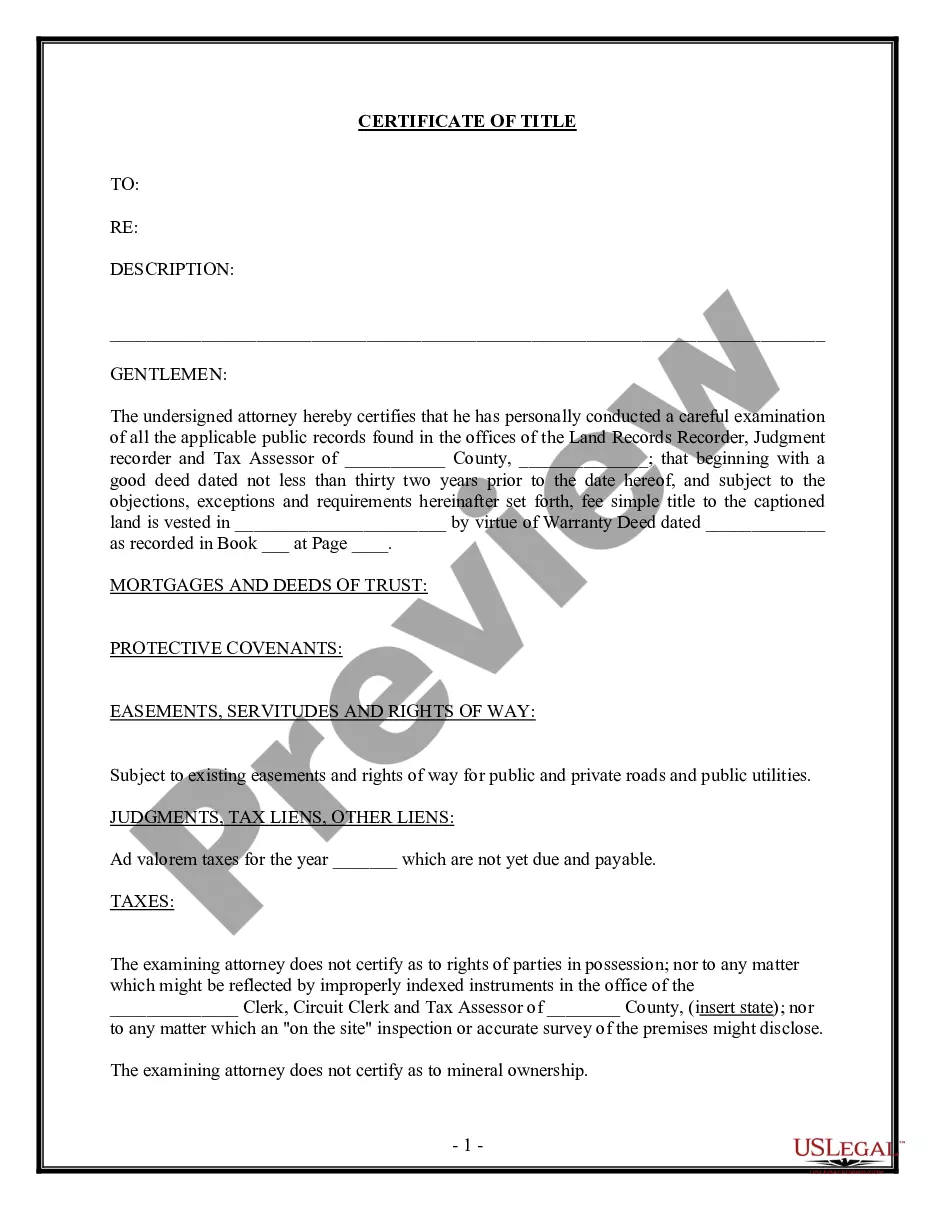
Construction Contract Format In Orange
Description


Get your form ready online
Our built-in tools help you complete, sign, share, and store your documents in one place.
Make edits, fill in missing information, and update formatting in US Legal Forms—just like you would in MS Word.
Download a copy, print it, send it by email, or mail it via USPS—whatever works best for your next step.
Sign and collect signatures with our SignNow integration. Send to multiple recipients, set reminders, and more. Go Premium to unlock E-Sign.
If this form requires notarization, complete it online through a secure video call—no need to meet a notary in person or wait for an appointment.
We protect your documents and personal data by following strict security and privacy standards.

Make edits, fill in missing information, and update formatting in US Legal Forms—just like you would in MS Word.

Download a copy, print it, send it by email, or mail it via USPS—whatever works best for your next step.

Sign and collect signatures with our SignNow integration. Send to multiple recipients, set reminders, and more. Go Premium to unlock E-Sign.

If this form requires notarization, complete it online through a secure video call—no need to meet a notary in person or wait for an appointment.

We protect your documents and personal data by following strict security and privacy standards.
Looking for another form?




Form popularity
FAQ
How To Write A Construction Contract With 7 Steps Step 1: Define the Parties Involved. Step 2: Outline the Scope of Work. Step 3: Establish the Timeline. Step 4: Determine the Payment Terms. Step 5: Include Necessary Legal Clauses. Step 6: Address Change Orders and Modifications. Step 7: Sign and Execute the Contract.
FIDIC is a French language acronym for Fédération Internationale Des Ingénieurs-Conseils, which means the international federation of consulting engineers. It was started in 1913 by the trio of France, Belgium and Switzerland. The United Kingdom joined the Federation in 1949.
The Fédération Internationale des Ingénieurs-Conseils (FIDIC) is the international federation of consulting engineers. Its membership is largely comprised of national associations, such as the Association of Consulting Engineers Australia (.acea.aust).
How many types of FIDIC contracts are there? There are five main types of FIDIC contracts: Red Book (construction), Yellow Book (plant and design-build), Silver Book (EPC/turnkey), Green Book (short form), and Pink Book (consulting services).
MF/1 is suited to projects with extensive commissioning – whilst JCT can include testing regimes in the Specification, it does not contain relevant remedies or obligations. The key players are the purchaser, contractor and the engineer – who administers the contract and designs the works.
The FIDIC Golden Principles uphold fair and sustainable policies in the client-contractor relationship: Balanced sharing of project risks – Risks should be allocated to the party best able to manage them. Excessive risk transfer leads to higher prices and disputes.
FIDIC stands for 'Fédération Internationale des Ingénieurs - Conseils', which is best translated from French as The International Federation of Consulting Engineers. FIDIC represents the consulting engineering indus-try both globally and domestically. What are the FIDIC forms of contract?
The best known of the FIDIC contracts are the Red Book (building and engineering works designed by the Employer) and the Yellow Book (M&E, building and engineering works designed by the Contractor). The original edition of the Red Book dates back to 1957.
The Red Book is the FIDIC recommended form of contract for building or engineering works where the employer has been re-sponsible for nearly all the design. In fact FIDIC claim that the Red Book is the most widely used internation-al construction contract where most of the works have been designed by the employer.
Compared to the FIDIC 1987 Red Book, the quantity of Clauses and sub-clauses has been minimized – most likely due to restructuring of the clauses and sub-clauses as analyzed in Section 2 above. However, FIDIC 1999 contains more definitions than what appears in the FIDIC 1987 Red Book.