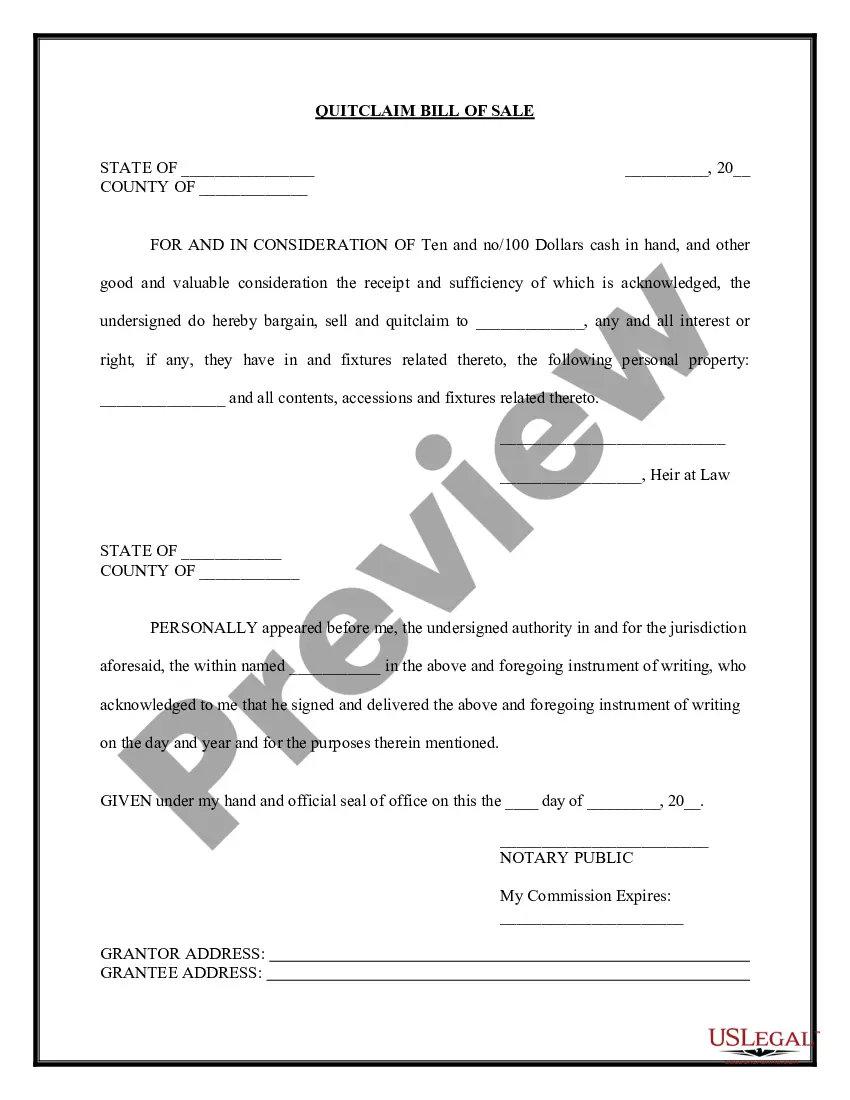
Contract Cost Plus Agreement With Example In Maryland
Description

Get your form ready online
Our built-in tools help you complete, sign, share, and store your documents in one place.
Make edits, fill in missing information, and update formatting in US Legal Forms—just like you would in MS Word.
Download a copy, print it, send it by email, or mail it via USPS—whatever works best for your next step.
Sign and collect signatures with our SignNow integration. Send to multiple recipients, set reminders, and more. Go Premium to unlock E-Sign.
If this form requires notarization, complete it online through a secure video call—no need to meet a notary in person or wait for an appointment.
We protect your documents and personal data by following strict security and privacy standards.

Make edits, fill in missing information, and update formatting in US Legal Forms—just like you would in MS Word.

Download a copy, print it, send it by email, or mail it via USPS—whatever works best for your next step.

Sign and collect signatures with our SignNow integration. Send to multiple recipients, set reminders, and more. Go Premium to unlock E-Sign.

If this form requires notarization, complete it online through a secure video call—no need to meet a notary in person or wait for an appointment.

We protect your documents and personal data by following strict security and privacy standards.
Looking for another form?









Form popularity
FAQ
As a general rule, if the owner hired whoever drafted the construction plans, or if whoever drafted the faulty plans is an employee or agent of the owner, it is the owner who will be liable for defective plans.
Consumer Advice - Home Improvement Commission Call 410-230-6231 or 1-888-218-5925. Ask if complaints have been filed against a contractor and whether they have been resolved or are still open. Obtain complaint forms by phone or at our website. Obtain Guaranty Fund claim forms.
In Maryland, it is illegal to act as a home improvement contractor, subcontractor or salesperson without a valid license. Licenses are issued by the Maryland Home Improvement Commission (MHIC). To verify a license, call MHIC at 410.230. 6309 or check online at Public Search .
There are four essential elements of forming a contract: offer, acceptance, consideration, and intention to create legal relations. Beyond this, the terms of the contract must also be unambiguous, and the parties must have the mental capacity to agree.
A contract will only be legally binding upon the contracting parties if the following requirements are complied with: consensus, contractual capacity, certainty, possibility, legality and formalities. 39 The above requirements will be discussed next. 39Para 1 1 above.
A contract is an agreement between parties , creating mutual obligations that are enforceable by law . The basic elements required for the agreement to be a legally enforceable contract are: mutual assent , expressed by a valid offer and acceptance ; adequate consideration ; capacity ; and legality .
The terms of the contract must be agreed upon mutually. An offer is made, understood by both parties, and accepted. Both parties must agree to the same thing. This is sometimes referred to as “a meeting of the minds.”
A contract consists of a legally binding agreement or promise between parties. The agreement must be voluntary and made by competent parties. The promise or agreement must be supported by an exchange of something of value (e.g., goods or services). This exchange must be legal.
Ing to Boundy (2012), typically, a written contract will include: Date of agreement. Names of parties to the agreement. Preliminary clauses. Defined terms. Main contract clauses. Schedules/appendices and signature provisions (para. 5).