Construction Contracts Oregon Fortis In California
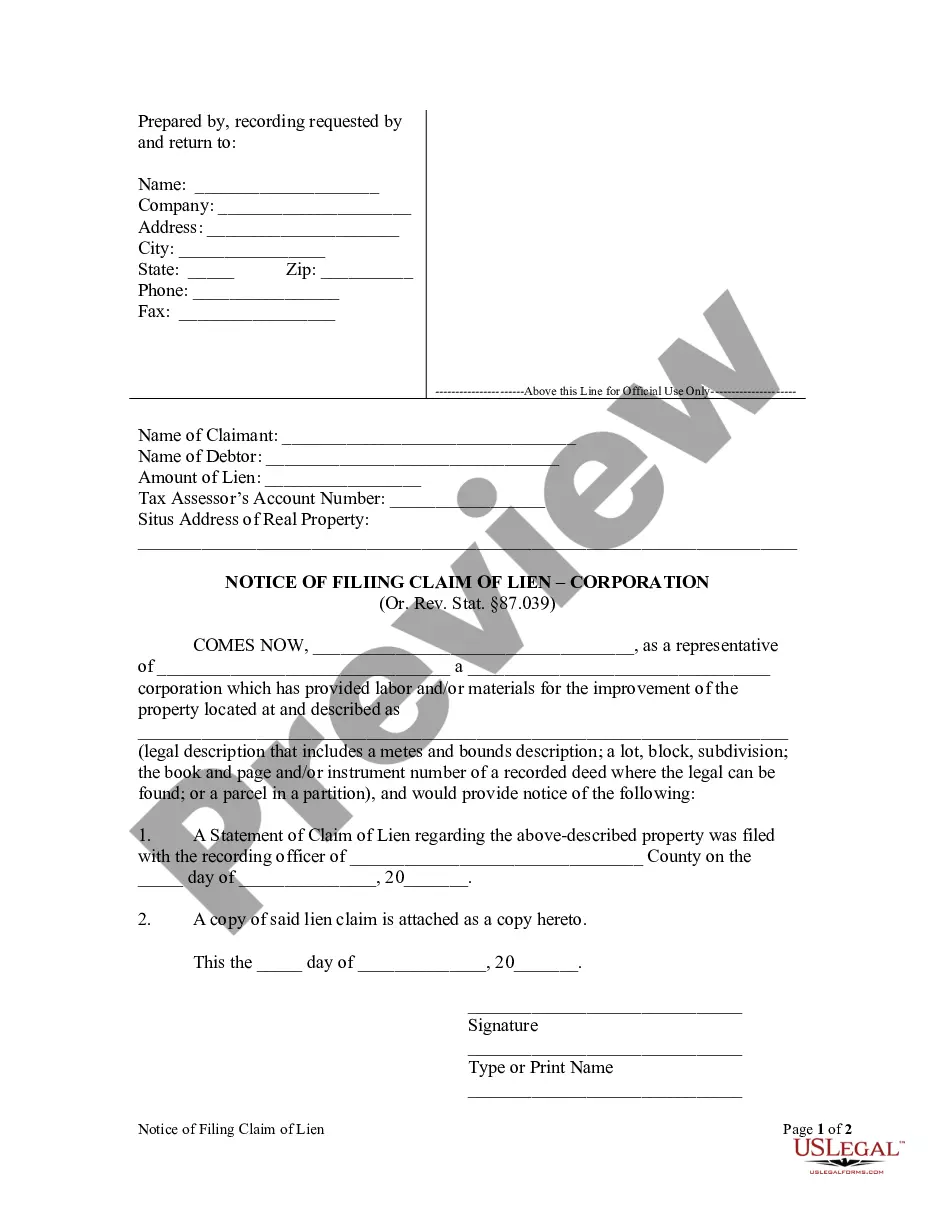
Description


Get your form ready online
Our built-in tools help you complete, sign, share, and store your documents in one place.
Make edits, fill in missing information, and update formatting in US Legal Forms—just like you would in MS Word.
Download a copy, print it, send it by email, or mail it via USPS—whatever works best for your next step.
Sign and collect signatures with our SignNow integration. Send to multiple recipients, set reminders, and more. Go Premium to unlock E-Sign.
If this form requires notarization, complete it online through a secure video call—no need to meet a notary in person or wait for an appointment.
We protect your documents and personal data by following strict security and privacy standards.

Make edits, fill in missing information, and update formatting in US Legal Forms—just like you would in MS Word.

Download a copy, print it, send it by email, or mail it via USPS—whatever works best for your next step.

Sign and collect signatures with our SignNow integration. Send to multiple recipients, set reminders, and more. Go Premium to unlock E-Sign.

If this form requires notarization, complete it online through a secure video call—no need to meet a notary in person or wait for an appointment.

We protect your documents and personal data by following strict security and privacy standards.
Looking for another form?









Form popularity
FAQ
Construction contractors in California who sell or lease tangible personal property, which the law defines as an item that can be seen, weighed, measured, felt, or touched, are generally required to register with us for a seller's permit.
In general, construction labor is not taxable. Installation labor of a fixture in most cases is also exempt from taxation, but the fabrication labor involved in the creation of a fixture is taxable.
In California, you need a contractor license to do any work that costs more than $500. The easiest kind of contractor's license is a Class “B” Contractor's License. This license allows you to do general contracting work.
Here are the steps you can take to officially become a contractor in California: Understand the basic requirements. Obtain industry experience. Decide on your license type. Apply for the exam. Sign up for a test. Study for the exam. Register for liability insurance. Obtain your license.
In California, the relationship between businesses and independent contractors is subject to strict legal standards. As of January 1, 2025, having a written contract with certain types of independent contractors is required by law.
A contract will only be legally binding upon the contracting parties if the following requirements are complied with: consensus, contractual capacity, certainty, possibility, legality and formalities. 39 The above requirements will be discussed next. 39Para 1 1 above.
To be legally enforceable, an agreement must contain all of the following criteria: An offer and acceptance; Certainty of terms; Consideration; An intention to create legal relations; Capacity of the parties; and, Legality of purpose.
Lesson Summary. A contract is a legal agreement between two or more parties in which they agree to each other's rights and responsibilities. Offer, acceptance, awareness, consideration, and capacity are the five elements of an enforceable contract.
Below are eight important points to consider including in an independent contractor agreement. Define a Scope of Work. Set a Timeline for the Project. Specify Payment Terms. State Desired Results and Agree on Performance Measurement. Detail Insurance Requirements. Include a Statement of Independent Contractor Relationship.
