Atv Form With Retail In Contra Costa
Description
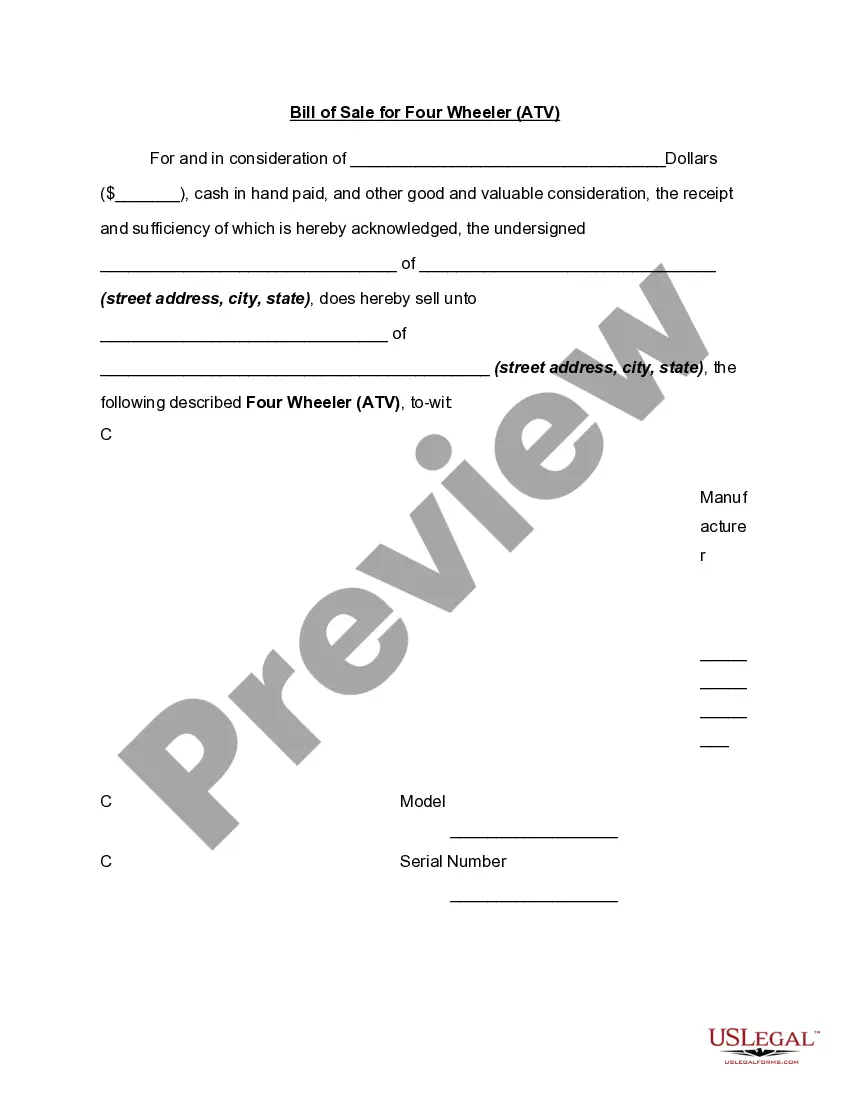
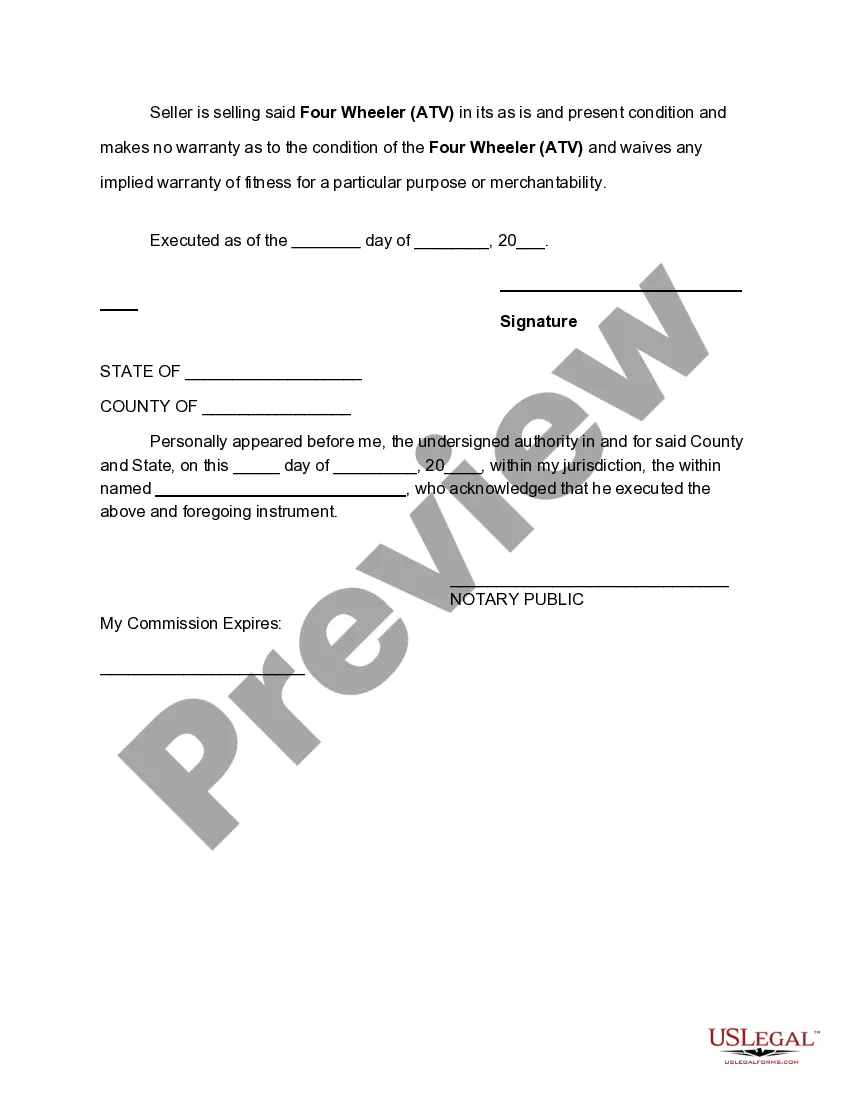
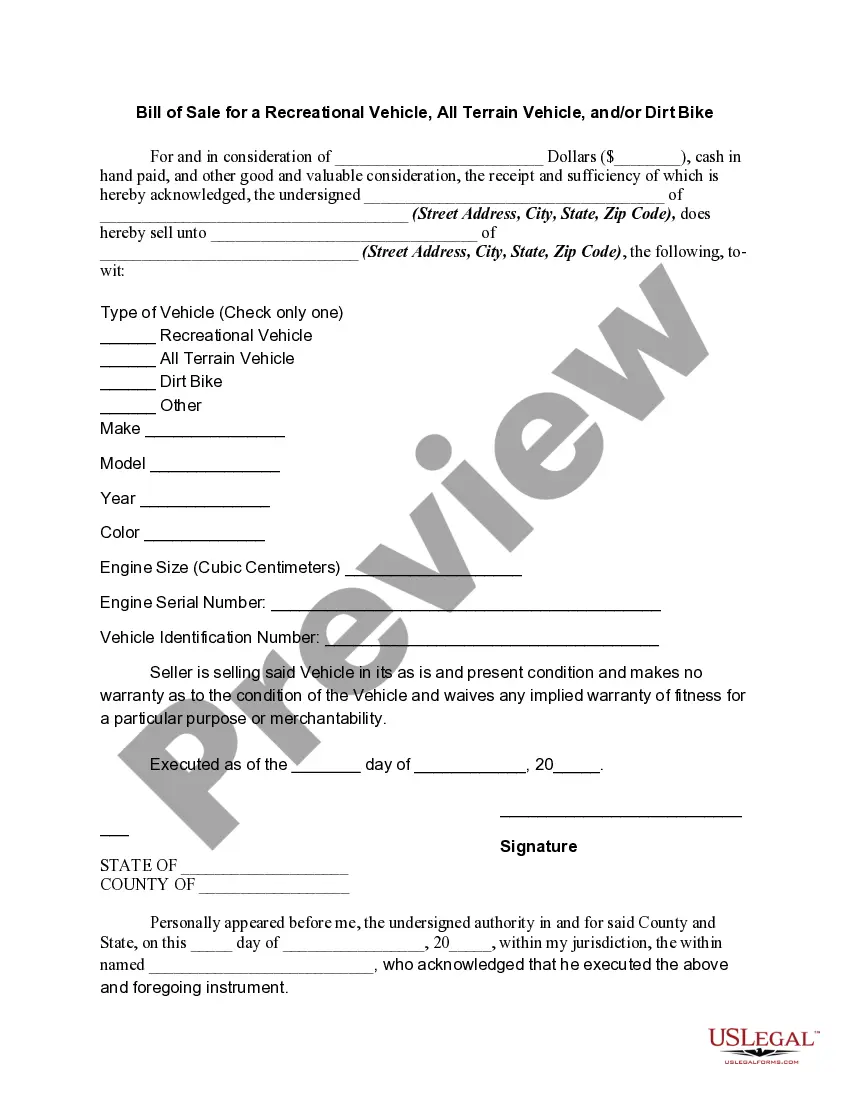
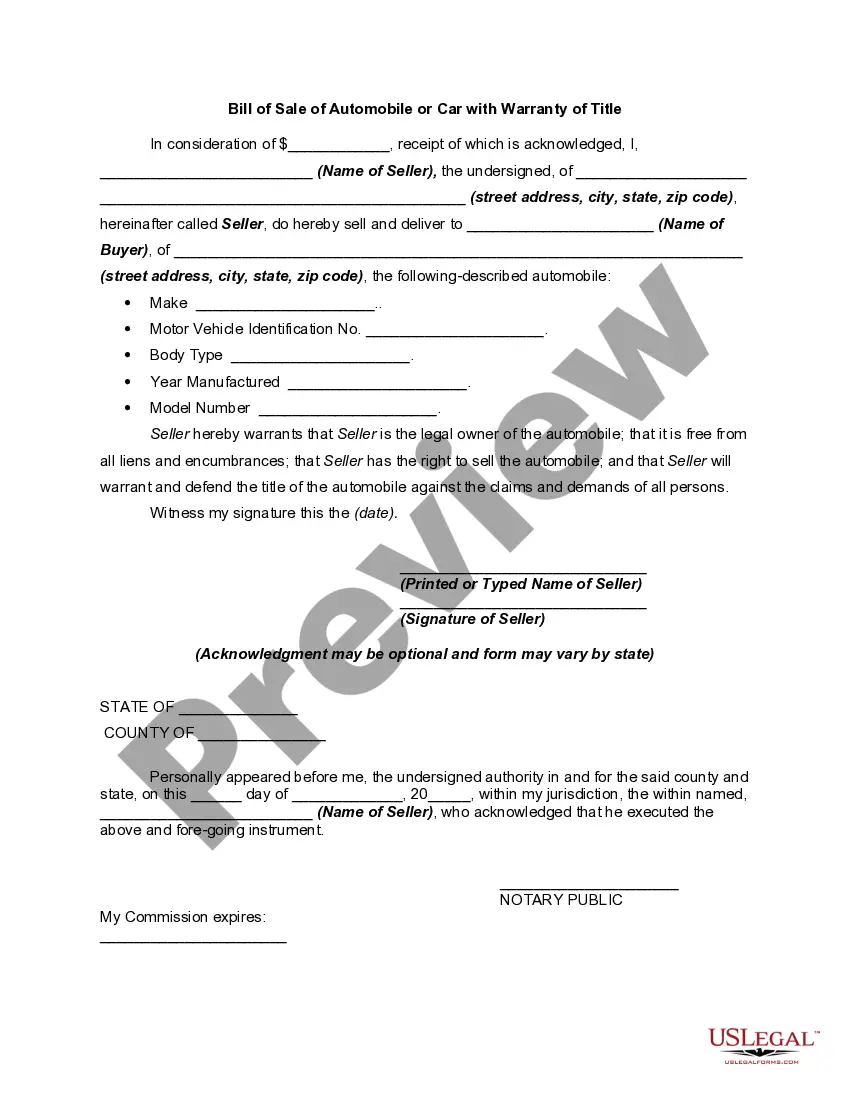
Get your form ready online
Our built-in tools help you complete, sign, share, and store your documents in one place.
Make edits, fill in missing information, and update formatting in US Legal Forms—just like you would in MS Word.
Download a copy, print it, send it by email, or mail it via USPS—whatever works best for your next step.
Sign and collect signatures with our SignNow integration. Send to multiple recipients, set reminders, and more. Go Premium to unlock E-Sign.
If this form requires notarization, complete it online through a secure video call—no need to meet a notary in person or wait for an appointment.
We protect your documents and personal data by following strict security and privacy standards.

Make edits, fill in missing information, and update formatting in US Legal Forms—just like you would in MS Word.

Download a copy, print it, send it by email, or mail it via USPS—whatever works best for your next step.

Sign and collect signatures with our SignNow integration. Send to multiple recipients, set reminders, and more. Go Premium to unlock E-Sign.

If this form requires notarization, complete it online through a secure video call—no need to meet a notary in person or wait for an appointment.

We protect your documents and personal data by following strict security and privacy standards.
Looking for another form?








Form popularity
FAQ
The County Ordinance requires that you obtain a license for conducting business within the unincorporated areas, - even if your business is located outside our limits or you have a business license from another city.
To do this, you file a petition with the court and publish a notice in a newspaper. Then, you'll either have a court date (a hearing) where a judge will make a decision, or the judge may make a decision without a hearing. Once the judge decides, you pick up a court decree (court order) with your new name.
In most cases, you must file a petition with your local court to change your name. To do so, you may need to file paperwork and appear before a judge to complete the process. Find your local government website and contact your circuit court to get information about how you can legally change your name.
Change your legal name Once the judge decides, you pick up a court decree (court order) with your new name. The process generally takes up to 3 months. Choose any part of the process below to get step-by-step instructions.
What Is CA Form 100? The California Corporation Franchise or Income Tax Return serves as a tax document for corporations functioning in California. Its purpose is to declare income, compute tax liability, and meet tax responsibilities to the state.
As of July 1, 2022, 62 local jurisdictions levy no additional local sales tax, while 6 cities (all located in Alameda County) have the highest combined sales tax rate in California at 10.75%.
The statewide tax rate is 7.25%. In most areas of California, local jurisdictions have added district taxes that increase the tax owed by a seller. Those district tax rates range from 0.10% to 2.00%. Some areas may have more than one district tax in effect.
Contra Costa County sales tax details The minimum combined 2025 sales tax rate for Contra Costa County, California is 8.75%. This is the total of state, county, and city sales tax rates. The California sales tax rate is currently 6.0%.
The five states with the lowest average combined rates are Alaska (1.82 percent), Hawaii (4.50 percent), Wyoming (5.44 percent), Maine (5.50 percent), and Wisconsin (5.70 percent). Sales tax rate differentials can induce consumers to shop across borders or buy products online.
