Consignment Note Format Under Gst In Utah
Description

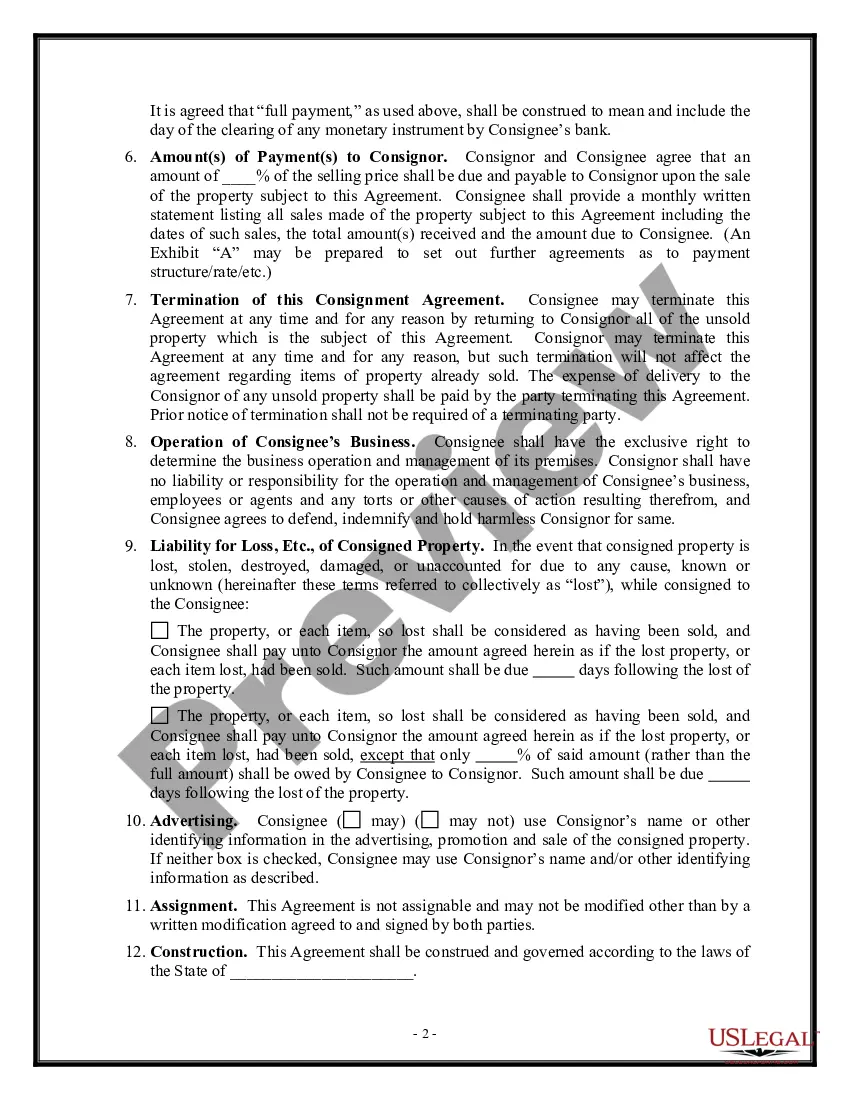
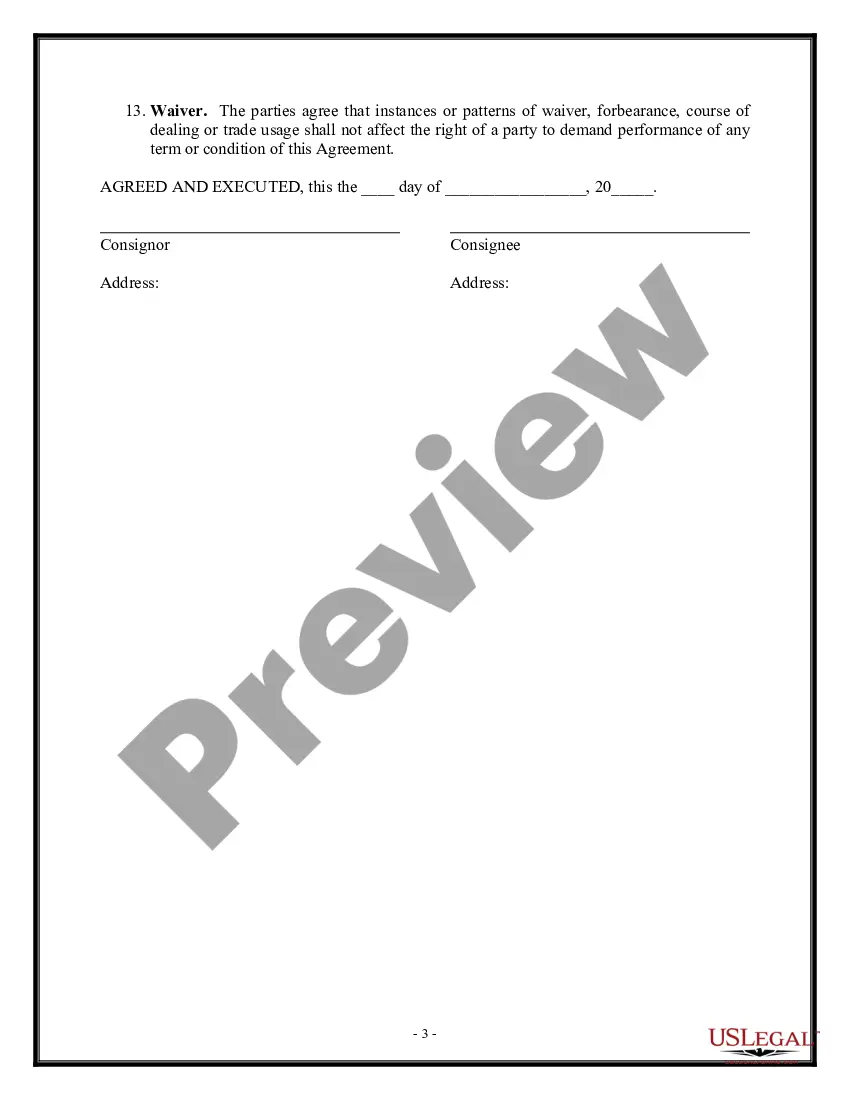
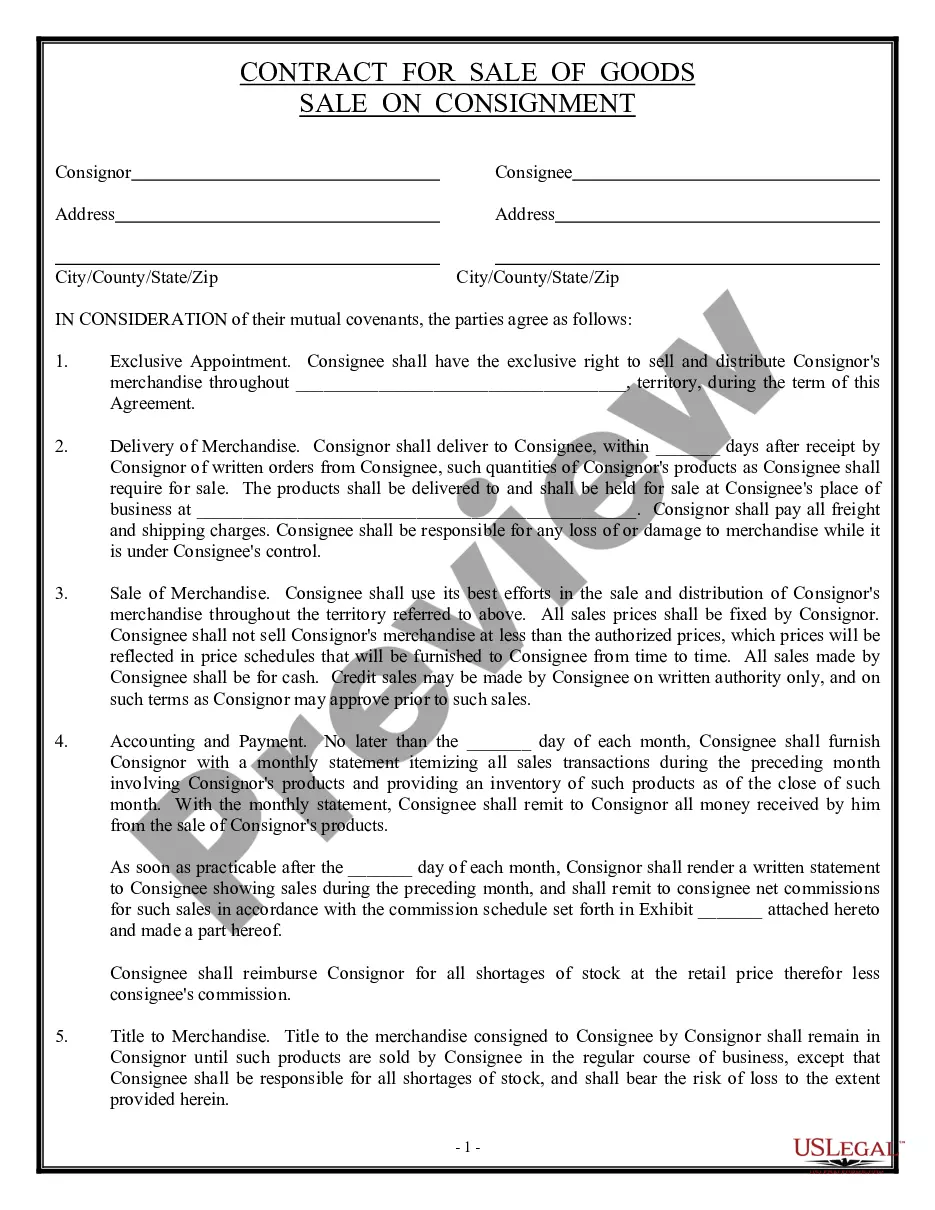
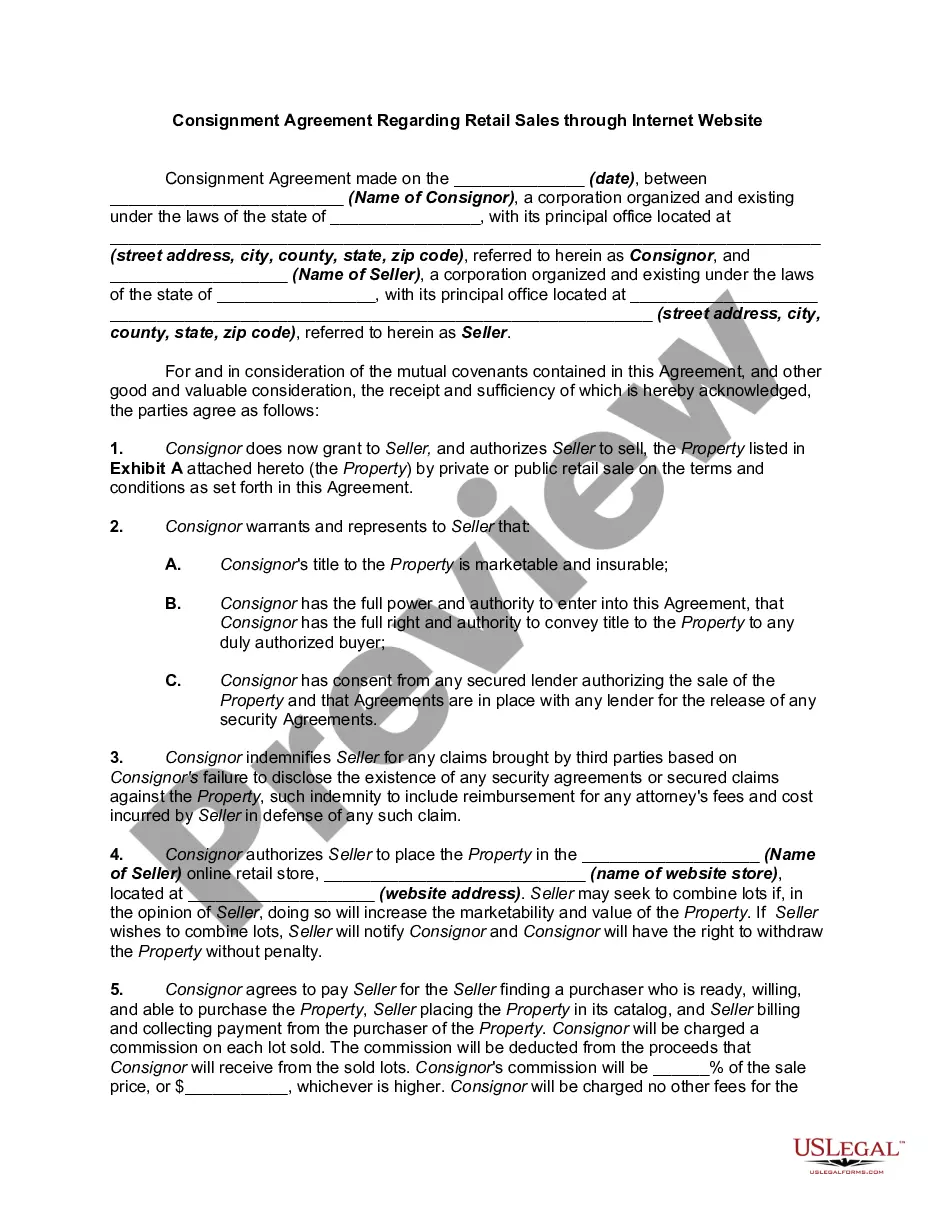
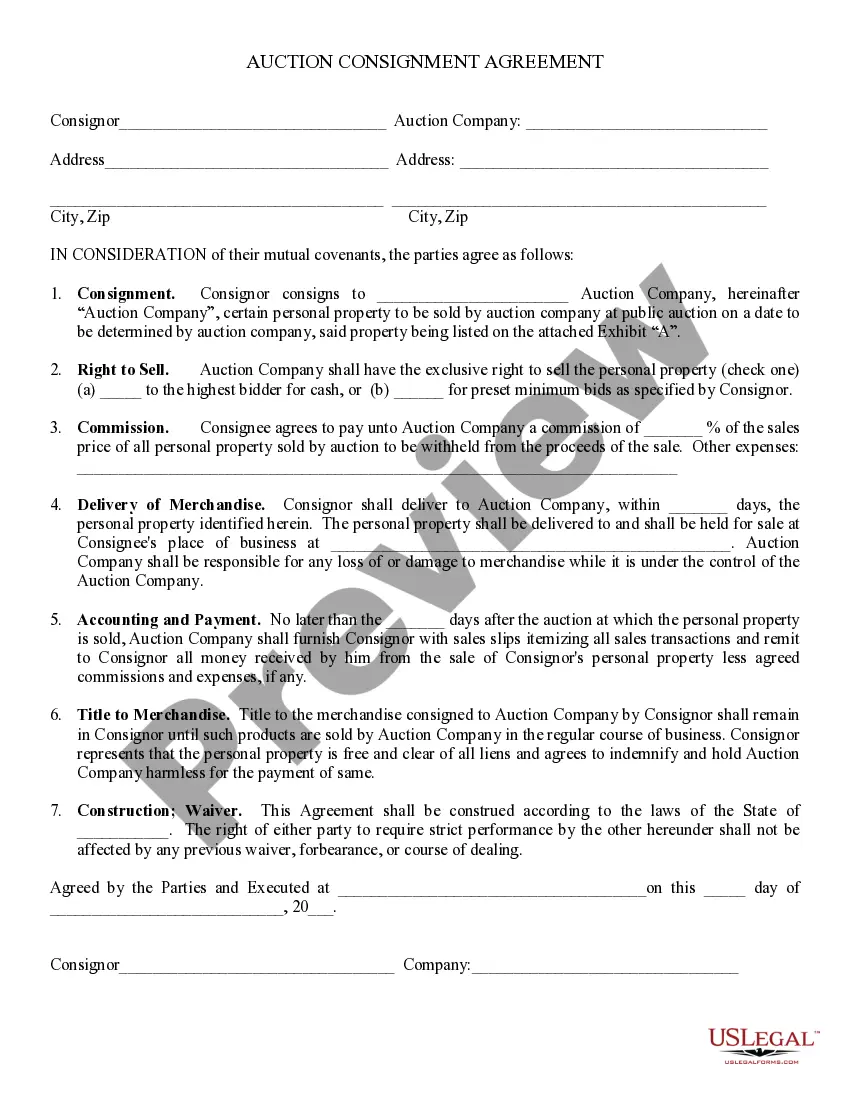
Get your form ready online
Our built-in tools help you complete, sign, share, and store your documents in one place.
Make edits, fill in missing information, and update formatting in US Legal Forms—just like you would in MS Word.
Download a copy, print it, send it by email, or mail it via USPS—whatever works best for your next step.
Sign and collect signatures with our SignNow integration. Send to multiple recipients, set reminders, and more. Go Premium to unlock E-Sign.
If this form requires notarization, complete it online through a secure video call—no need to meet a notary in person or wait for an appointment.
We protect your documents and personal data by following strict security and privacy standards.

Make edits, fill in missing information, and update formatting in US Legal Forms—just like you would in MS Word.

Download a copy, print it, send it by email, or mail it via USPS—whatever works best for your next step.

Sign and collect signatures with our SignNow integration. Send to multiple recipients, set reminders, and more. Go Premium to unlock E-Sign.

If this form requires notarization, complete it online through a secure video call—no need to meet a notary in person or wait for an appointment.

We protect your documents and personal data by following strict security and privacy standards.
Looking for another form?




Form popularity
FAQ
Steps to Create a Credit Note in GST Place the business logo. Mention the credit note issue date and the unique credit note number. Include the invoice reference number for which the credit note is being issued. Include the GSTIN of both the supplier and customer and the place of supply.
Tables 4a, 4b, 4c, 6b & 6c (Outward Supplies to Registered Persons): These tables capture details of supplies made to other registered businesses, including tax rate, taxable value, and tax amount. Table 6b & 6c specifically focus on zero-rated supplies (like exports) made to registered persons.
To make a credit note: -> Identify the reason for issuing (returns, overpayments, etc.). -> Gather necessary information like original invoice details and customer information. -> Calculate the credit amount (refund, adjustment, discount).
Document accompanying goods that is filled by the shipper. It serves as proof that a contract for carriage has been concluded and describes its content. It also serves as a receipt when goods are picked up from the shipper and delivered to the recipient.
In traditional accounting practices, credit notes would be entered as a credit in the sales book for that particular customer (crediting their account for the specified amount). In double-entry bookkeeping systems, the credit note would be entered as debit under revenues, and credit under accounts receivable.
A consignment note is a document issued by a goods transportation agency against the receipt of goods for the purpose of transporting the goods by road in a goods carriage. If a consignment note is not issued by the transporter, the service provider will not come within the ambit of the goods transport agency.
A credit note should include: The date of issue. The credit note number (this should correspond with the invoice number) A customer or order reference number. Payment terms and conditions. Contact details for both companies. The reason the credit note was issued.
Get Utah Forms Downloadable PDF versions of Utah tax forms are available at tax.utah/forms. Many of these forms can be completed on your computer, then printed.
Section 59-12-104 (1) "Isolated or occasional sales and use tax exemption" means a sale that qualifies for the sales and use tax exemption for the sale of tangible personal property by a person: (a) regardless of the number of sales of that tangible personal property by that person; and (b) not regularly engaged in the ...
Note: Utah does NOT have a separate W-4 form equivalent. All withholding returns and documents must be filed electronically on TAP.
