Consignment Note Format In Salt Lake
Description

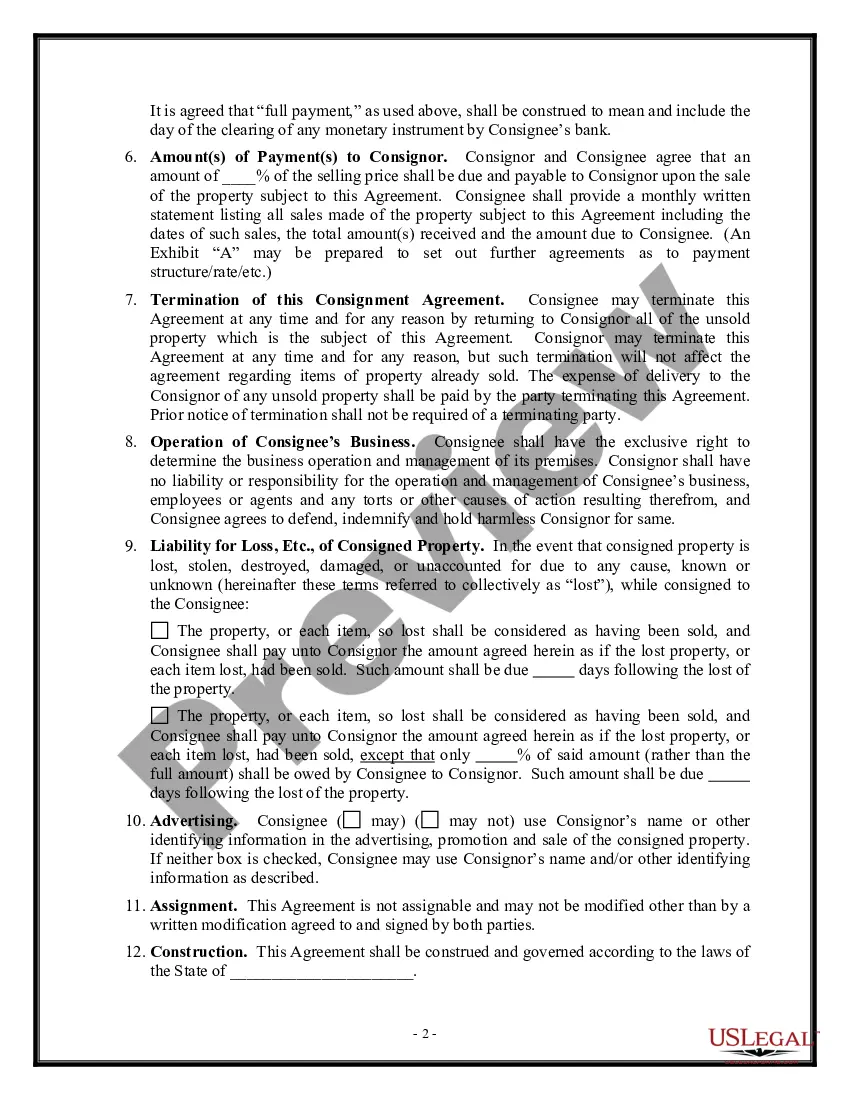
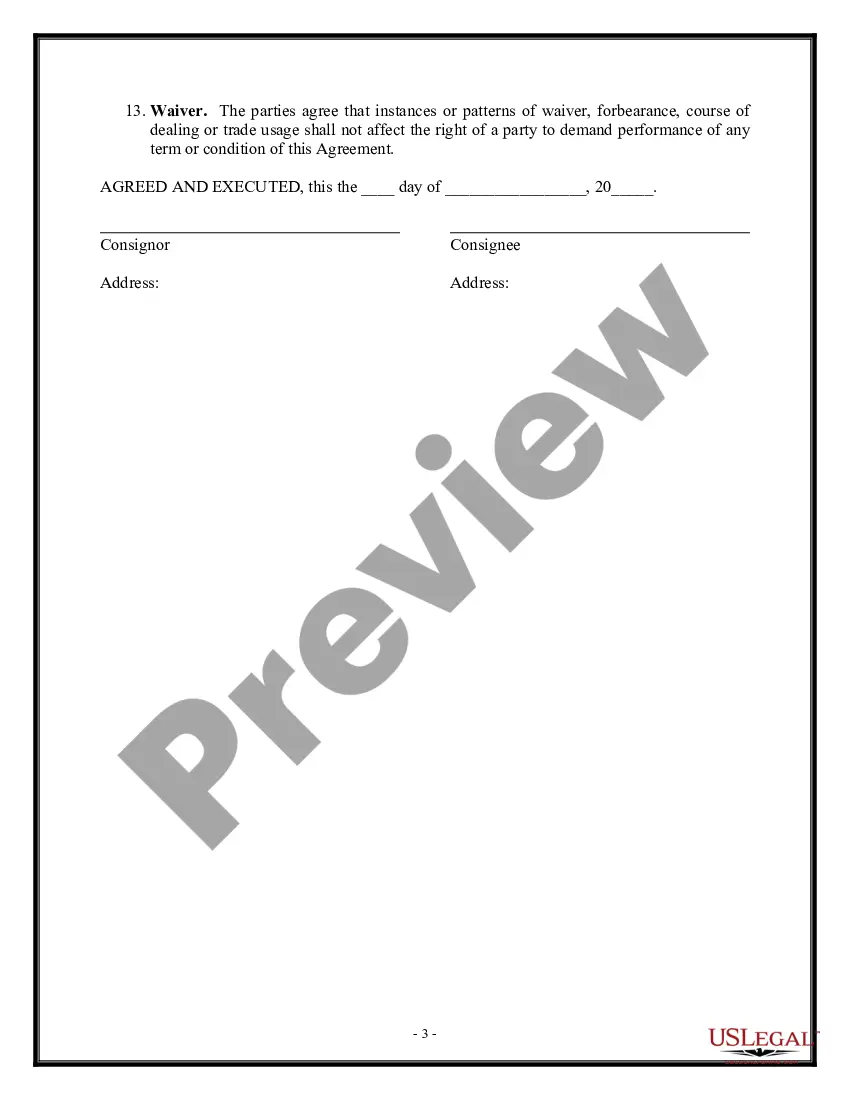
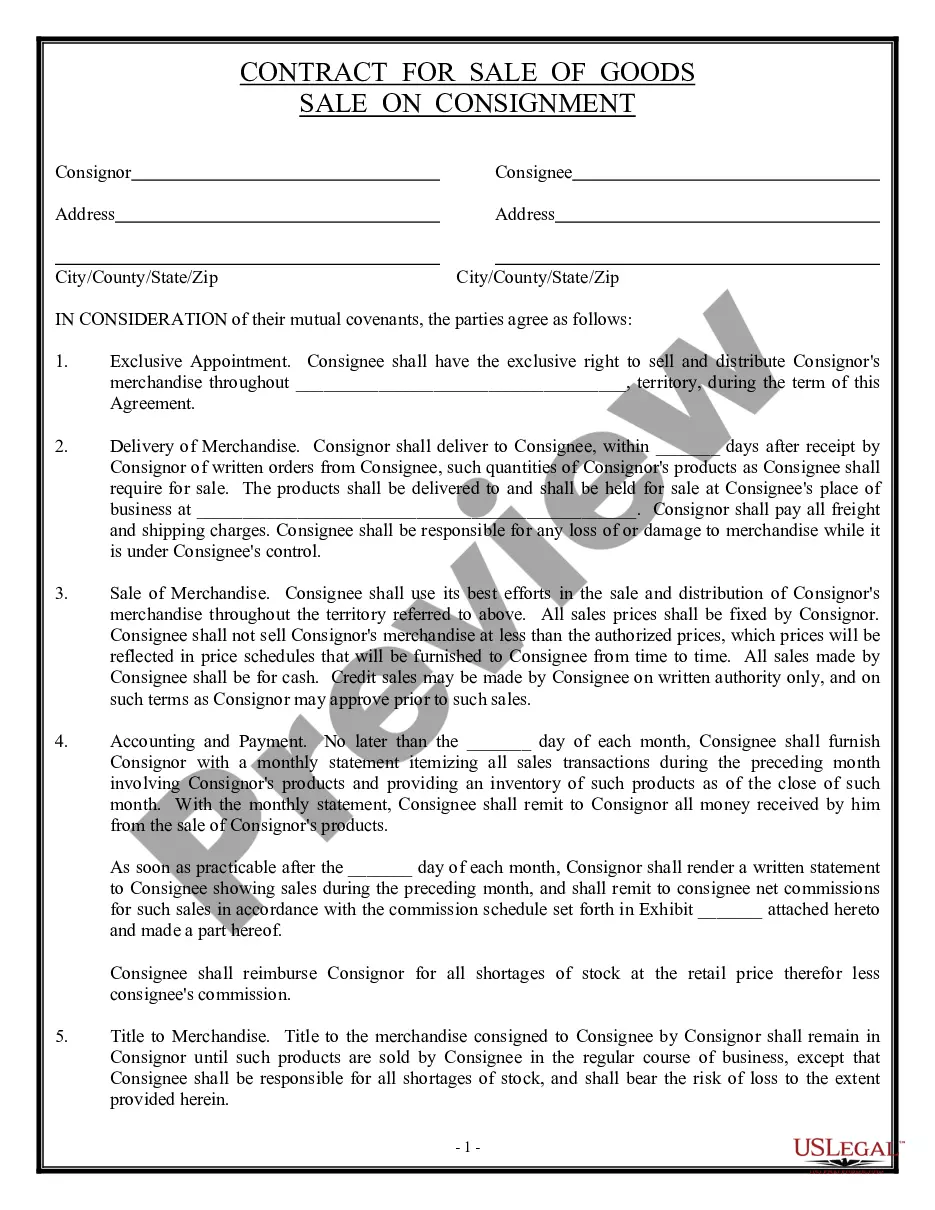
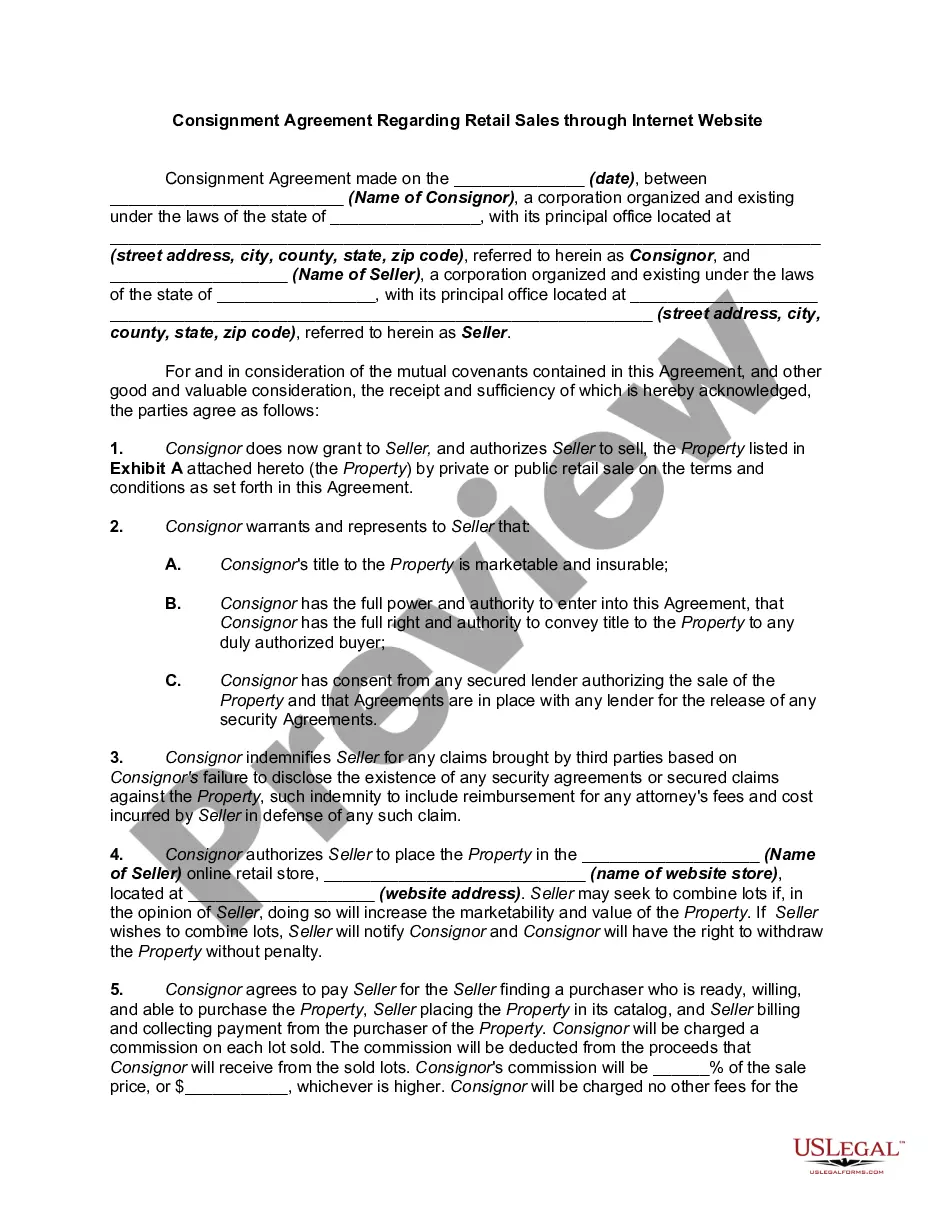
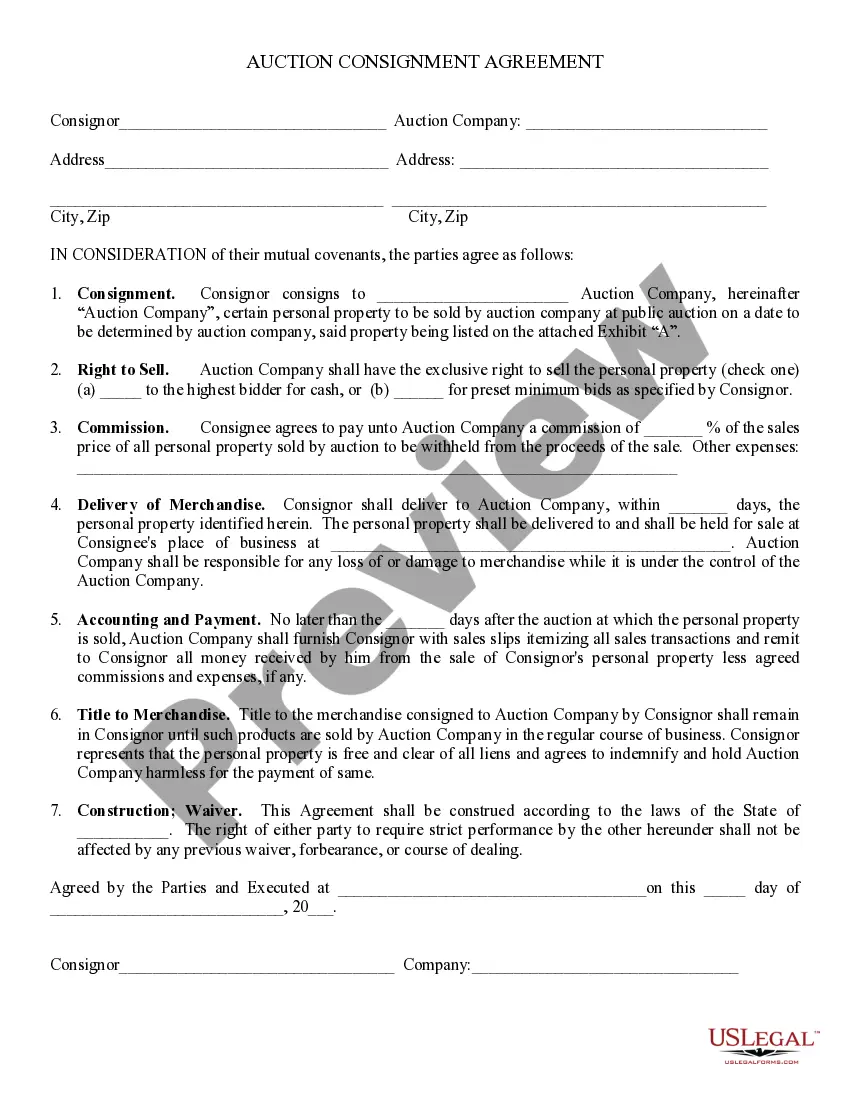
Get your form ready online
Our built-in tools help you complete, sign, share, and store your documents in one place.
Make edits, fill in missing information, and update formatting in US Legal Forms—just like you would in MS Word.
Download a copy, print it, send it by email, or mail it via USPS—whatever works best for your next step.
Sign and collect signatures with our SignNow integration. Send to multiple recipients, set reminders, and more. Go Premium to unlock E-Sign.
If this form requires notarization, complete it online through a secure video call—no need to meet a notary in person or wait for an appointment.
We protect your documents and personal data by following strict security and privacy standards.

Make edits, fill in missing information, and update formatting in US Legal Forms—just like you would in MS Word.

Download a copy, print it, send it by email, or mail it via USPS—whatever works best for your next step.

Sign and collect signatures with our SignNow integration. Send to multiple recipients, set reminders, and more. Go Premium to unlock E-Sign.

If this form requires notarization, complete it online through a secure video call—no need to meet a notary in person or wait for an appointment.

We protect your documents and personal data by following strict security and privacy standards.
Looking for another form?
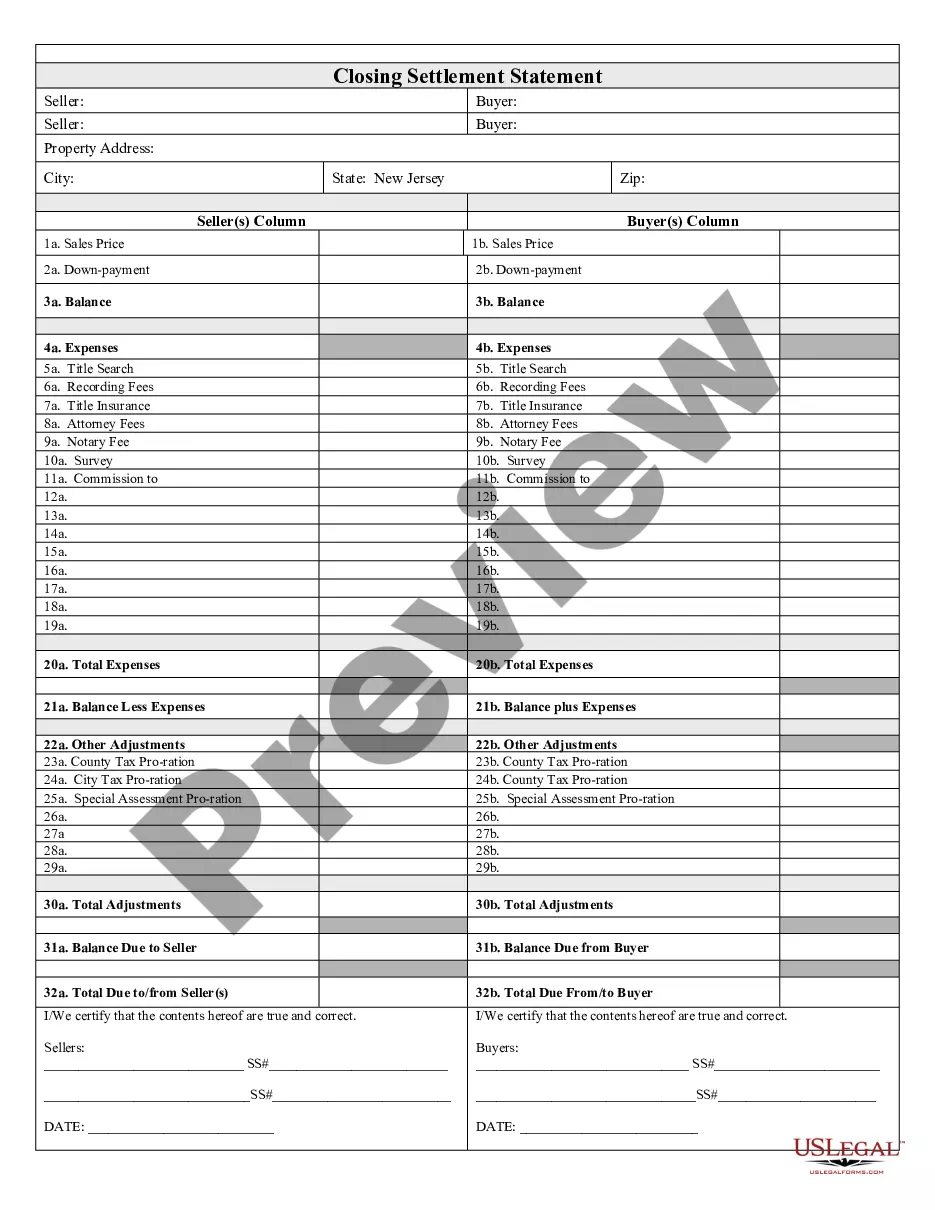
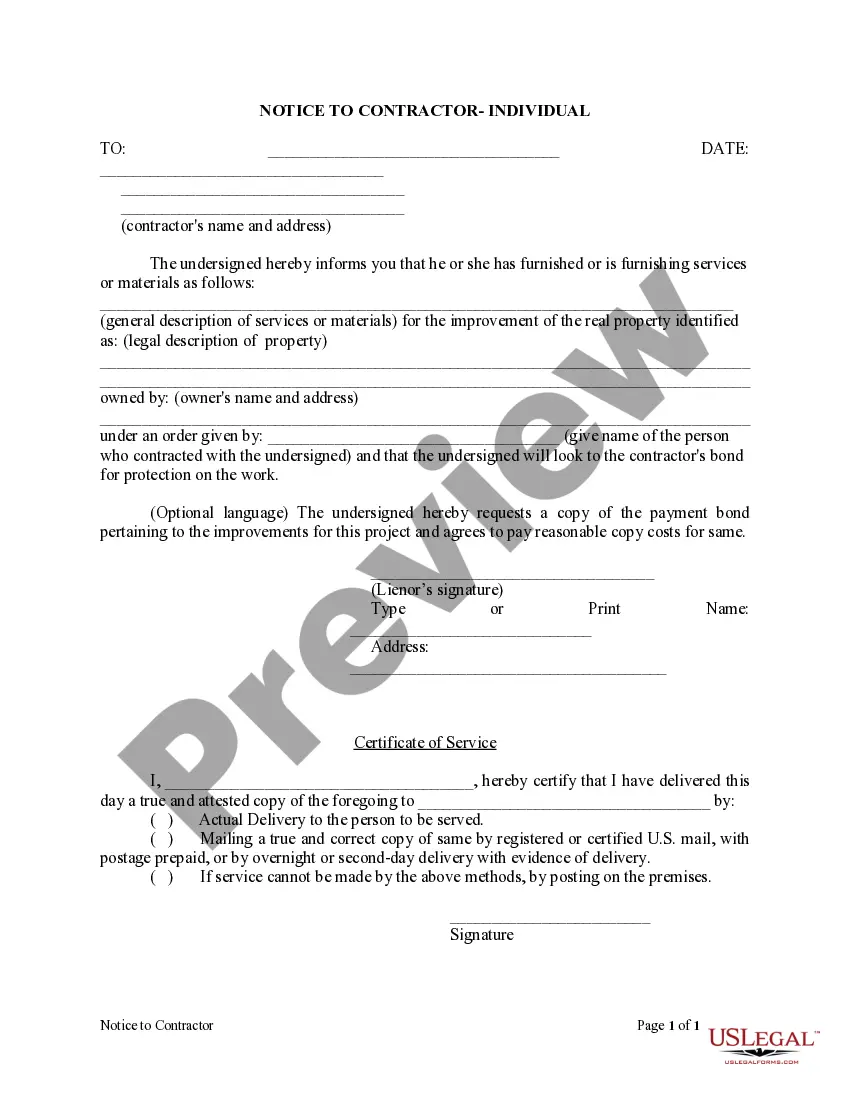
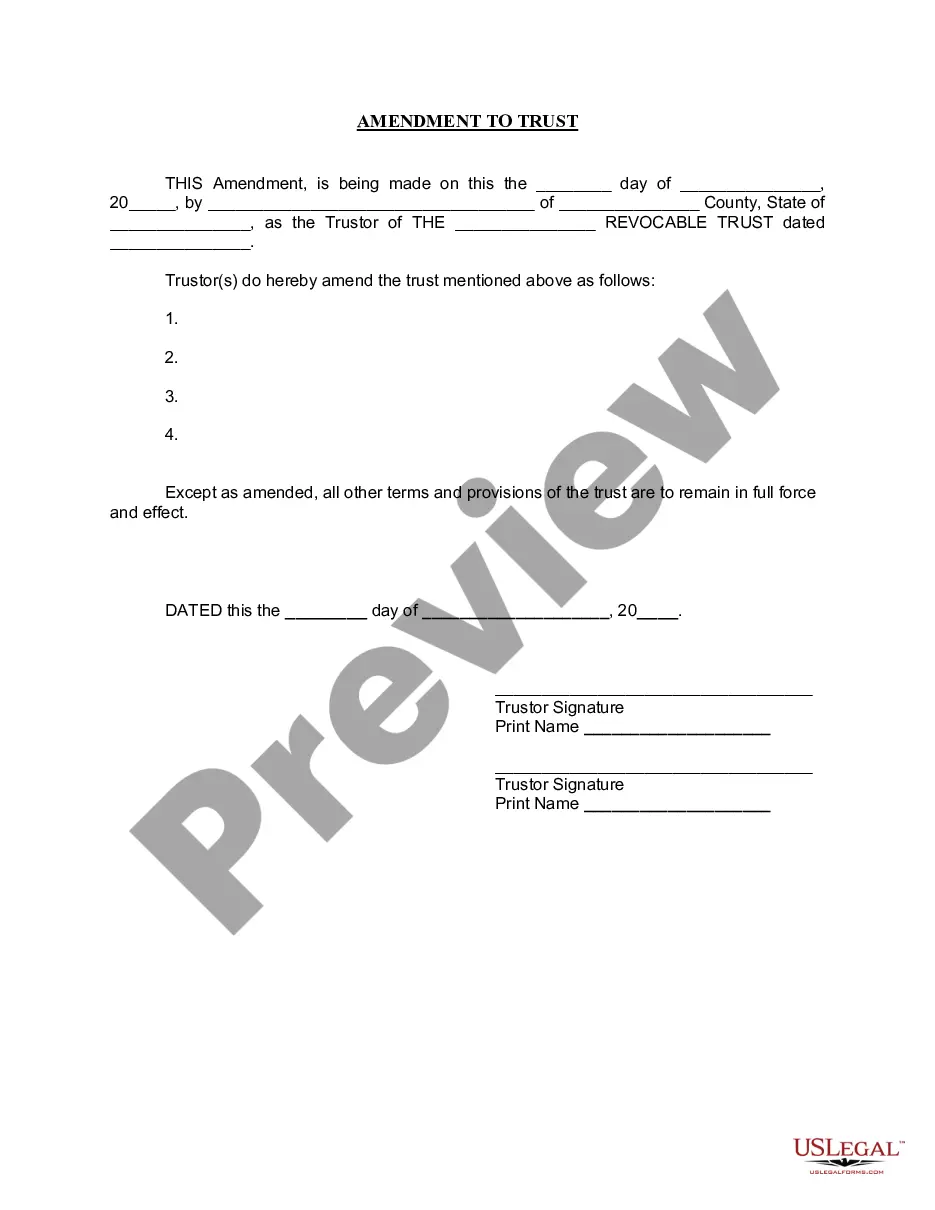



Form popularity
FAQ
That includes the 4.85% state sales tax rate in Utah and additional local sales taxes ranging between 0% and 8.1%. While some states have sales tax exemptions on clothing, there are no exemptions for clothing on either local or state sales tax in Utah.
To obtain a resale certificate in Utah, you will need to complete one of the following: Utah Exemption Certificate (Form TC-721), the Streamlined Sales Tax Agreement Certificate of Exemption, or the Uniform Sales & Use Tax Certificate Form.
File your Sales and Use tax return at tap.utah. If you have not registered for a Sales and Use Tax account, you must do so before filing. You can apply for an account on TAP at tap.utah. Once you have your tax account, you can use that account number and your PIN to create a TAP login.
Services: Most services are not subject to sales tax in Utah. This includes services such as haircuts, legal services, and accounting services.
Are digital downloads taxable in Utah? Yes. You owe tax for the sale of digital downloads to customers in Utah.
SaaS companies operating in Utah must navigate the state's sales tax regulations to ensure compliance. Utah's sales tax applies to most goods and services, including digital products like SaaS. The state imposes a 4.9% general sales tax rate, which is among the lowest in the country.
You collect tax at the grocery food rate (3 percent) on the grocery food and the combined sales tax rate at your location for the clothing. See tax.utah/sales/rates for current rates.
In addition, the consignment note records the transport and freight costs, the date and place of acceptance, as well as the planned date and place of delivery. It also provides information (name, address) about the sender, recipient and carrier, as well as other agreements, notes, and conditions.
Upon delivery, the recipient signs the CMR note, providing confirmation of receipt. A CMR note includes the names and addresses of both the sender and receiver, as well as details about the goods, such as their weight. Moreover, it clarifies who is responsible for insuring the goods during transit.
It gives the names and addresses of both consignor and consignee, details the goods, usually gives their gross weight, and states who has responsibility for insuring them while in transit.
