Consignment Note For Scheduled Waste Malaysia In Montgomery
Description

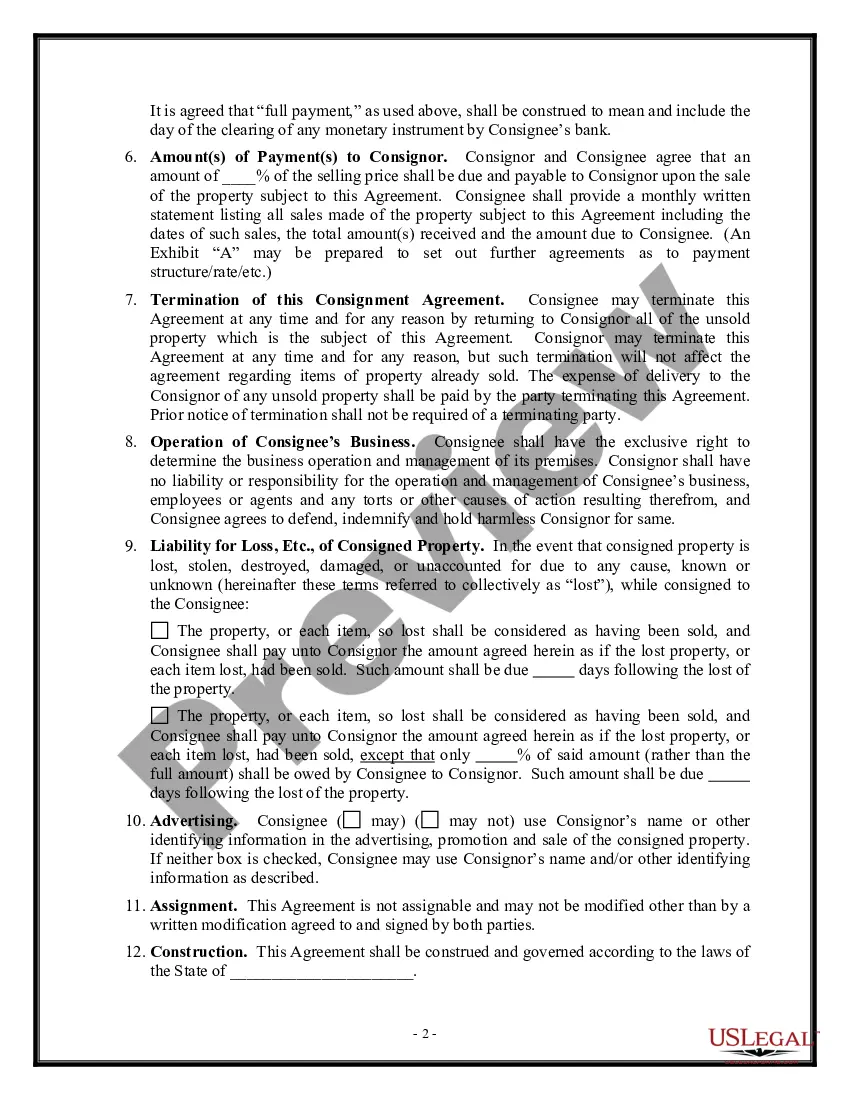
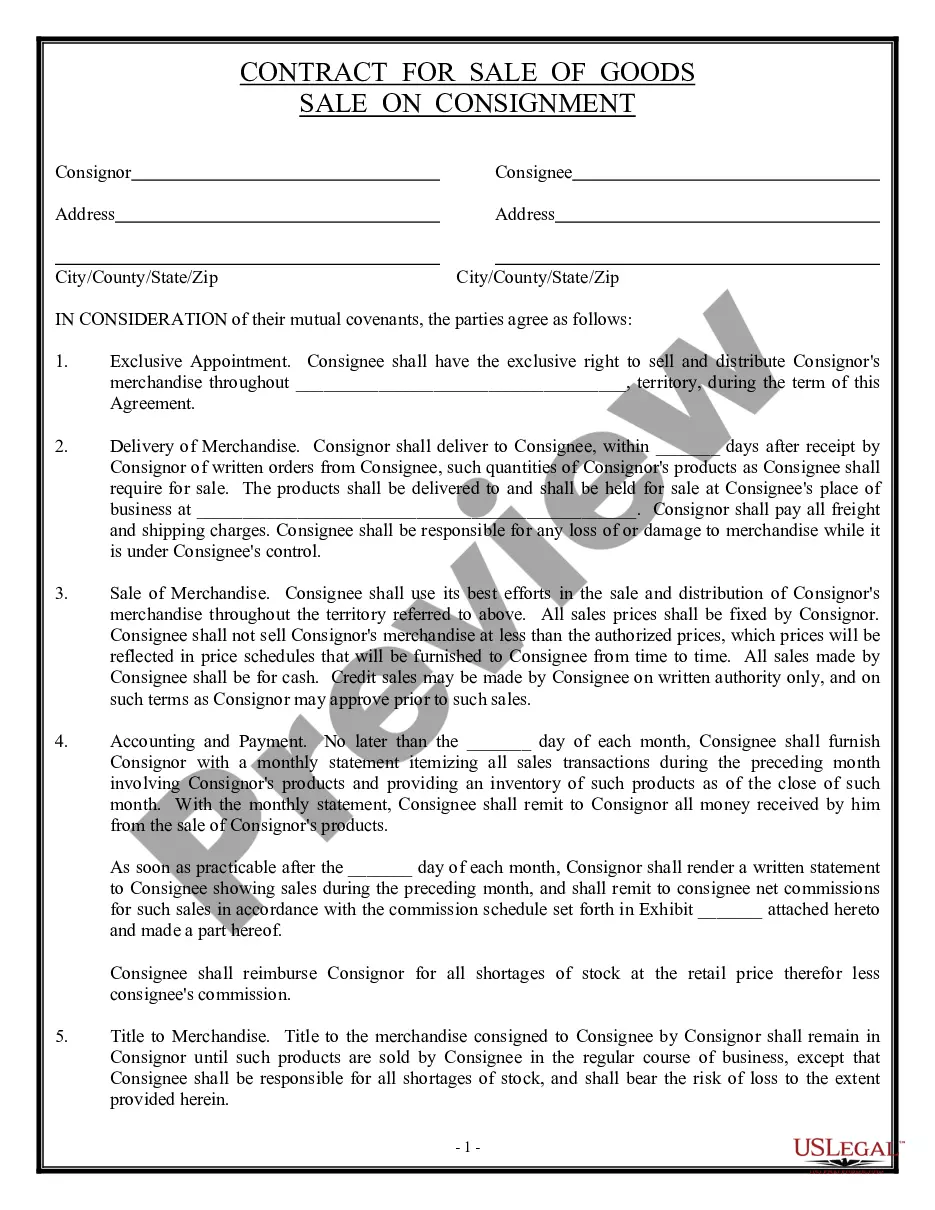
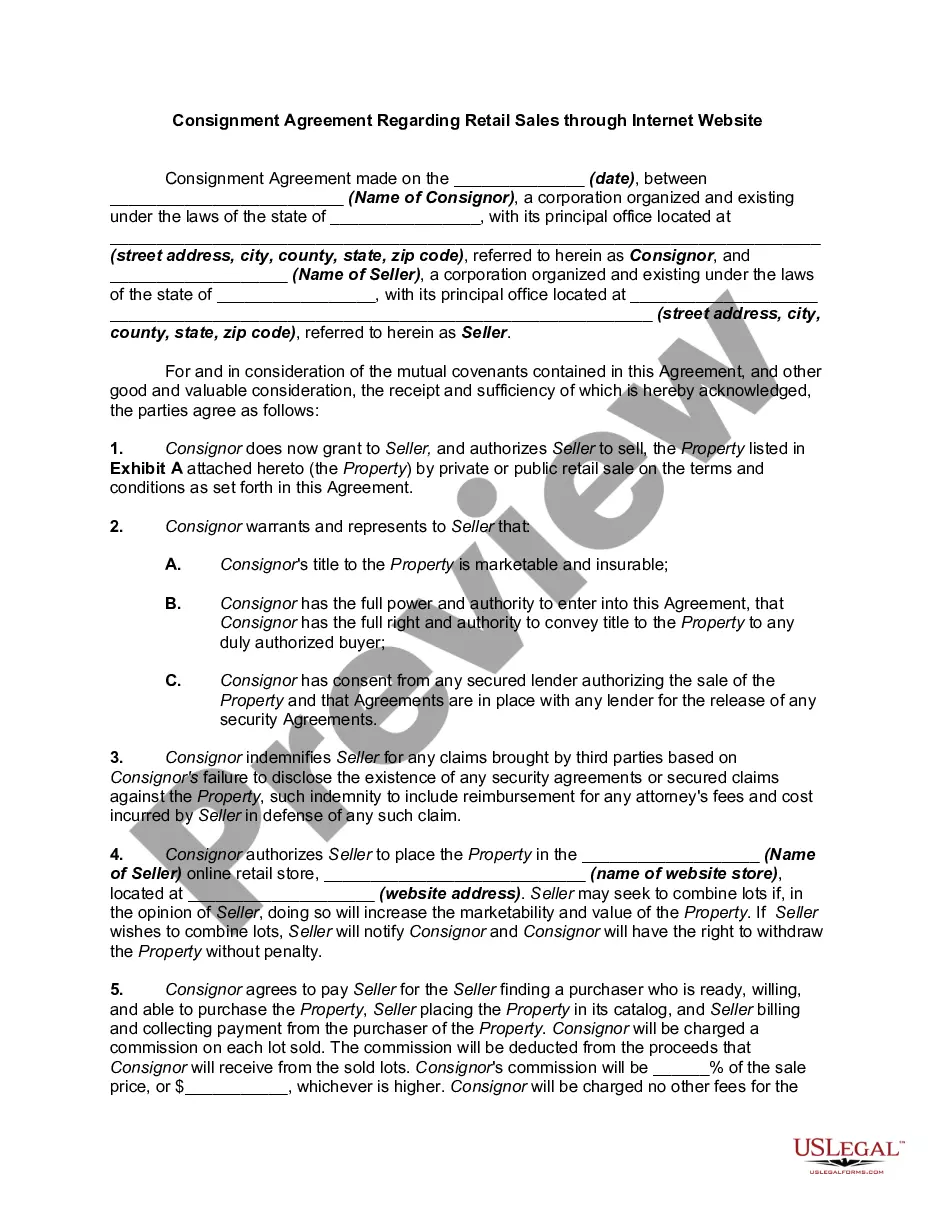
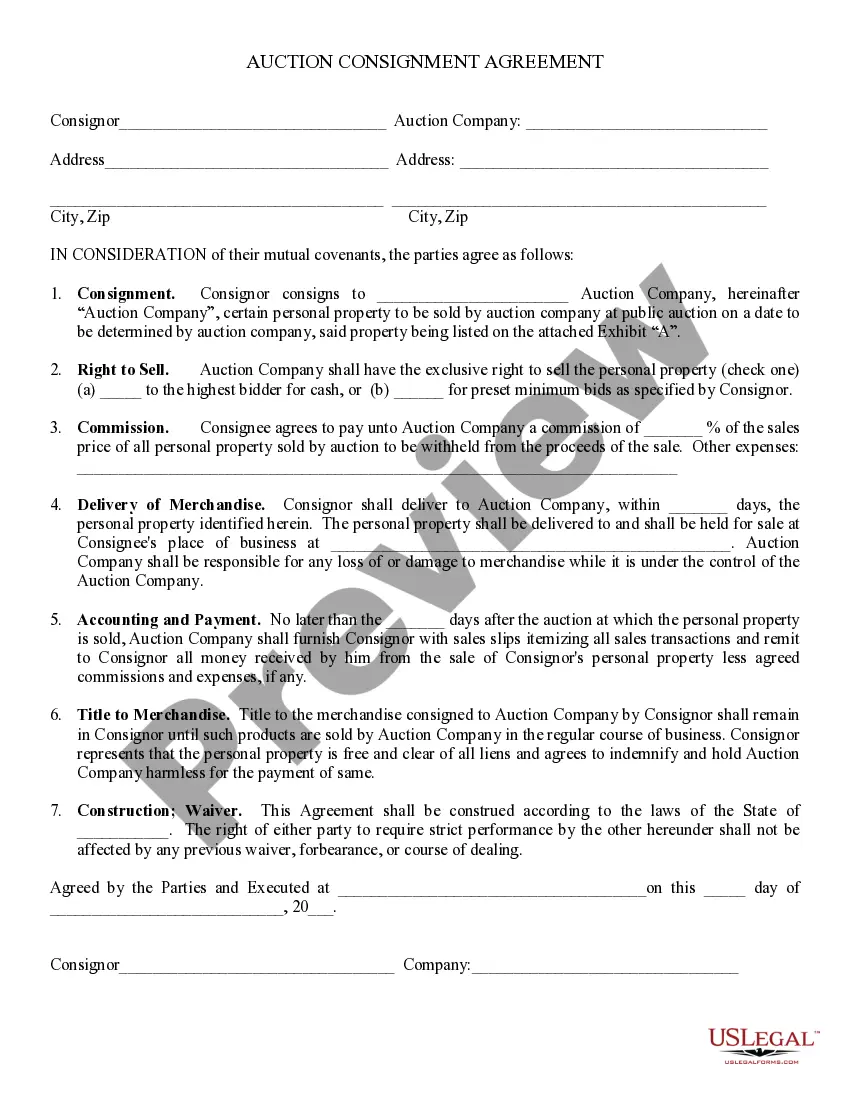
Get your form ready online
Our built-in tools help you complete, sign, share, and store your documents in one place.
Make edits, fill in missing information, and update formatting in US Legal Forms—just like you would in MS Word.
Download a copy, print it, send it by email, or mail it via USPS—whatever works best for your next step.
Sign and collect signatures with our SignNow integration. Send to multiple recipients, set reminders, and more. Go Premium to unlock E-Sign.
If this form requires notarization, complete it online through a secure video call—no need to meet a notary in person or wait for an appointment.
We protect your documents and personal data by following strict security and privacy standards.

Make edits, fill in missing information, and update formatting in US Legal Forms—just like you would in MS Word.

Download a copy, print it, send it by email, or mail it via USPS—whatever works best for your next step.

Sign and collect signatures with our SignNow integration. Send to multiple recipients, set reminders, and more. Go Premium to unlock E-Sign.

If this form requires notarization, complete it online through a secure video call—no need to meet a notary in person or wait for an appointment.

We protect your documents and personal data by following strict security and privacy standards.
Looking for another form?










Form popularity
FAQ
The SW 110 wastes are defined as wastes from the electrical and electronic assemblies containing components such as accumulators, mercury-switches, glass from cathode-ray tubes and other activated glass or polychlorinated biphenyl-capasitors, or contaminated with cadmium, mercury, lead, nickel, chromium, copper, ...
In order to dispose the scheduled waste, the waste generator should fill in and submit the disposal form to PTJ appointed officer. The appointed officer will then make an application to CMU for SW disposal. Download the disposal form here.
Following the amendment of the EQA in 1996 section 34B provides strict provisions which cover the control of exporting and importing scheduled waste, which include a penalty of RM500,000.00 or 5 years imprisonment or both for the illegal trafficking of scheduled wastes.
Electronic Scheduled Waste Information Systems (eSWIS)
In Malaysia, there are a total of 77 types of scheduled waste listed under the First Schedule, Environmental Quality (Scheduled Waste) Regulations 2005, and the management of such waste shall be in ance with the provisions under the above Regulations.
In order to dispose the scheduled waste, the waste generator should fill in and submit the disposal form to PTJ appointed officer. The appointed officer will then make an application to CMU for SW disposal. Download the disposal form here.
The Malaysian Solid Waste and Public Cleansing Management Act No. 672 of 2007 aims to establish regulations and guidelines for the management of controlled solid waste and public cleansing. Its primary objective is to ensure adequate sanitation and address related matters as necessary.
ESWIS is an online portal which allows users to file any scheduled waste consignment and inventory details, review of submitted consignment note for transfer and receiving, in an efficient and secure environment.
ESWIS is an online portal which allows users to file any scheduled waste consignment and inventory details, review of submitted consignment note for transfer and receiving, in an efficient and secure environment.
Sustainable waste management means reducing and avoiding the amount of single-use plastic products along with increasing the amount recycled at the same time, which currently stands at just 8.5%.
