Consignment Note For Fridges In King
Description

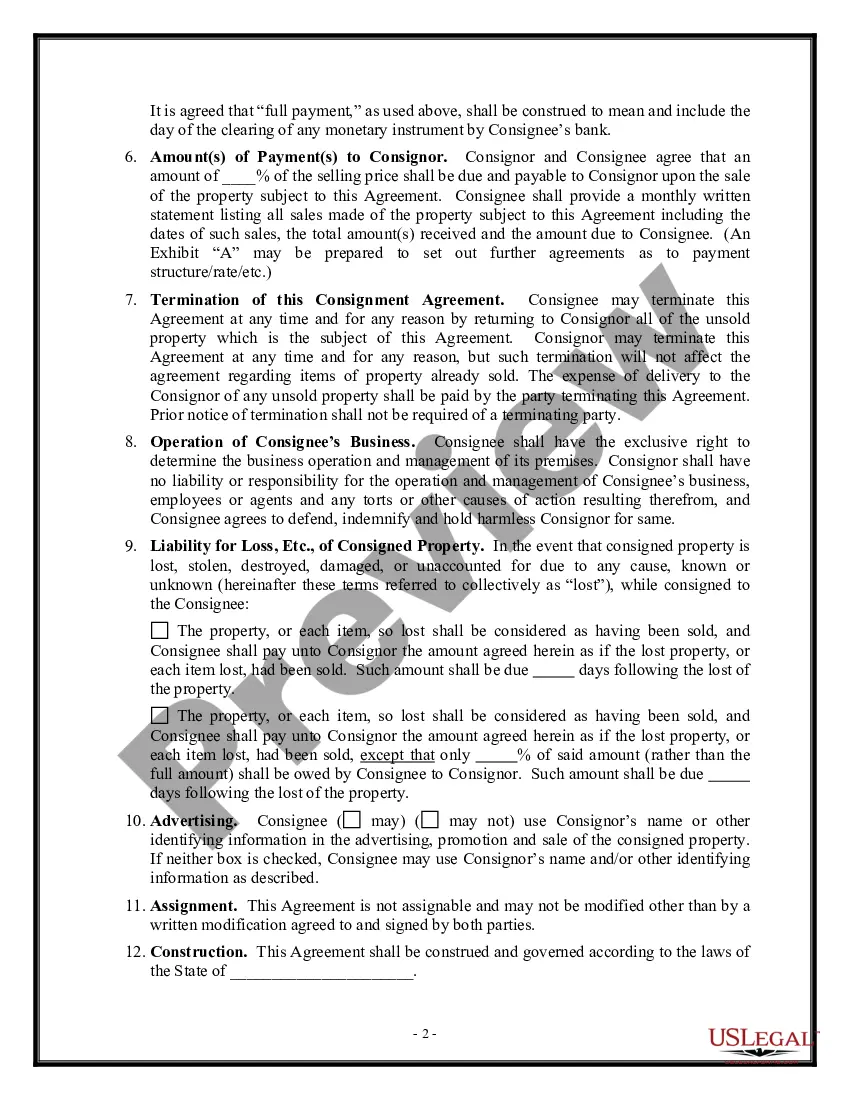
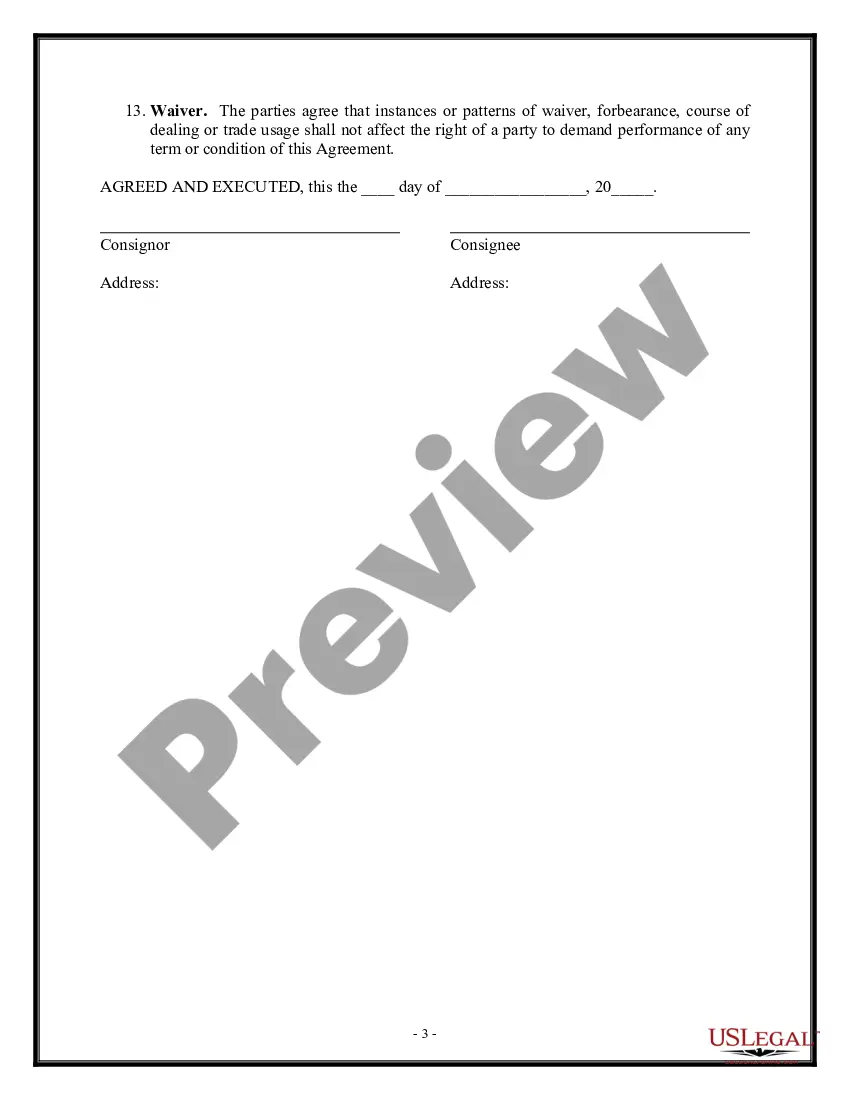
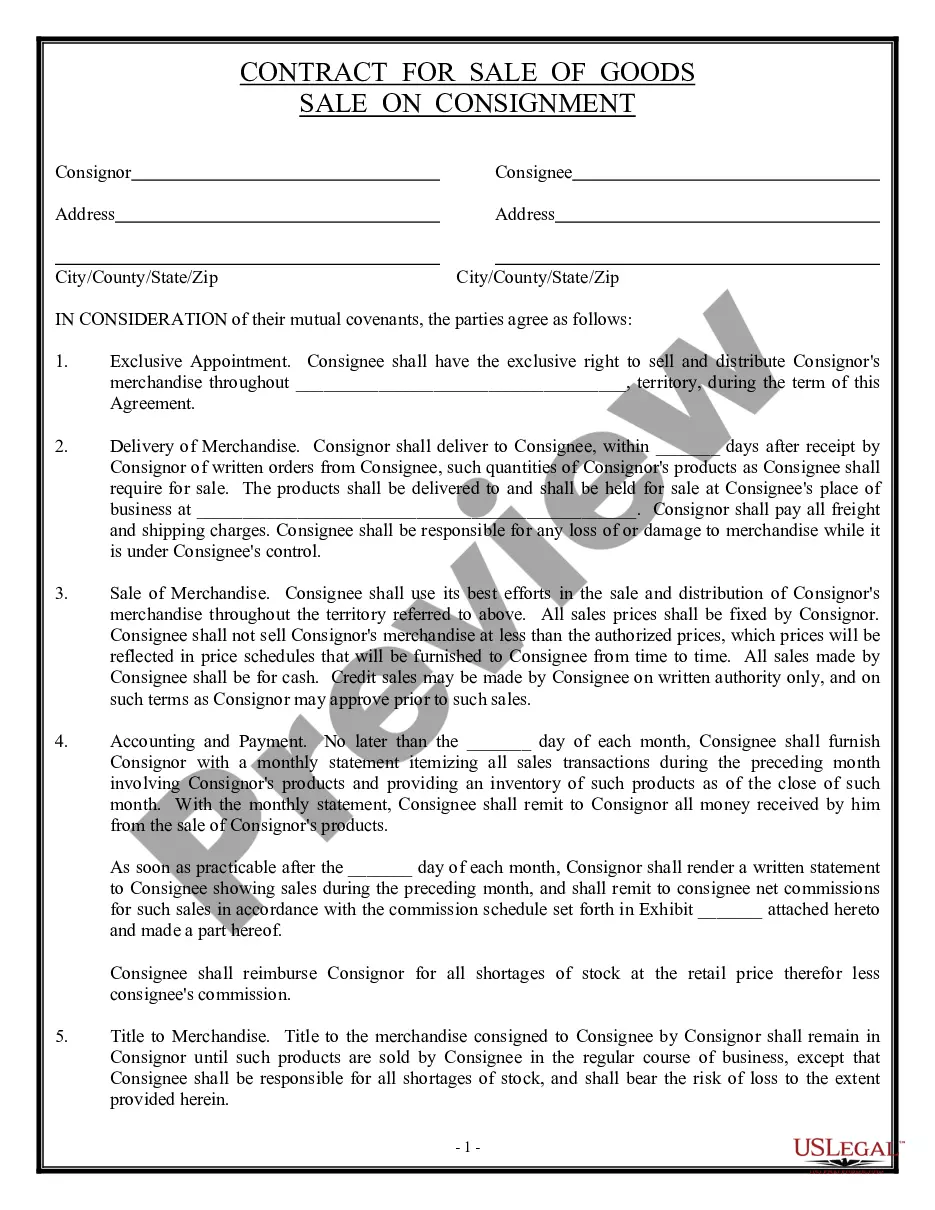
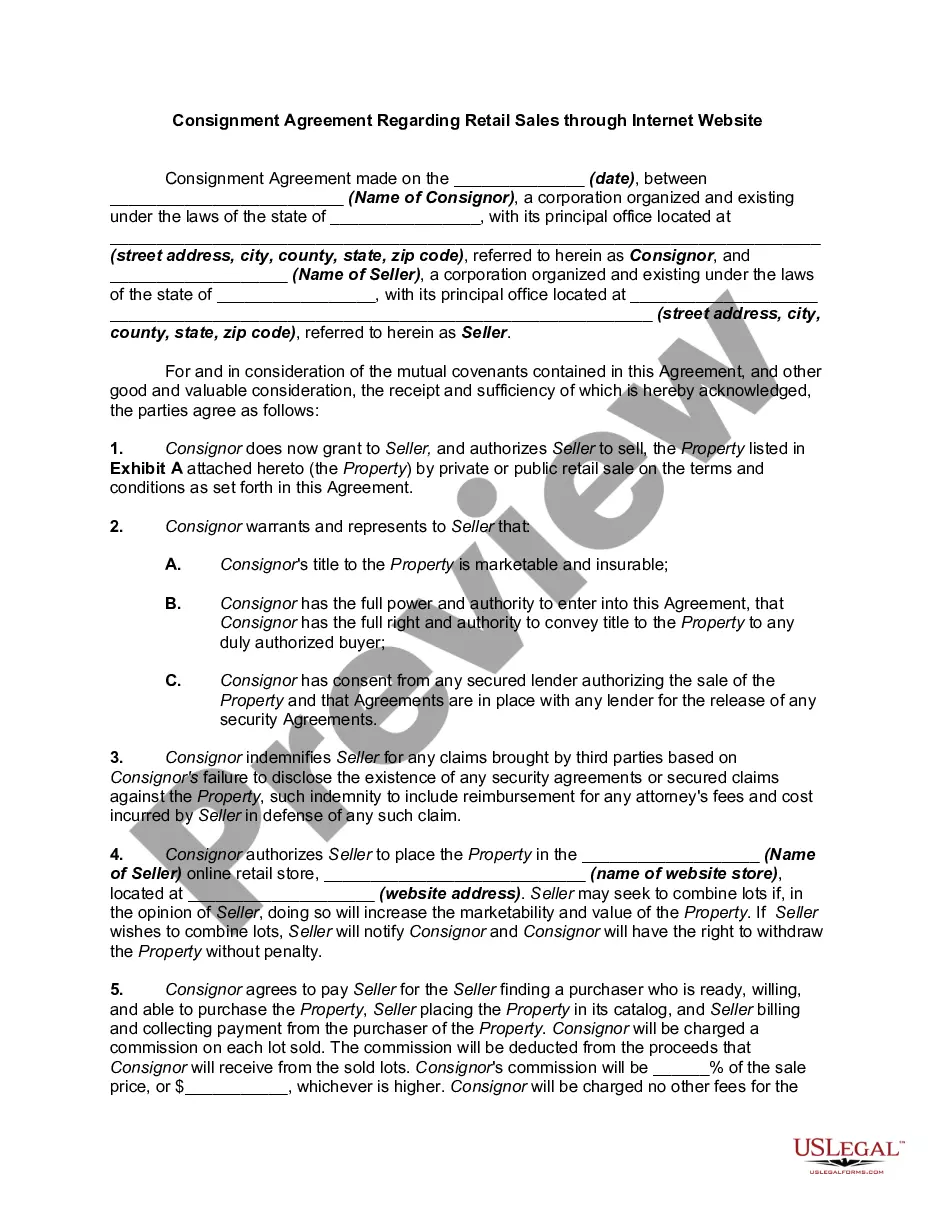
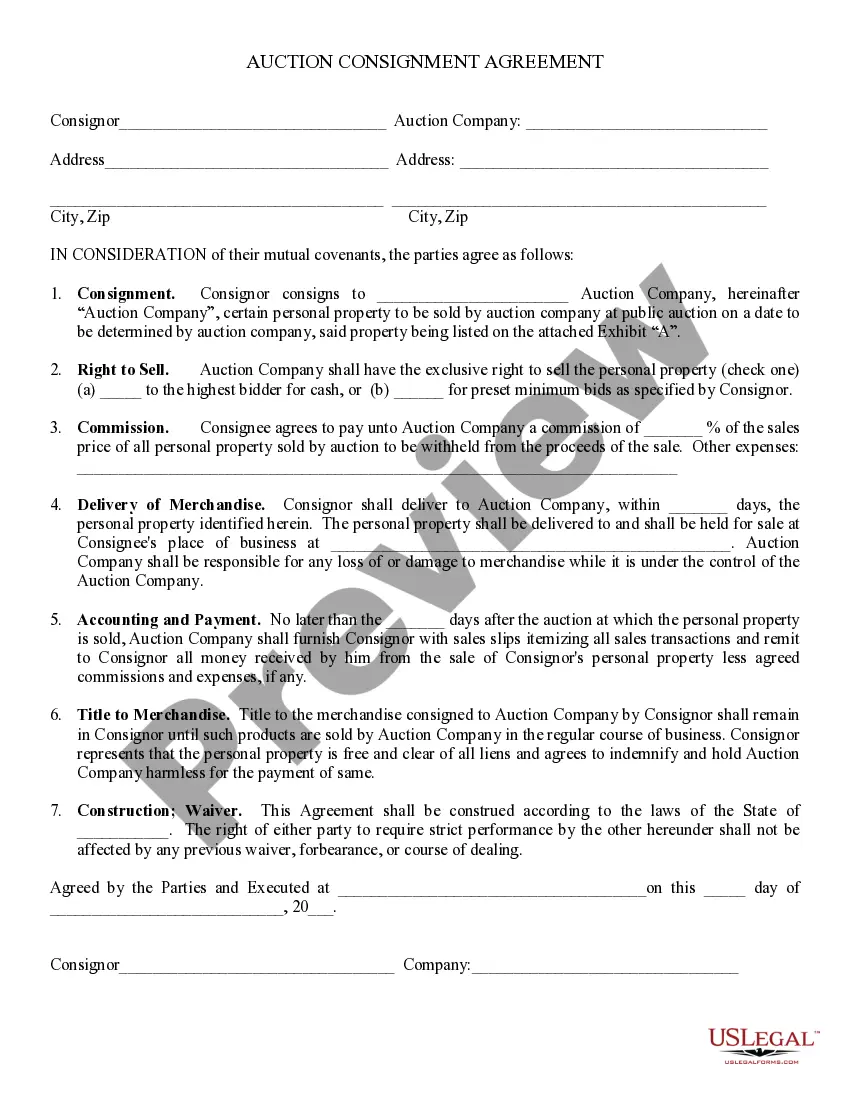
Get your form ready online
Our built-in tools help you complete, sign, share, and store your documents in one place.
Make edits, fill in missing information, and update formatting in US Legal Forms—just like you would in MS Word.
Download a copy, print it, send it by email, or mail it via USPS—whatever works best for your next step.
Sign and collect signatures with our SignNow integration. Send to multiple recipients, set reminders, and more. Go Premium to unlock E-Sign.
If this form requires notarization, complete it online through a secure video call—no need to meet a notary in person or wait for an appointment.
We protect your documents and personal data by following strict security and privacy standards.

Make edits, fill in missing information, and update formatting in US Legal Forms—just like you would in MS Word.

Download a copy, print it, send it by email, or mail it via USPS—whatever works best for your next step.

Sign and collect signatures with our SignNow integration. Send to multiple recipients, set reminders, and more. Go Premium to unlock E-Sign.

If this form requires notarization, complete it online through a secure video call—no need to meet a notary in person or wait for an appointment.

We protect your documents and personal data by following strict security and privacy standards.
Looking for another form?
Form popularity
FAQ
What is a Consignee? The recipient of the goods being shipped or transported. This person takes ownership of the goods once they have cleared customs and is generally the one responsible for import duties and taxes.
Document accompanying goods that is filled by the shipper. It serves as proof that a contract for carriage has been concluded and describes its content. It also serves as a receipt when goods are picked up from the shipper and delivered to the recipient.
Ideal for documenting the disposal of hazardous waste such as asbestos, liquid waste, chemicals, pesticides, batteries, car oil. This Environment Agency style hazardous waste consignment note book is in triplicate providing a copy for the waste producer, carrier and consignee.
These notes clarify the procedures for consigning special (hazardous) wastes and also, for certain types of waste, their potential hazardous properties and how they are classified in the EWC.
The consignee is the recipient of goods in a transaction, and their role extends far beyond merely receiving a shipment. From overseeing the delivery process to fulfilling legal and financial obligations, the consignee ensures that the goods reach their final destination smoothly and compliantly.
Consignee returns are reports on any hazardous waste received, treated or disposed of by a business (the 'consignee').
Who is the consignee? A consignee in shipping is listed on the bill of lading (BOL). This person or entity is the shipment receiver and generally the owner of the shipped goods. Unless there are other instructions, the consignee is the entity or person legally required to be present to accept the shipment.
In international trade, documentation is key to ensure that shipments comply with all regulations and reach their destination safely and smoothly. Among these documents, the consignment note plays an essential role, as it acts as a contract of carriage and guarantees the safety of the goods during transport.
A “Consignment Note”, also referred to as a loading list, is a critical document in freight forwarding and logistics. This document is issued by the consignor and contains all essential details of the goods being shipped to the consignee. It serves as proof of receipt when signed by the inland carrier.
It serves as proof that a contract for carriage has been concluded and describes its content. It also serves as a receipt when goods are picked up from the shipper and delivered to the recipient.
