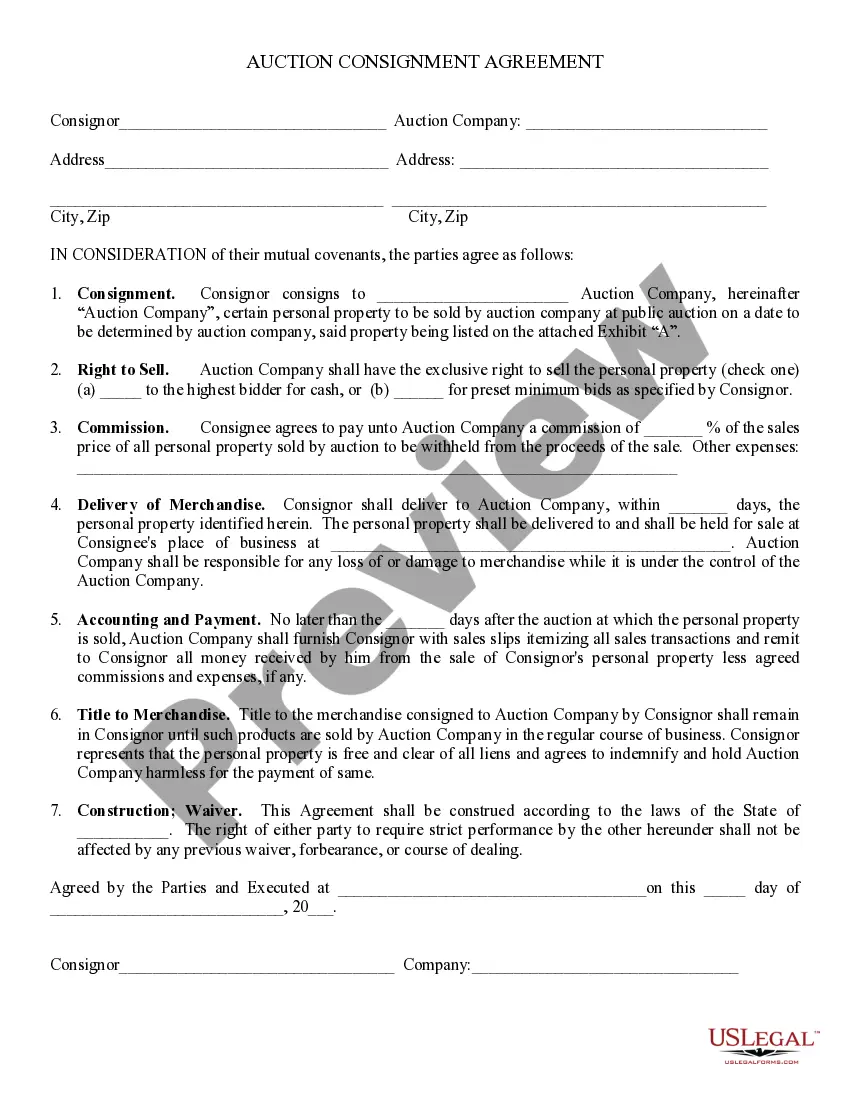
Consignment Contract Sample With Revenue Sharing In Fairfax
Description

Get your form ready online
Our built-in tools help you complete, sign, share, and store your documents in one place.
Make edits, fill in missing information, and update formatting in US Legal Forms—just like you would in MS Word.
Download a copy, print it, send it by email, or mail it via USPS—whatever works best for your next step.
Sign and collect signatures with our SignNow integration. Send to multiple recipients, set reminders, and more. Go Premium to unlock E-Sign.
If this form requires notarization, complete it online through a secure video call—no need to meet a notary in person or wait for an appointment.
We protect your documents and personal data by following strict security and privacy standards.

Make edits, fill in missing information, and update formatting in US Legal Forms—just like you would in MS Word.

Download a copy, print it, send it by email, or mail it via USPS—whatever works best for your next step.

Sign and collect signatures with our SignNow integration. Send to multiple recipients, set reminders, and more. Go Premium to unlock E-Sign.

If this form requires notarization, complete it online through a secure video call—no need to meet a notary in person or wait for an appointment.

We protect your documents and personal data by following strict security and privacy standards.
Looking for another form?
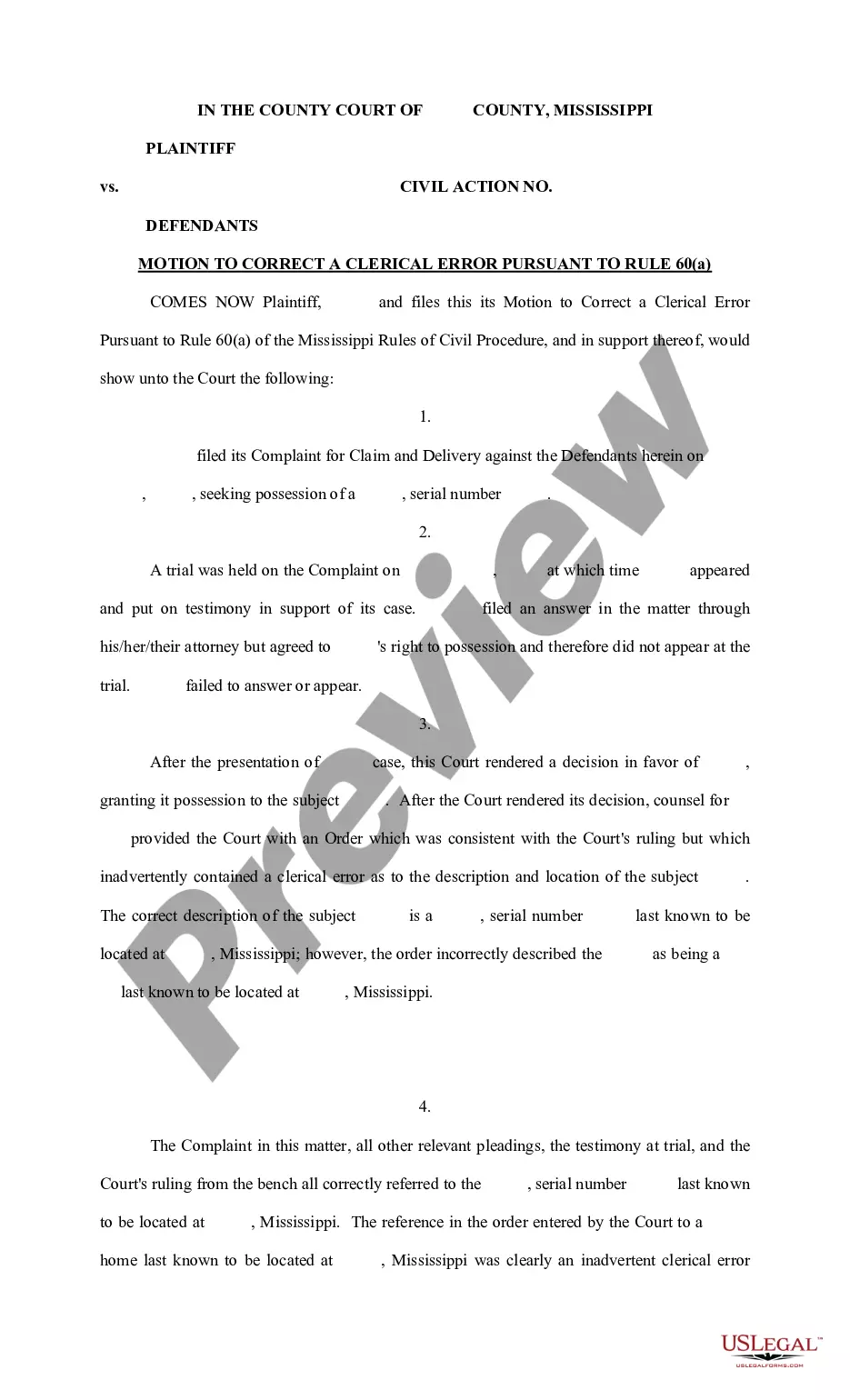



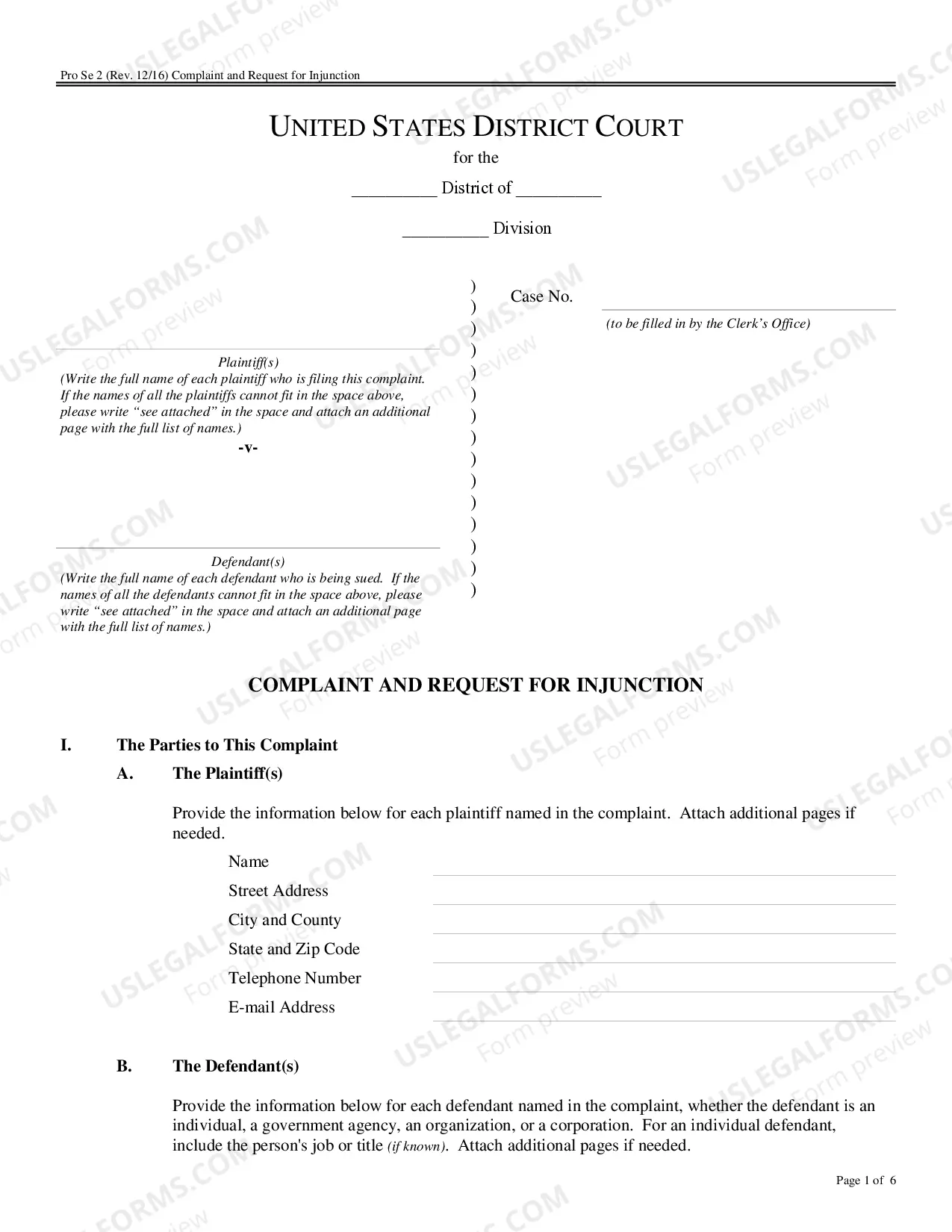

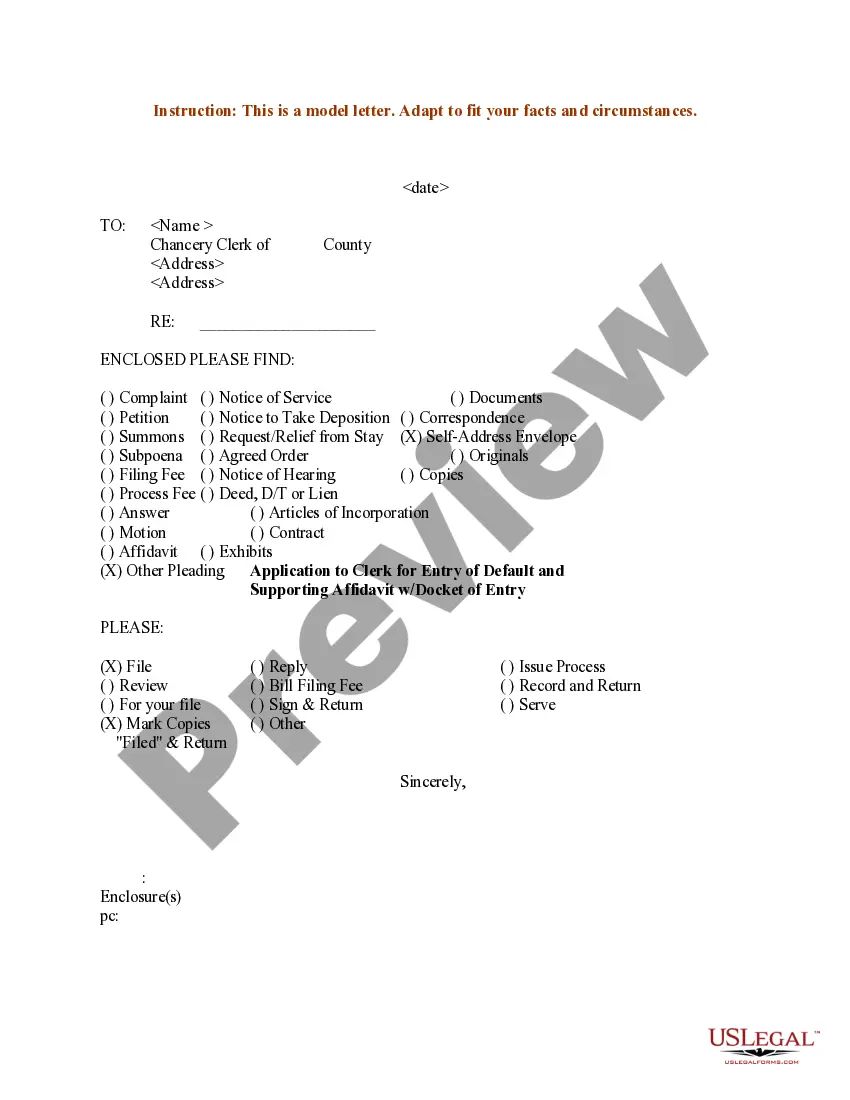


Form popularity
FAQ
Section 4-7.2-1. (B) Gross receipts do not include revenues that are attributable to taxable business activity conducted in another jurisdiction within the Commonwealth of Virginia and the volume attributable to that business activity is deductible pursuant to Code of Virginia Sections 58.1-3708 and 58.1-3709.
Section 82-5-7 of the Fairfax County Code prohibits parking of commercial vehicles in residential districts.
All businesses operating in the City of Fairfax must apply for an annual license with the Commissioner of the Revenue. Business license taxes are levied annually and are typically based on a business's gross receipts.
Unrestricted dogs prohibited; leash law. No dog shall run unrestricted, as defined in Section 41.1-1-1, in the County. Any person who is the owner of a dog found unrestricted in the County shall be in violation of this Section.
Section 82-4-24. - Operator to give full time and attention to driving. No person shall operate a motor vehicle upon the highways of this County without giving his full time and attention to the operation of the vehicle. (3-13-63; 1961 Code, § 16-85.)
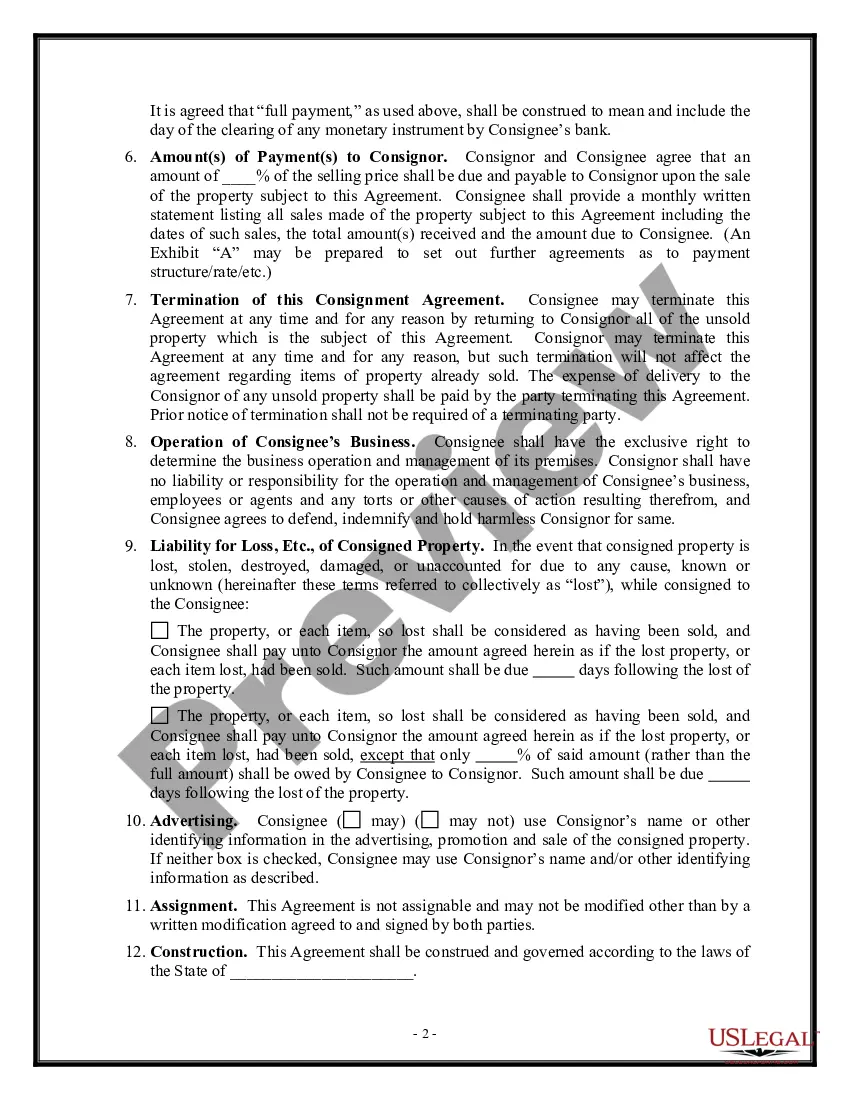
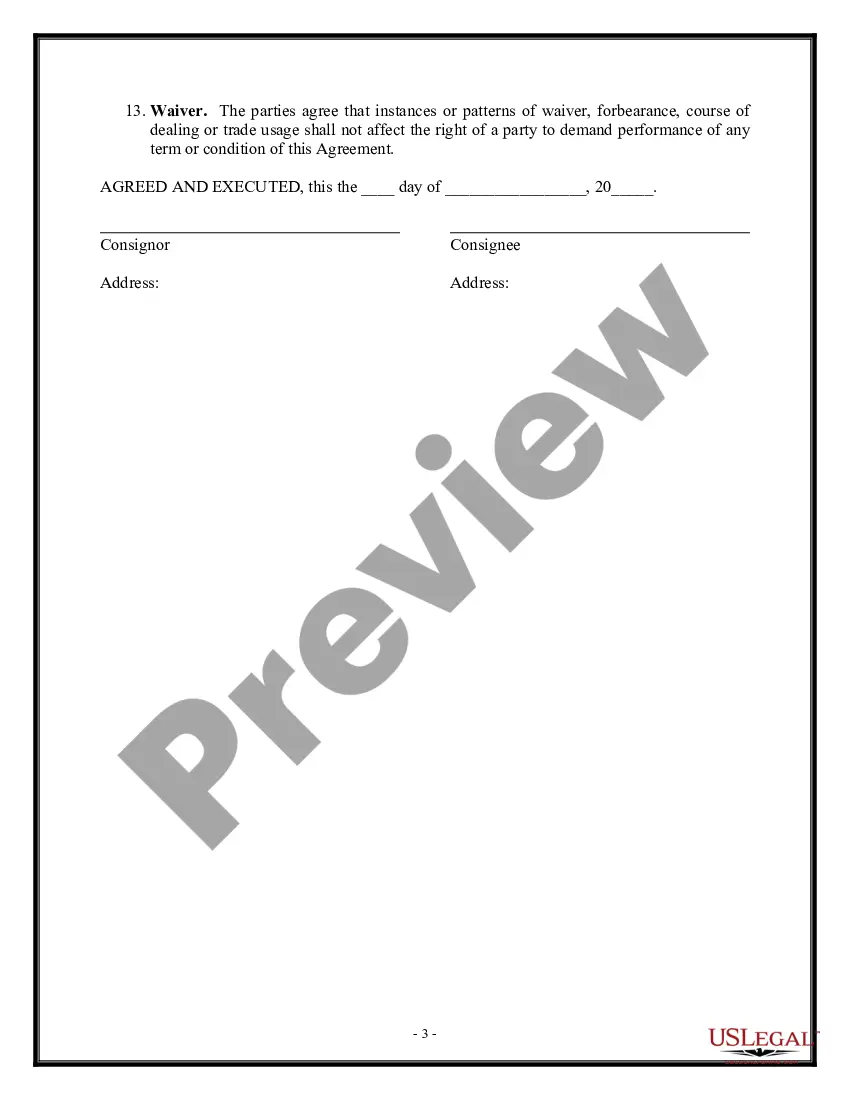
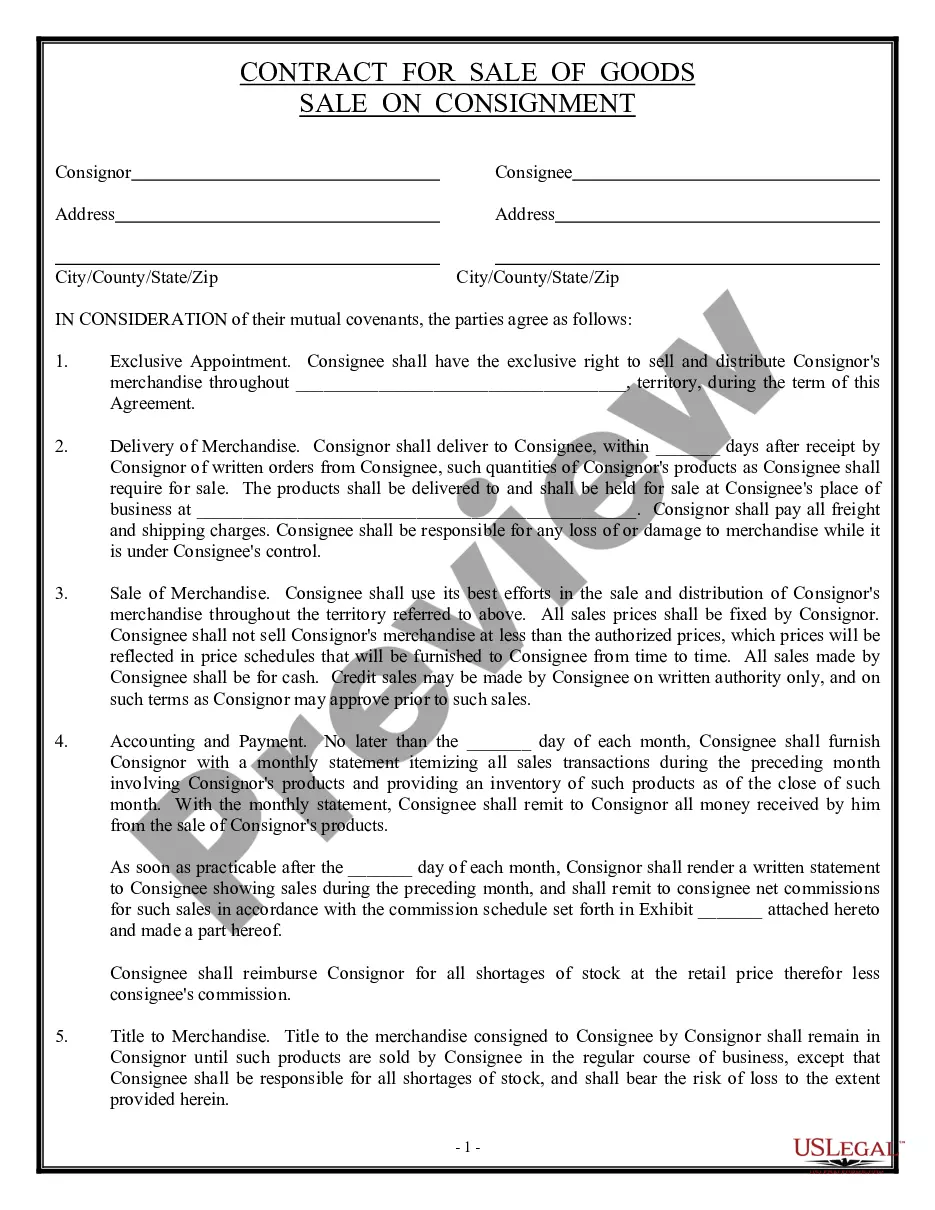
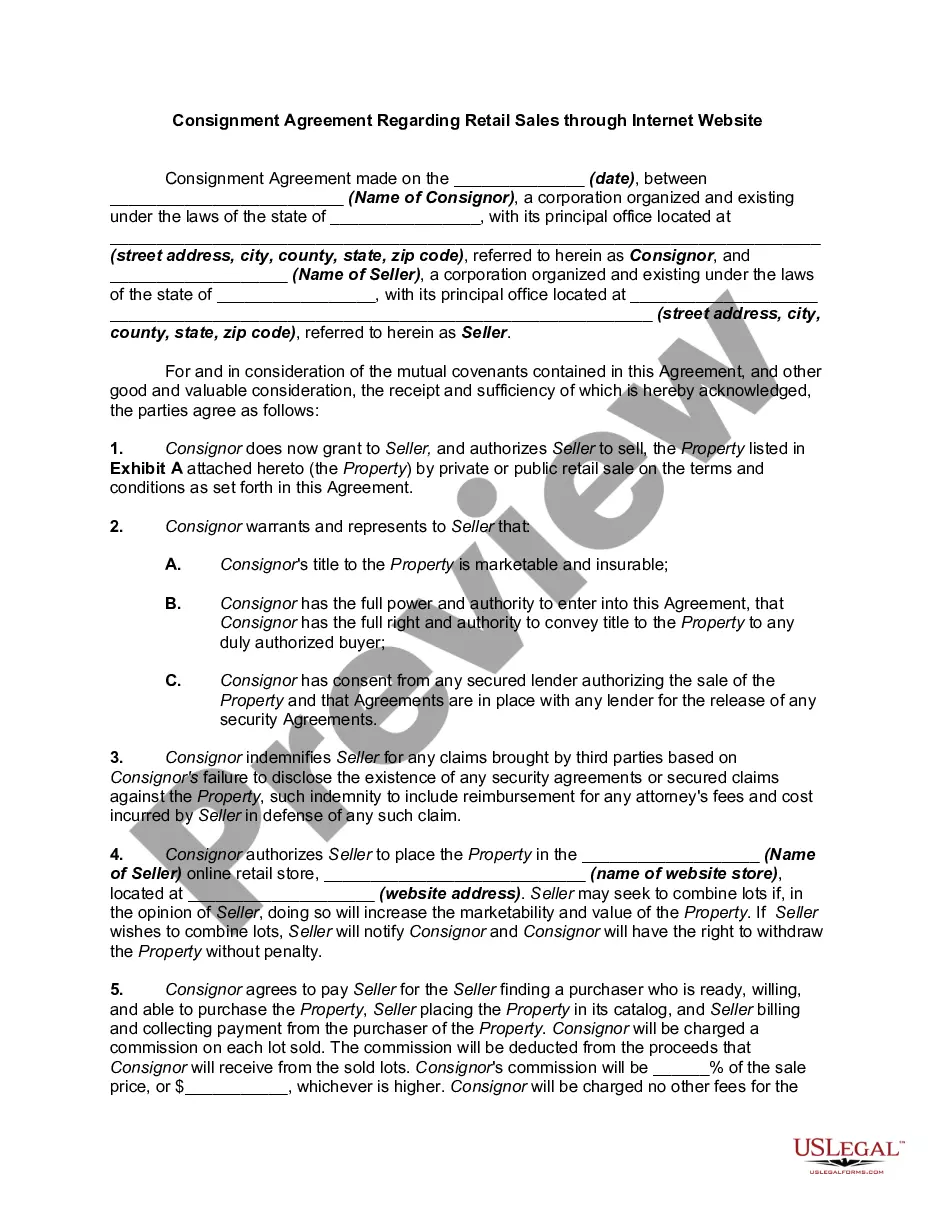
The one who delegates their products to be sold by the retailer is the consignor. The person who is entrusted with the responsibility of selling the products is the consignee and the products do not belong to them. The merchandise belongs to the consignor until it is sold.
Since we know the importance of consignment, it is currently vital to comprehend that there are two parties to a consignment exchange: Principal or Consignor: This is the party that sends the merchandise. He is the genuine proprietor of the merchandise. Agent or Consignee: This is the party that gets the merchandise.
A: A consignment agreement is a contract between two parties (a consignor and a consignee) that governs the relationship between those parties when goods are transferred.
How to Write a Consignment Agreement Parties Involved: Names and contact information of the consignor and the consignee. Consigned Goods: Detailed description of the goods being consigned, including quantities and specifications. Consignment Period: Duration of the consignment arrangement.
