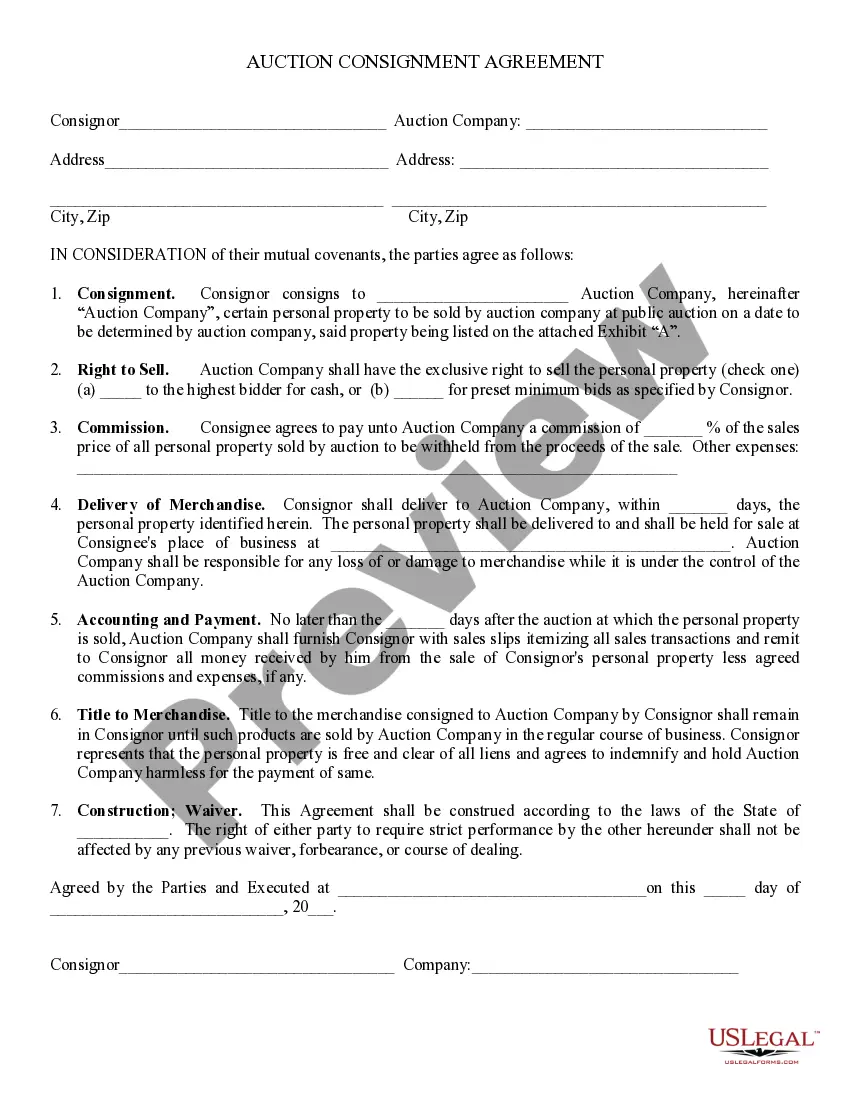
Consignment Note Format In Clark
Description

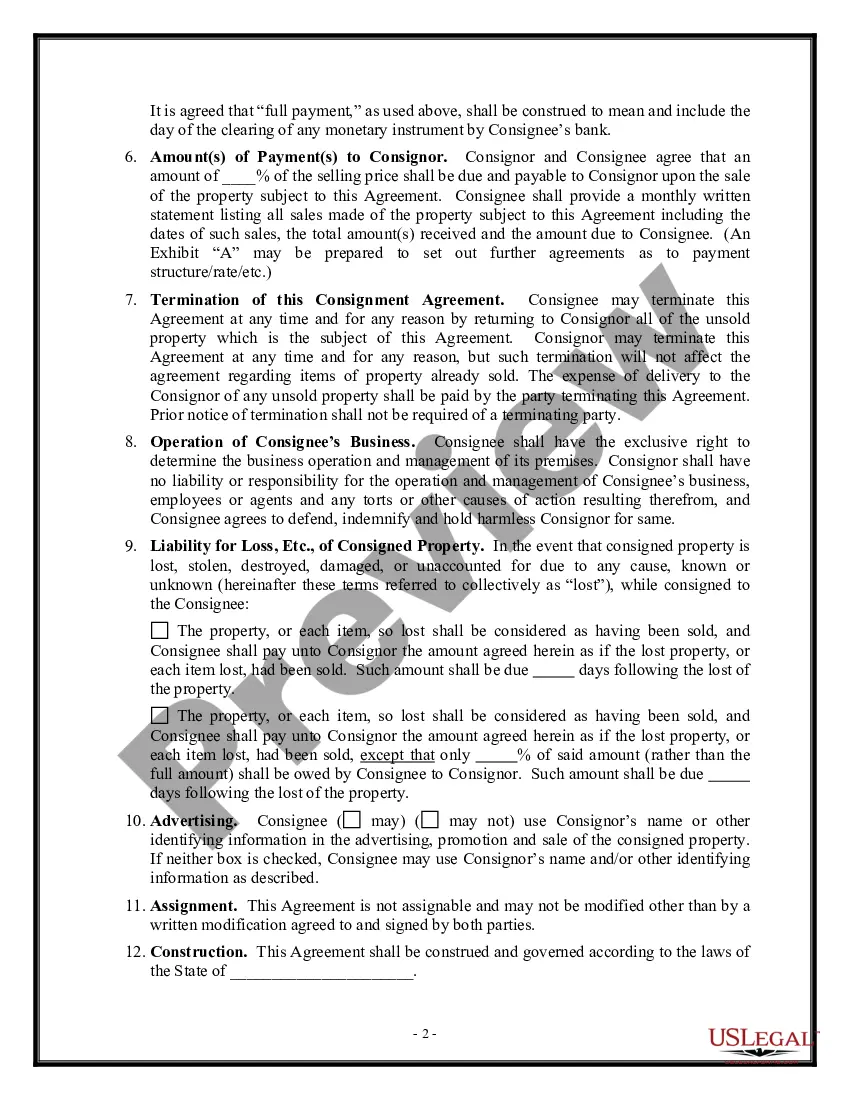
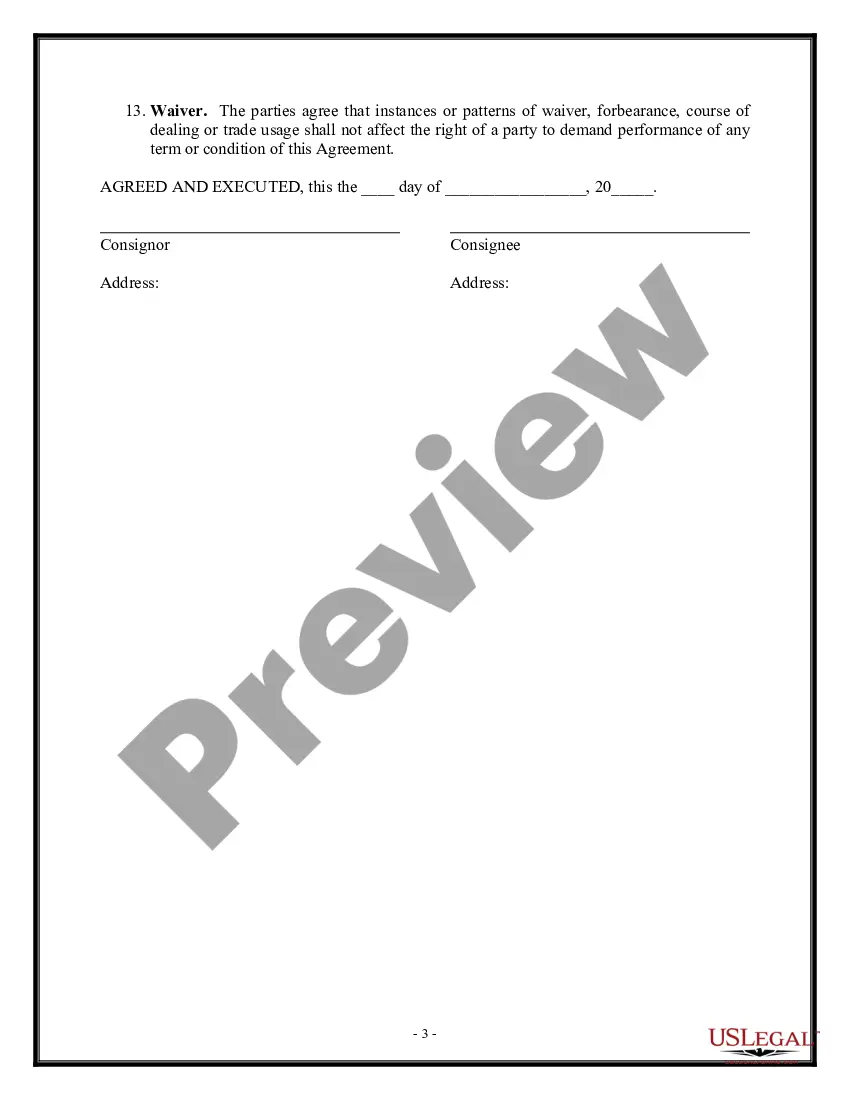
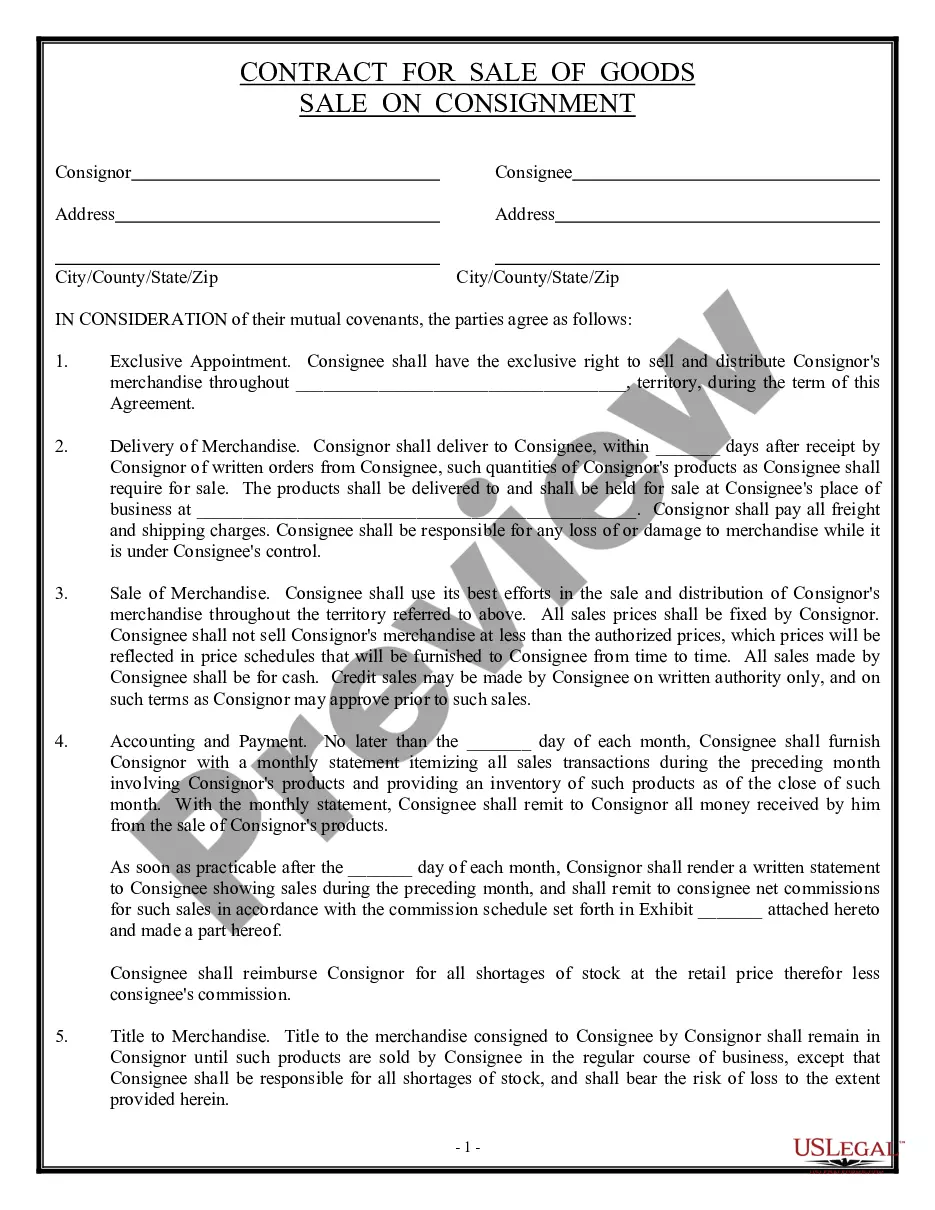
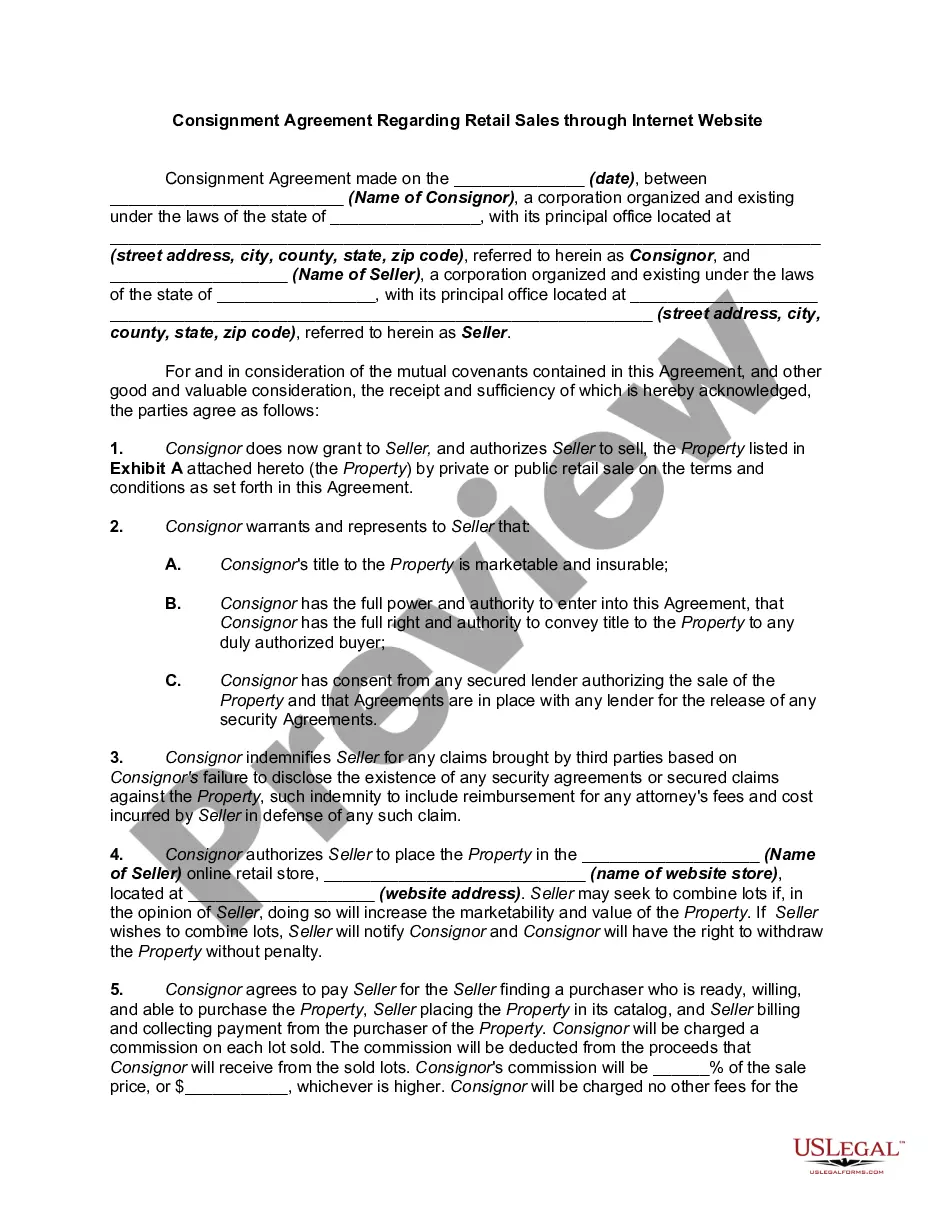
Get your form ready online
Our built-in tools help you complete, sign, share, and store your documents in one place.
Make edits, fill in missing information, and update formatting in US Legal Forms—just like you would in MS Word.
Download a copy, print it, send it by email, or mail it via USPS—whatever works best for your next step.
Sign and collect signatures with our SignNow integration. Send to multiple recipients, set reminders, and more. Go Premium to unlock E-Sign.
If this form requires notarization, complete it online through a secure video call—no need to meet a notary in person or wait for an appointment.
We protect your documents and personal data by following strict security and privacy standards.

Make edits, fill in missing information, and update formatting in US Legal Forms—just like you would in MS Word.

Download a copy, print it, send it by email, or mail it via USPS—whatever works best for your next step.

Sign and collect signatures with our SignNow integration. Send to multiple recipients, set reminders, and more. Go Premium to unlock E-Sign.

If this form requires notarization, complete it online through a secure video call—no need to meet a notary in person or wait for an appointment.

We protect your documents and personal data by following strict security and privacy standards.
Looking for another form?
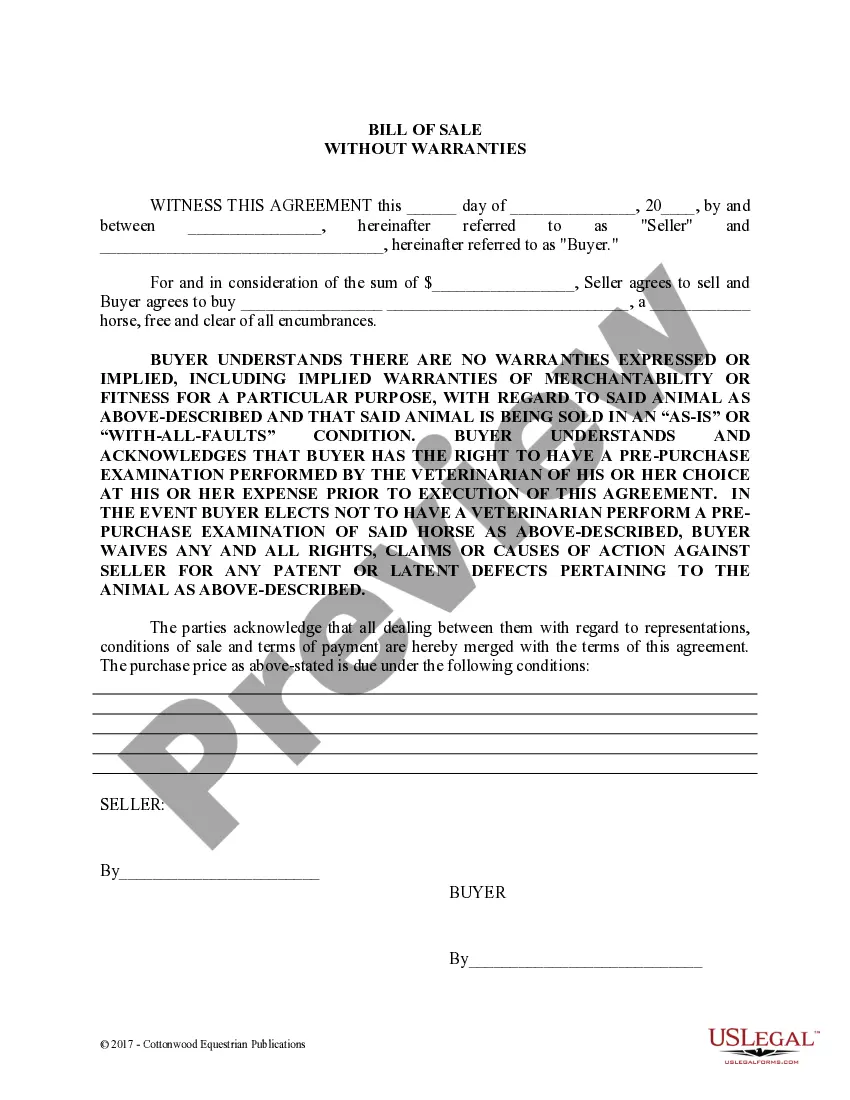
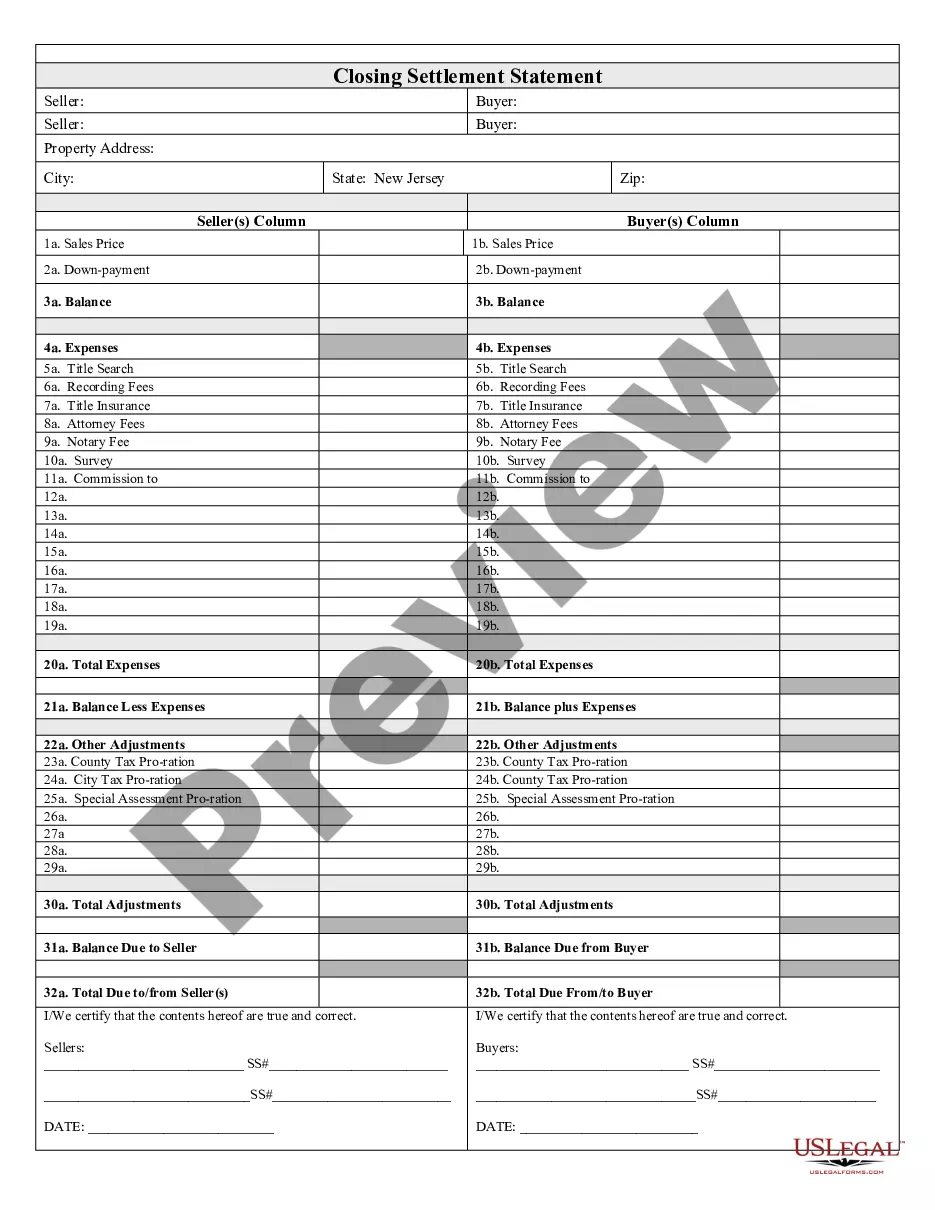
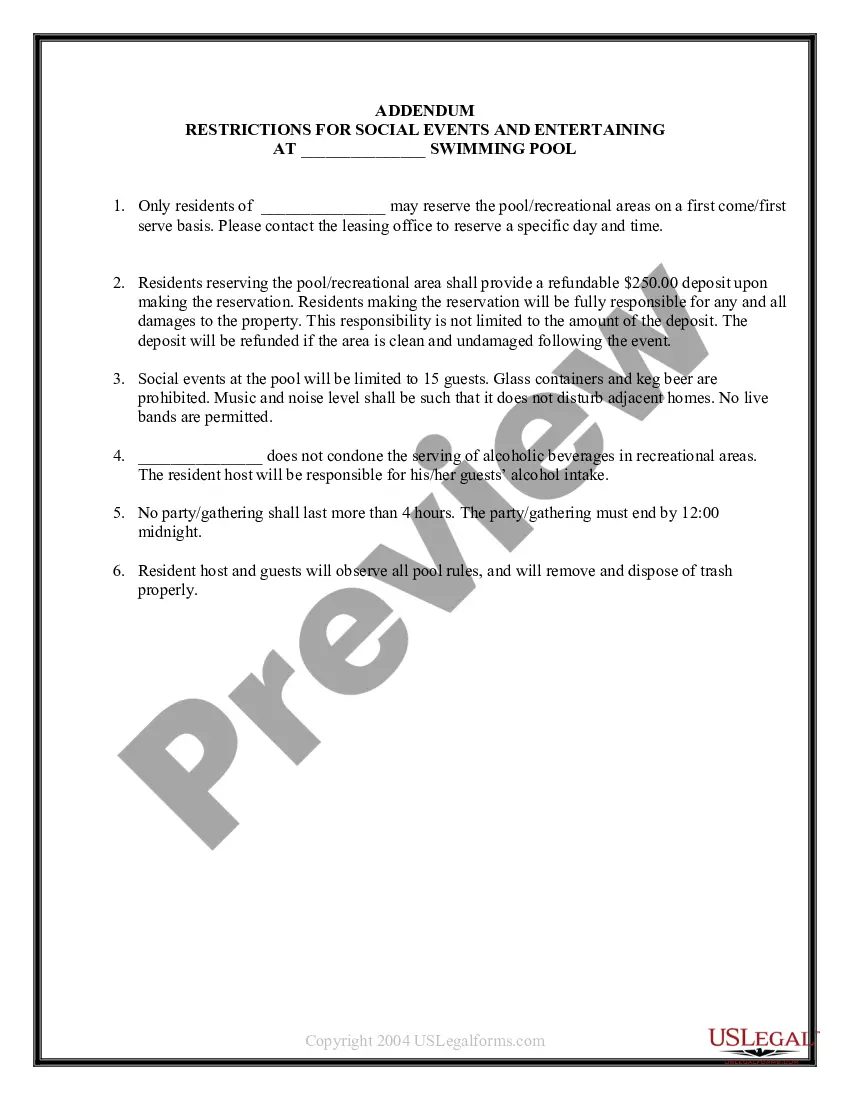
Form popularity
FAQ
The main documents you need for customs clearance are the commercial invoice and the air waybill. You may need additional documents depending on the origin, destination and commodity of the shipment, these include: Certificate of origin. Export/Import license/permit.
The consignment note acts as a legal contract between the shipper, the carrier and the consignee, setting out the terms and conditions of carriage. This includes details on the type of goods, the place of pickup and delivery, and any special instructions for the shipment.
Upon delivery, the recipient signs the CMR note, providing confirmation of receipt. A CMR note includes the names and addresses of both the sender and receiver, as well as details about the goods, such as their weight. Moreover, it clarifies who is responsible for insuring the goods during transit.
In addition, the consignment note records the transport and freight costs, the date and place of acceptance, as well as the planned date and place of delivery. It also provides information (name, address) about the sender, recipient and carrier, as well as other agreements, notes, and conditions.
It gives the names and addresses of both consignor and consignee, details the goods, usually gives their gross weight, and states who has responsibility for insuring them while in transit.
The name and address of the sender. The name and address of the carrier. The place and the date of taking over of the goods and the place designated for delivery. The contact details of the consignee.
“Customs Clearance Completed” means that a shipment has successfully passed through the customs inspection process in a specific country. This involves verifying that the goods comply with all applicable regulations, including payment of duties and taxes, and ensuring that the required documentation is in order.
How to fill out a consignment note Sender's and recipient's data. Description of the goods. Conditions of transport. Details of the cargo and its packaging. Value of goods and insurance. Signature and date of issue. Additional information (when necessary)
The format for the consignment note code must be '/YYYYY. The: '' is the first 6 letters or numbers (not symbols or spaces) of the name of the company entered in part A2 of the consignment note and must be followed by '/' 'YYYYY' is exactly 5 numbers or letters (not symbols or spaces) you choose.
