Consignment Form For Cars In California
Description

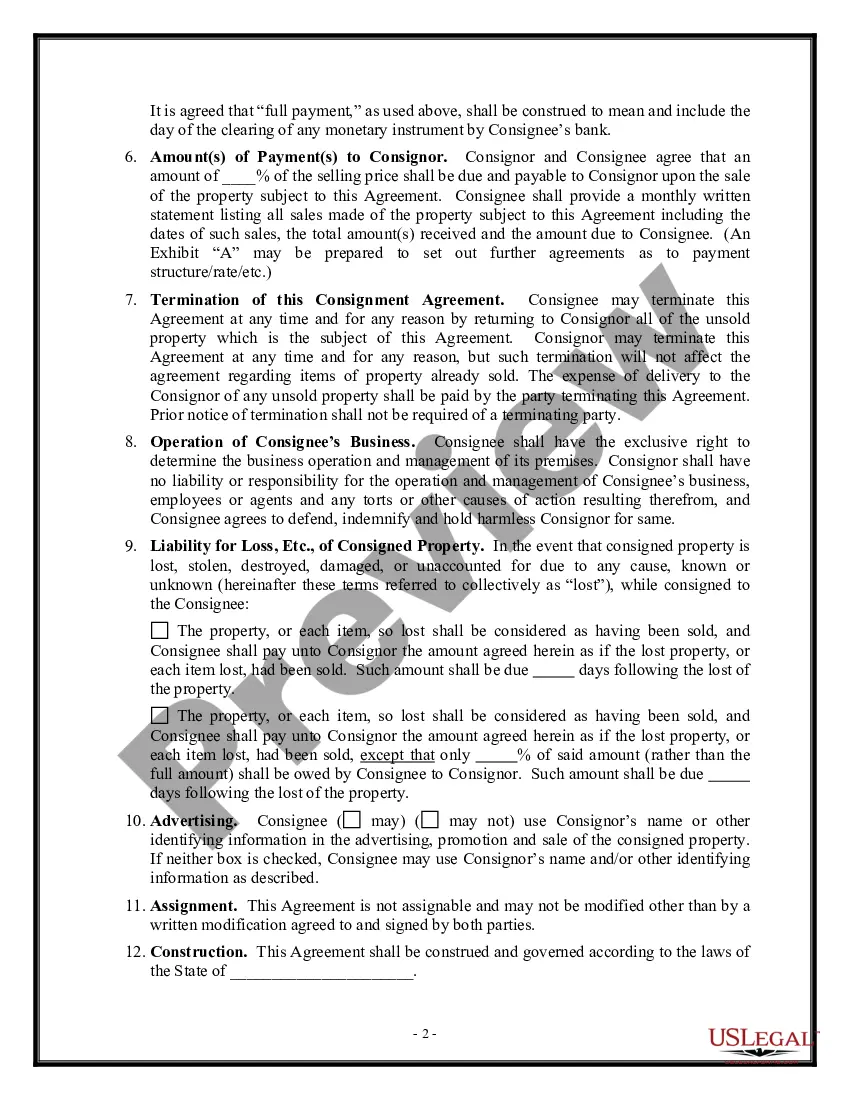
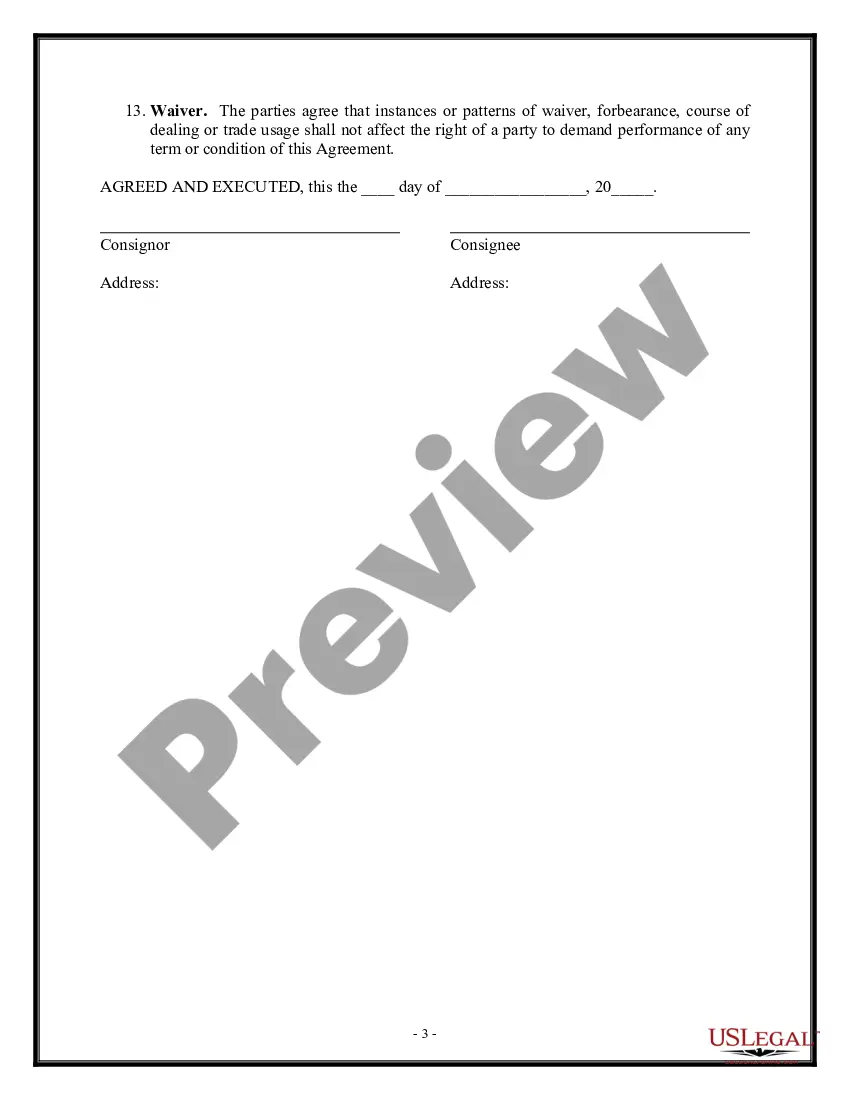
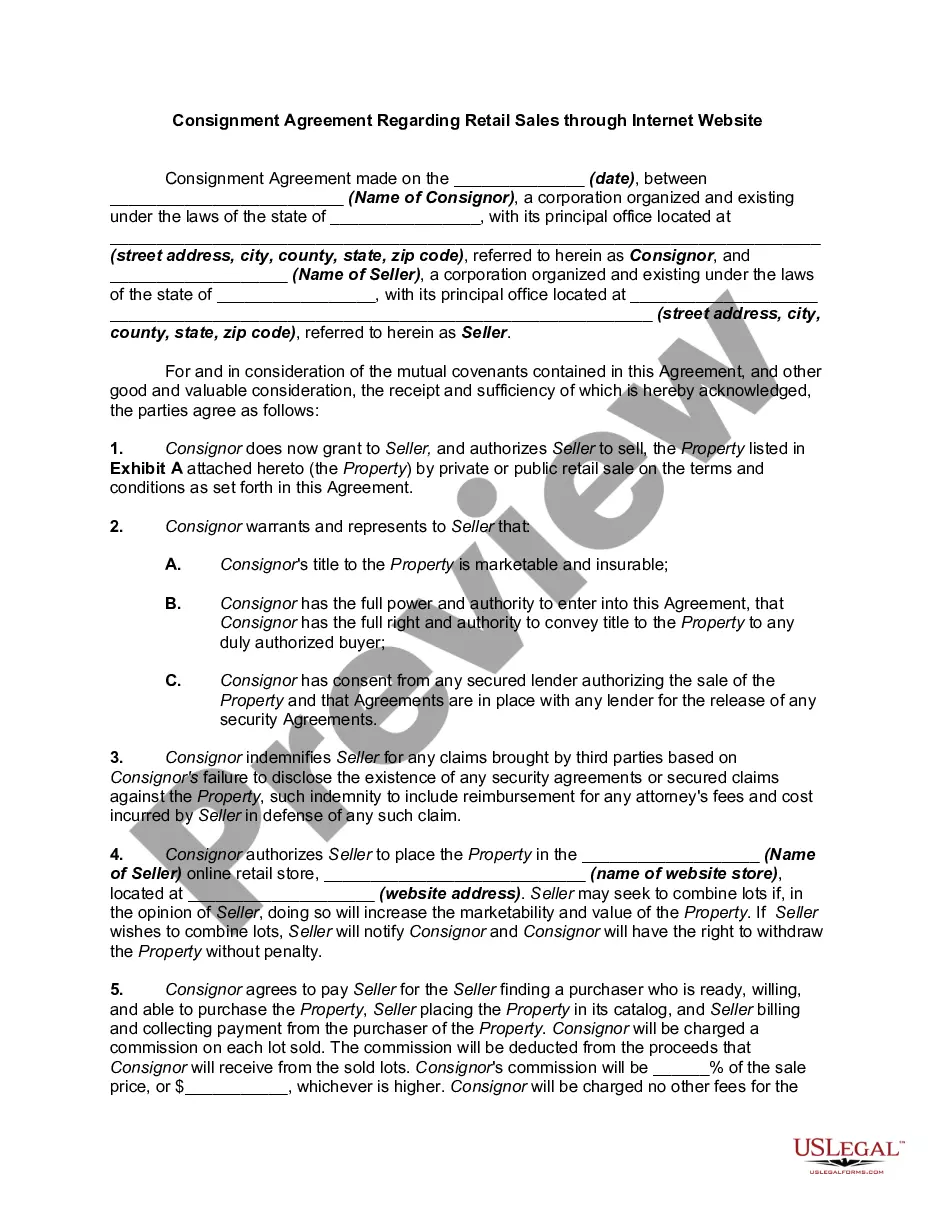
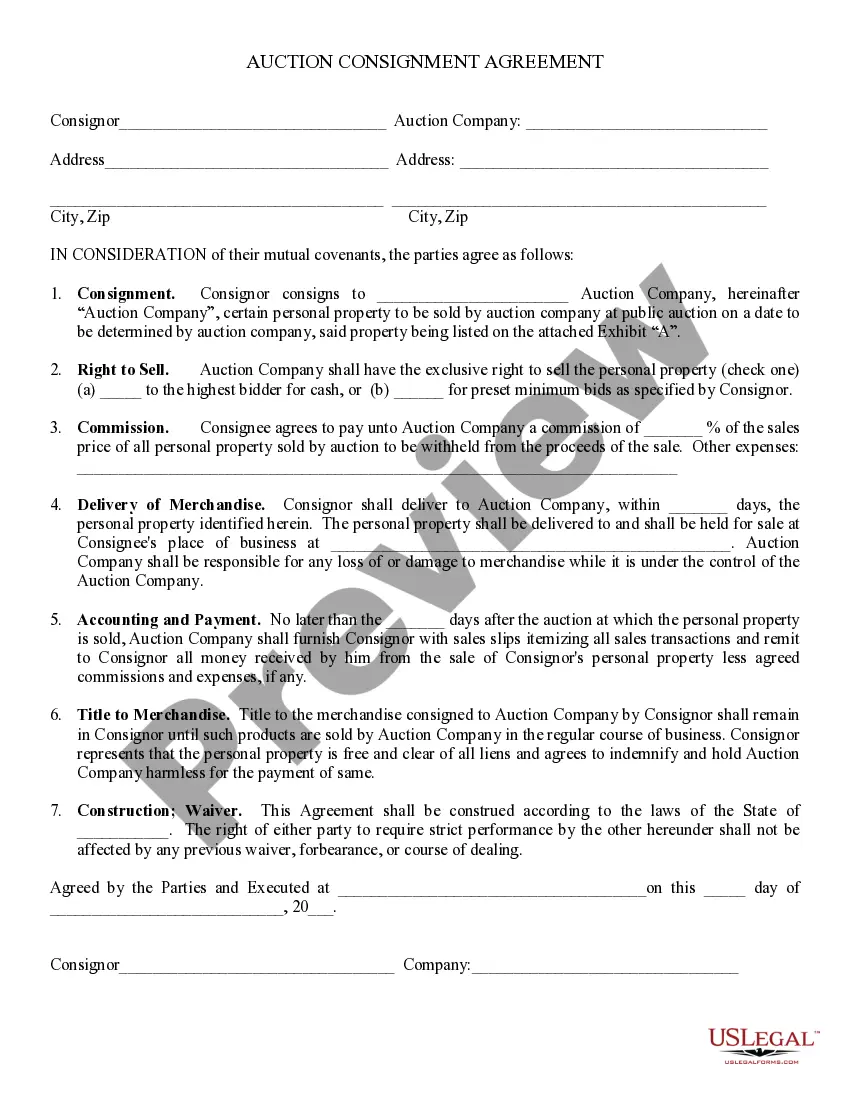
Get your form ready online
Our built-in tools help you complete, sign, share, and store your documents in one place.
Make edits, fill in missing information, and update formatting in US Legal Forms—just like you would in MS Word.
Download a copy, print it, send it by email, or mail it via USPS—whatever works best for your next step.
Sign and collect signatures with our SignNow integration. Send to multiple recipients, set reminders, and more. Go Premium to unlock E-Sign.
If this form requires notarization, complete it online through a secure video call—no need to meet a notary in person or wait for an appointment.
We protect your documents and personal data by following strict security and privacy standards.

Make edits, fill in missing information, and update formatting in US Legal Forms—just like you would in MS Word.

Download a copy, print it, send it by email, or mail it via USPS—whatever works best for your next step.

Sign and collect signatures with our SignNow integration. Send to multiple recipients, set reminders, and more. Go Premium to unlock E-Sign.

If this form requires notarization, complete it online through a secure video call—no need to meet a notary in person or wait for an appointment.

We protect your documents and personal data by following strict security and privacy standards.
Looking for another form?

Form popularity
FAQ
In California, the general rule is that license plates stay with the vehicle. So, when you sell your car, the plates should usually remain with it. This is different from some other states where the plates stay with the seller. But remember, there are exceptions.
If you have imported your vehicle directly from another country (a direct import), you need to register the vehicle with DMV. To register your imported vehicle, you'll need: An out-of-state title (or other proof of ownership). Evidence that the vehicle has cleared customs.
You can complete a Notice of Transfer and Release of Liability (REG 138) and mail it to the address on the form. For your protection, you should make a photocopy of the completed REG 138 for your file.
You'll need to: Fill out the official Department of Motor Vehicles (DMV) transfer forms. Get a smog certification. Submit transfer forms. Complete the California certificate of title. Get an odometer reading. Collect any valid warranties or as-is documents. Collect all maintenance records.
You can complete a Notice of Transfer and Release of Liability (REG 138) and mail it to the address on the form. For your protection, you should make a photocopy of the completed REG 138 for your file.
To file an entry with CBP for your vehicle, you must demonstrate that you are the owner and that it conforms to the U.S. Emissions and Safety Standards. You must submit proof of ownership, such as a certificate of title, bill of sale, or manufacturer statement of origin, to a CBP officer at the port of entry.
Yes can register a vehicle in California without having a California driver's license, but there are some important points to consider: 1. If you're a new California resident, you're required to register your vehicle within 20 days of establishing residency.
The State of California does not recognize international driver licenses but will accept your home country driver license if it is translated into English. The DMV requires you to present your passport, I-20, I-94 record, and proof of your local address in the United States when you apply.
Selling Your Car? Here is All the Paperwork You Will Need (California Edition) California Certificate of Title. Vehicle/Vessel Transfer and Reassignment Form (REG 262) Notice of Release of Liability (REG 138) Statement of Facts (REG 256) Application for Title or Registration REG 343.
The vehicle reenters California after being registered or titled out of state for one year or more and is being registered in the same owner's name(s) and has 7,500 or more odometer miles at the time of reentry.