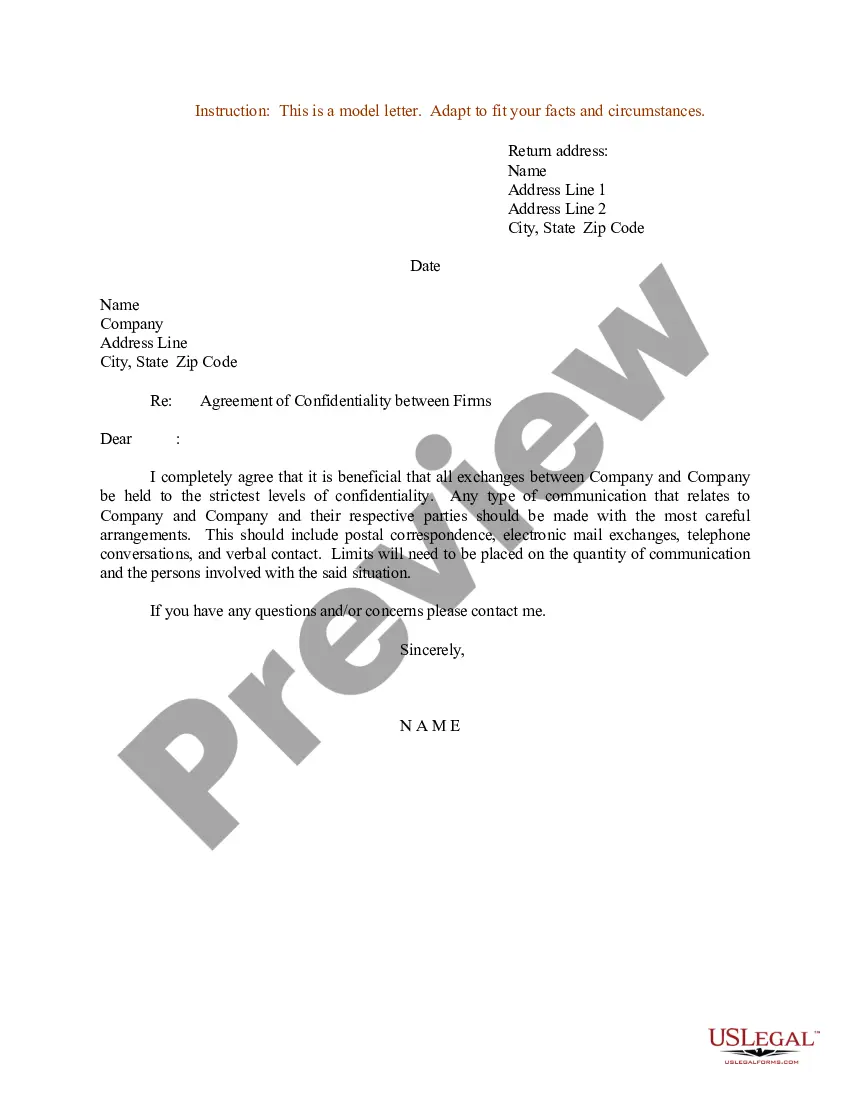
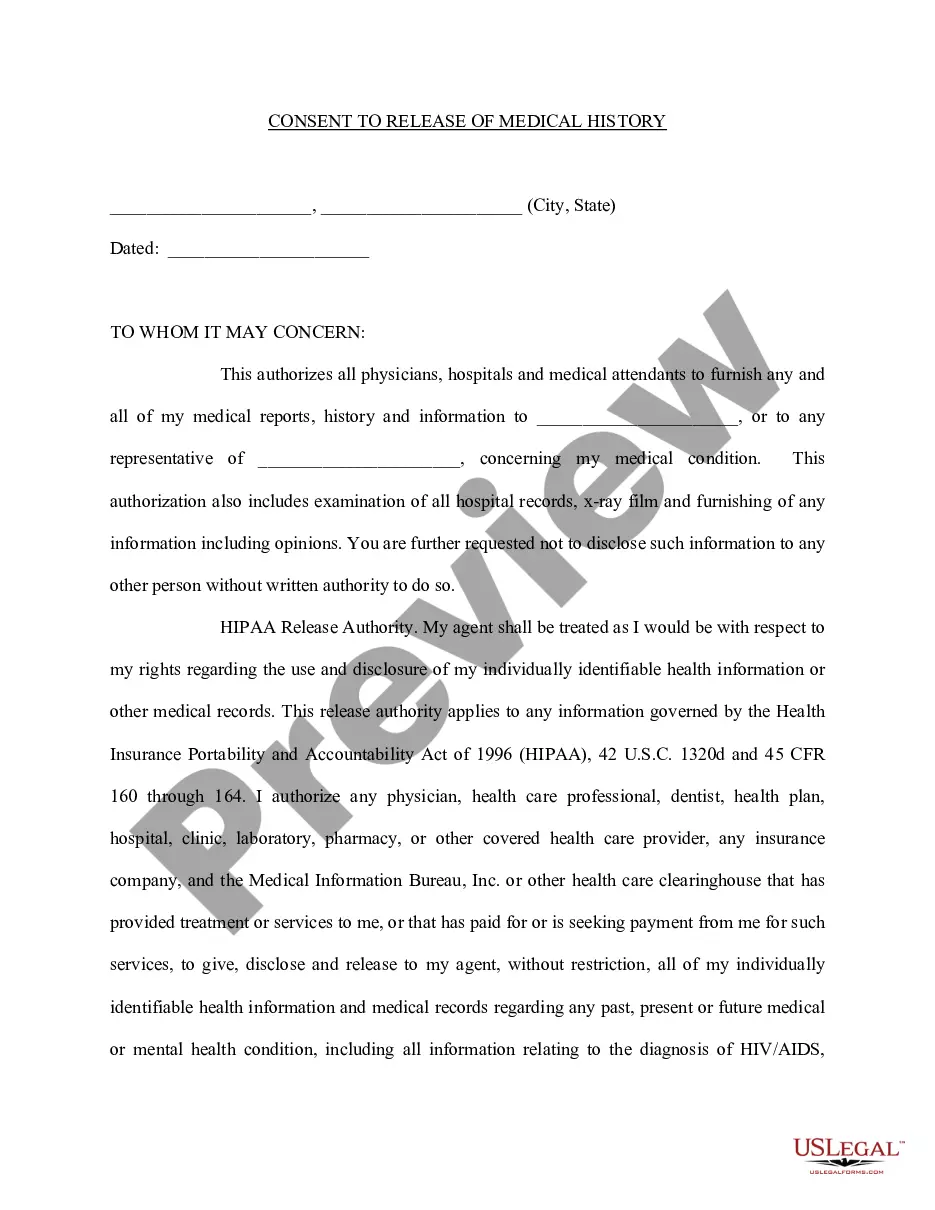
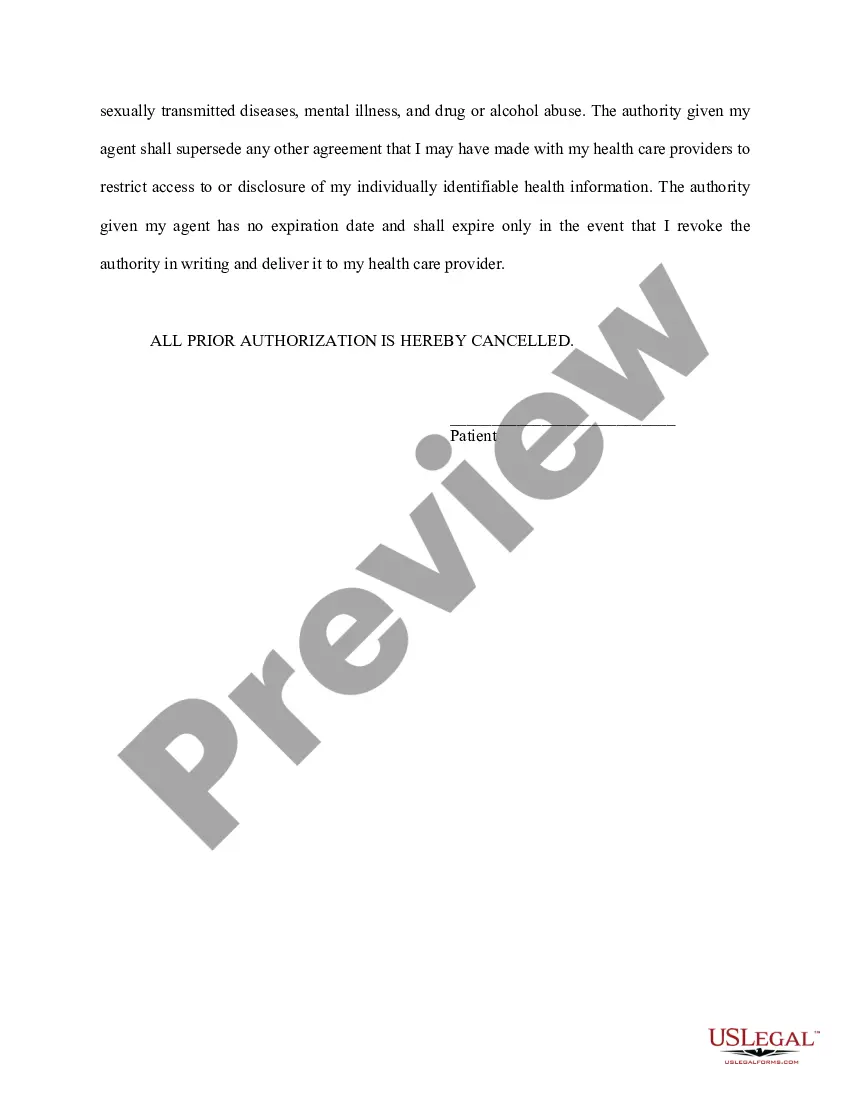
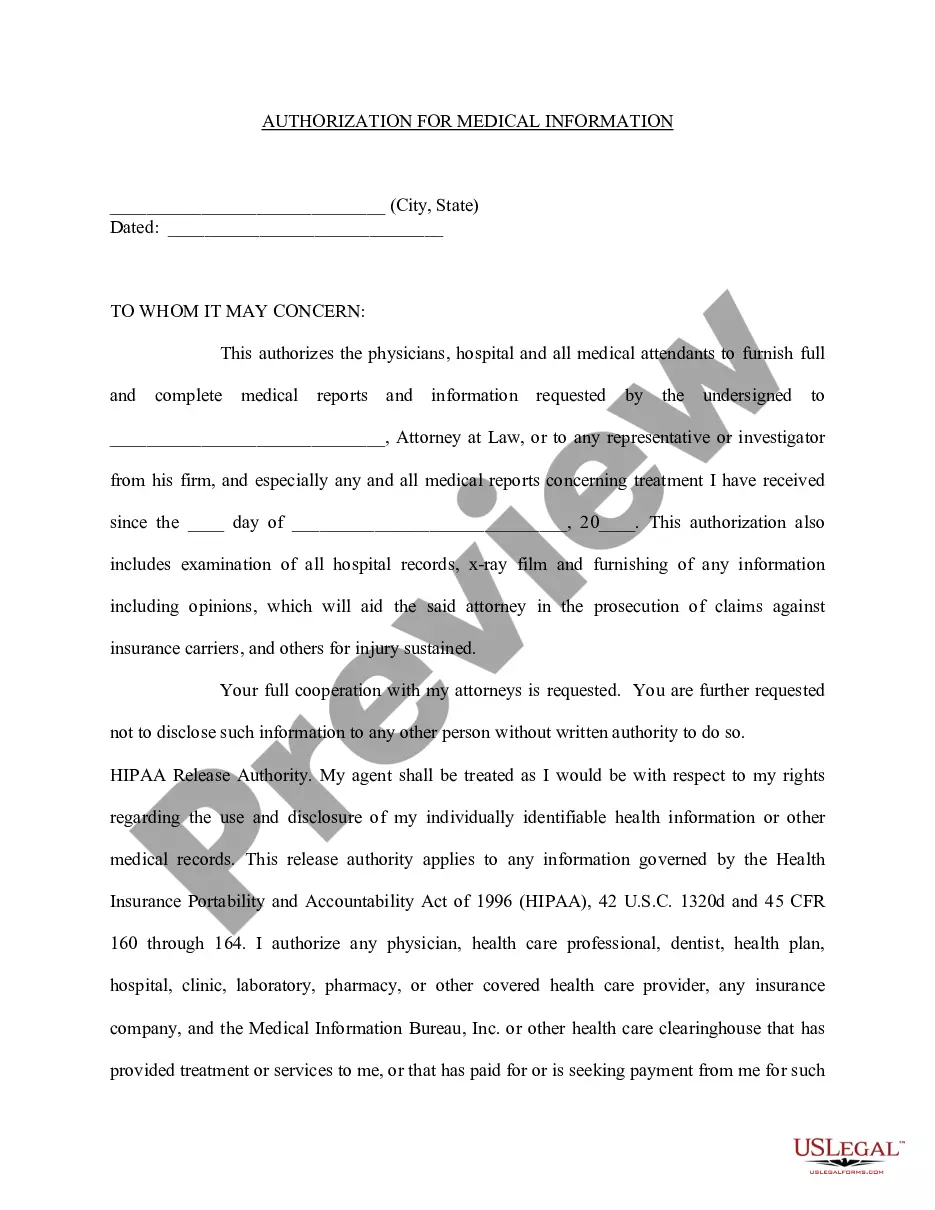
Consent Release Form With Notary In New York
Description

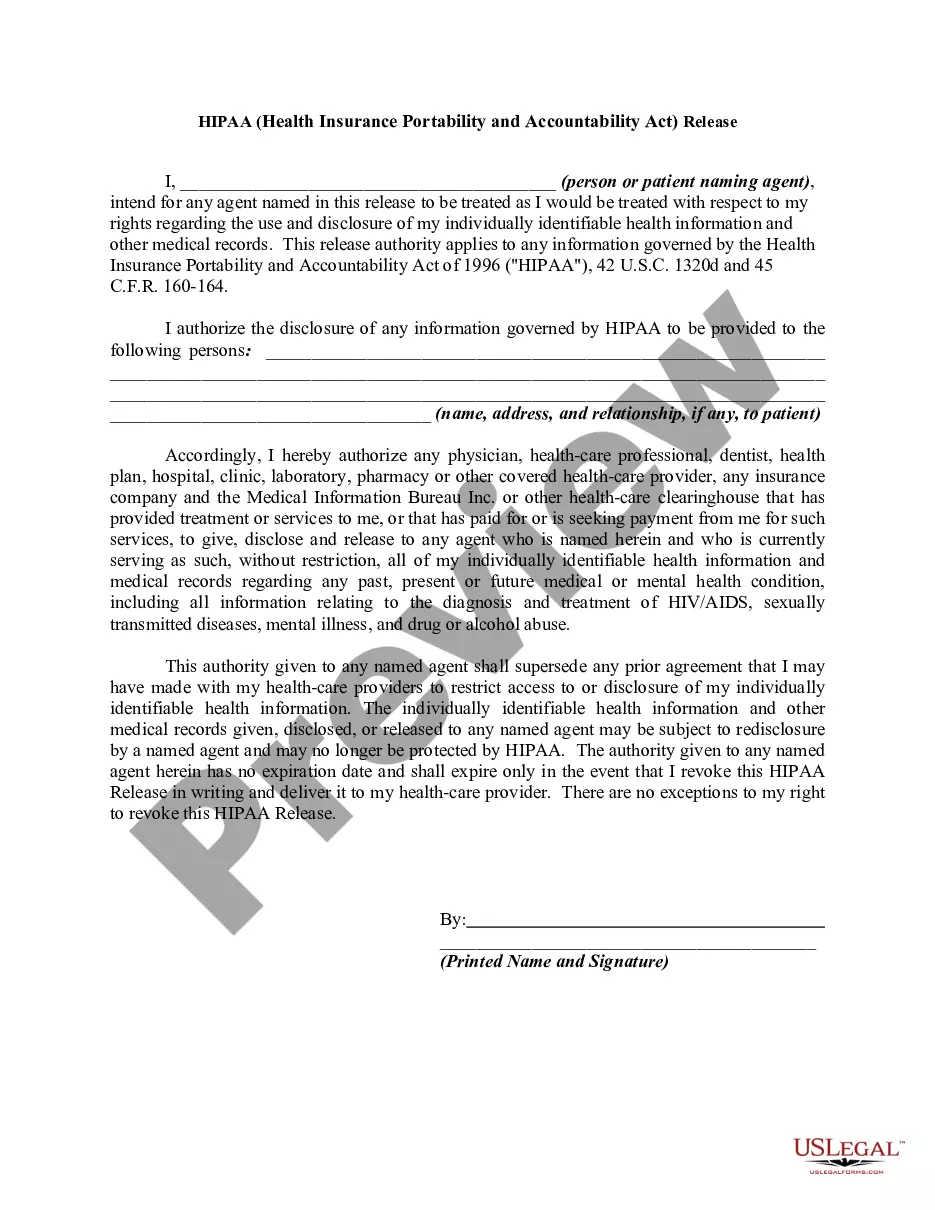
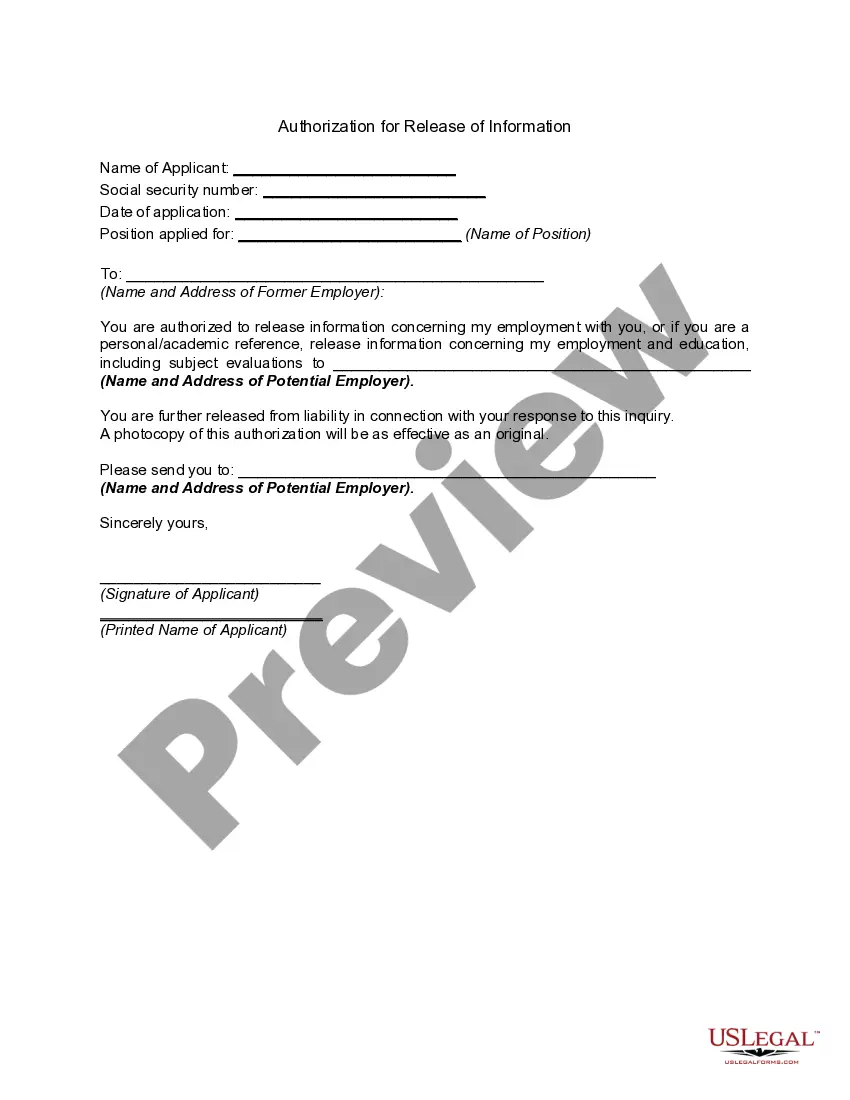
Get your form ready online
Our built-in tools help you complete, sign, share, and store your documents in one place.
Make edits, fill in missing information, and update formatting in US Legal Forms—just like you would in MS Word.
Download a copy, print it, send it by email, or mail it via USPS—whatever works best for your next step.
Sign and collect signatures with our SignNow integration. Send to multiple recipients, set reminders, and more. Go Premium to unlock E-Sign.
If this form requires notarization, complete it online through a secure video call—no need to meet a notary in person or wait for an appointment.
We protect your documents and personal data by following strict security and privacy standards.

Make edits, fill in missing information, and update formatting in US Legal Forms—just like you would in MS Word.

Download a copy, print it, send it by email, or mail it via USPS—whatever works best for your next step.

Sign and collect signatures with our SignNow integration. Send to multiple recipients, set reminders, and more. Go Premium to unlock E-Sign.

If this form requires notarization, complete it online through a secure video call—no need to meet a notary in person or wait for an appointment.

We protect your documents and personal data by following strict security and privacy standards.
Looking for another form?
Form popularity
FAQ
On January 31, 2023, only electronic notarization is permitted in New York State, through repeal of Executive Law § 135-c, Remote ink notarization and replacement with Executive Law § 135-c, Electronic notarization.
The most common place to get papers notarized is at a bank. You could call your bank to make sure they offer that. The second thing is, the mom would have to be there and sign the paper in front of the notary. You can't have someone just sign the paper, it has to be face to face to be valid.
Beginning January 25th, 2023, all notaries, including those notaries that only provide traditional in-person services, are required to keep a journal of all notarial acts performed which includes the type of identification provided, for 10 years.
An individual admitted to practice in NYS as an attorney, may be appointed a notary public without an examination. The term of commission is 4 years. Notaries public are commissioned in their counties of residence.
Does New York allow remote online notarization? Yes, remote online notarization is legal in New York effective January 31, 2023. Introduced on January 15, 2021, Senate 1780 authorizes traditional Notaries to perform electronic notarial acts using communication technology.
Step 1: Require personal appearance. Almost every state requires the signer to personally appear before you during the notarization. Step 2: Check over the document. Step 3: Carefully identify the signer. Step 4: Record your journal entry. Step 5: Complete the notarial certificate.
New York notaries are empowered to administer oaths and affirmations (including oaths of office), to take affidavits and depositions, to receive and certify acknowledgments or proofs (of execution) of deeds, mortgages and powers of attorney and other instruments in writing.
Certified Copies of Documents However, Notary Publics in New York State are not authorized to certify that a copy of a document is a “true copy” of the original. As an alternative, we are able to notarize your signature on a statement written by yourself in which you certify the accuracy of the copy.
New York Requires Notaries to Use a Journal It is requisite to record the type of identification provided by the client. Most journals have a space for this, but it is wise to check and make sure, when buying a new journal, that it contains a box for this information. Also, you must keep your journal for ten years.
Effective January 25th, New York State requires notaries public to record their service in a Journal. It is requisite to record the type of identification provided by the client.