Company For Status In Wake
Description

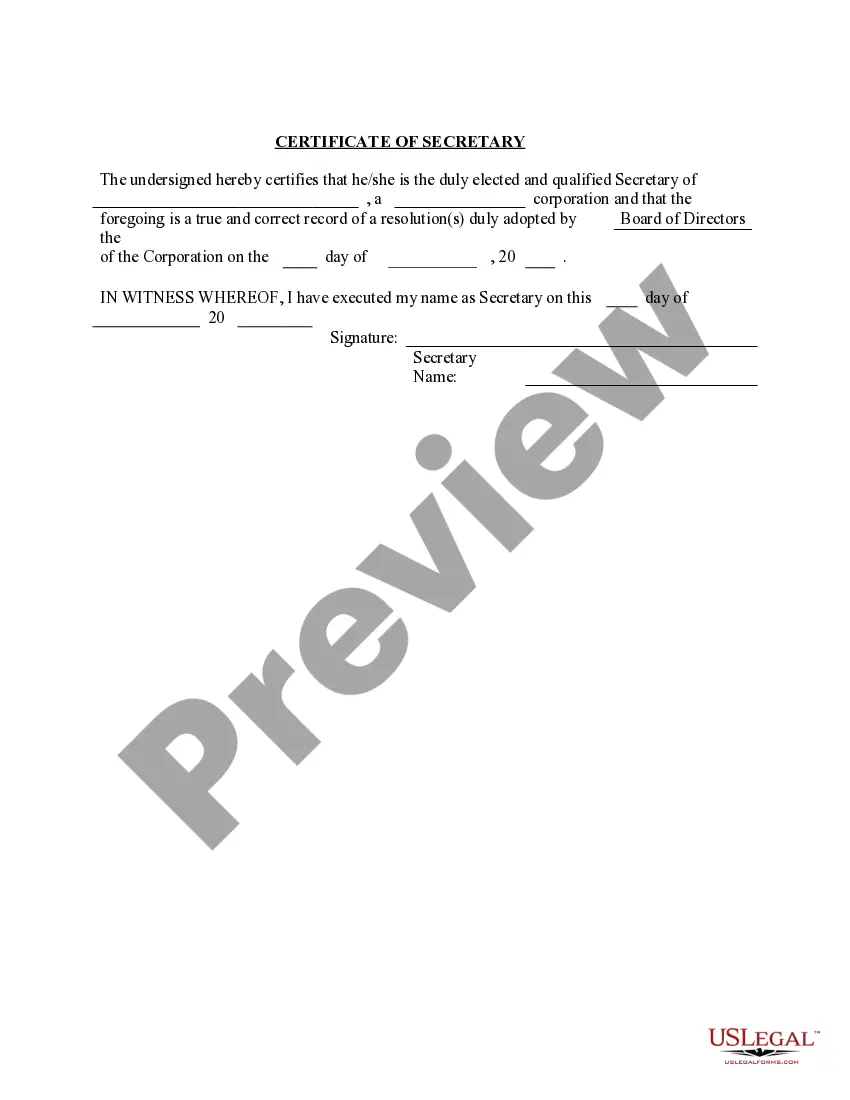


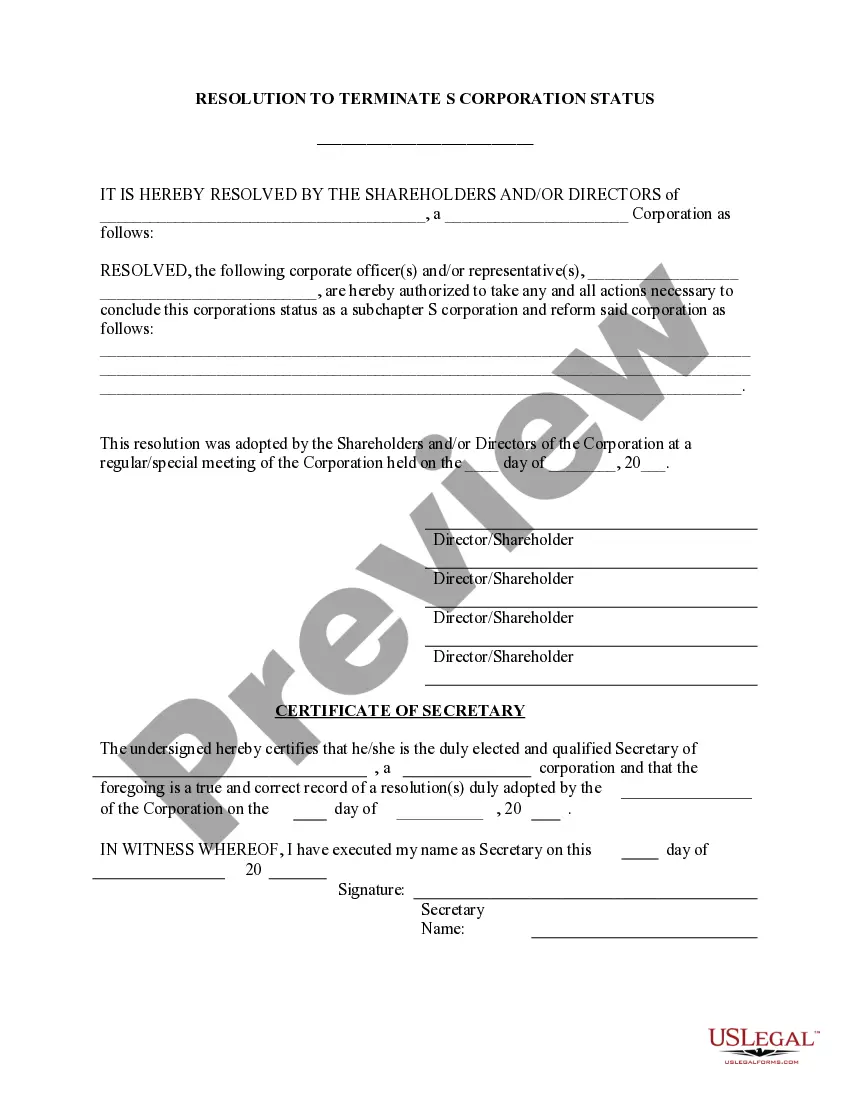
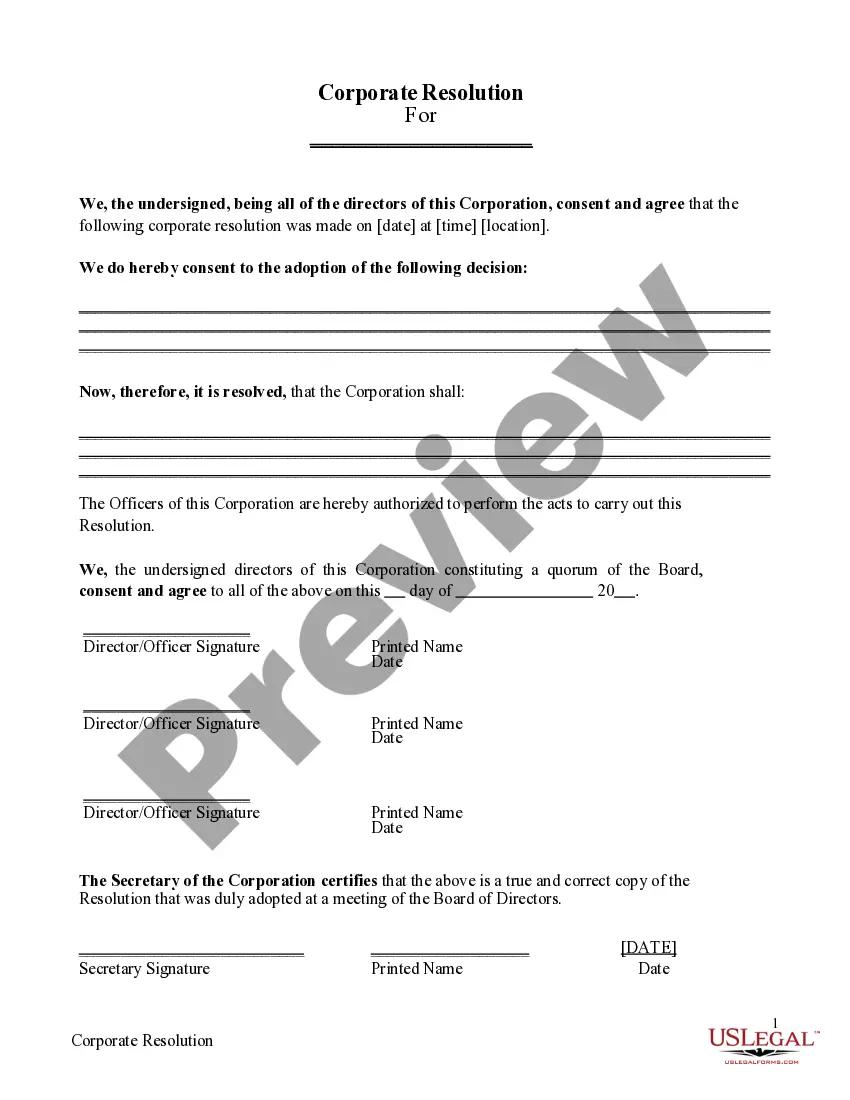
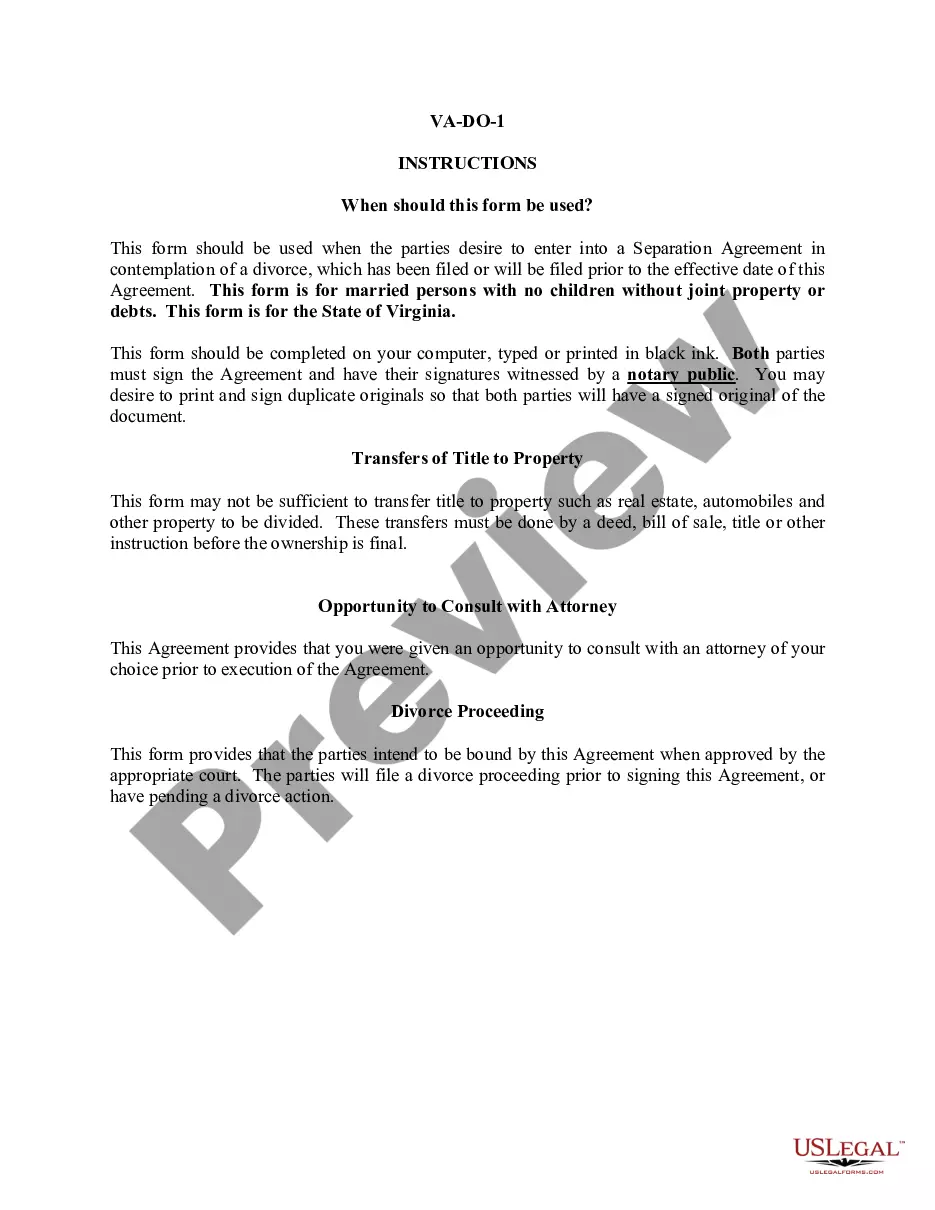
Get your form ready online
Our built-in tools help you complete, sign, share, and store your documents in one place.
Make edits, fill in missing information, and update formatting in US Legal Forms—just like you would in MS Word.
Download a copy, print it, send it by email, or mail it via USPS—whatever works best for your next step.
Sign and collect signatures with our SignNow integration. Send to multiple recipients, set reminders, and more. Go Premium to unlock E-Sign.
If this form requires notarization, complete it online through a secure video call—no need to meet a notary in person or wait for an appointment.
We protect your documents and personal data by following strict security and privacy standards.

Make edits, fill in missing information, and update formatting in US Legal Forms—just like you would in MS Word.

Download a copy, print it, send it by email, or mail it via USPS—whatever works best for your next step.

Sign and collect signatures with our SignNow integration. Send to multiple recipients, set reminders, and more. Go Premium to unlock E-Sign.

If this form requires notarization, complete it online through a secure video call—no need to meet a notary in person or wait for an appointment.

We protect your documents and personal data by following strict security and privacy standards.
Looking for another form?









Form popularity
FAQ
These are often called “inadvertent investment companies,” and it's a status you would just as soon avoid. The Investment Company Act broadly prohibits unregistered investment companies from issuing securities and makes their contracts voidable.
Also known as the 40 Act or the ICA. The Investment Company Act of 1940 regulates mutual funds and other companies that engage primarily in investing, reinvesting, and trading in securities, and whose own securities may be offered to the investing public (15 U.S.C. §§ 80a-1 to 64).
Final answer: The Real Estate Investment Trust (REIT) is not defined as an investment company under the Investment Company Act of 1940, which includes entities such as Face Amount Certificate Companies, Management Companies, and Unit Investment Trusts that primarily deal with securities.
Private Fund. A private fund is a pooled investment vehicle that is excluded from the definition of investment company by Section 3(c)(1) or 3(c)(7) of the Investment Company Act—commonly referred to as a 3(c)(1) Fund or a 3(c)(7) Fund.
Explanation: Under the Investment Company Act of 1940, a variable annuity is not considered an investment company. Investment companies are entities that pool funds from a large number of investors and invest those funds in assorted financial securities, such as stocks or bonds.
Also known as the balance sheet test, it involves meeting a 40% asset threshold. An entity will be deemed an inadvertent investment company if it is engaged in the business of investing, reinvesting or trading securities and owns securities having a value exceeding 40% of the value of the entity's total assets.
Place a brief, friendly phone call to the same contact. Explain that you wanted to check in and see if there is any update on the status of your application. If given a specific timeframe for when you can expect to hear back, wait until that window has passed before following up.
Connect with a Recruiter Find out if the company is using any recruiting firms that you should be connecting with. If you're not sure where to start; connect with an HR person in the company to see if they are able to point you in the right direction.
How do you follow up after applying for a job? Wait one to two weeks after applying. Find the recruiter's contact information and research about the company culture. Write a short follow-up email. Ask for your application status. Be polite and professional in your follow-up.
Tips for applying to different positions with the same company Explain why working for the company is important to you. Describe why you are applying for each position. Demonstrate your experience and how it fits into more than one position. Be honest about your employment attempts.
