S Corporation For Llc In Virginia
Description

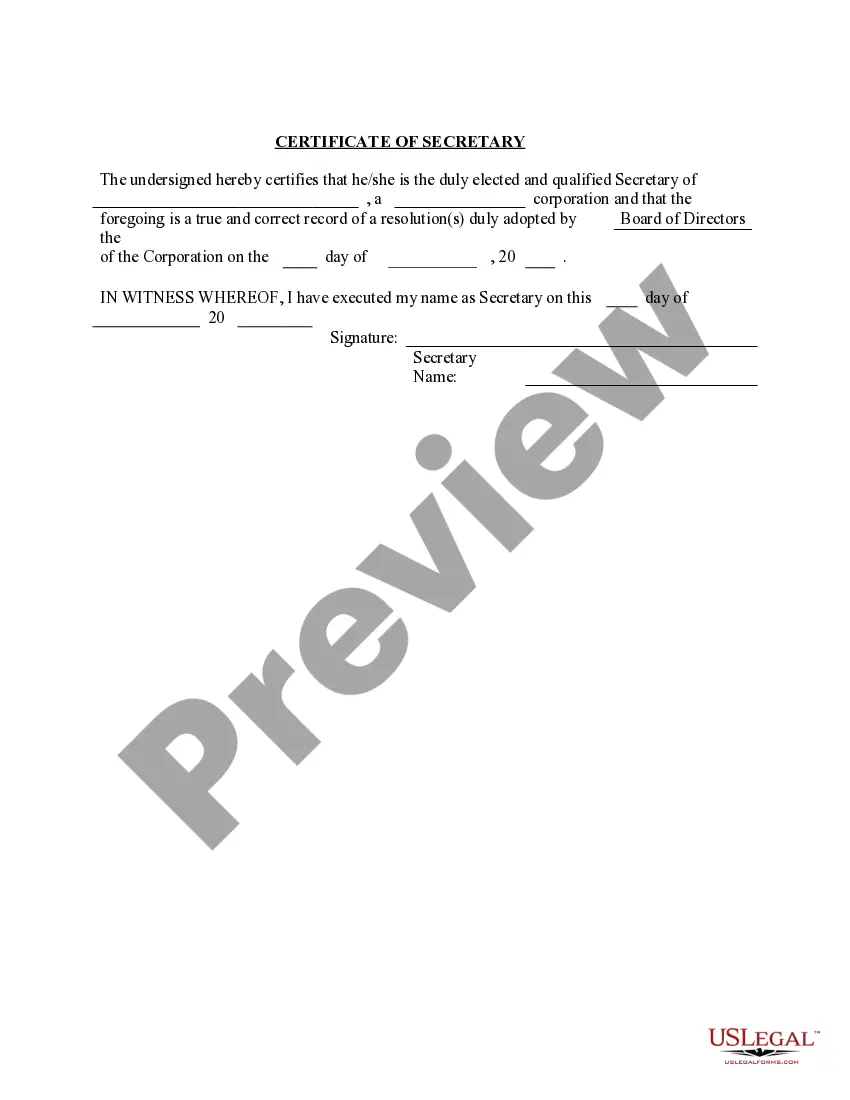

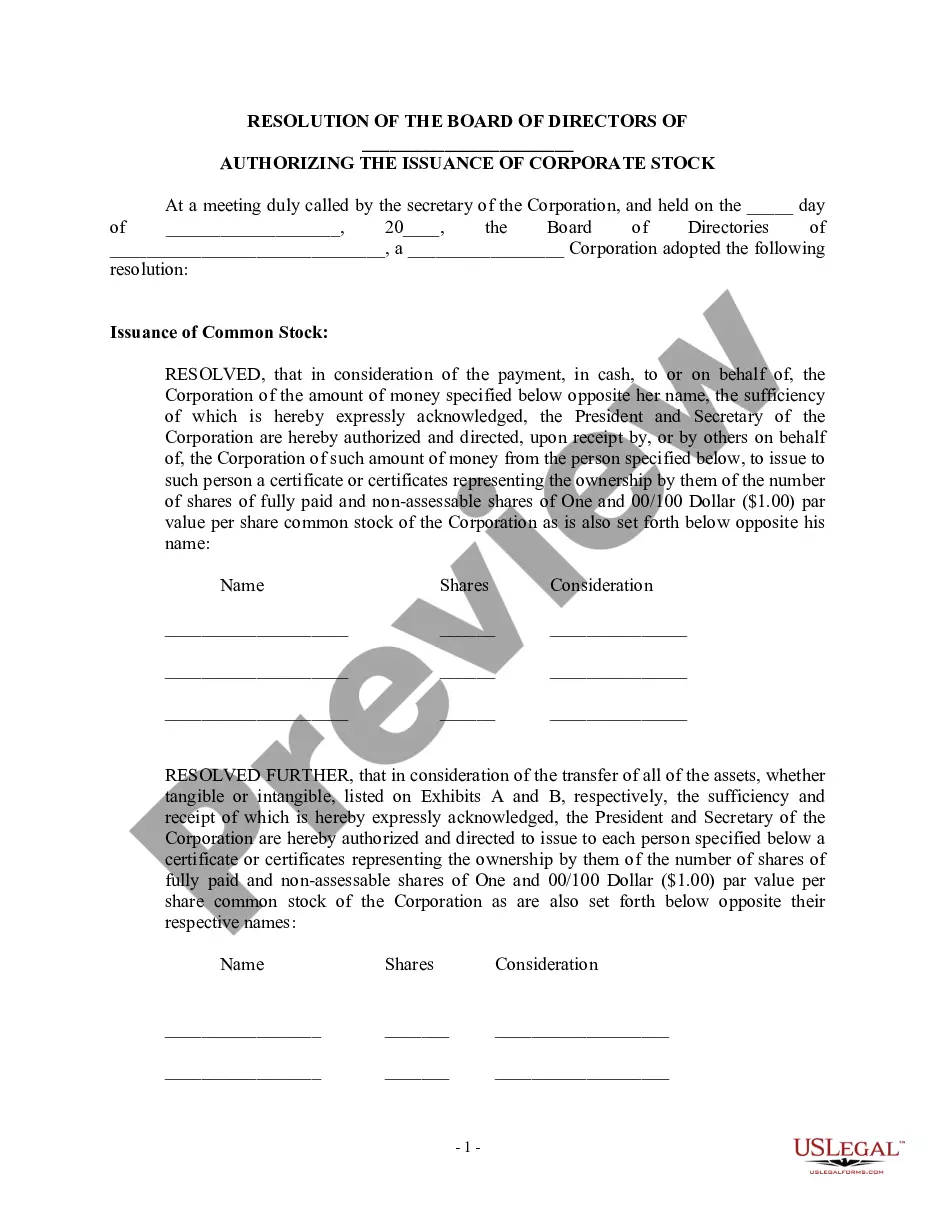
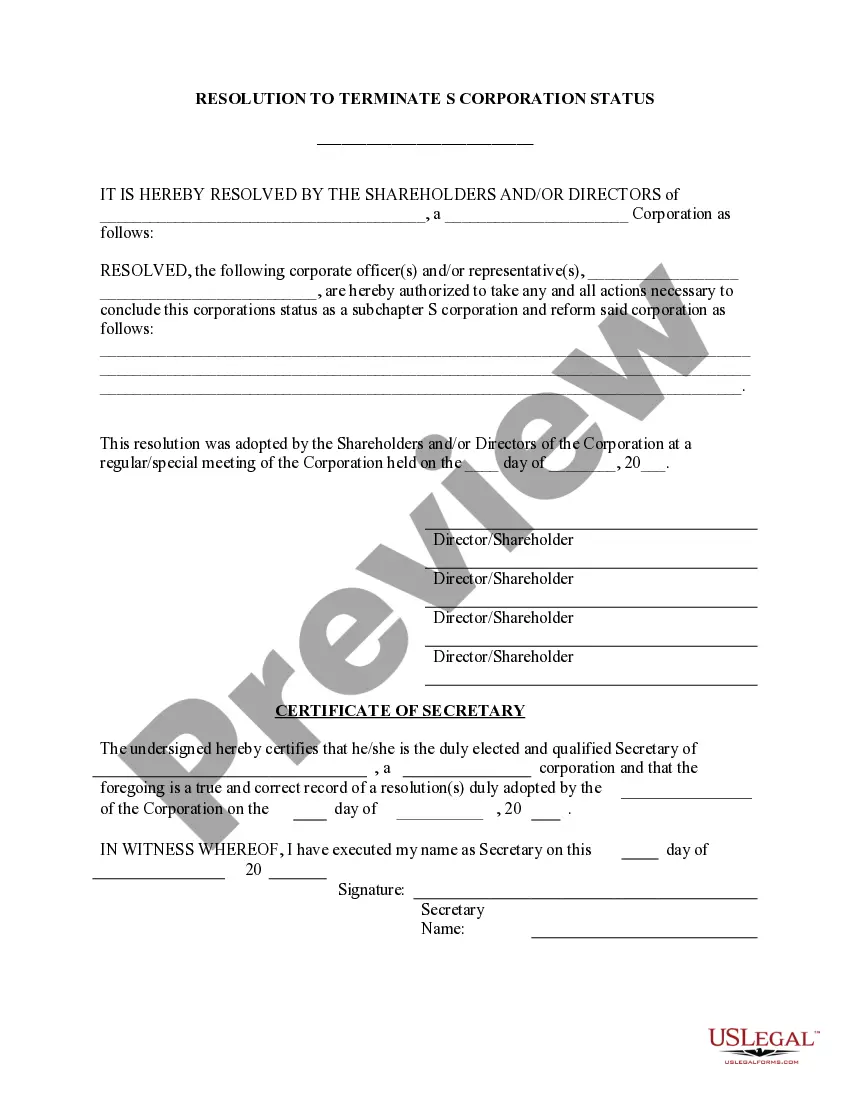
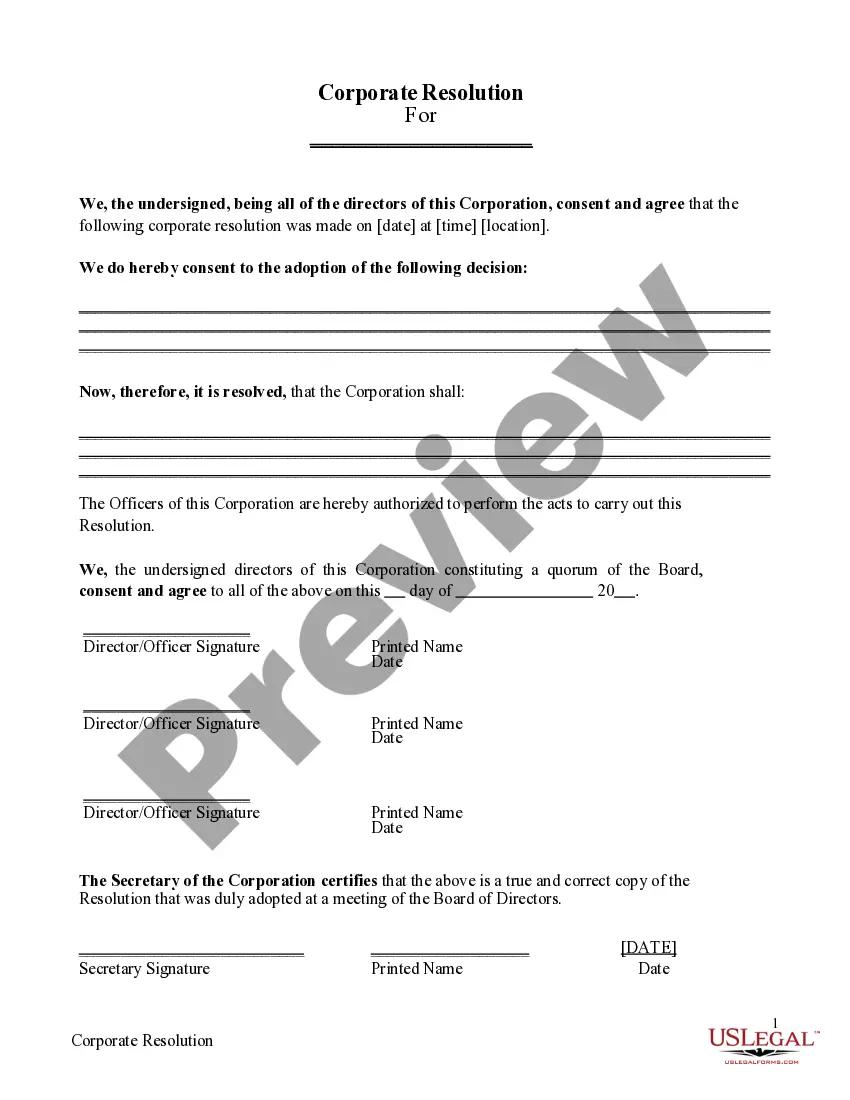
Get your form ready online
Our built-in tools help you complete, sign, share, and store your documents in one place.
Make edits, fill in missing information, and update formatting in US Legal Forms—just like you would in MS Word.
Download a copy, print it, send it by email, or mail it via USPS—whatever works best for your next step.
Sign and collect signatures with our SignNow integration. Send to multiple recipients, set reminders, and more. Go Premium to unlock E-Sign.
If this form requires notarization, complete it online through a secure video call—no need to meet a notary in person or wait for an appointment.
We protect your documents and personal data by following strict security and privacy standards.

Make edits, fill in missing information, and update formatting in US Legal Forms—just like you would in MS Word.

Download a copy, print it, send it by email, or mail it via USPS—whatever works best for your next step.

Sign and collect signatures with our SignNow integration. Send to multiple recipients, set reminders, and more. Go Premium to unlock E-Sign.

If this form requires notarization, complete it online through a secure video call—no need to meet a notary in person or wait for an appointment.

We protect your documents and personal data by following strict security and privacy standards.
Looking for another form?



Form popularity
FAQ
Choose a business name for your S corp. File articles of incorporation. Issue stock for your S corp. Elect a board of directors and appoint officers. Meet other S corp eligibility requirements. Obtain an employer identification number. Elect S corp status. Apply for state and local S corp business licenses.
A limited liability company (LLC) is an unincorporated association of one or more members (the owners) who share in the profits and losses of the company's business. It is managed in ance with an operating agreement by one or more members (member-managed) or by one or more managers (manager-managed).
Corp tatus in Virginia ome states have separate tax rules for companies that choose Corp, but Virginia does not. o, no extra hoops to jump through when you choose Corp in Virginia! IR Form 2553 is the only document you will need to submit for your business to be taxed as an Corp in this state.
Because of the one-class-of-stock restriction, an S corporation cannot allocate losses or income to specific shareholders. Allocation of income and loss is governed by stock ownership, unlike partnerships or LLCs taxed as partnerships where the allocation can be set in the partnership agreement or operating agreement.
The top states for LLC registration include Wyoming, Delaware, and Nevada. Wyoming offers low fees and no state income tax, Delaware provides business-friendly laws and flexibility, while Nevada features strong asset protections and no corporate taxes.
5 states with the lowest total tax burden for businesses Wyoming: A tax haven for businesses. Montana: Paving the way for economic growth. Florida: Promoting entrepreneurship and innovation. South Dakota: A business-friendly environment. Alaska: Fostering small business development.
Three states are particularly known for having legal systems beneficial for businesses: Delaware, Nevada, and Wyoming. Advantages of forming a business in Delaware: Delaware offers businesses flexibility in setting up their corporate officers and board structures.
FL, SD and WY are typically the best for no personal/business taxes. Nexus rules still apply to other states.
corporations: Corporations that have elected status for federal purposes are automatically treated as corporations for Virginia purposes, and must file Form 502. Refer to the PassThrough Entities page for information about corporation filing requirements. The tax rate is 6% of Virginia taxable income.
File form 2553 to apply for S corp tax designation When your LLC or C corporation formation is accepted by the state, you need to file Form 2553, Election by a Small Business Corporation, with the IRS to get S corp status.
