S Corporation For Taxes
Description

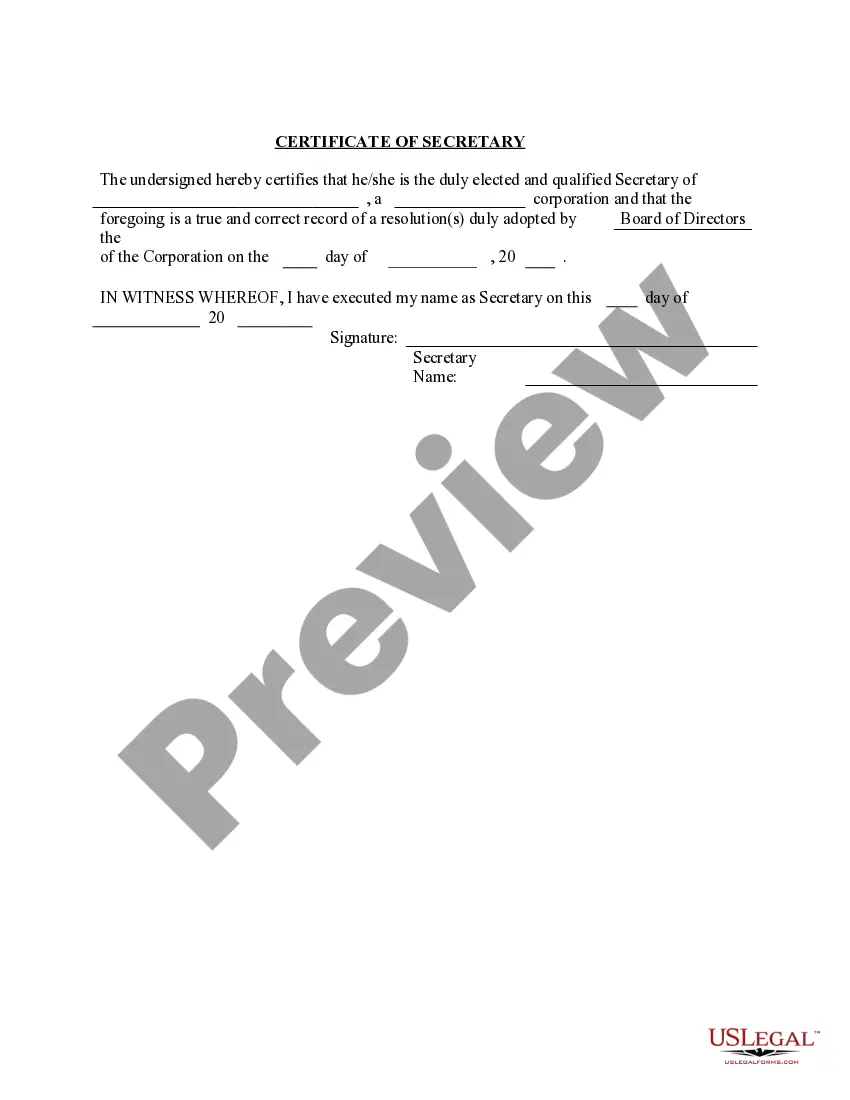

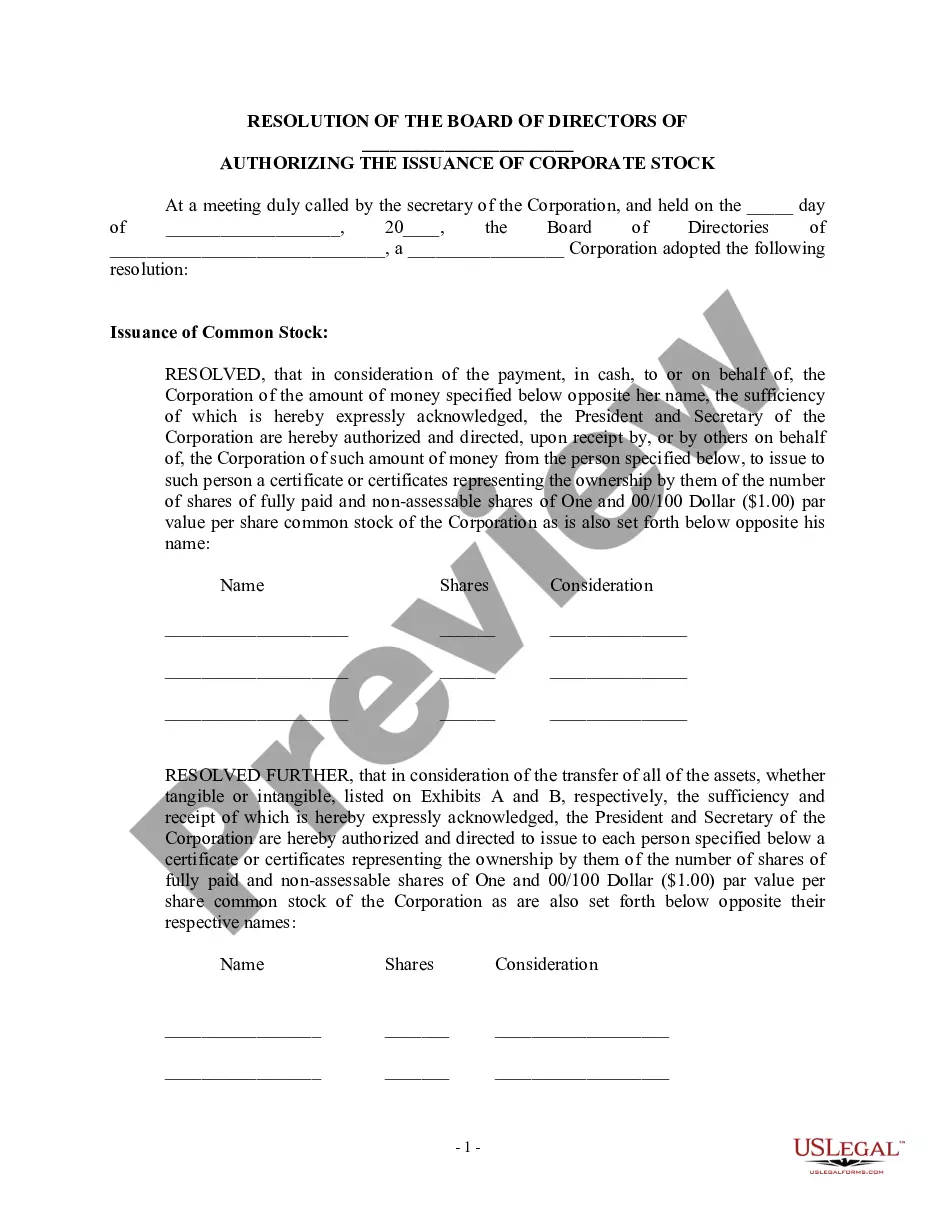
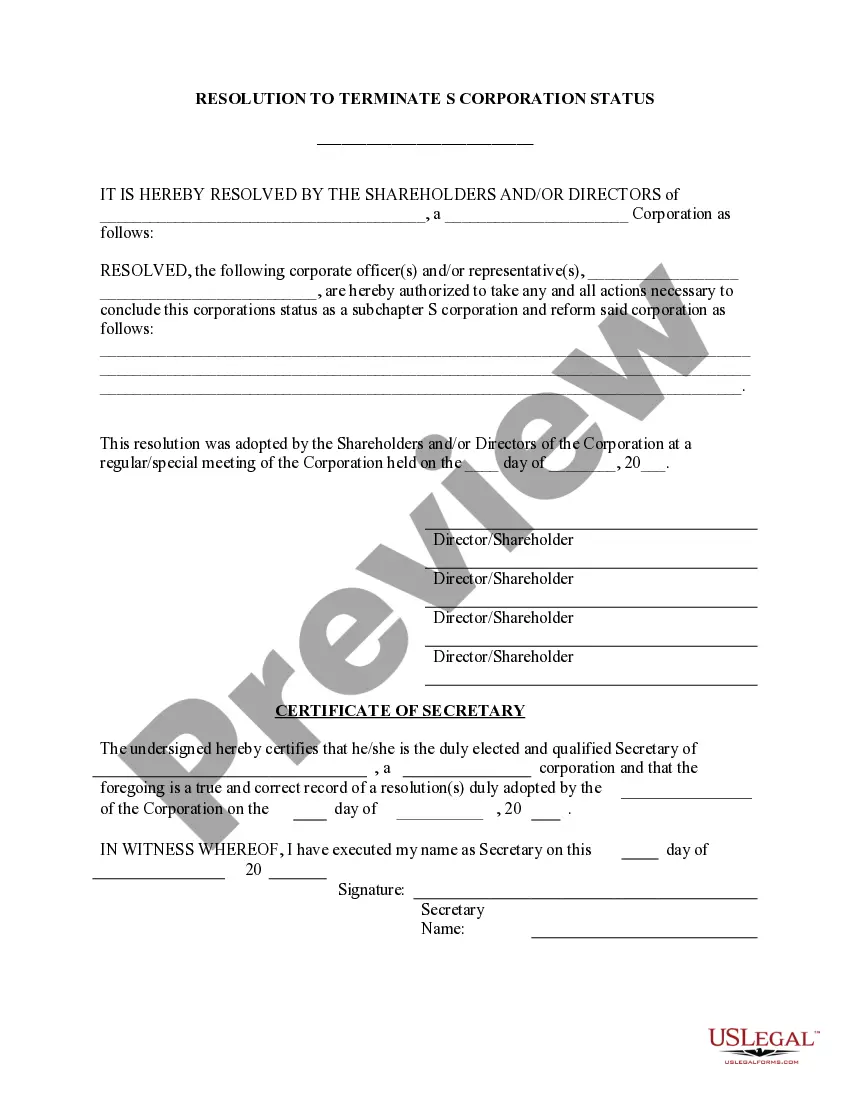
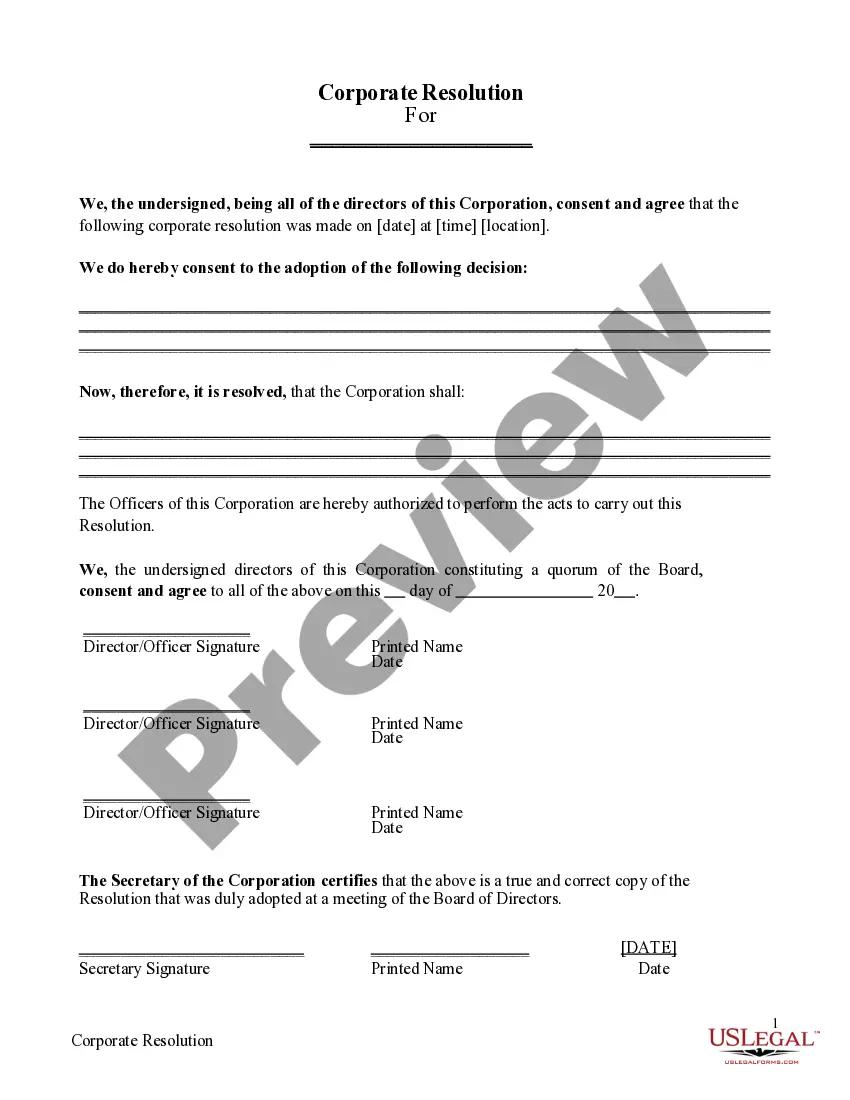
Get your form ready online
Our built-in tools help you complete, sign, share, and store your documents in one place.
Make edits, fill in missing information, and update formatting in US Legal Forms—just like you would in MS Word.
Download a copy, print it, send it by email, or mail it via USPS—whatever works best for your next step.
Sign and collect signatures with our SignNow integration. Send to multiple recipients, set reminders, and more. Go Premium to unlock E-Sign.
If this form requires notarization, complete it online through a secure video call—no need to meet a notary in person or wait for an appointment.
We protect your documents and personal data by following strict security and privacy standards.

Make edits, fill in missing information, and update formatting in US Legal Forms—just like you would in MS Word.

Download a copy, print it, send it by email, or mail it via USPS—whatever works best for your next step.

Sign and collect signatures with our SignNow integration. Send to multiple recipients, set reminders, and more. Go Premium to unlock E-Sign.

If this form requires notarization, complete it online through a secure video call—no need to meet a notary in person or wait for an appointment.

We protect your documents and personal data by following strict security and privacy standards.
Looking for another form?







How to fill out Obtain S Corporation Status - Corporate Resolutions Forms?
- If you're a returning user, log in to your account and download the desired form template by clicking the Download button. Ensure your subscription is active; otherwise, renew it as per your payment plan.
- For first-time users, start by reviewing the Preview mode and form details to confirm you have selected the right document that aligns with your requirements and local laws.
- If you find discrepancies, use the Search tab at the top to look for alternative templates. Once you find an appropriate form, proceed to the next step.
- Purchase the document by selecting the Buy Now button and choosing your preferred subscription plan. You'll need to create an account to access the extensive library.
- Complete your purchase using your credit card or PayPal details for the subscription.
- Download your selected form and save it to your device. You can also access it in the My Forms section of your profile for future use.
By leveraging the US Legal Forms service, you gain access to a comprehensive collection of over 85,000 legal documents. This makes it easier for both individuals and attorneys to manage their legal needs effectively.
Ready to simplify your tax document preparation? Visit US Legal Forms today and experience the benefits of effortless legal document access!
Form popularity
FAQ
The 2% owner rule for S corporation for taxes refers to the IRS guideline that applies to shareholders owning 2% or more of the company. Owners in this category have limited eligibility for certain fringe benefits, as these benefits may be treated as taxable income. Understanding this rule is important because it impacts how benefits like health insurance are reported and taxed. Consult with a tax professional to navigate this effectively.
Yes, you can file your S corporation taxes with TurboTax. The software has features specifically tailored for S corporations, making it easier to navigate your tax obligations. Just ensure that you choose the correct version that supports S corporation for taxes. Additionally, using TurboTax can help simplify complex calculations and ensure you claim all available deductions.
Fringe benefits for S corporation for taxes typically include health insurance, retirement contributions, and other perks. However, if you own 2% or more of the S Corp, the IRS considers some benefits as taxable income. This means you'll need to report certain fringe benefits on your personal tax return. Make sure to consult with a tax professional to understand how these benefits may impact your taxes.
Absolutely, you can start an S corporation without first forming an LLC. An S corporation is a specific tax designation that you can elect after incorporating your business. If you're exploring your options, consider using resources from uslegalforms to learn how to establish an S corporation for taxes directly.
While you can set up an S corporation yourself, hiring an accountant can provide significant advantages. An accountant can help you navigate the complexities of the tax code and ensure compliance with all regulations. This expertise can save you time and help you maximize the financial benefits of your S corporation for taxes.
Yes, a single individual can own an S corporation. This structure lets you enjoy the benefits of limited liability while allowing for pass-through taxation. If you're a solo entrepreneur considering an S corporation for taxes, this can be a strategic choice to optimize your tax situation.
The primary tax form for an S corporation is Form 1120S, which you must file annually. This form provides the IRS with information about the company's income, losses, and deductions. You will also need to issue Schedule K-1 to each shareholder, which details their respective shares of income and deductions related to their investment in the S corporation.
Filing taxes for your S corporation involves submitting Form 1120S to the IRS, which reports the corporation's income, losses, and deductions. Additionally, as a shareholder, you will receive a Schedule K-1 that outlines your share of income, losses, and tax credits. Understanding how to file taxes for an S corporation can significantly impact your overall tax situation.
Yes, you can set up an S corporation by yourself; however, the process involves several steps. You'll first need to choose a business name, file Articles of Incorporation, and elect S Corp status with the IRS. Consider using platforms like uslegalforms, which can simplify the process and provide guidance on setting up an S corporation for taxes.
Generally, businesses with net incomes over $40,000 may benefit from creating an S corporation for taxes. This income level allows you to take advantage of the potential tax savings on self-employment taxes. However, every situation is unique, so it’s wise to consult with a tax professional to assess if an S Corp aligns with your financial goals.