S Corporation For Llc In Orange
Description



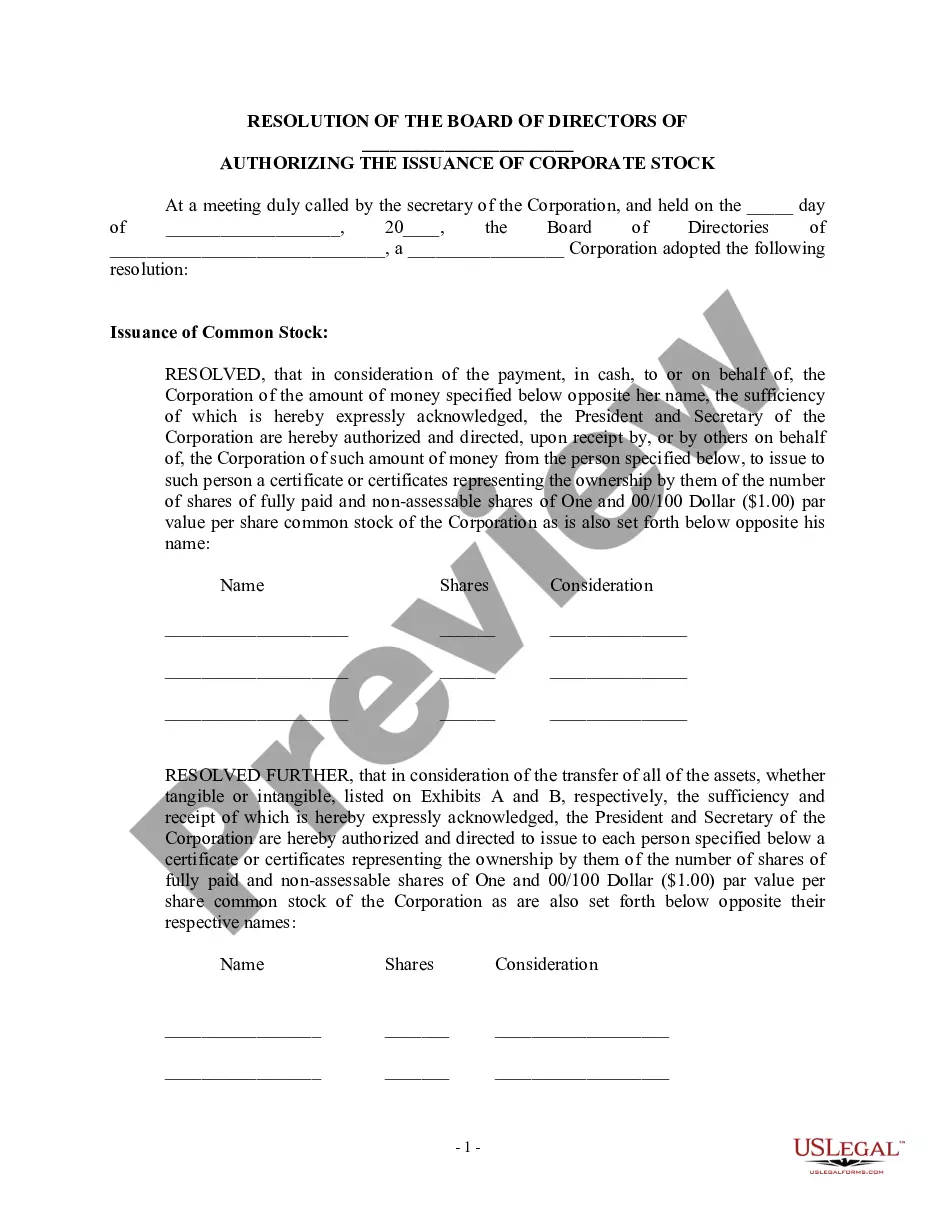
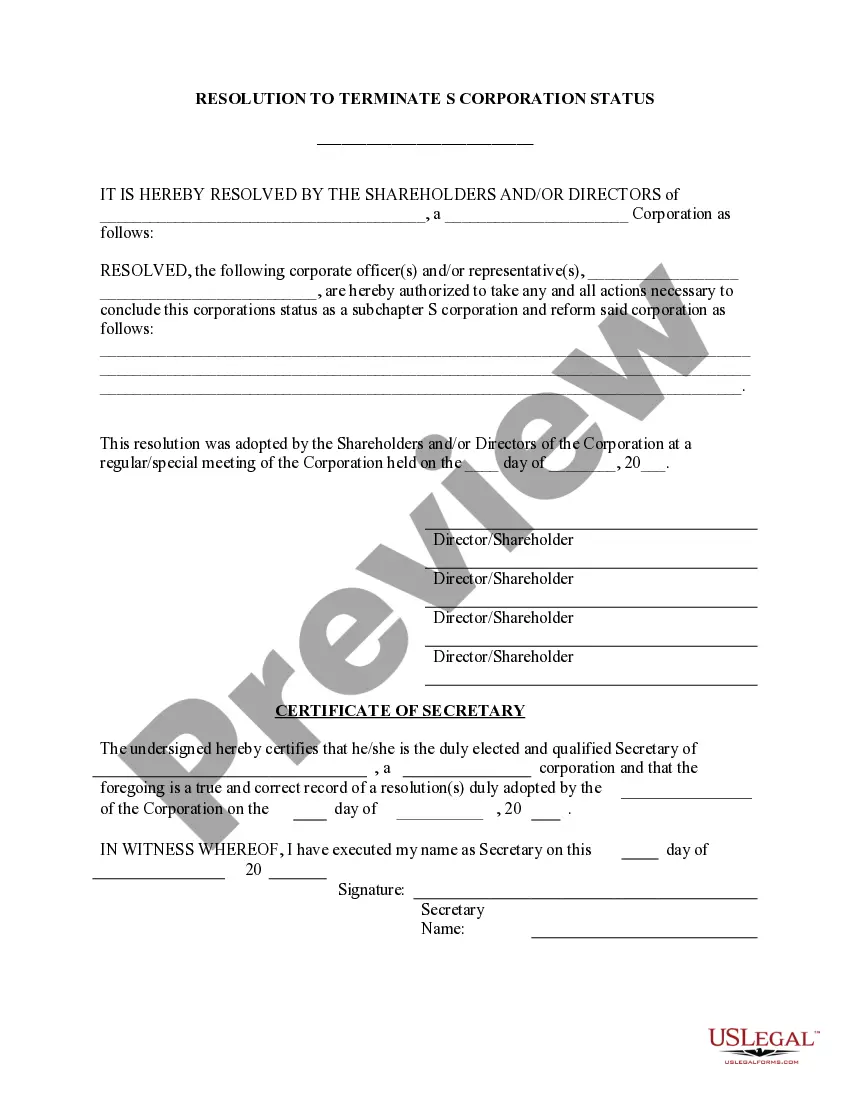
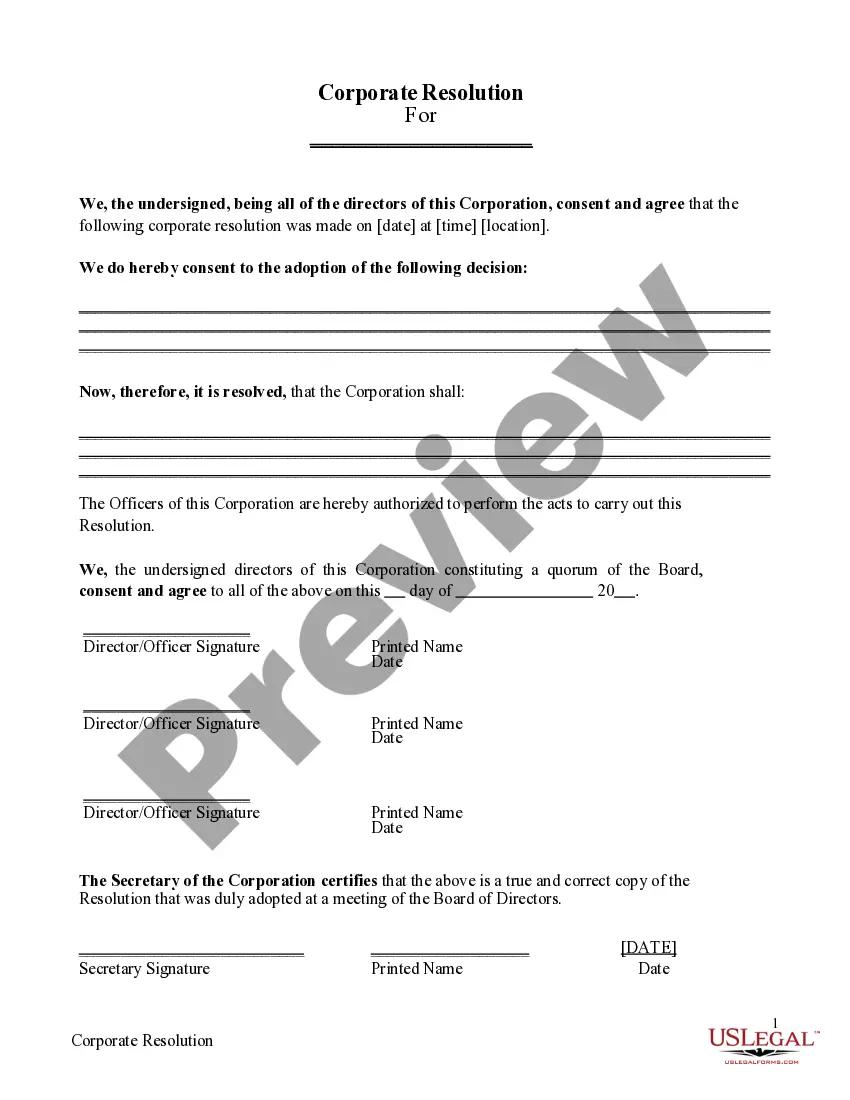
Get your form ready online
Our built-in tools help you complete, sign, share, and store your documents in one place.
Make edits, fill in missing information, and update formatting in US Legal Forms—just like you would in MS Word.
Download a copy, print it, send it by email, or mail it via USPS—whatever works best for your next step.
Sign and collect signatures with our SignNow integration. Send to multiple recipients, set reminders, and more. Go Premium to unlock E-Sign.
If this form requires notarization, complete it online through a secure video call—no need to meet a notary in person or wait for an appointment.
We protect your documents and personal data by following strict security and privacy standards.

Make edits, fill in missing information, and update formatting in US Legal Forms—just like you would in MS Word.

Download a copy, print it, send it by email, or mail it via USPS—whatever works best for your next step.

Sign and collect signatures with our SignNow integration. Send to multiple recipients, set reminders, and more. Go Premium to unlock E-Sign.

If this form requires notarization, complete it online through a secure video call—no need to meet a notary in person or wait for an appointment.

We protect your documents and personal data by following strict security and privacy standards.
Looking for another form?








Form popularity
FAQ
Making the federal S corporation election Note: To incorporate your business or qualify your foreign corporation to do business in California, contact the Secretary of State, Business Filings at 1-916-657-5448, or visit sos.ca.
Because of the one-class-of-stock restriction, an S corporation cannot allocate losses or income to specific shareholders. Allocation of income and loss is governed by stock ownership, unlike partnerships or LLCs taxed as partnerships where the allocation can be set in the partnership agreement or operating agreement.
Choose a business name for your S corp. File articles of incorporation. Issue stock for your S corp. Elect a board of directors and appoint officers. Meet other S corp eligibility requirements. Obtain an employer identification number. Elect S corp status. Apply for state and local S corp business licenses.
Your corporation must have California Registered Agent services at all times. You appoint one when you first start your business. You can also replace your existing Registered Agent after formation, provided there is no period during which your business is without an Agent for Service of Process.
Overall, a corporation has more structure and requires you to follow more formalities than with an LLC. See our article on how to form a California Corporation. A California LLC is formed by filing articles of organization with the state of California.
How to Start an S Corp in California Step 1: Check Name Availability. Step 2: Choose a Business Name. Step 3: Obtain an EIN. Step 4: File Articles of Incorporation. Step 5: Registered Agent. Step 6: Corporate Bylaws. Step 7: S Corp Director Election. Step 8: Meeting Requirements.
Generally, CA Stock Corporations and Qualified Out-of-State Corporations are required to file their Statement of Information yearly in the month of registration with the California Secretary of State.
To form an S Corp in California, you must file Form 2553 (Election by a Small Business Corporation) with the IRS and then complete additional requirements with the state of California, including filing articles of incorporation, obtaining licenses and permits, and appointing directors.
