S Corporation With Two Shareholders In Ohio
Description

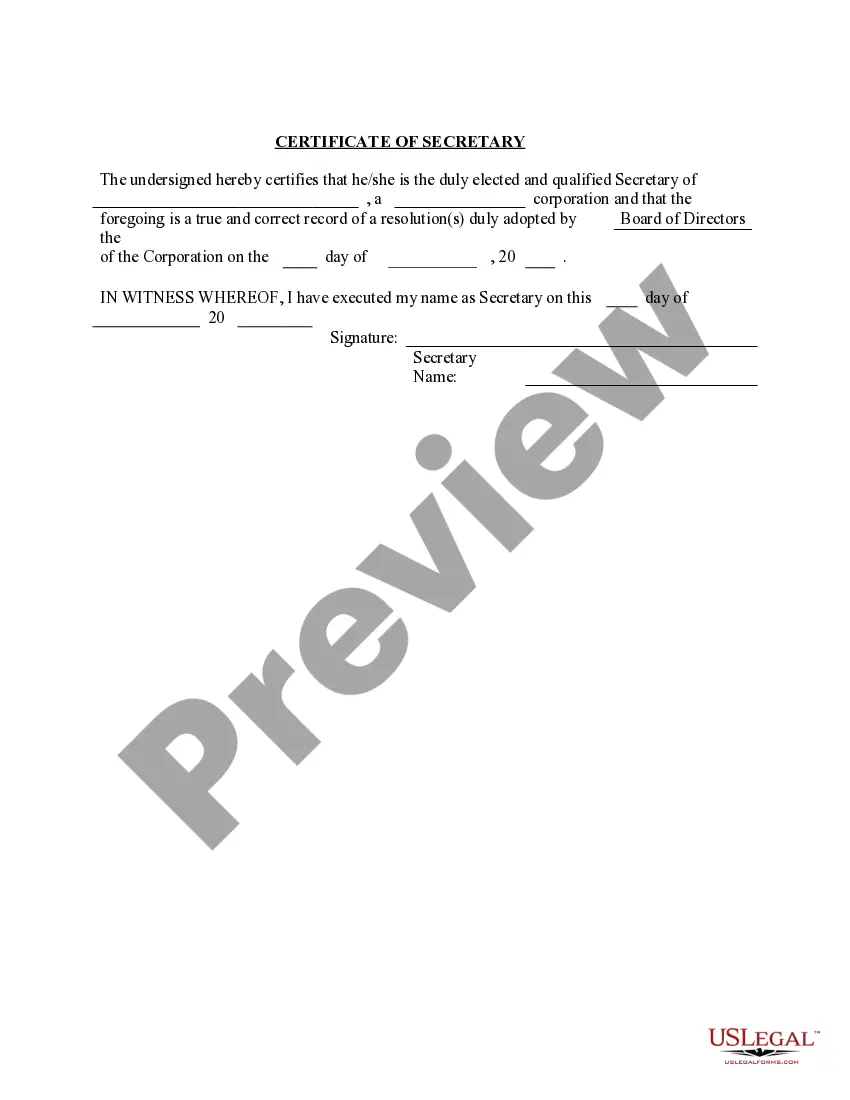

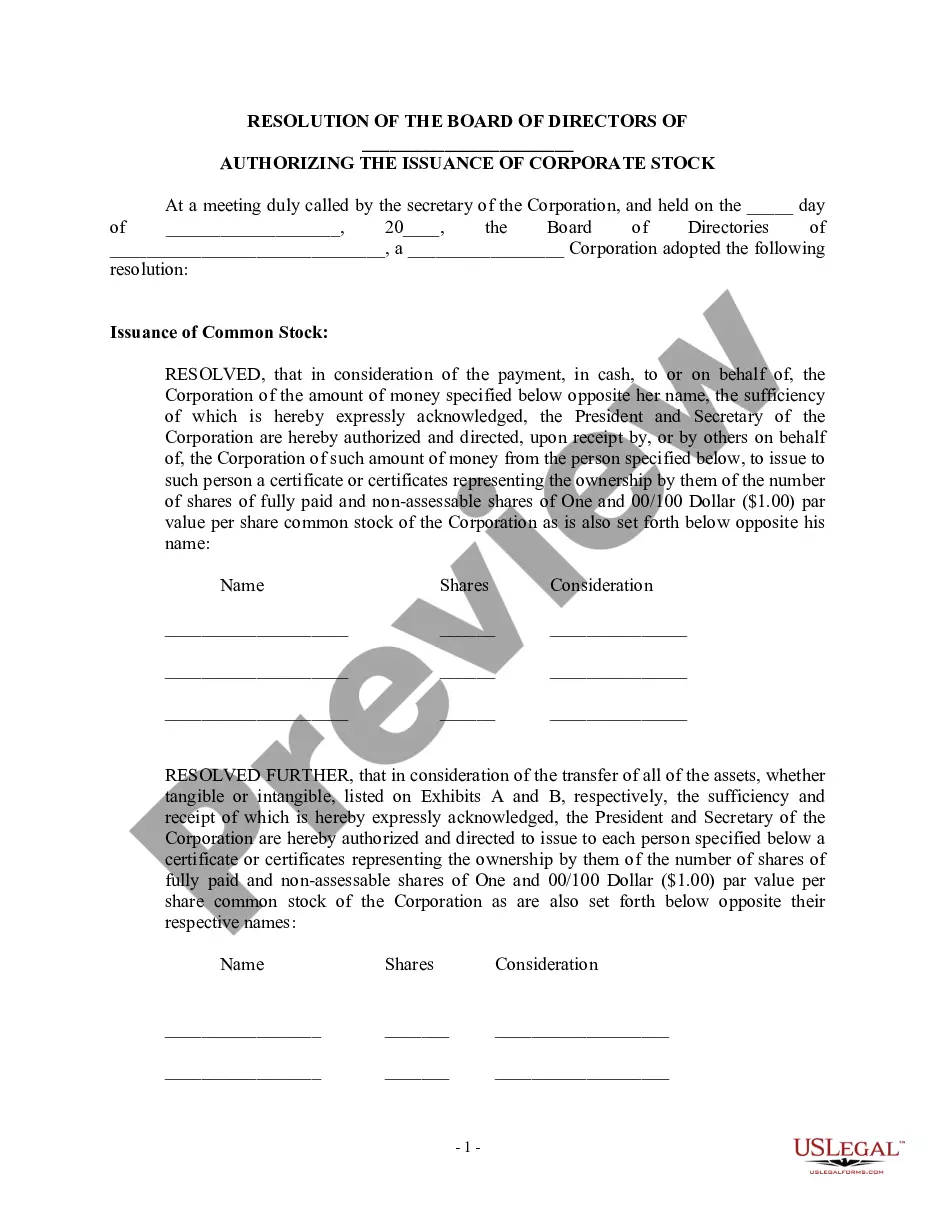
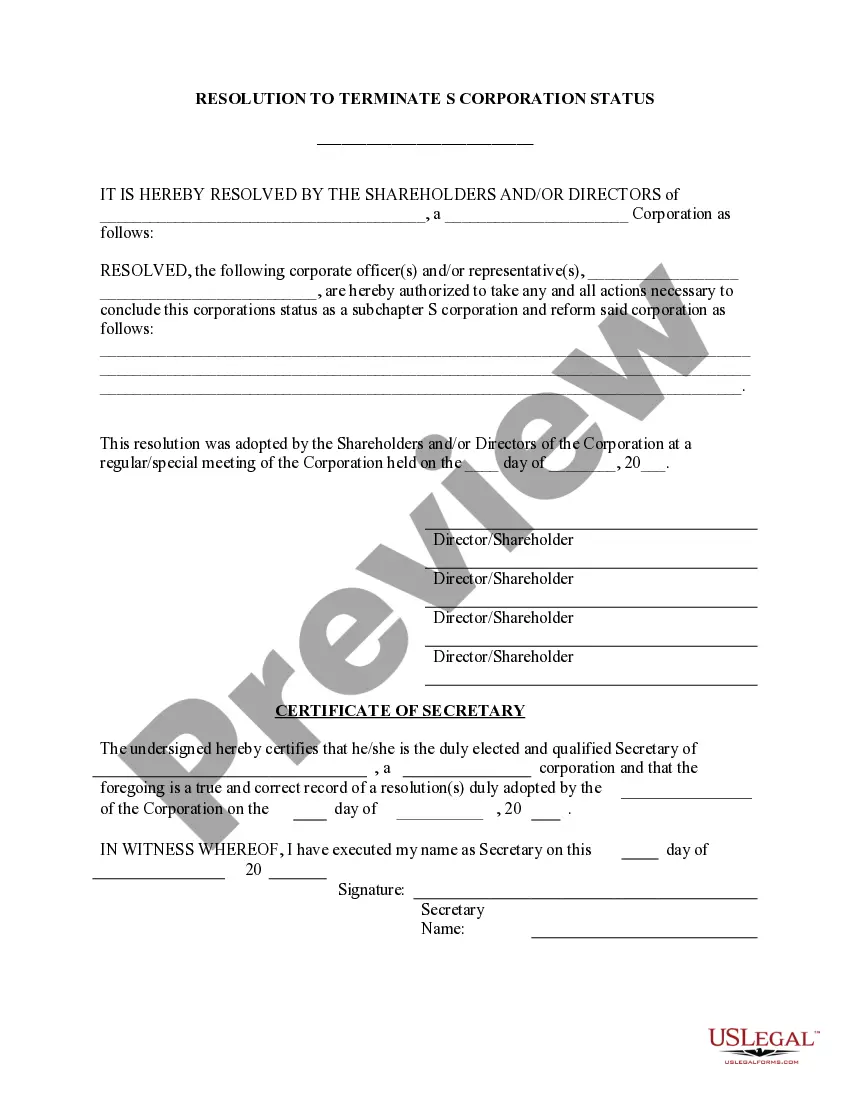
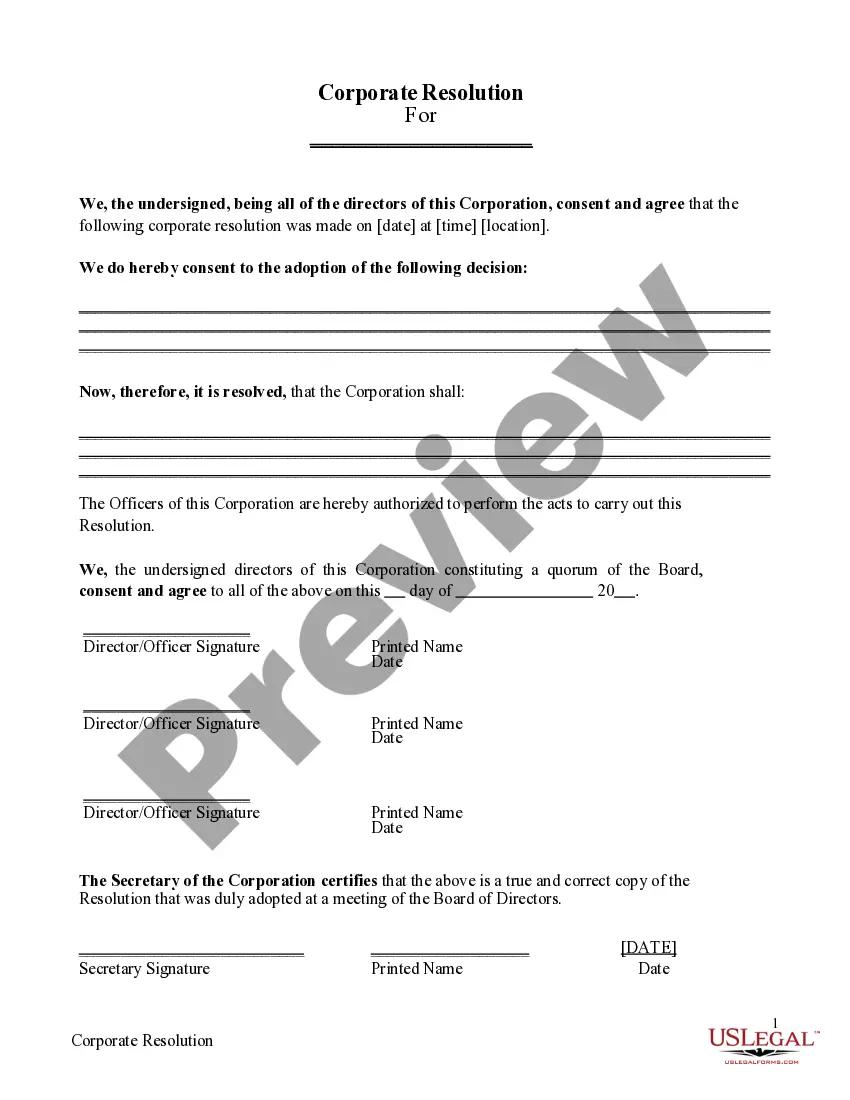
Get your form ready online
Our built-in tools help you complete, sign, share, and store your documents in one place.
Make edits, fill in missing information, and update formatting in US Legal Forms—just like you would in MS Word.
Download a copy, print it, send it by email, or mail it via USPS—whatever works best for your next step.
Sign and collect signatures with our SignNow integration. Send to multiple recipients, set reminders, and more. Go Premium to unlock E-Sign.
If this form requires notarization, complete it online through a secure video call—no need to meet a notary in person or wait for an appointment.
We protect your documents and personal data by following strict security and privacy standards.

Make edits, fill in missing information, and update formatting in US Legal Forms—just like you would in MS Word.

Download a copy, print it, send it by email, or mail it via USPS—whatever works best for your next step.

Sign and collect signatures with our SignNow integration. Send to multiple recipients, set reminders, and more. Go Premium to unlock E-Sign.

If this form requires notarization, complete it online through a secure video call—no need to meet a notary in person or wait for an appointment.

We protect your documents and personal data by following strict security and privacy standards.
Looking for another form?






Form popularity
FAQ
An S corporation can have only one class of stock, although it can have both voting and non-voting shares. Therefore, there can't be different classes of investors who are entitled to different dividends or distribution rights. Also, there cannot be more than 100 shareholders.
To qualify for S corporation status, the corporation must meet the following requirements: Be a domestic corporation. Have only allowable shareholders. Have no more than 100 shareholders. Have only one class of stock.
LLCs can have an unlimited number of members; S corps can have no more than 100 shareholders (owners).
IRS Requirements for an S Corp It must have only one class of stock. There can be no more than 100 shareholders. Shareholders must meet certain eligibility requirements, that is, they must be individuals, specific trusts and estates, or certain tax-exempt organizations 501(c)(3).
Ohio S Corp Filing Requirements Be a domestic corporation or limited liability company. Offer only one class of stock. Not be an ineligible corporation (financial institutions, insurance companies, and domestic international sales corporations)
A company may issue different types (also known as “classes”) of shares. These can include: Ordinary Shares.
With certain exceptions, a corporation is treated as having only one class of stock if all outstanding shares of stock of the corporation confer identical rights to distribution and liquidation proceeds. The regulations then elaborate on how to analyze if there are identical distribution and liquidation rights.
While the vast majority of U.S. public companies (approximately nine in 10) have a single class of voting stock, in recent years, a growing proportion of U.S. companies going public have multiple classes of common stock with differential voting rights.
