Corporation Status In Texas In Ohio
Description


Get your form ready online
Our built-in tools help you complete, sign, share, and store your documents in one place.
Make edits, fill in missing information, and update formatting in US Legal Forms—just like you would in MS Word.
Download a copy, print it, send it by email, or mail it via USPS—whatever works best for your next step.
Sign and collect signatures with our SignNow integration. Send to multiple recipients, set reminders, and more. Go Premium to unlock E-Sign.
If this form requires notarization, complete it online through a secure video call—no need to meet a notary in person or wait for an appointment.
We protect your documents and personal data by following strict security and privacy standards.

Make edits, fill in missing information, and update formatting in US Legal Forms—just like you would in MS Word.

Download a copy, print it, send it by email, or mail it via USPS—whatever works best for your next step.

Sign and collect signatures with our SignNow integration. Send to multiple recipients, set reminders, and more. Go Premium to unlock E-Sign.

If this form requires notarization, complete it online through a secure video call—no need to meet a notary in person or wait for an appointment.

We protect your documents and personal data by following strict security and privacy standards.
Looking for another form?









Form popularity
FAQ
Yes, an LLC can own property in any state, but you may need to register as a foreign LLC in that state.
To register a foreign corporation in Ohio, you must file an Ohio Foreign Corporation Application for License with the Ohio Secretary of State, Business Services Division. You can submit this document by mail, online, or in person. The Foreign Corporation Application for a foreign Ohio corporation costs $99 to file.
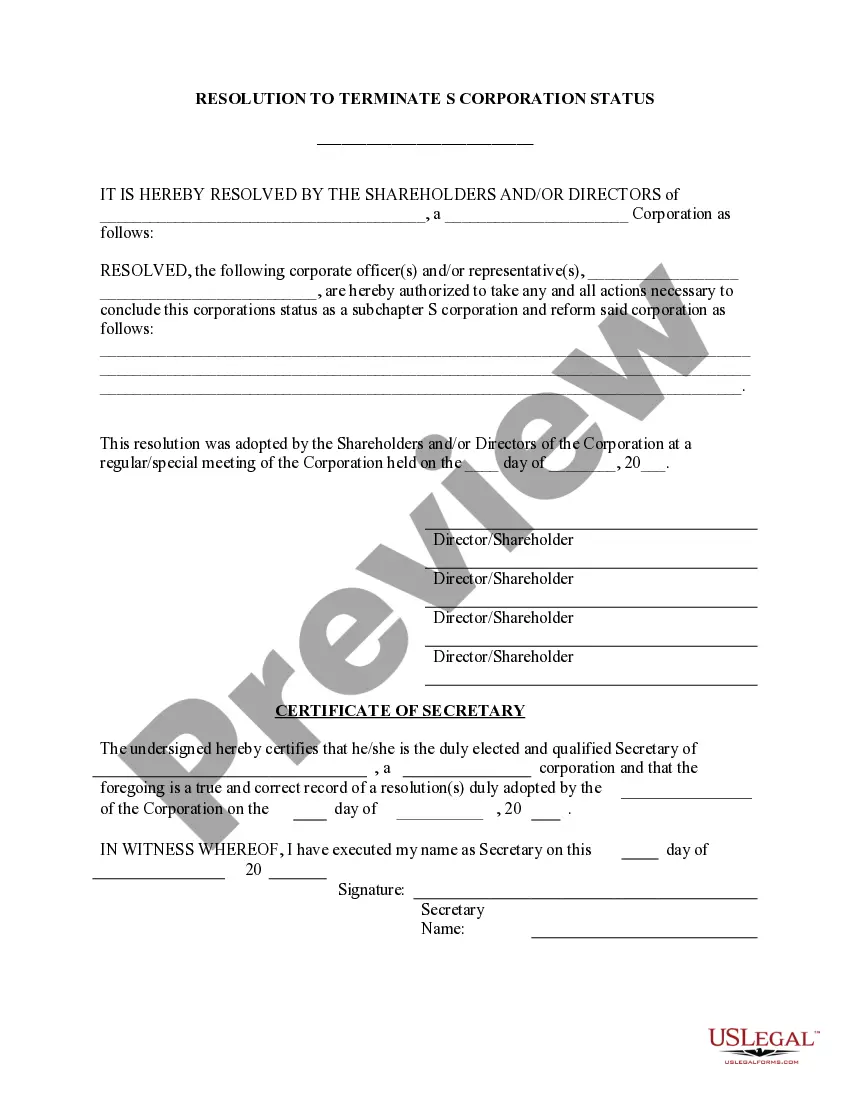
Once you confirm you meet the requirements, you may apply for S Corporation status with the IRS by filing Form 2553. The State of Texas recognizes the federal S Corp election. Your business will still be subject to franchise taxes with the State of Texas.
Corporation: A Texas corporation is created by filing a certificate of formation with the Texas Secretary of State. The Secretary of State provides a form that meets minimum state law requirements. Online filing of a certificate of formation is provided through SOSDirect.
Yes. Non-U.S. corporations, LLCs, LPs and financial institutions must register with the secretary of state before transacting business in Texas. Such entities are subject to state franchise tax and federal income tax on certain income. For more information about federal taxes, visit .IRS or call (800) 829-3676.
For non-residents seeking to establish an LLC in the United States, Delaware, Wyoming, and Nevada stand out as top contenders due to their favorable business climates, privacy benefits, and advantageous tax environments. Each state offers unique features that can align with diverse business objectives.
Foreign Profit Corporation: An out-of-state corporation, expressly developed for the purpose of earning a profit, that is transacting business in Texas who has filed an application for registration with the Texas Secretary of State in ance with Chapter 9 of the Texas Business Organizations Code.
In general, sole proprietorships and partnerships need to register and file the business name (DBA or assumed name) with their local county clerk's office. If you decide to incorporate, the Secretary of State's Office (SOS) website has information on choosing the right legal structure for you.
Can a Texas LLC operate in another state? Yes. A Texas LLC can operate in another state if it completes the foreign LLC registration process.
Part of the consideration for owning multiple businesses is, naturally, wanting to avoid additional costs for maintaining another LLC. The answer is yes--it is possible and permissible to operate multiple businesses under one umbrella LLC.
