S Corp Status For Llc In Harris
Description

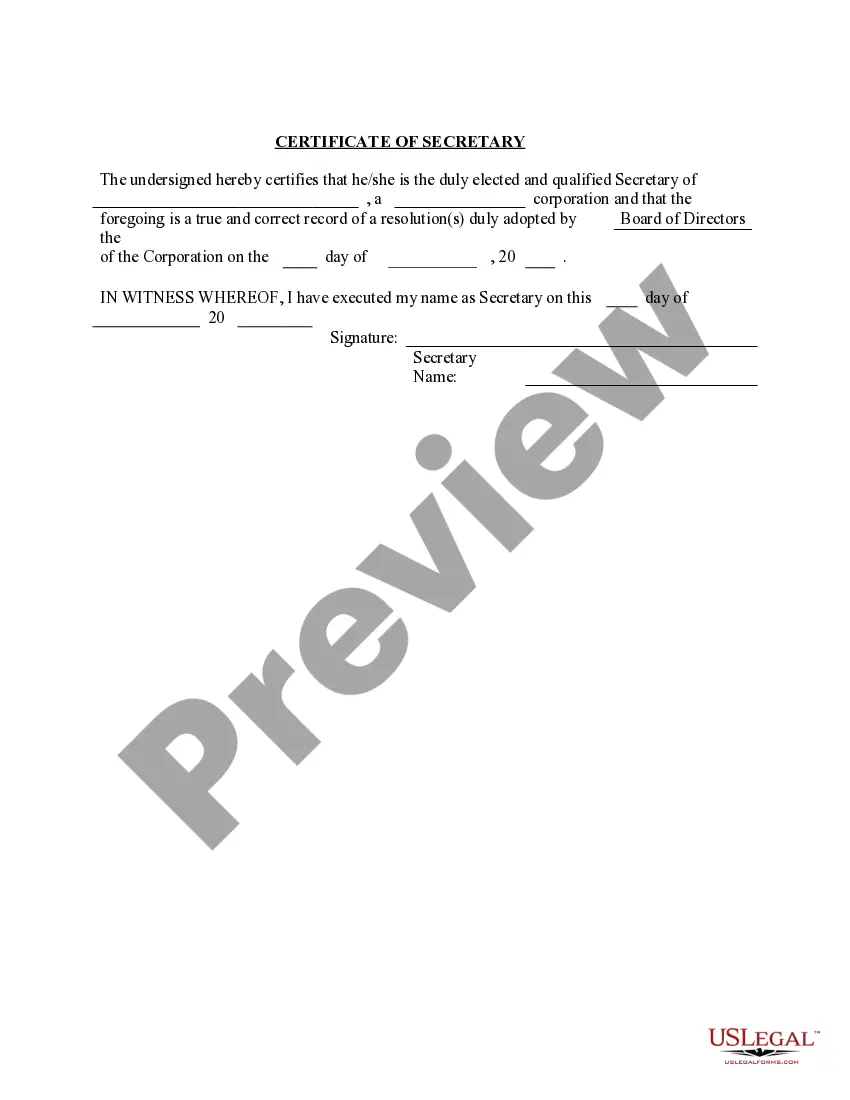


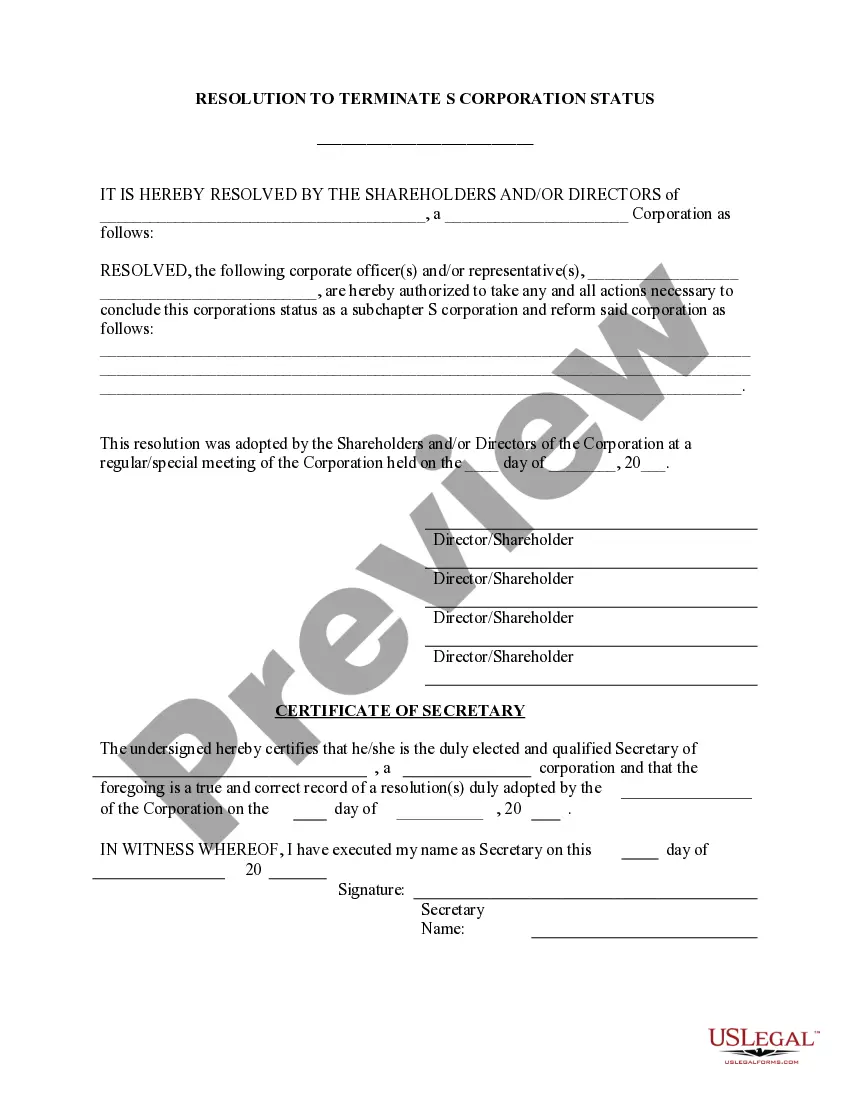
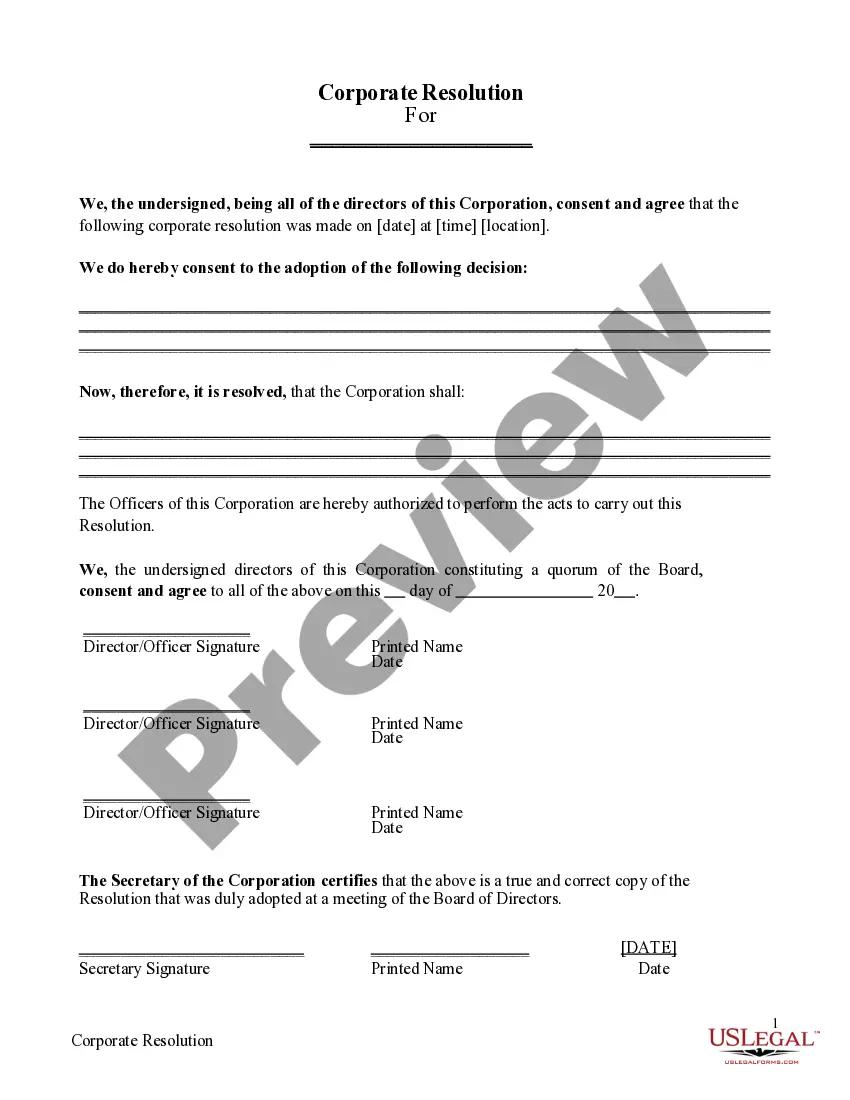
Get your form ready online
Our built-in tools help you complete, sign, share, and store your documents in one place.
Make edits, fill in missing information, and update formatting in US Legal Forms—just like you would in MS Word.
Download a copy, print it, send it by email, or mail it via USPS—whatever works best for your next step.
Sign and collect signatures with our SignNow integration. Send to multiple recipients, set reminders, and more. Go Premium to unlock E-Sign.
If this form requires notarization, complete it online through a secure video call—no need to meet a notary in person or wait for an appointment.
We protect your documents and personal data by following strict security and privacy standards.

Make edits, fill in missing information, and update formatting in US Legal Forms—just like you would in MS Word.

Download a copy, print it, send it by email, or mail it via USPS—whatever works best for your next step.

Sign and collect signatures with our SignNow integration. Send to multiple recipients, set reminders, and more. Go Premium to unlock E-Sign.

If this form requires notarization, complete it online through a secure video call—no need to meet a notary in person or wait for an appointment.

We protect your documents and personal data by following strict security and privacy standards.
Looking for another form?









Form popularity
FAQ
Once you confirm you meet the requirements, you may apply for S Corporation status with the IRS by filing Form 2553. The State of Texas recognizes the federal S Corp election. Your business will still be subject to franchise taxes with the State of Texas.
Once you confirm you meet the requirements, you may apply for S Corporation status with the IRS by filing Form 2553. The State of Texas recognizes the federal S Corp election. Your business will still be subject to franchise taxes with the State of Texas.
Yes, a Texas LLC can choose to be taxed as an S Corp by filing IRS Form 2553. This allows the LLC to benefit from the tax advantages of an S Corp, such as saving on self-employment taxes, while maintaining the operational flexibility of an LLC.
No. A passive entity is specifically defined for franchise tax purposes in Texas Tax Code Section 171.0003. If a limited liability company (LLC) converts to a limited partnership, can the entity qualify as passive if it meets the 90 percent passive income test?
The limited liability company ( LLC ) is not a partnership or a corporation but rather is a distinct type of entity that has the powers of both a corporation and a partnership.
FL, SD and WY are typically the best for no personal/business taxes. Nexus rules still apply to other states.
