Business Status With Irs In Harris
Description




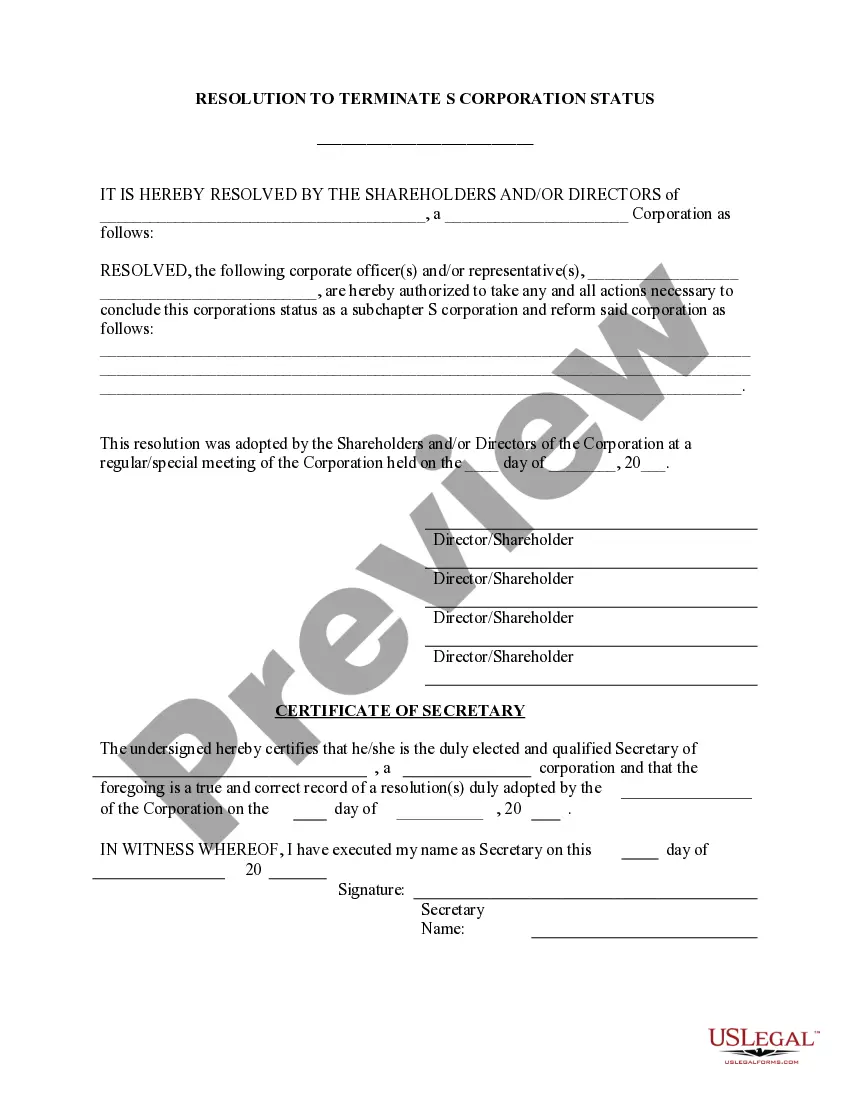

Get your form ready online
Our built-in tools help you complete, sign, share, and store your documents in one place.
Make edits, fill in missing information, and update formatting in US Legal Forms—just like you would in MS Word.
Download a copy, print it, send it by email, or mail it via USPS—whatever works best for your next step.
Sign and collect signatures with our SignNow integration. Send to multiple recipients, set reminders, and more. Go Premium to unlock E-Sign.
If this form requires notarization, complete it online through a secure video call—no need to meet a notary in person or wait for an appointment.
We protect your documents and personal data by following strict security and privacy standards.

Make edits, fill in missing information, and update formatting in US Legal Forms—just like you would in MS Word.

Download a copy, print it, send it by email, or mail it via USPS—whatever works best for your next step.

Sign and collect signatures with our SignNow integration. Send to multiple recipients, set reminders, and more. Go Premium to unlock E-Sign.

If this form requires notarization, complete it online through a secure video call—no need to meet a notary in person or wait for an appointment.

We protect your documents and personal data by following strict security and privacy standards.
Looking for another form?










Form popularity
FAQ
In the U.S., there are seven federal income tax rates: 10%, 12%, 22%, 24%, 32%, 35%, and 37%. These rates will remain the same for both 2024 and 2025 because of the Tax Cuts and Jobs Act (TCJA).
Synonyms: Internal Revenue Service. agency, authority, bureau, federal agency, government agency, office.
The Internal Revenue Service (IRS) administers and enforces U.S. federal tax laws.
Founded in 1862, the Internal Revenue Service (IRS) is a U.S. federal agency responsible for the collection of federal taxes and enforcement of tax laws. The IRS is responsible for conducting audits to ensure that taxpayers are claiming or paying what is owed and not cutting corners or hiding assets or income.
Your worldwide income is subject to U.S. income tax the same way as a U.S. citizen. You are a resident of the United States for tax purposes if you meet either the green card test or the substantial presence test for the calendar year.
