Corporate Status Vs S Corporation Status In Bronx
Description

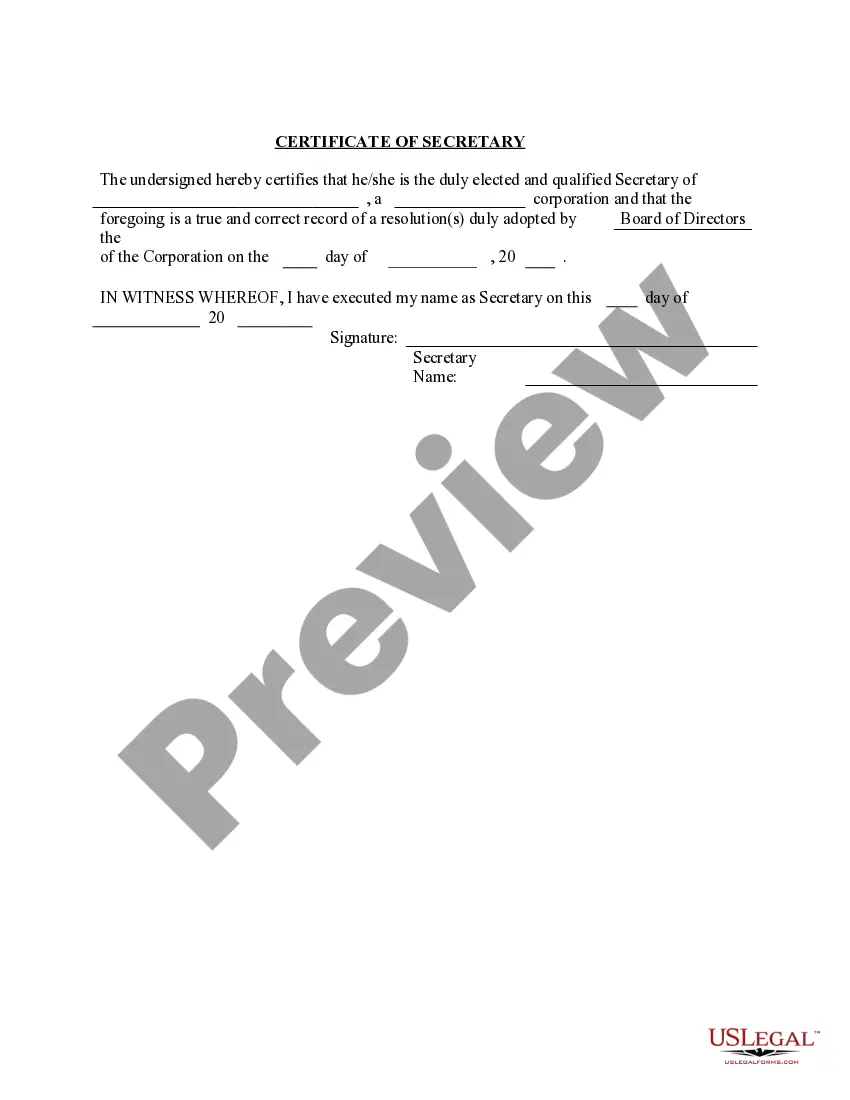

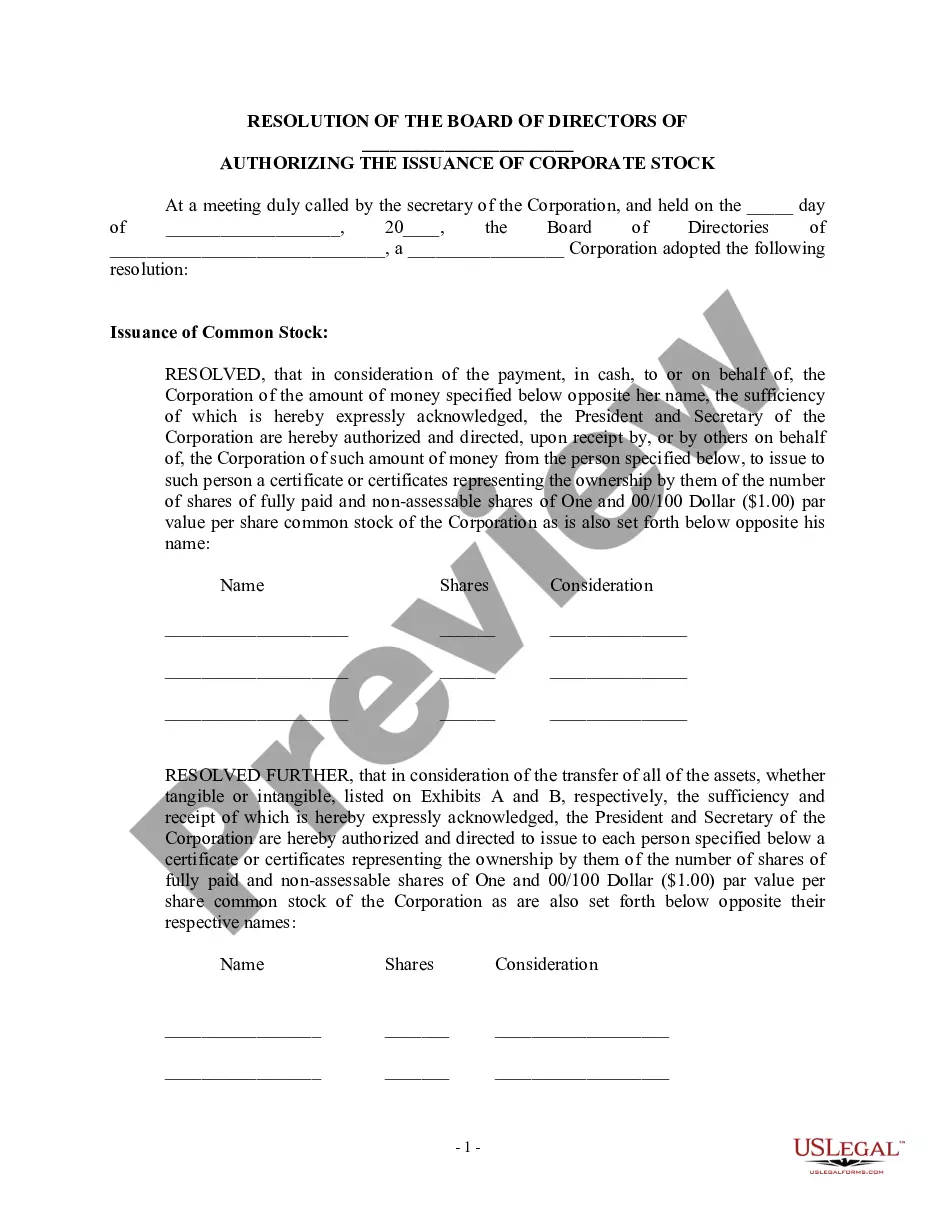
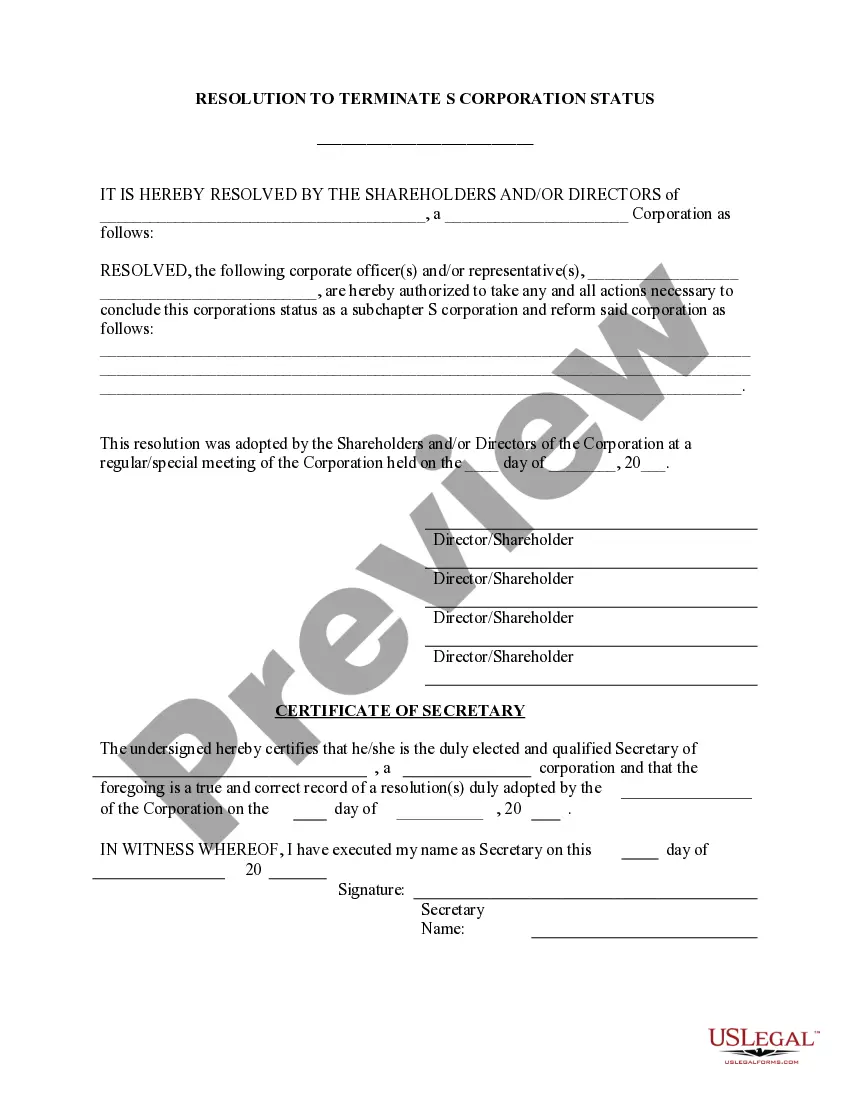
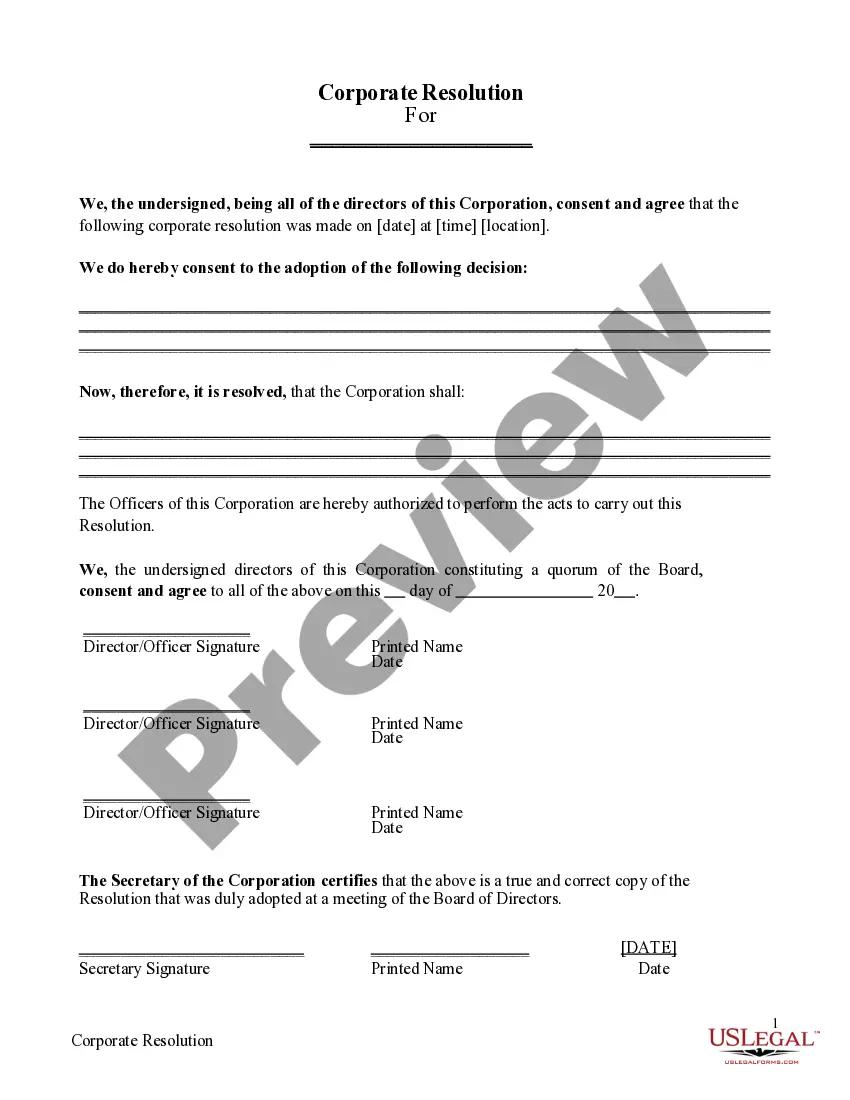
Get your form ready online
Our built-in tools help you complete, sign, share, and store your documents in one place.
Make edits, fill in missing information, and update formatting in US Legal Forms—just like you would in MS Word.
Download a copy, print it, send it by email, or mail it via USPS—whatever works best for your next step.
Sign and collect signatures with our SignNow integration. Send to multiple recipients, set reminders, and more. Go Premium to unlock E-Sign.
If this form requires notarization, complete it online through a secure video call—no need to meet a notary in person or wait for an appointment.
We protect your documents and personal data by following strict security and privacy standards.

Make edits, fill in missing information, and update formatting in US Legal Forms—just like you would in MS Word.

Download a copy, print it, send it by email, or mail it via USPS—whatever works best for your next step.

Sign and collect signatures with our SignNow integration. Send to multiple recipients, set reminders, and more. Go Premium to unlock E-Sign.

If this form requires notarization, complete it online through a secure video call—no need to meet a notary in person or wait for an appointment.

We protect your documents and personal data by following strict security and privacy standards.
Looking for another form?







Form popularity
FAQ
Generally speaking, if it's later in the year, wait to form your S Corp until the following year, unless you expect a significant spike in income. If it's earlier in the year, talk to your tax preparer about how much you could save by switching mid-year and see if it's worth it.
The most straightforward way to avoid NYC city tax is by ensuring you are not considered a resident of the city. NYC residents are subject to local income tax, which can range from 3.078% to 3.876%. To avoid NYC city tax, you must establish residency outside of the city.
While the profits from an S-corp are generally taxed at a lower rate than those of other corporate structures, the state and local tax rates to which an S-corp is subject can often be the deciding factor as to whether it or not it makes sense to use this entity structure from a tax perspective.
Please note New York City does not have an S corporation election and does not recognize a New York State S corporation election. In general, federal subchapter S corporations and qualified subchapter S subsidiaries are subject to the GCT.
Like normal LLCs, an S-Corporation represents a separate legal entity that may form contracts and perform business activities. New York state law requires that S-Corporations meet the following requirements: Issue stock. Capping ownership at 100 individuals (not entities or partnerships)
To become a S Corporation an entity would have previously filed a S election on Form 2553. To revoke this election and become a C Corporation, the entity needs to file a statement with the IRS Service Center where it previously filed Form 2553.
To verify your S corporation status: Check Your Initial Election Documents. Locate your filed Form 2553. Review IRS acceptance letter. Examine past tax returns. Contact the IRS Business Unit. Call the dedicated business line. Have your EIN ready. Request written confirmation if needed.
Names of corporations must end with either the identifier "Incorporated" or "Corp." If one of these identifiers is present, then the company is most likely a corporation.
We recommend converting to a C-Corp if a company wants to issue qualified small business stock and plans on selling its business in no less than five years.
