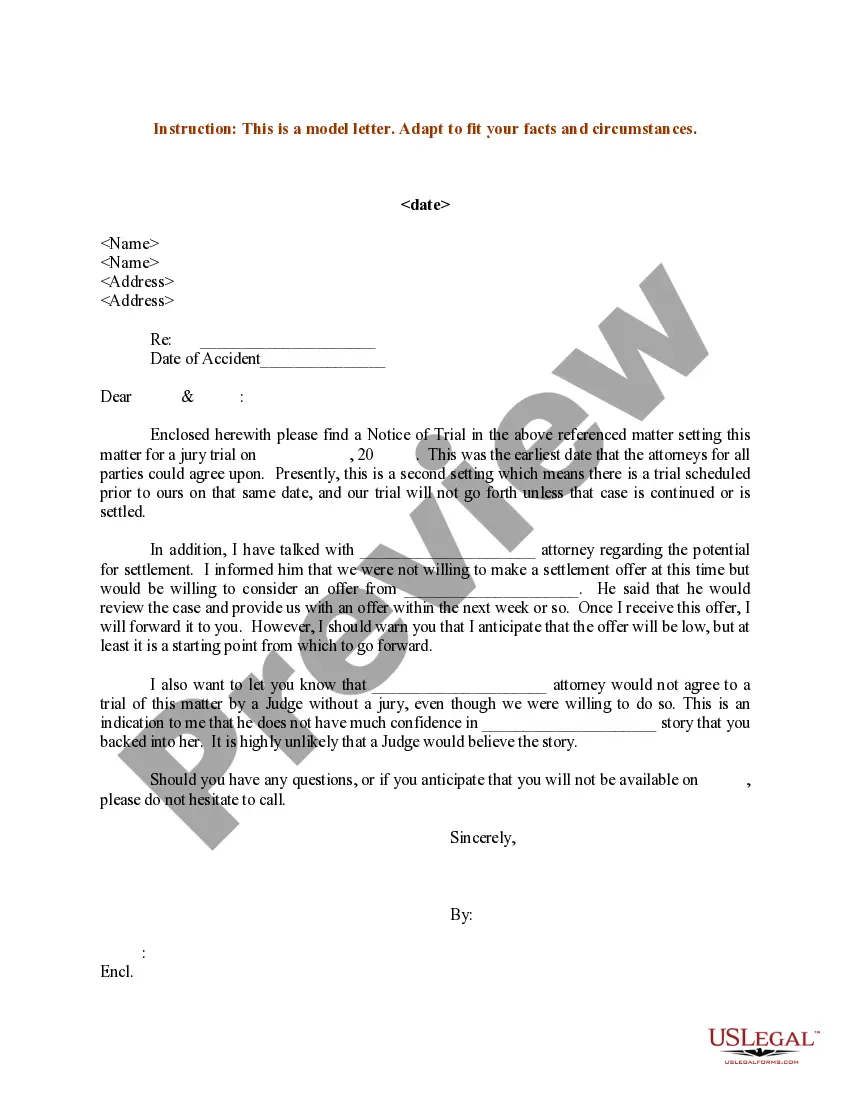
Trial Would Attorney Withdraw In Travis
Description
Get your form ready online
Our built-in tools help you complete, sign, share, and store your documents in one place.
Make edits, fill in missing information, and update formatting in US Legal Forms—just like you would in MS Word.
Download a copy, print it, send it by email, or mail it via USPS—whatever works best for your next step.
Sign and collect signatures with our SignNow integration. Send to multiple recipients, set reminders, and more. Go Premium to unlock E-Sign.
If this form requires notarization, complete it online through a secure video call—no need to meet a notary in person or wait for an appointment.
We protect your documents and personal data by following strict security and privacy standards.

Make edits, fill in missing information, and update formatting in US Legal Forms—just like you would in MS Word.

Download a copy, print it, send it by email, or mail it via USPS—whatever works best for your next step.

Sign and collect signatures with our SignNow integration. Send to multiple recipients, set reminders, and more. Go Premium to unlock E-Sign.

If this form requires notarization, complete it online through a secure video call—no need to meet a notary in person or wait for an appointment.

We protect your documents and personal data by following strict security and privacy standards.
Looking for another form?



Form popularity
FAQ
You can't fire your attorney. You can only ask the judge to discharge the public defender. So, it depends on whether or not the judge would be willing to continue your case, or not. If the judge does not want to continue your case, he/she can refuse your request to discharge the public defender and hire a private one.
Mandatory Withdrawal A lawyer ordinarily must decline employment if the employment will cause the lawyer to engage in conduct that the lawyer knows is illegal or that violates the Texas Disciplinary Rules of Professional Conduct.
A motion to dismiss must be: (a) filed within 60 days after the first pleading containing the challenged cause of action is served on the movant; (b) filed at least 21 days before the motion is heard; and (c) granted or denied within 45 days after the motion is filed.
The judge will allow an attorney to withdraw if they have a good reason. This rule is in Rule 10 of the Texas Rules of Civil Procedure. If a lawyer quits, they must notify you and provide any important documents and information.
An attorney may withdraw from representing a party only upon written motion for good cause shown.
In a Rule 11 agreement, you and the other parent can agree about things such as how medical, psychological, and educational decisions are made. This also includes determining where your child will live and which parent will be considered the custodial parent. See Texas Family Code chapter 153.
Rule 193.3(d) is a new provision that allows a party to assert a claim of privilege to material or information produced inadvertently without intending to waive the privilege. The provision is commonly used in complex cases to reduce costs and risks in large document productions.
The Firing Process You should outline the reasons for your decision and request the termination of any legal services moving forward. It's best to send this letter by certified mail. An attorney who has been fired has an obligation to withdraw from the case, ing to the Texas Rules of Civil Procedure.
Write and Sign a Revocation Letter A revocation letter is a written document that clearly states you are revoking the power of attorney that you created on a certain date. You want to sign the letter in front of a notary public and record it with the county clerk in the county where you reside.
Rule 92. General Denial (1941) A general denial of matters pleaded by the adverse party which are not required to be denied under oath, shall be sufficient to put the same in issue.