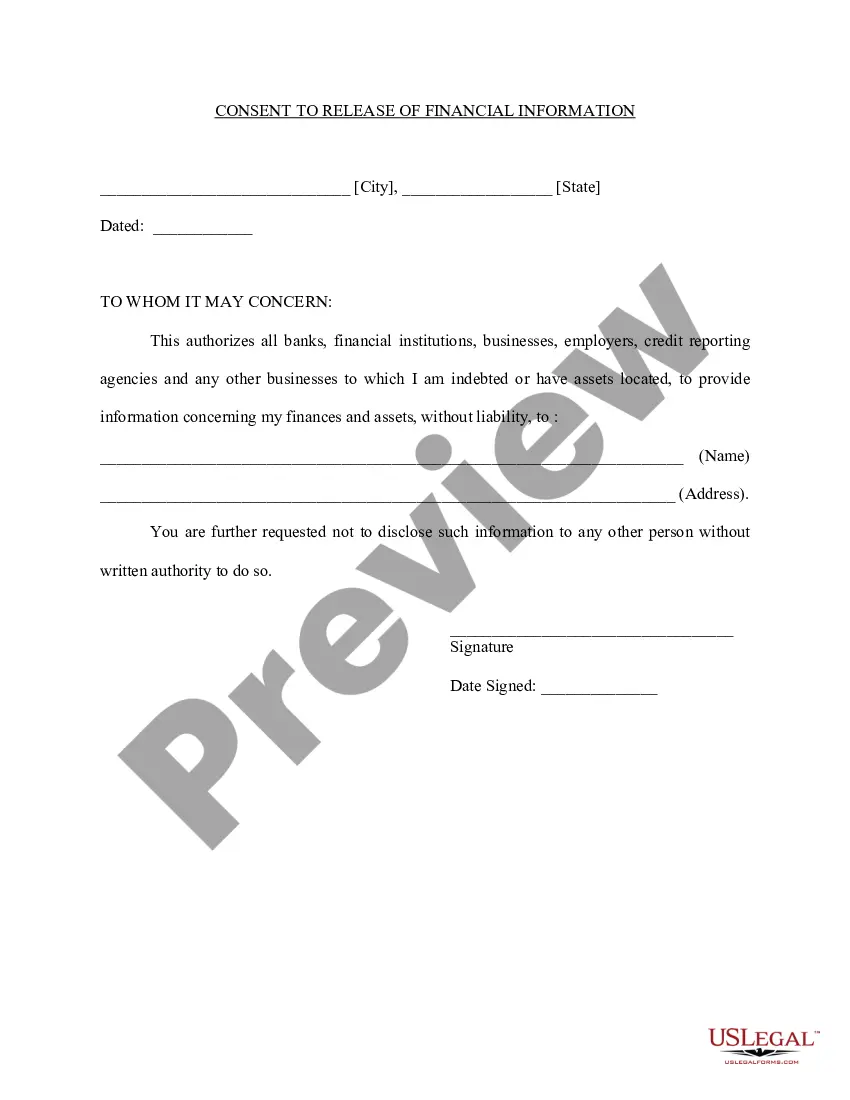
Ferpa Release Information Without Consent In Minnesota
Description

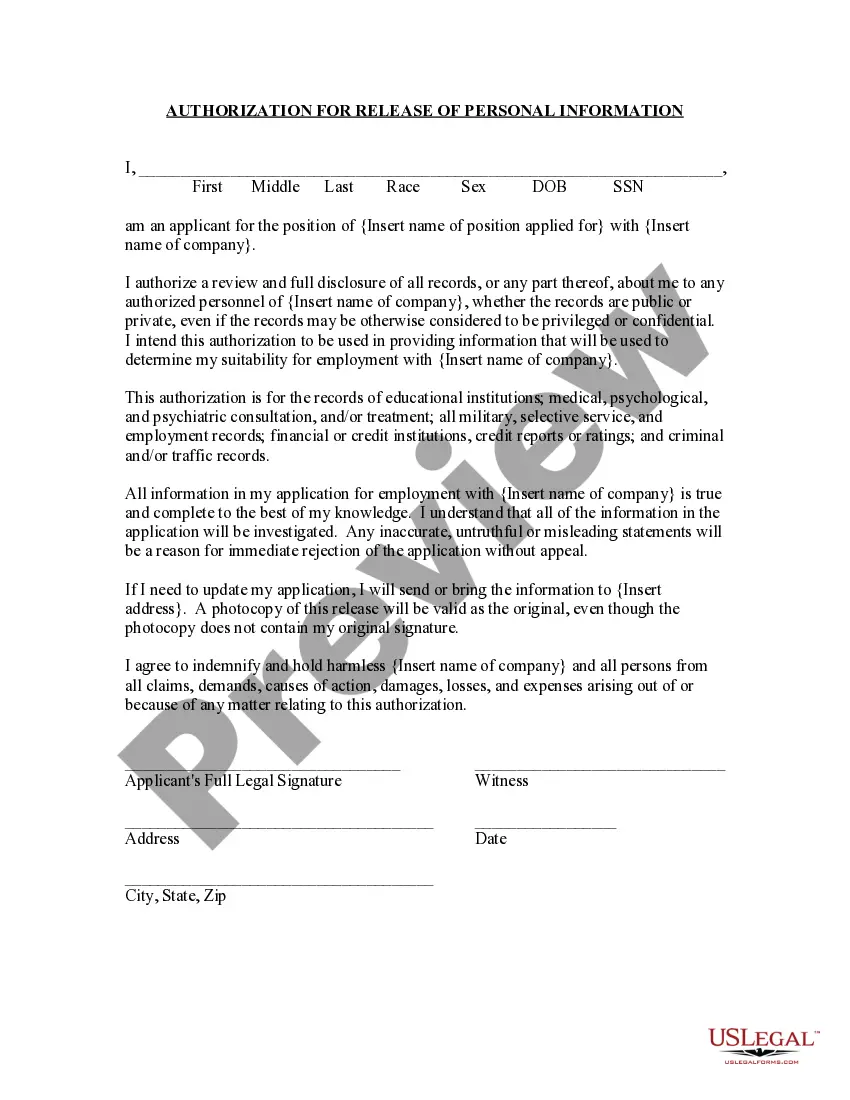
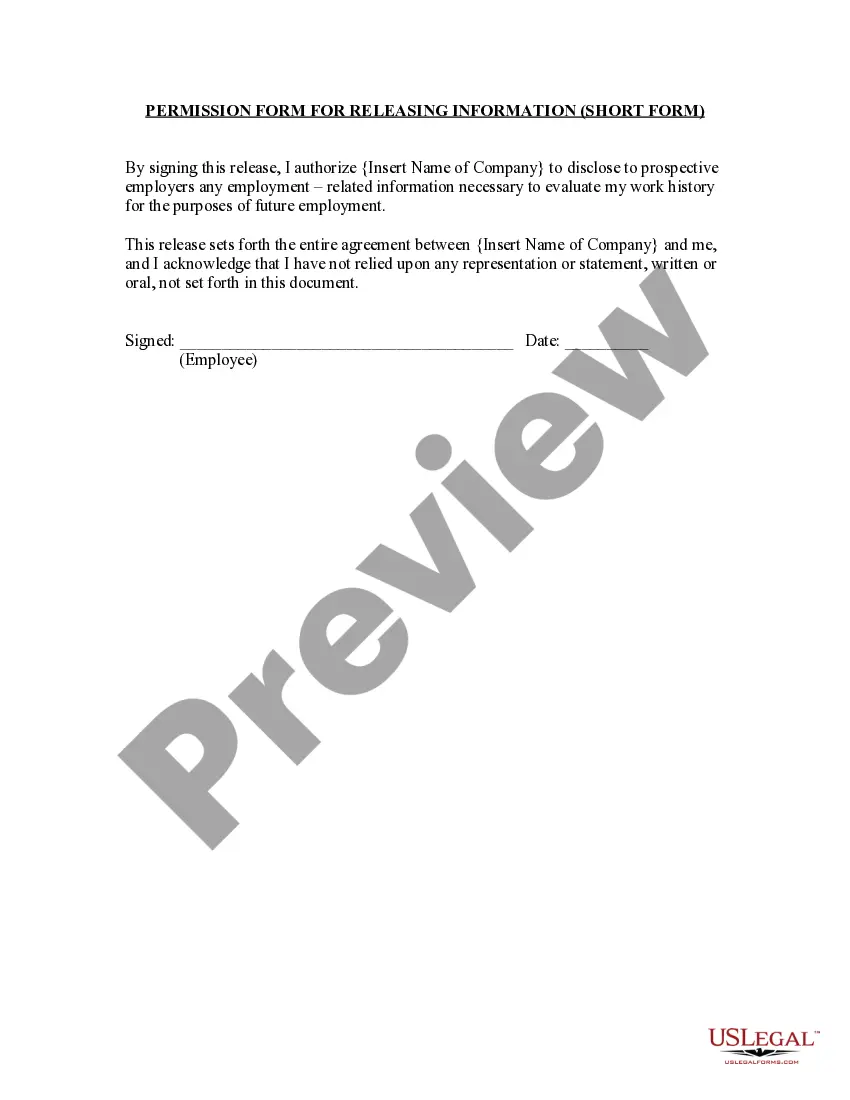
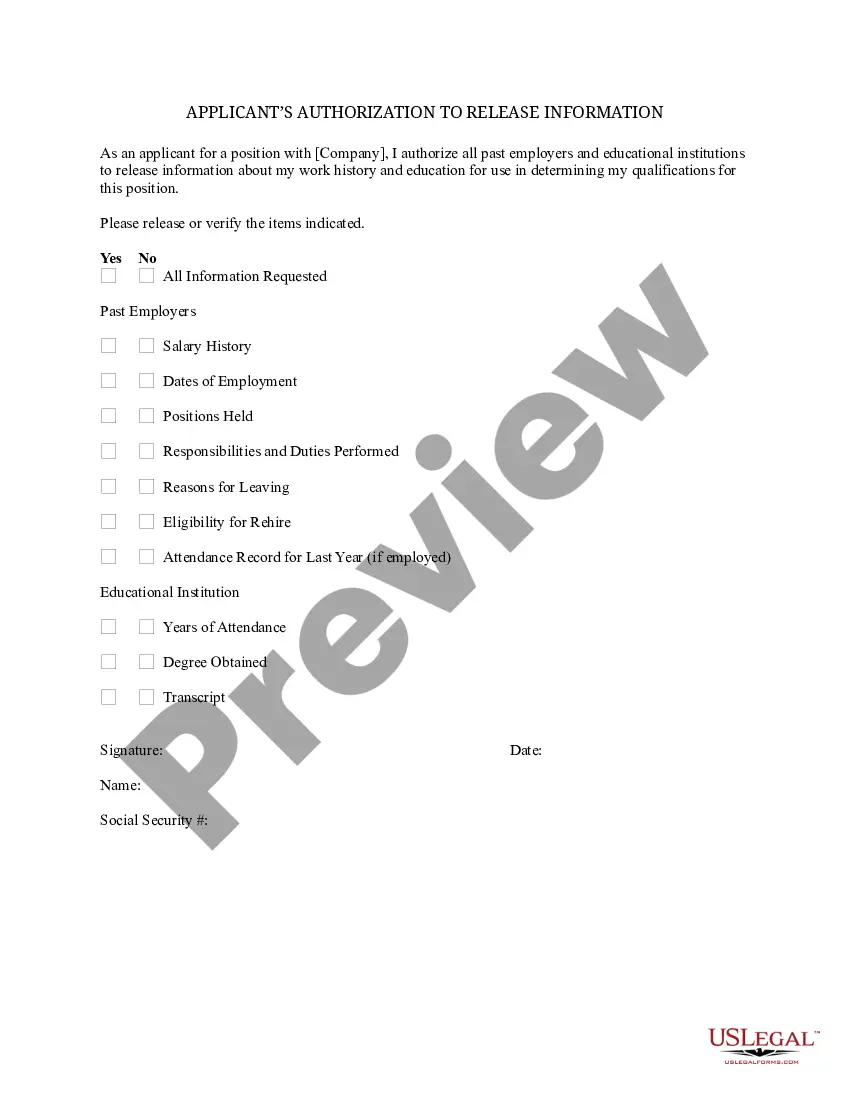
Get your form ready online
Our built-in tools help you complete, sign, share, and store your documents in one place.
Make edits, fill in missing information, and update formatting in US Legal Forms—just like you would in MS Word.
Download a copy, print it, send it by email, or mail it via USPS—whatever works best for your next step.
Sign and collect signatures with our SignNow integration. Send to multiple recipients, set reminders, and more. Go Premium to unlock E-Sign.
If this form requires notarization, complete it online through a secure video call—no need to meet a notary in person or wait for an appointment.
We protect your documents and personal data by following strict security and privacy standards.

Make edits, fill in missing information, and update formatting in US Legal Forms—just like you would in MS Word.

Download a copy, print it, send it by email, or mail it via USPS—whatever works best for your next step.

Sign and collect signatures with our SignNow integration. Send to multiple recipients, set reminders, and more. Go Premium to unlock E-Sign.

If this form requires notarization, complete it online through a secure video call—no need to meet a notary in person or wait for an appointment.

We protect your documents and personal data by following strict security and privacy standards.
Looking for another form?









Form popularity
FAQ
The Federal Educational Rights Privacy Act (FERPA) is the federal law that protects personally identifiable information included in student educational records.
Minnesota does have a Romeo and Juliet law that provides limited close-in-age exceptions. Particularly if one person is under the age of 16 and the other is not more than 36 months older provided the older person is not in a position of authority or in a significant relationship with the younger person.
Minnesota Law Minnesota is one of the 39 states that have adopted the one party consent law when it comes to audio and video surveillance. As Minnesota Statue 626A. 02 Subd.
Minnesota law requires that every child between 7 and 17 years of age must receive an education. Minnesota State Statute 120. A22 requires that every child from age 7, or upon enrollment in school, is required to attend school each and every day and every class period.
The Minnesota Student Data Privacy Act, enacted in 2022, protects student privacy in public schools by regulating how educational data is handled. It restricts technology providers and schools from monitoring students through school-issued devices and sets rules for managing student data.
Final answer: School officials can release identifiable information without parental consent when required by law, in emergencies or to school officials with legitimate interests.
Furthermore, schools may disclose, without consent, directory information, which FERPA defines as a student's name, address, telephone number, date and place of birth, honors and awards, and dates of attendance.
Specifically, schools must notify parents and eligible students of the right: to inspect and review education records and the procedures to do so; to seek amendment of records the parent or eligible student believes are inaccurate and the procedures to so do; to consent to disclosures of education records, except to ...
A school may disclose personally identifiable information from education records without consent under the following circumstances: Education records may be disclosed to school officials within the school, such as teachers, who have a legitimate educational interest in the information.