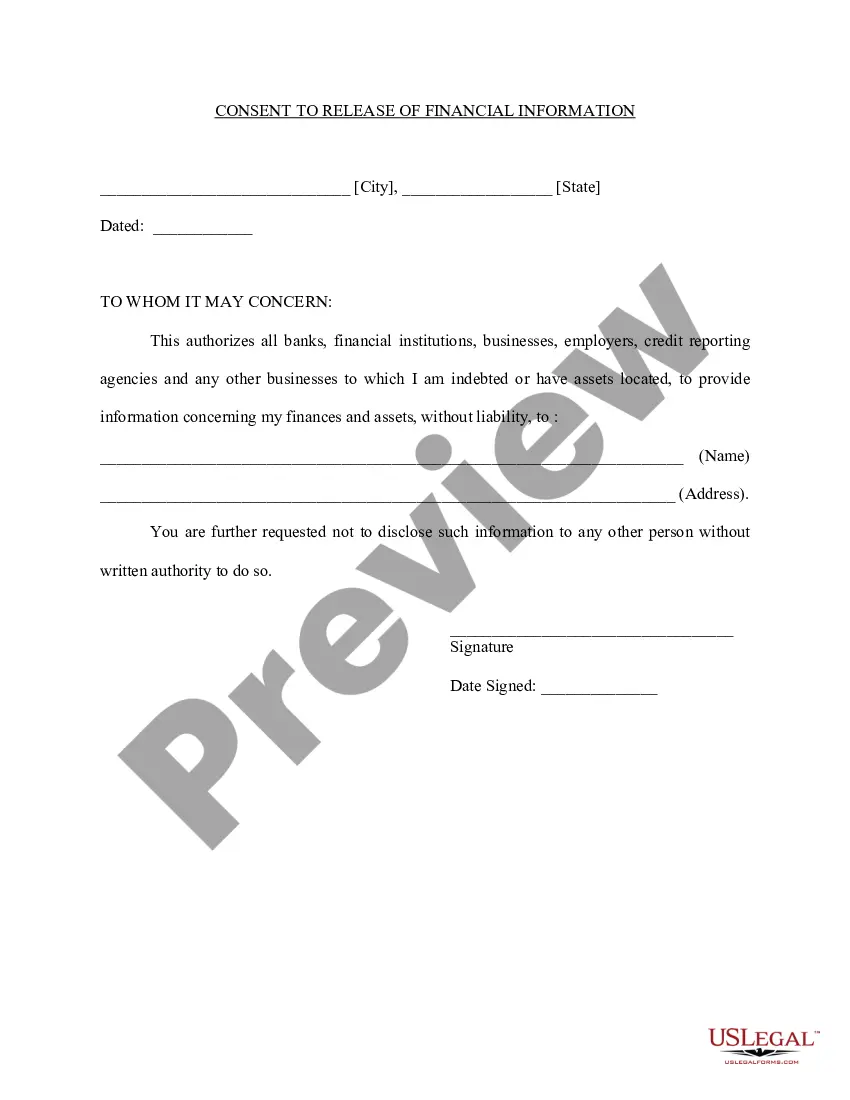
Ferpa Release Information Without Consent In Cuyahoga
Description

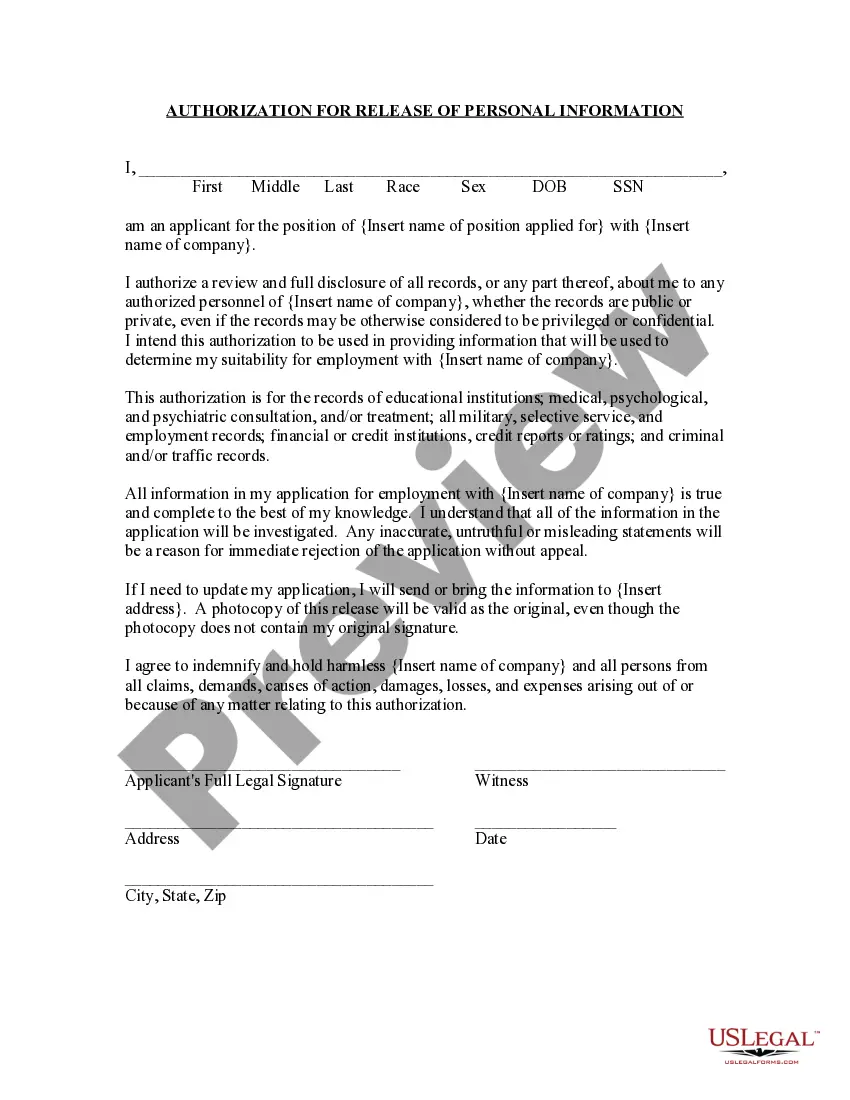
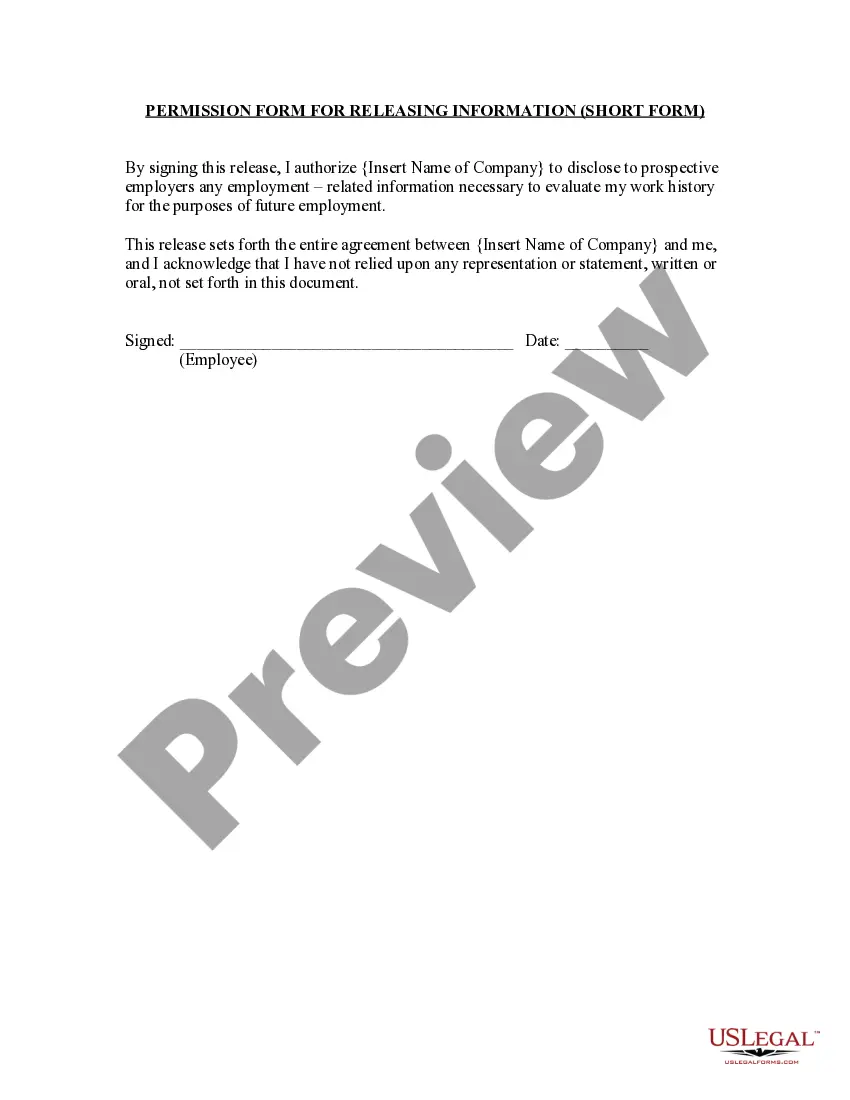
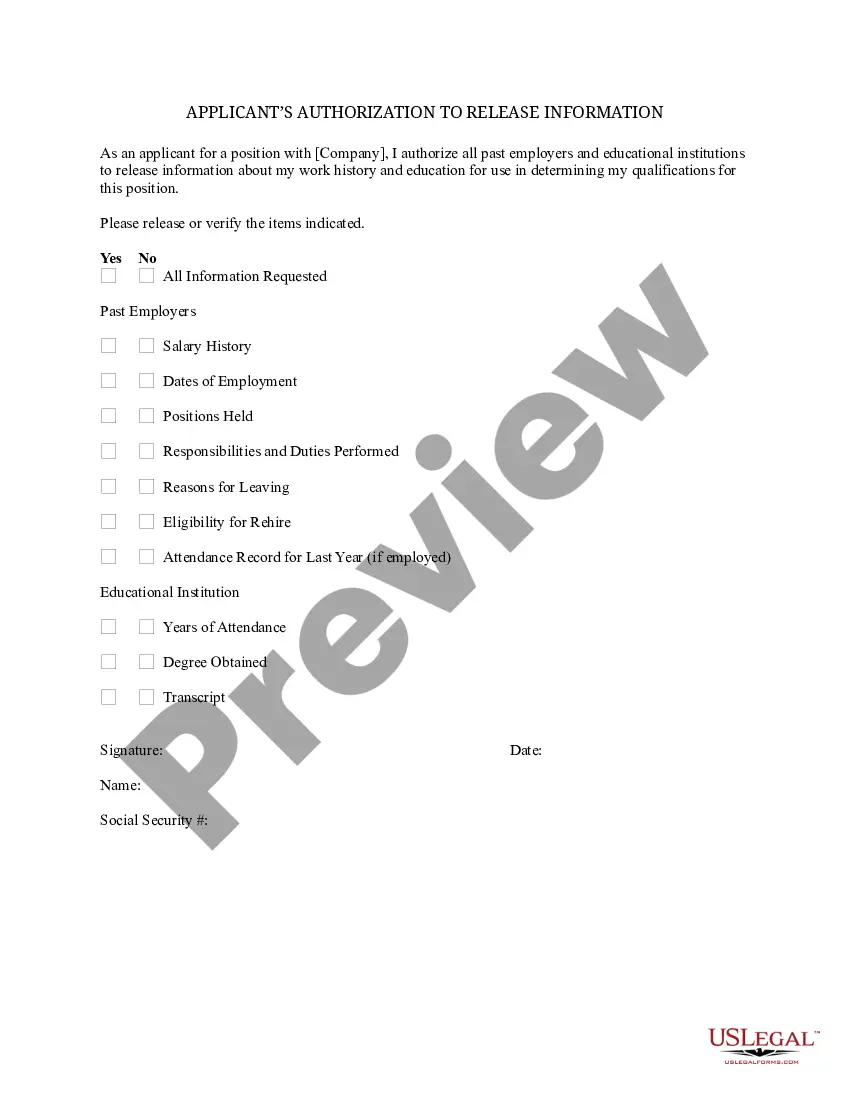
Get your form ready online
Our built-in tools help you complete, sign, share, and store your documents in one place.
Make edits, fill in missing information, and update formatting in US Legal Forms—just like you would in MS Word.
Download a copy, print it, send it by email, or mail it via USPS—whatever works best for your next step.
Sign and collect signatures with our SignNow integration. Send to multiple recipients, set reminders, and more. Go Premium to unlock E-Sign.
If this form requires notarization, complete it online through a secure video call—no need to meet a notary in person or wait for an appointment.
We protect your documents and personal data by following strict security and privacy standards.

Make edits, fill in missing information, and update formatting in US Legal Forms—just like you would in MS Word.

Download a copy, print it, send it by email, or mail it via USPS—whatever works best for your next step.

Sign and collect signatures with our SignNow integration. Send to multiple recipients, set reminders, and more. Go Premium to unlock E-Sign.

If this form requires notarization, complete it online through a secure video call—no need to meet a notary in person or wait for an appointment.

We protect your documents and personal data by following strict security and privacy standards.
Looking for another form?



Form popularity
FAQ
Final answer: School officials can release identifiable information without parental consent when required by law, in emergencies or to school officials with legitimate interests.
The Family Educational Rights and Privacy Act of 1974, as amended (otherwise known as FERPA), sets forth requirements regarding the privacy of student records. FERPA governs release of records maintained by an educational institution and access to those records.
(B) No person shall release, or permit access to, personally identifiable information other than directory information concerning any student attending a public school, for purposes other than those identified in division (C), (E), (G), or (H) of this section, without the written consent of the parent, guardian, or ...
With the bill now enacted, Ohio schools – both public and private – can hire unlicensed educators as long as they are “otherwise qualified based on experience” and the Board of Education approves it and provides professional development where needed.
Rule 33-13-37 | Electronic recording of classroom activities. The policy governs the electronic recording made by students, faculty, and staff in a classroom or other official academic setting. Electronic recording is not permitted unless explicit permission is granted and other students are notified.
The Family Educational Rights and Privacy Act (FERPA) (20 U.S.C. § 1232g; 34 CFR Part 99) is a Federal law that protects the privacy of student education records. The law applies to all schools that receive funds under an applicable program of the U.S. Department of Education.