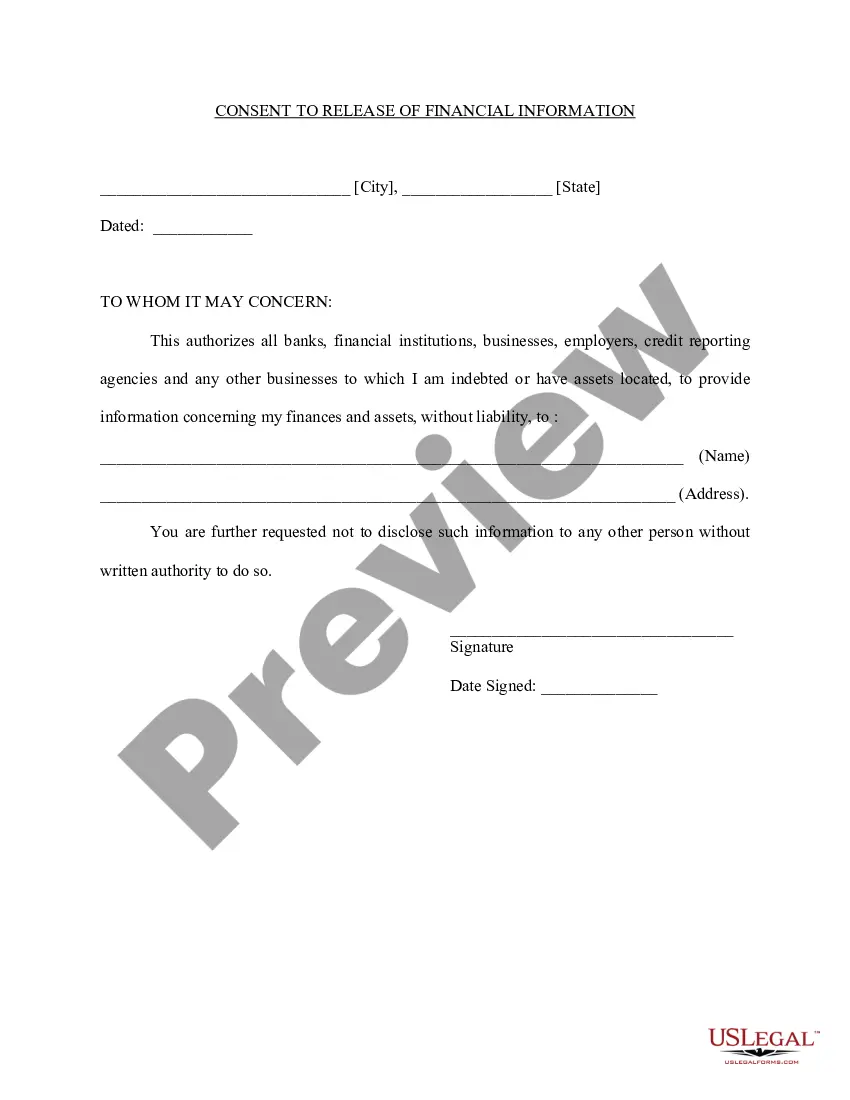
Personal Information Released Without Consent In Cook
Description

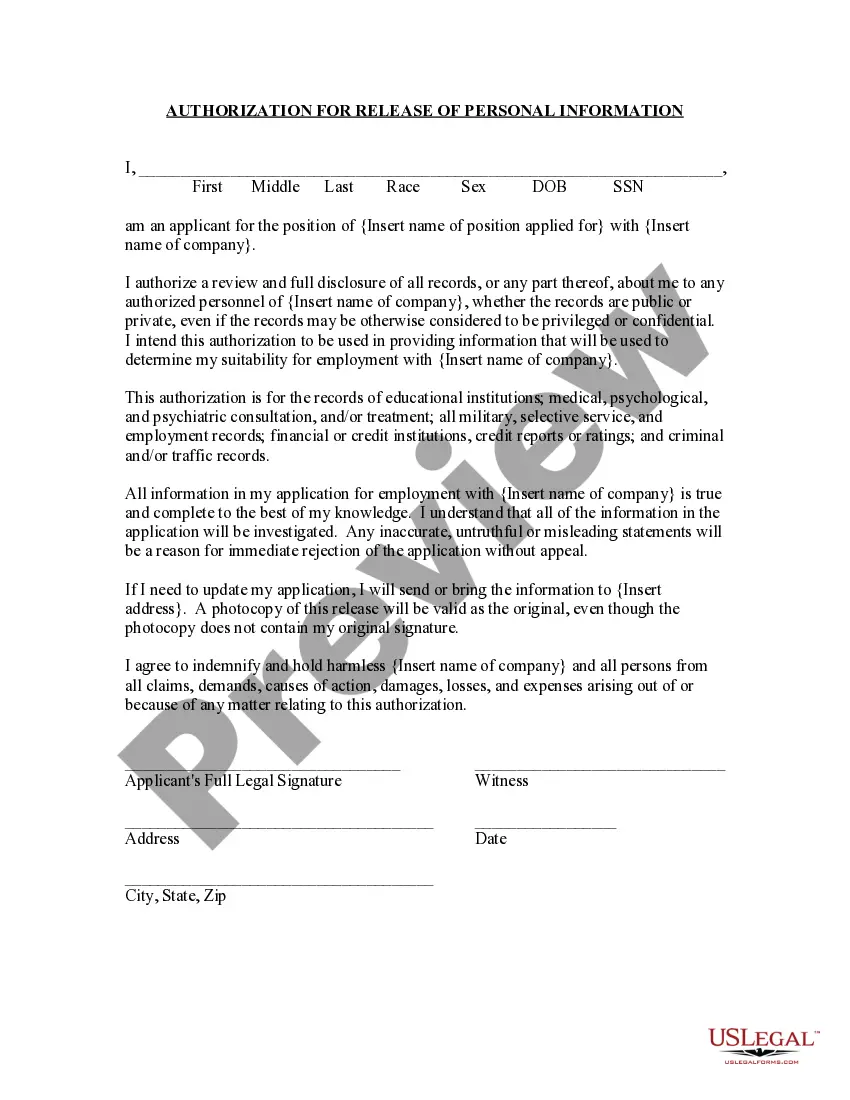
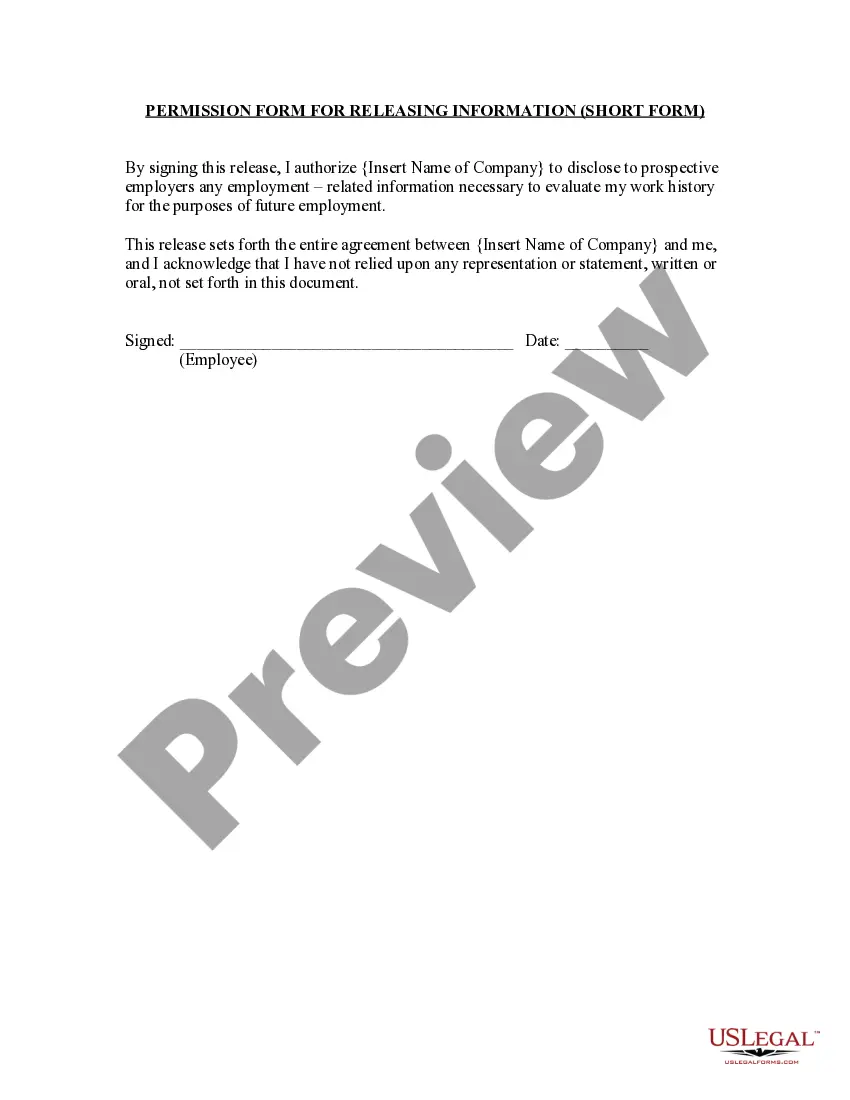
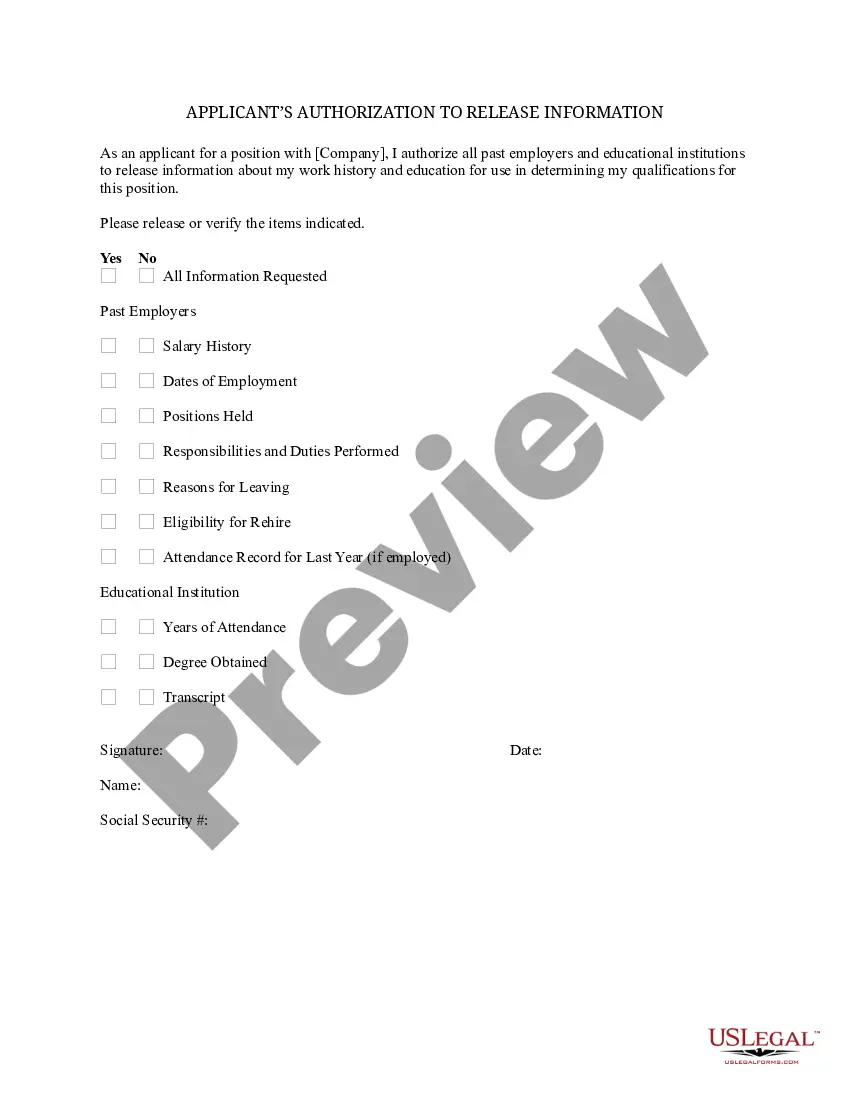
Get your form ready online
Our built-in tools help you complete, sign, share, and store your documents in one place.
Make edits, fill in missing information, and update formatting in US Legal Forms—just like you would in MS Word.
Download a copy, print it, send it by email, or mail it via USPS—whatever works best for your next step.
Sign and collect signatures with our SignNow integration. Send to multiple recipients, set reminders, and more. Go Premium to unlock E-Sign.
If this form requires notarization, complete it online through a secure video call—no need to meet a notary in person or wait for an appointment.
We protect your documents and personal data by following strict security and privacy standards.

Make edits, fill in missing information, and update formatting in US Legal Forms—just like you would in MS Word.

Download a copy, print it, send it by email, or mail it via USPS—whatever works best for your next step.

Sign and collect signatures with our SignNow integration. Send to multiple recipients, set reminders, and more. Go Premium to unlock E-Sign.

If this form requires notarization, complete it online through a secure video call—no need to meet a notary in person or wait for an appointment.

We protect your documents and personal data by following strict security and privacy standards.
Looking for another form?







Form popularity
FAQ
What is Consent for Data Processing? Consent for Data Processing refers to a process by which an organization obtains direct permission from individuals before processing their data.
I hereby acknowledge that the company may require further personal information and/or special personal information from me as the matter progresses and I hereby consent to providing the Company with this in advance, as well as consenting to the Company sharing such information with the relevant third-party agents for ...
An organisation or agency 'discloses' your personal information if they give access to it, or show it to another individual, organisation or agency. This includes situations where the individual, organisation or agency receiving your personal information already knows it.
Informed consent is commonly used as the legal basis to collect personal data in research. Explicitly asking participants whether their personal data can be collected for a particular purpose, gives them an opportunity to be informed, ask questions, and decide whether they wish to participate.
Legitimate interests: you can process personal data without consent if you need to do so for a genuine and legitimate reason (including commercial benefit), unless this is outweighed by the individual's rights and interests. Please note however that public authorities are restricted in their ability to use this basis.
In summary, you can process personal data without consent if it's necessary for: A contract with the individual: for example, to supply goods or services they have requested, or to fulfil your obligations under an employment contract.
So you not only need to have a lawful basis, but you also need to take extra steps to keep sensitive data safe. But if you haven't got a lawful basis then you shouldn't share it, no matter what extra steps you take or measures you put in place. it's part of a general or unlimited sharing arrangement.
4.3 Principle 3 - Consent. The knowledge and consent of the individual are required for the collection, use, or disclosure of personal information, except where inappropriate. Note: In certain circumstances personal information can be collected, used, or disclosed without the knowledge and consent of the individual.
“any freely given, specific, informed and unambiguous indication of the data subject's wishes by which he or she, by a statement or by a clear affirmative action, signifies agreement to the processing of personal data relating to him or her”.
Purpose Limitation: Personal data should only be collected for specified, explicit, and legitimate purposes and not further processed in a manner that is incompatible with those purposes.