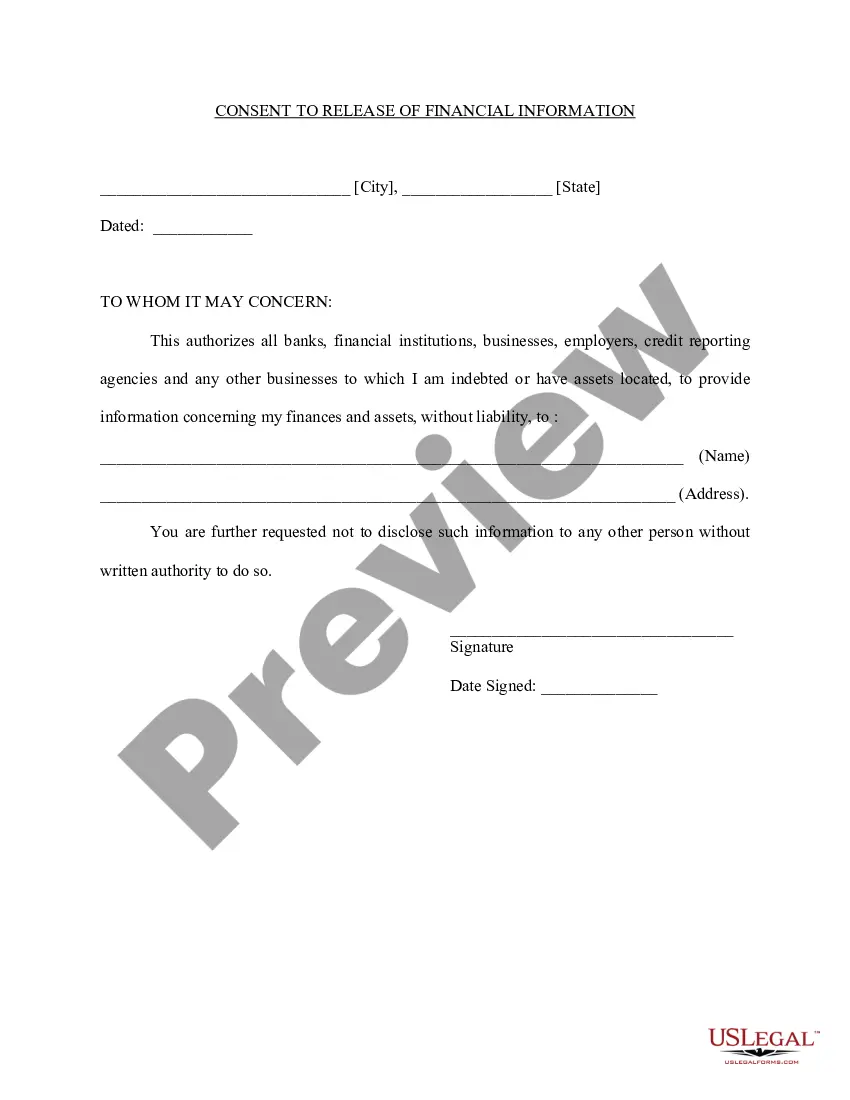
Medical Information Released Without Consent In Collin
Description

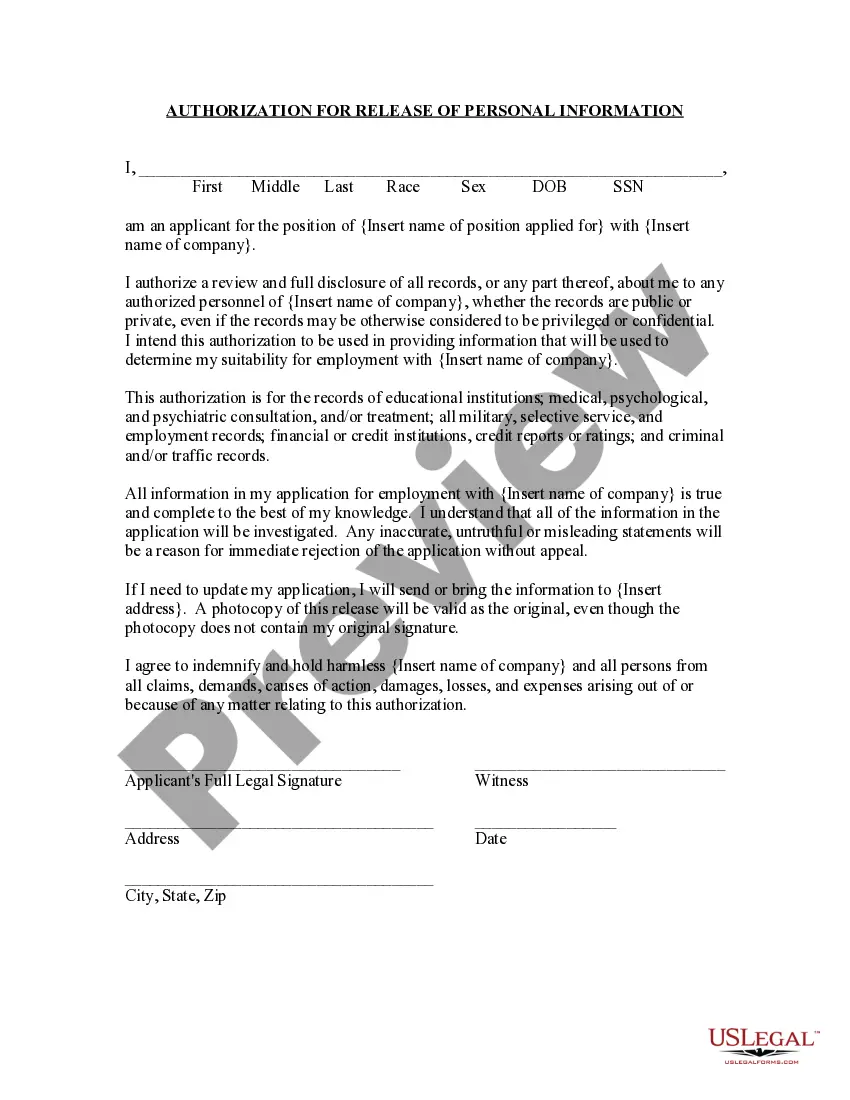
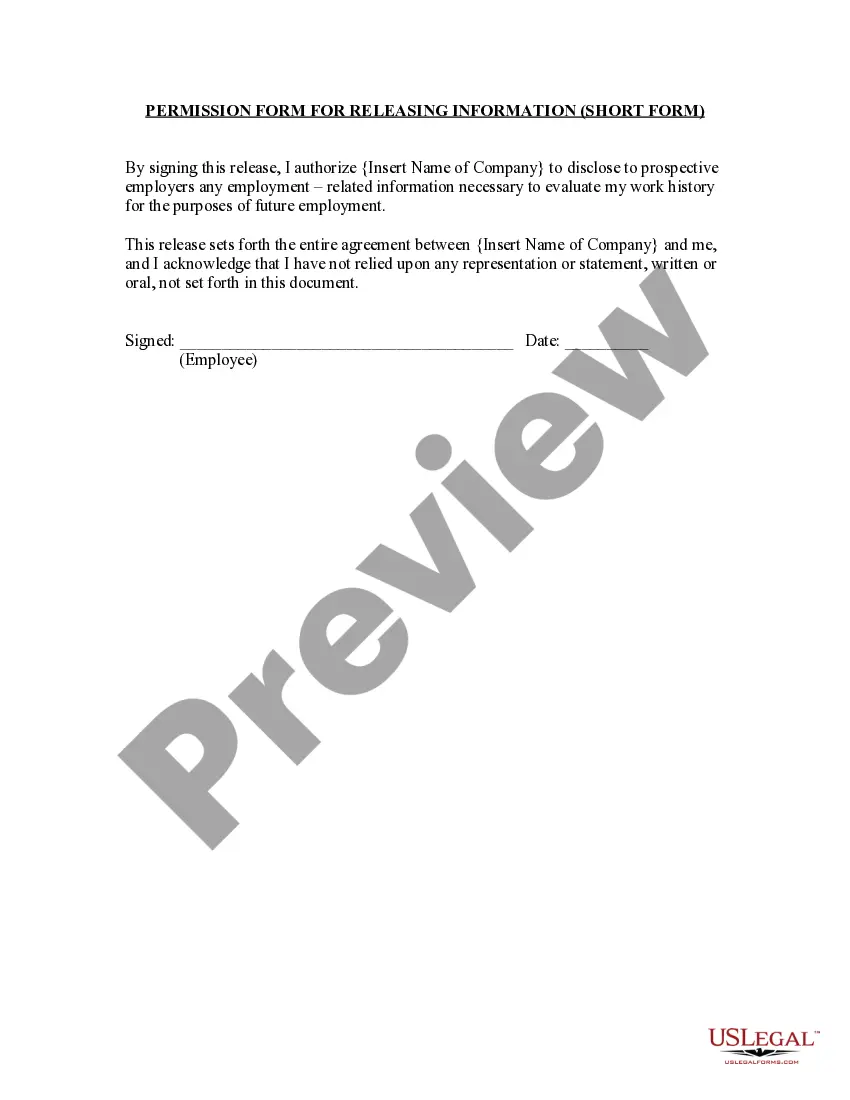
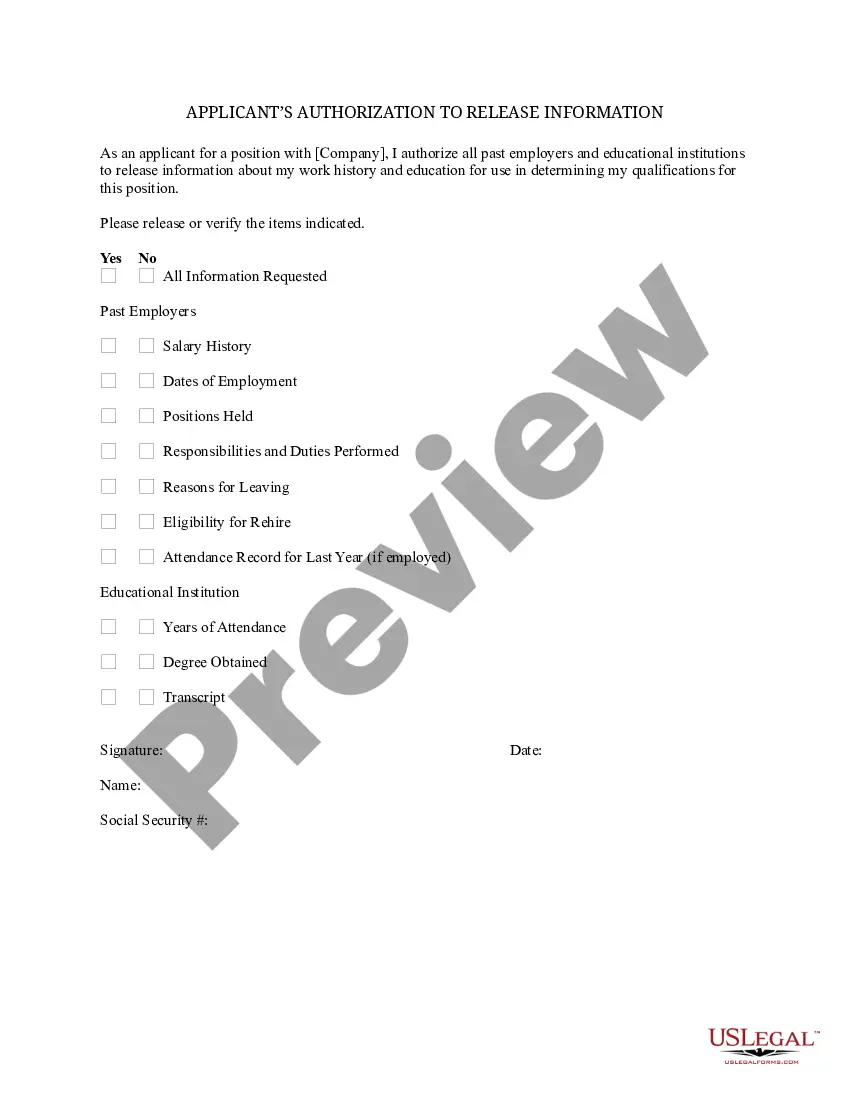
Get your form ready online
Our built-in tools help you complete, sign, share, and store your documents in one place.
Make edits, fill in missing information, and update formatting in US Legal Forms—just like you would in MS Word.
Download a copy, print it, send it by email, or mail it via USPS—whatever works best for your next step.
Sign and collect signatures with our SignNow integration. Send to multiple recipients, set reminders, and more. Go Premium to unlock E-Sign.
If this form requires notarization, complete it online through a secure video call—no need to meet a notary in person or wait for an appointment.
We protect your documents and personal data by following strict security and privacy standards.

Make edits, fill in missing information, and update formatting in US Legal Forms—just like you would in MS Word.

Download a copy, print it, send it by email, or mail it via USPS—whatever works best for your next step.

Sign and collect signatures with our SignNow integration. Send to multiple recipients, set reminders, and more. Go Premium to unlock E-Sign.

If this form requires notarization, complete it online through a secure video call—no need to meet a notary in person or wait for an appointment.

We protect your documents and personal data by following strict security and privacy standards.
Looking for another form?










Form popularity
FAQ
Release of Information Authorization Under the HIPAA Privacy Rule, when a release of information is intended for purposes other than medical treatment, healthcare operations, or payment, you'll need to sign an authorization for ROI.
If you are in the UK and have been affected by your medical records being accessed inappropriately, call us to discuss your potential to claim. If you have valid grounds, one of our experienced data breach claim solicitors could help you seek compensation.
You can view your GP health record using the NHS App or by logging into your account on the NHS website. You can create an account if you do not already have one. To view your GP record online, you must be: registered with a GP surgery.
You have the right to see your health records under the General Data Protection Regulations (GDPR). If they refuse, you could try making a 'subject access request'.
Health and care records are confidential so a person can only access someone else's records if they are authorised to do so. To access someone else's health records, a person must: be acting on their behalf with their consent, or. have legal authority to make decisions on their behalf (i.e. power of attorney), or.
Health and care records are confidential so a person can only access someone else's records if they are authorised to do so. To access someone else's health records, a person must: be acting on their behalf with their consent, or. have legal authority to make decisions on their behalf (i.e. power of attorney), or.
An individual's personal representative (generally, a person with authority under State law to make health care decisions for the individual) also has the right to access PHI about the individual in a designated record set (as well as to direct the covered entity to transmit a copy of the PHI to a designated person or ...
Health and care organisations make every effort to keep your records accurate. However, occasionally information may need to be amended about you or your care. If you think that the health or care information in your records is factually inaccurate, you have a legal right to ask for your records to be amended.