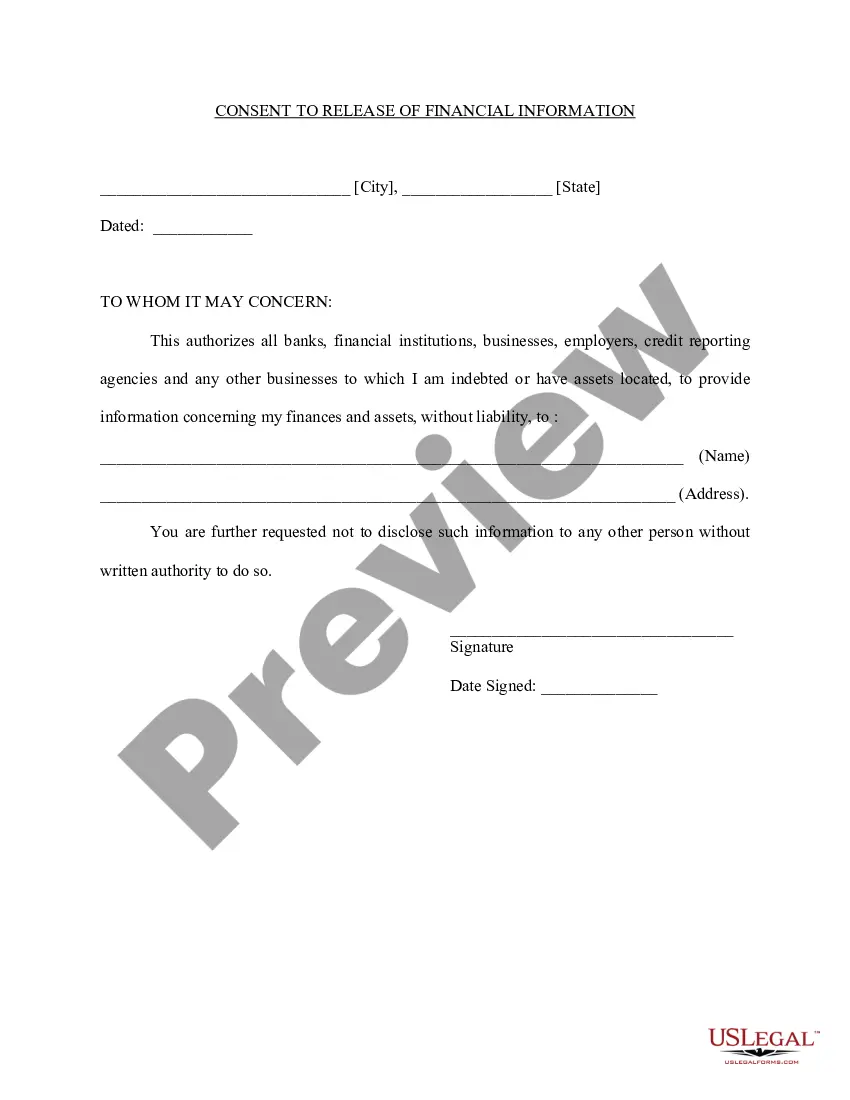
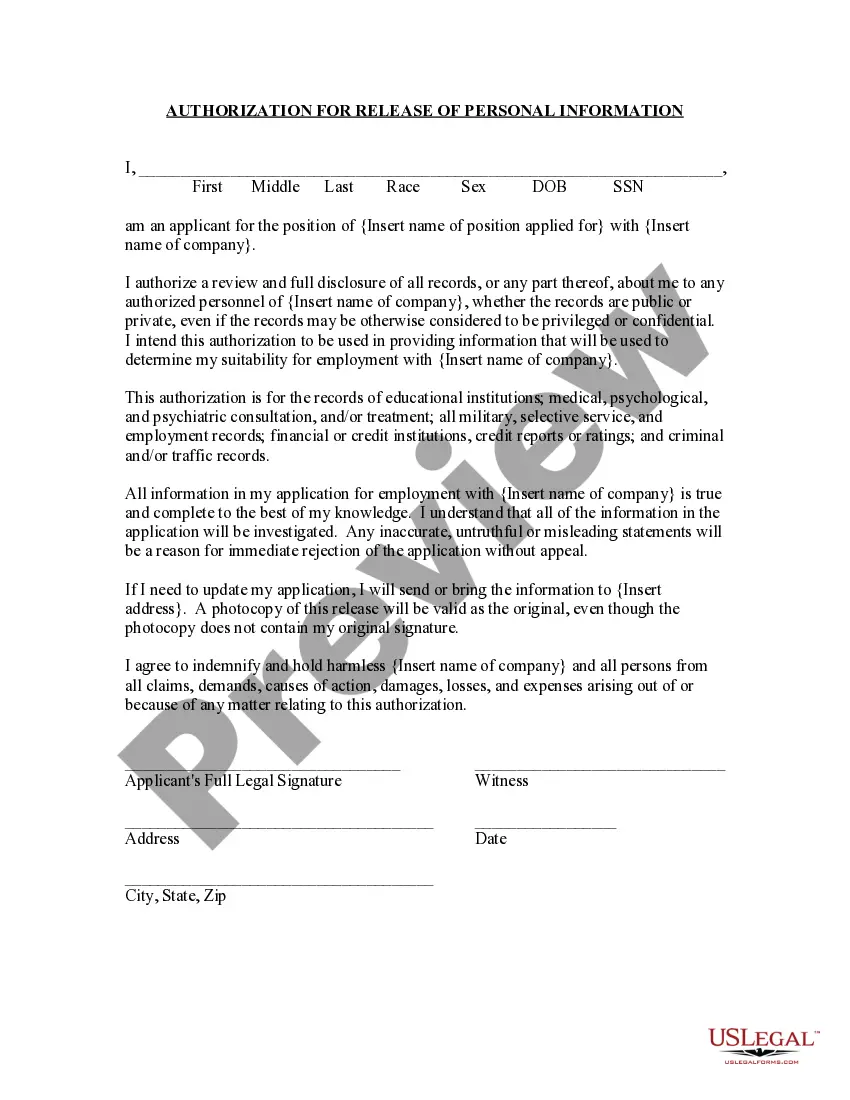
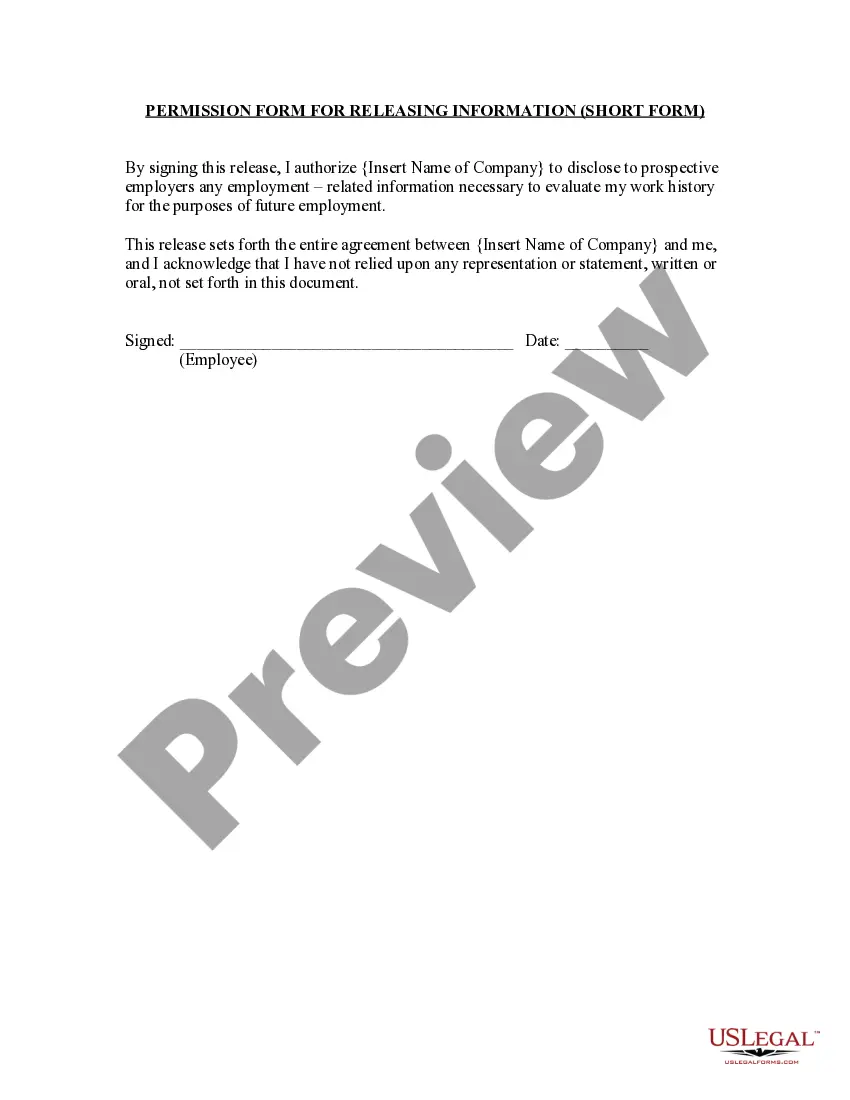
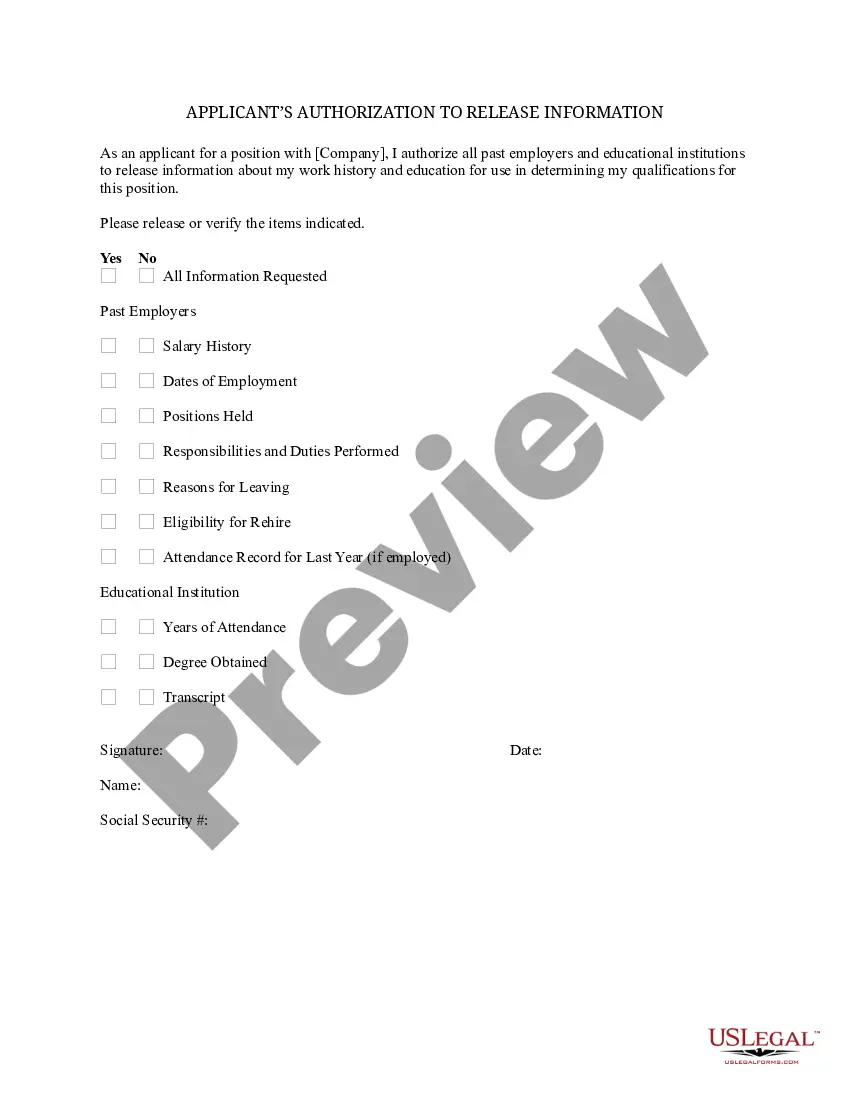
Ferpa Release Information Without Consent In Bronx
Description

Get your form ready online
Our built-in tools help you complete, sign, share, and store your documents in one place.
Make edits, fill in missing information, and update formatting in US Legal Forms—just like you would in MS Word.
Download a copy, print it, send it by email, or mail it via USPS—whatever works best for your next step.
Sign and collect signatures with our SignNow integration. Send to multiple recipients, set reminders, and more. Go Premium to unlock E-Sign.
If this form requires notarization, complete it online through a secure video call—no need to meet a notary in person or wait for an appointment.
We protect your documents and personal data by following strict security and privacy standards.

Make edits, fill in missing information, and update formatting in US Legal Forms—just like you would in MS Word.

Download a copy, print it, send it by email, or mail it via USPS—whatever works best for your next step.

Sign and collect signatures with our SignNow integration. Send to multiple recipients, set reminders, and more. Go Premium to unlock E-Sign.

If this form requires notarization, complete it online through a secure video call—no need to meet a notary in person or wait for an appointment.

We protect your documents and personal data by following strict security and privacy standards.
Looking for another form?







Form popularity
FAQ
Records which are kept in the sole possession of the maker of the records, are used only as a personal memory aid, and are not accessible or revealed to any other person except a temporary substitute for the maker of the records.
Typically, "directory information" includes information such as name, address, telephone listing, date and place of birth, participation in officially recognized activities and sports, and dates of attendance.
Among those more serious violations are the following: Academic dishonesty, like cheating or plagiarizing. Using profane, obscene, or ethnically offensive language. Drug use and possession of controlled substances or drug paraphernalia on campus.
Common FERPA violation examples include unauthorized grade disclosures, sharing PII in recommendation letters without consent, using group emails with visible recipients, discussing student information publicly, mishandling digital records, improperly releasing directory information, leaving records unsecured, failing ...
Common FERPA violation examples include unauthorized grade disclosures, sharing PII in recommendation letters without consent, using group emails with visible recipients, discussing student information publicly, mishandling digital records, improperly releasing directory information, leaving records unsecured, failing ...
FERPA violation example No. Students' academic standing is protected information. Telling other students that their classmate is on probation, or suspended from activities, owing to a declining grade point average, is a FERPA violation.
Examples of this violation include: Accidentally or purposefully emailing student information to unauthorized parties. Sharing a student athlete's academic status with unauthorized parties. Sharing a student's grades or identifying information with unauthorized parties.
Under FERPA, education records may be released without consent to certain school or government officials, including the following: school officials with a legitimate educational interest in the records; school officials at a school to which a student intends to transfer, as long as the parents are notified of the ...
Directory information. Schools may disclose, without consent, directory information such as a student's name, address, telephone number, date and place of birth, honors and awards, and dates of attendance.
FERPA prohibits the release of personally identifiable information without parental consent.