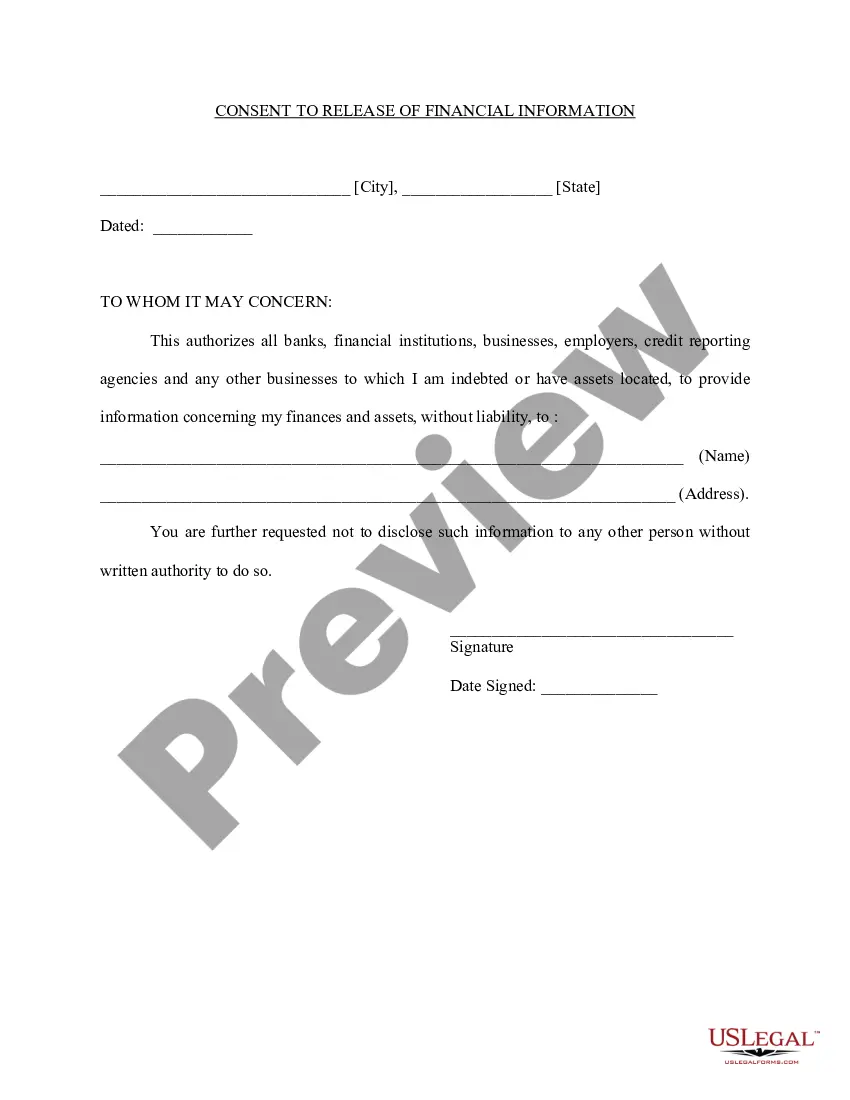
Personal Information Released Without Consent In Allegheny
Description

Get your form ready online
Our built-in tools help you complete, sign, share, and store your documents in one place.
Make edits, fill in missing information, and update formatting in US Legal Forms—just like you would in MS Word.
Download a copy, print it, send it by email, or mail it via USPS—whatever works best for your next step.
Sign and collect signatures with our SignNow integration. Send to multiple recipients, set reminders, and more. Go Premium to unlock E-Sign.
If this form requires notarization, complete it online through a secure video call—no need to meet a notary in person or wait for an appointment.
We protect your documents and personal data by following strict security and privacy standards.

Make edits, fill in missing information, and update formatting in US Legal Forms—just like you would in MS Word.

Download a copy, print it, send it by email, or mail it via USPS—whatever works best for your next step.

Sign and collect signatures with our SignNow integration. Send to multiple recipients, set reminders, and more. Go Premium to unlock E-Sign.

If this form requires notarization, complete it online through a secure video call—no need to meet a notary in person or wait for an appointment.

We protect your documents and personal data by following strict security and privacy standards.
Looking for another form?
Form popularity
FAQ
On January 1, 2009, a new Right to Know Law (the "RTKL") took effect in the Commonwealth of Pennsylvania. Under this statute, public records of the City of Pittsburgh are generally available to citizens who request them.
If you would like to request records from the Pennsylvania Human Relations Commission (PHRC), you will need to download a PHRC right-to-know request form. The form can be dropped off in-person, mailed, emailed, or faxed to the PHRC.
Section 702 of the RTKL provides that “Agencies may fulfill verbal, written or anonymous verbal or written requests under this act.” Therefore, agencies have discretion as to whether they will answer anonymous requests.
The Pennsylvania Right-to-Know Law allows the public to inspect and/or obtain copies of Allegheny County Sheriff's public records. You may file a Right-to-Know request: Email – Form at bottom of this page. Mail – 436 Grant Street, Courthouse 111, Pittsburgh, PA 15219, ATTN RTK.
Under the Right-To-Know Law, all records are presumed to be public records unless disclosure is barred by: (1) state or federal law or regulation; (2) judicial order; (3), privilege, e.g., attorney-client or doctor-patient; or (4) one of the exceptions in Section 708 of the Right-to-Know Law.
All U.S. citizens have the right to request public records. If you want to request law enforcement records or data, you can submit a request in writing using the PSP or Office of Open Records (OOR) form.