Caregiver Form Sample For Parents In Wayne
Description



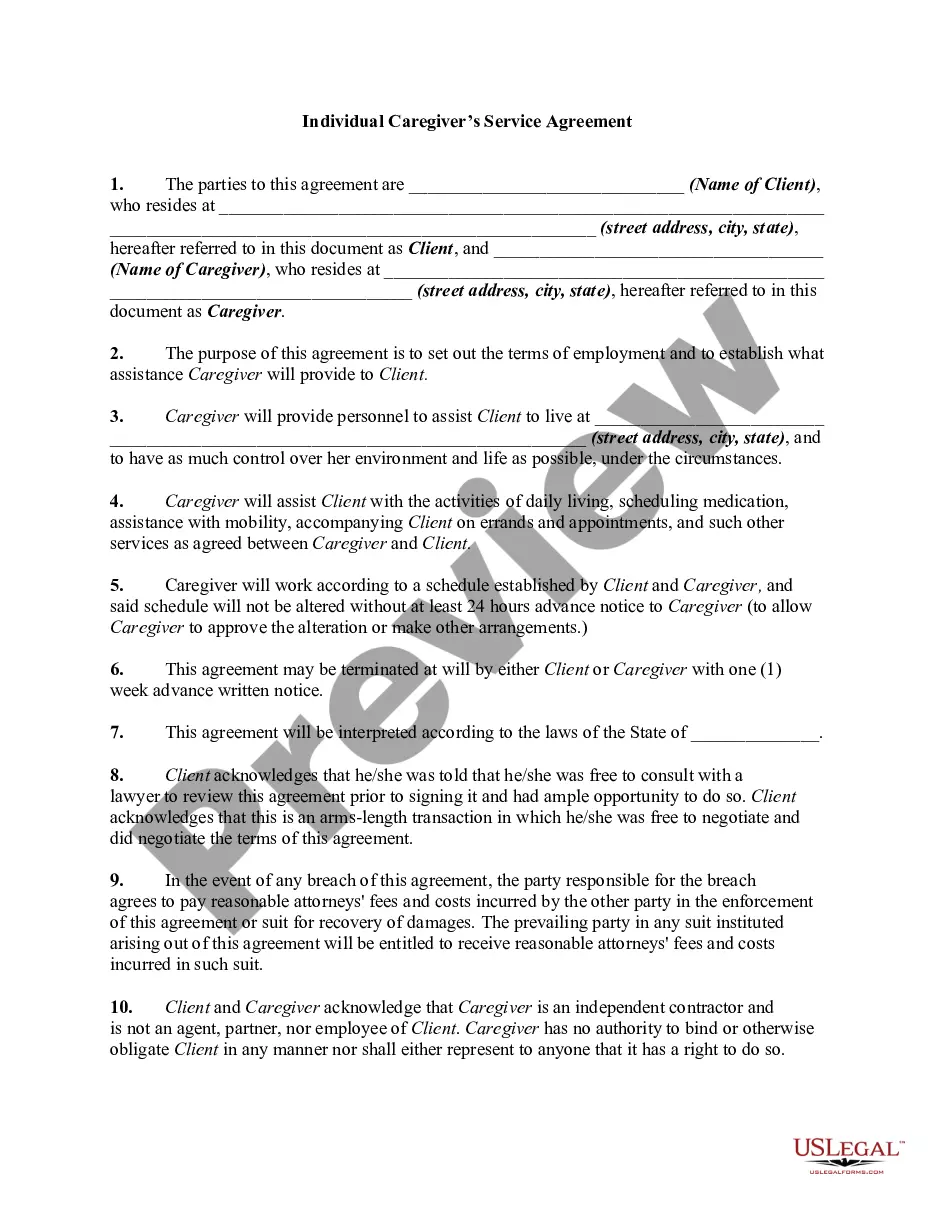


Get your form ready online
Our built-in tools help you complete, sign, share, and store your documents in one place.
Make edits, fill in missing information, and update formatting in US Legal Forms—just like you would in MS Word.
Download a copy, print it, send it by email, or mail it via USPS—whatever works best for your next step.
Sign and collect signatures with our SignNow integration. Send to multiple recipients, set reminders, and more. Go Premium to unlock E-Sign.
If this form requires notarization, complete it online through a secure video call—no need to meet a notary in person or wait for an appointment.
We protect your documents and personal data by following strict security and privacy standards.

Make edits, fill in missing information, and update formatting in US Legal Forms—just like you would in MS Word.

Download a copy, print it, send it by email, or mail it via USPS—whatever works best for your next step.

Sign and collect signatures with our SignNow integration. Send to multiple recipients, set reminders, and more. Go Premium to unlock E-Sign.

If this form requires notarization, complete it online through a secure video call—no need to meet a notary in person or wait for an appointment.

We protect your documents and personal data by following strict security and privacy standards.
Looking for another form?









Form popularity
FAQ
Passing State-Mandated Competency Examinations. Upon completing your caregiver training course, you must pass a competency exam. This exam is a requirement for getting your caregiver certification. Passing this exam proves that you have the relevant skills and knowledge to care for others professionally.
6 signs you're a family caregiver You run errands for others. You keep track of another's finances. You prepare meals for your family. You help with transportation. You attend a loved one's doctor appointments. You put your family's schedule and needs before your own.
In some areas, carers can also apply for a carers card, which acts as physical ID that lets others, such as shops or attractions, know that you're a carer. Carers can find out if they can get a carers card by checking with their local carer support organisation or local authority.
A carer is anyone, including children and adults who looks after a family member, partner or friend who needs help because of their illness, frailty, disability, a mental health problem or an addiction and cannot cope without their support. The care they give is unpaid.
Tip 1: Accept your feelings. Tip 2: Find caregiver support. Tip 3: Really connect with your loved one. Tip 4: Attend to your own needs. Tip 5: Take advantage of community services. Tip 6: Provide long-distance care.
The act of giving consent means that a person intends to allow, approve, agree, or is willing to comply with something. A consent form is a document that is signed by a person (or on behalf of the person whom they are a guardian) to show that they are in agreement with the contents of the document.
Emphasis on Role: “Caregiver” and “carer” emphasize the act of giving care, with a focus on the practical and emotional work involved. “Caretaker” suggests a more functional or managerial role, often with a broader focus on property or task management.
A Caregiver's Affidavit will allow you to 1) enroll the child in school and 2) if you are a relative, consent to medical care on behalf of the child. If you are not a relative, you may consent to school-related medical care only and it is recommended that you obtain legal guardianship.
“Consent” is a patient's agreement for a health professional to provide care. Patients may indicate consent: non-verbally (for example by presenting their arm for their pulse to be taken) orally. in writing.
There are various types of consent, including explicit consent, implied consent, opt-in consent, and opt-out consent.
