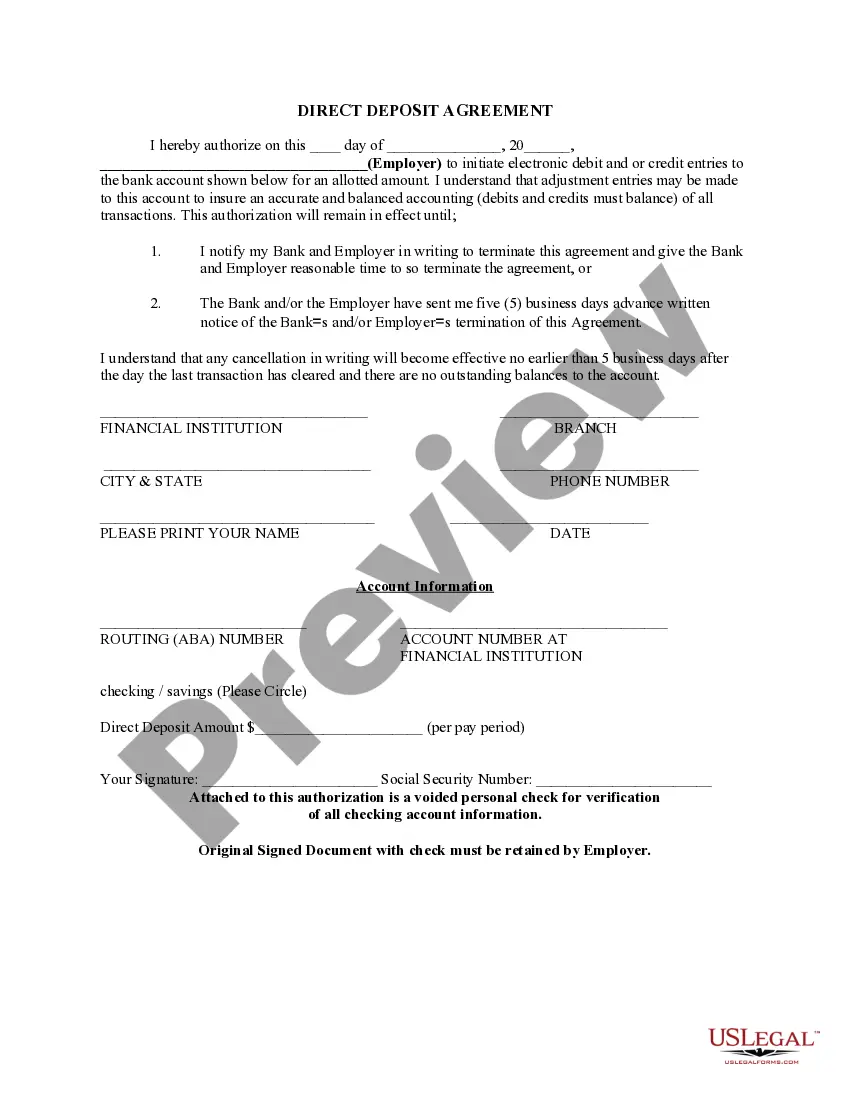
Caregiver Form Sample With Time In Washington
Description






Get your form ready online
Our built-in tools help you complete, sign, share, and store your documents in one place.
Make edits, fill in missing information, and update formatting in US Legal Forms—just like you would in MS Word.
Download a copy, print it, send it by email, or mail it via USPS—whatever works best for your next step.
Sign and collect signatures with our SignNow integration. Send to multiple recipients, set reminders, and more. Go Premium to unlock E-Sign.
If this form requires notarization, complete it online through a secure video call—no need to meet a notary in person or wait for an appointment.
We protect your documents and personal data by following strict security and privacy standards.

Make edits, fill in missing information, and update formatting in US Legal Forms—just like you would in MS Word.

Download a copy, print it, send it by email, or mail it via USPS—whatever works best for your next step.

Sign and collect signatures with our SignNow integration. Send to multiple recipients, set reminders, and more. Go Premium to unlock E-Sign.

If this form requires notarization, complete it online through a secure video call—no need to meet a notary in person or wait for an appointment.

We protect your documents and personal data by following strict security and privacy standards.
Looking for another form?







Form popularity
FAQ
The caregiving pressures exerted on a spouse are significant. ing to an analysis of 168 studies, while the caregiving spouse will protect their mate, they report more symptoms of depression, lower levels of psychological well-being, and more significant physical and financial burdens.
If you are helping care for a family member or friend, you are not alone! More than 820,000 Washington State citizens provide care to an adult who needs help with care.
Emphasis on Role: “Caregiver” and “carer” emphasize the act of giving care, with a focus on the practical and emotional work involved. “Caretaker” suggests a more functional or managerial role, often with a broader focus on property or task management.
Caregiver burden refers to the negative emotions and strain experienced by caregivers as a result of caring for patients with chronic illnesses. It is a negative outcome of the caregiving experience, exacerbated by the multiple roles and responsibilities that caregivers fulfill 9.
In 2021, there were 38 million family caregivers across the United States. That year, California registered the country's highest number of family caregivers, followed by Texas, Florida, and New York.
Close Relative Caregiver Subsidy Program It provides monthly financial assistance to help you care for the child related to and living with you. Although the DC Child and Family Services Agency (CFSA) runs the program, it is only for people not involved in the child welfare system.
What are common caregiver qualifications? Having relevant work experience and skills. Completing any required training. Passing a background check and general health check. Earning basic health certifications. Meeting age requirements. Possessing a valid driver's license, insurance and a good driving record.
Family caregiving is the act of providing at-home care for a relative, friend, or other loved one with a physical or mental health problem. As life expectancies increase, medical treatments advance, and more people live with chronic illnesses and disabilities, many of us find ourselves caring for a loved one at home.
Self-Care for Caregivers Take time for yourself and your own needs. Eat a well-balanced diet. Exercise by taking short walks daily or at least three times a week. Listen to guided relaxation recordings or relaxing music. Schedule short rest periods between activities. Set limits for what you can do.
(3) A subject individual will be disqualified when their background contains a negative action, as defined in WAC 170-06-0020 that relates to: (a) An act, finding, determination, decision, or the commission of abuse or neglect of a child as defined in chapters 26.44 RCW and 388-15 WAC.