Caregiver Form Template For Elderly In San Jose
Description

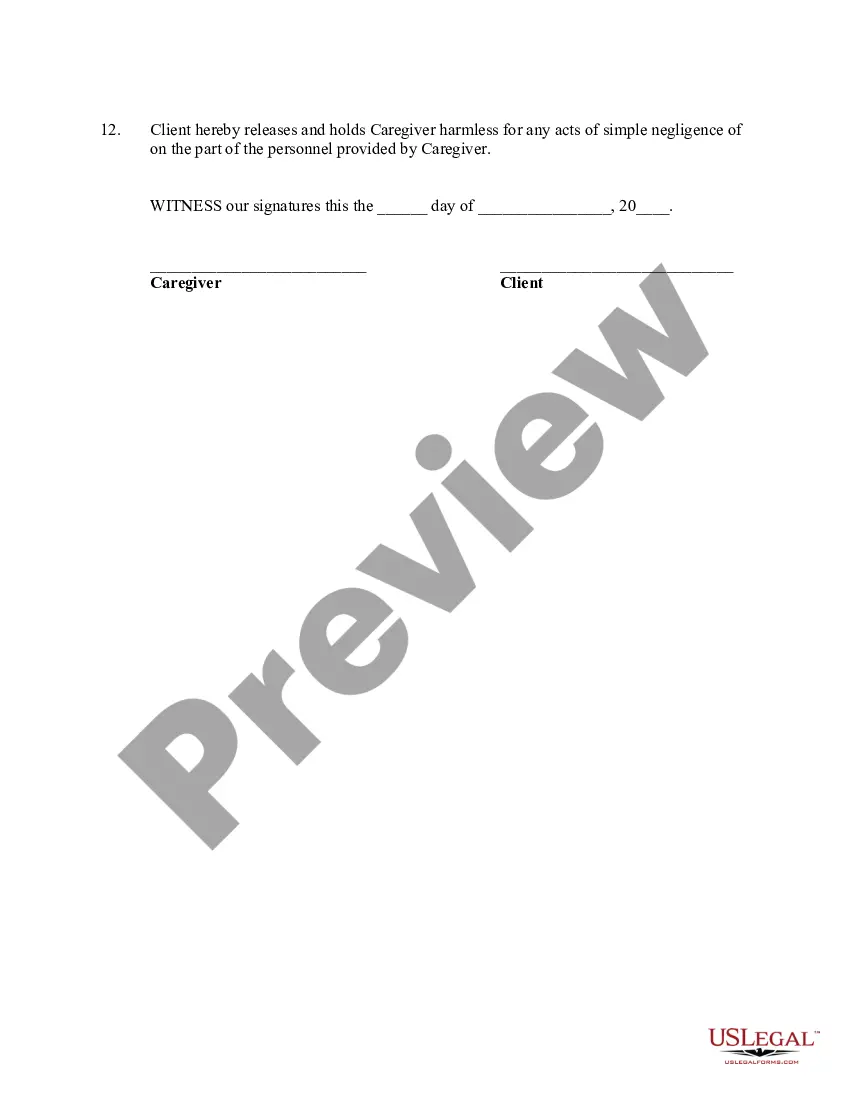

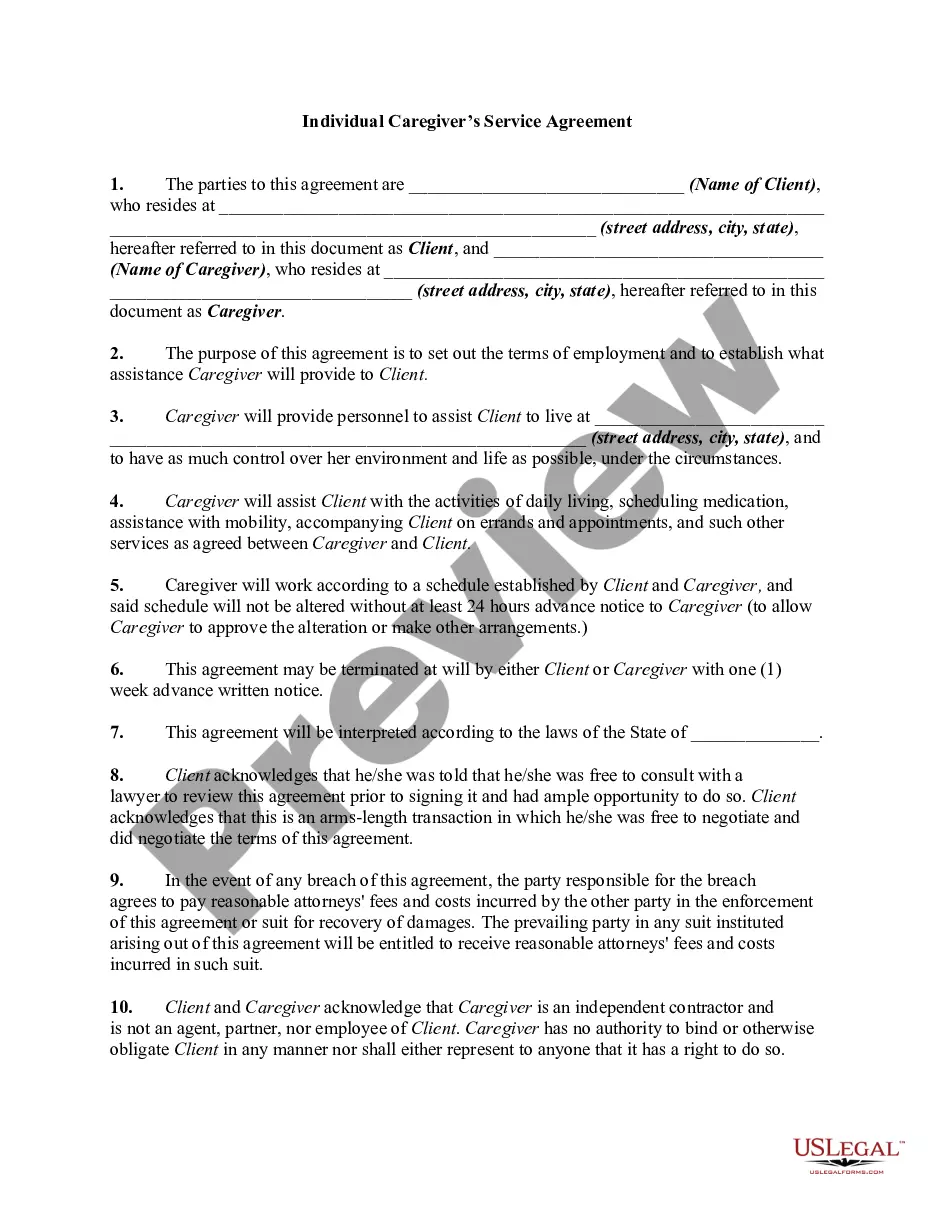
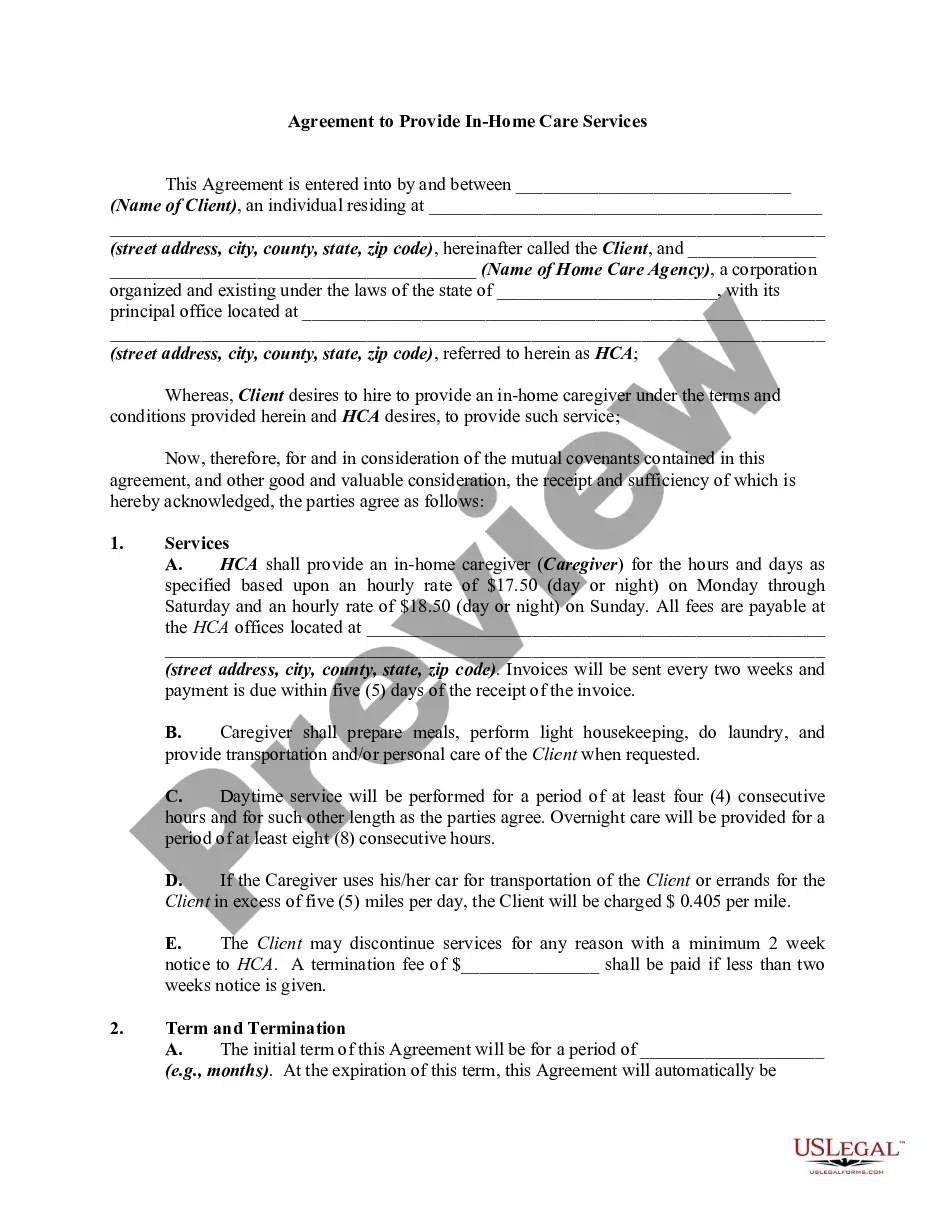
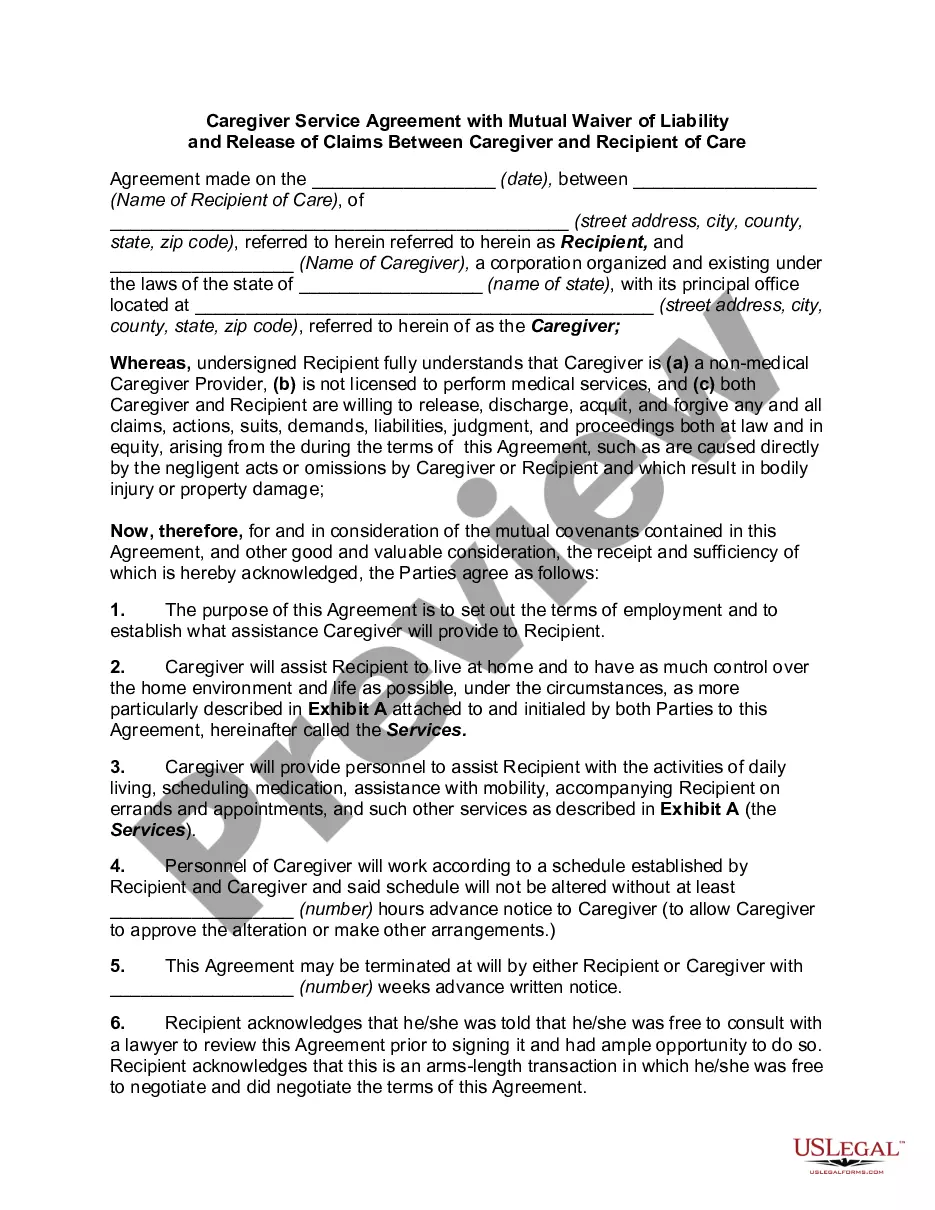
Get your form ready online
Our built-in tools help you complete, sign, share, and store your documents in one place.
Make edits, fill in missing information, and update formatting in US Legal Forms—just like you would in MS Word.
Download a copy, print it, send it by email, or mail it via USPS—whatever works best for your next step.
Sign and collect signatures with our SignNow integration. Send to multiple recipients, set reminders, and more. Go Premium to unlock E-Sign.
If this form requires notarization, complete it online through a secure video call—no need to meet a notary in person or wait for an appointment.
We protect your documents and personal data by following strict security and privacy standards.

Make edits, fill in missing information, and update formatting in US Legal Forms—just like you would in MS Word.

Download a copy, print it, send it by email, or mail it via USPS—whatever works best for your next step.

Sign and collect signatures with our SignNow integration. Send to multiple recipients, set reminders, and more. Go Premium to unlock E-Sign.

If this form requires notarization, complete it online through a secure video call—no need to meet a notary in person or wait for an appointment.

We protect your documents and personal data by following strict security and privacy standards.
Looking for another form?






Form popularity
FAQ
What to Include in a Checklist for Caregivers Name of caregiver on duty. Date the checklist is being used. Name of patients. Patient's morning, afternoon, and evening routines, such as: Taking medication and vital signs. Eating food and drinking water. Housekeeping tasks to do. Changes in patient's condition, if any.
Caregiver burden refers to the negative emotions and strain experienced by caregivers as a result of caring for patients with chronic illnesses. It is a negative outcome of the caregiving experience, exacerbated by the multiple roles and responsibilities that caregivers fulfill 9.
California Family Rights Act (CFRA) is a law that allows family caregivers to take job-protected leave away from work to provide care for a loved one. This law covers employed Californians who meet the following criteria: Be employed by a company with at least 5 employees.
In conclusion, there are 4 types of caregivers: family caregivers, professional caregivers, volunteer caregivers, and informal caregivers. Each caregiver faces unique challenges, including physical and emotional exhaustion, financial strain, and balancing personal and caregiving responsibilities.
To qualify, the individual needing care must be eligible for Medicaid, need 24-hour care and supervision, and require help from a caregiver with one or more daily personal care needs, (i.e. bathing, dressing, walking, transferring, eating, and toileting).
Qualifications of a Caregiver A valid driver's license. Bilingual in a language spoken in your region. CPR certification. CNA certification. Ability to pass a background check. Ability to assist with ADLs (assisting with eating, toileting, bathing, dressing)
What are common caregiver qualifications? Having relevant work experience and skills. Completing any required training. Passing a background check and general health check. Earning basic health certifications. Meeting age requirements. Possessing a valid driver's license, insurance and a good driving record.
Caregiver encouragement messages You're taking such good care of our dad. Sometimes it can feel like the work you do goes unnoticed. I see everything you're doing and want you to know what a good, kind person you are. Your love and sacrifices lighten the load of our family.
Family caregiving is the act of providing at-home care for a relative, friend, or other loved one with a physical or mental health problem. As life expectancies increase, medical treatments advance, and more people live with chronic illnesses and disabilities, many of us find ourselves caring for a loved one at home.
