Employee Contract Rules In Salt Lake
Description

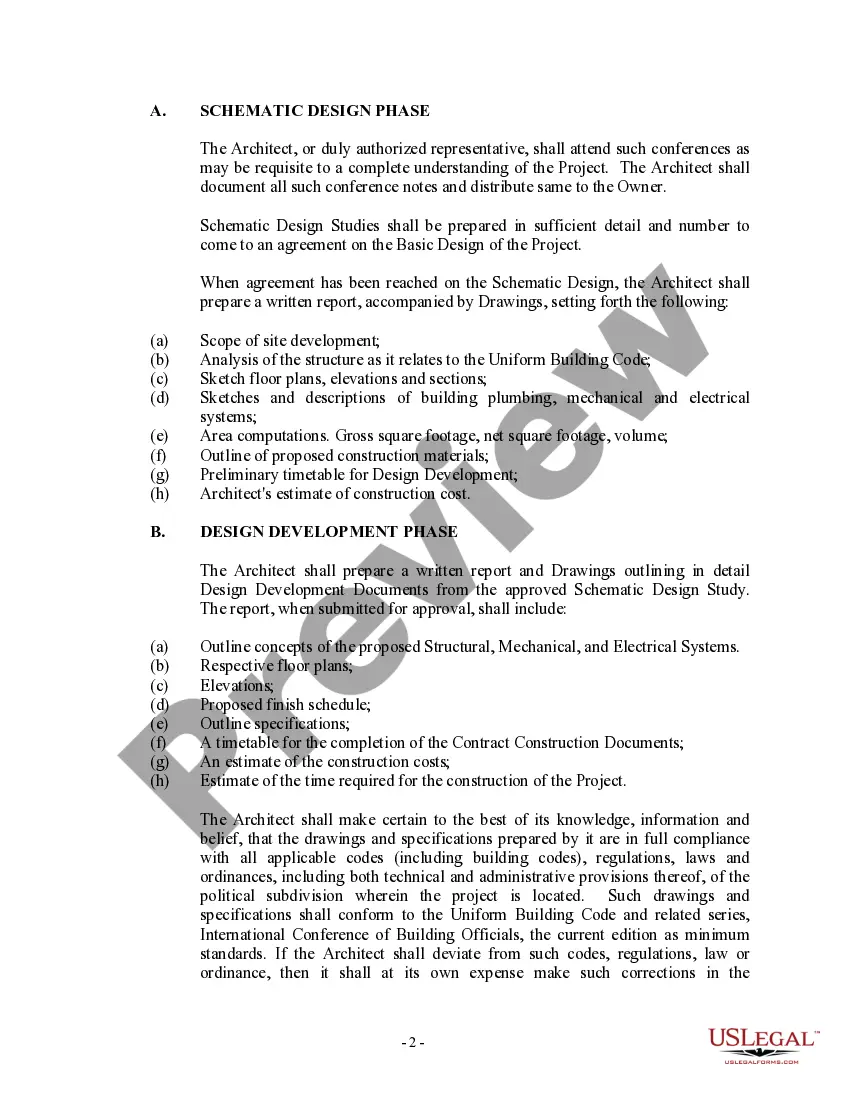
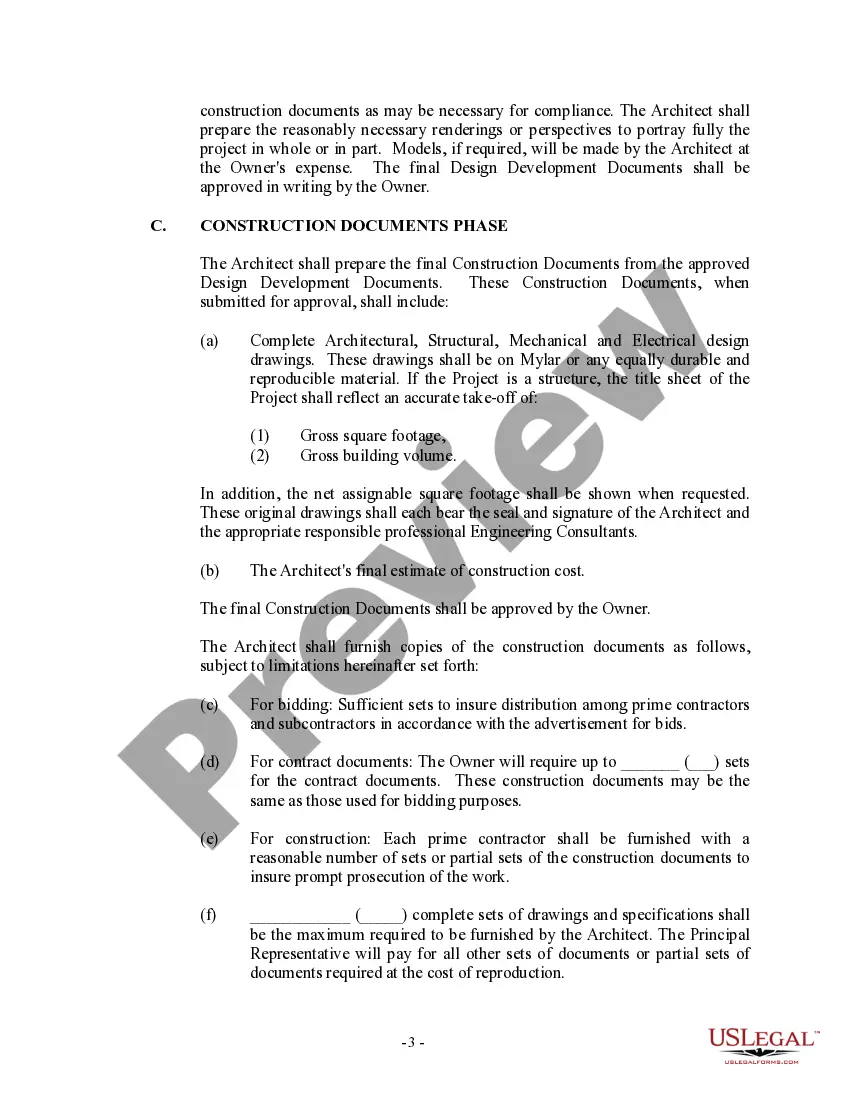
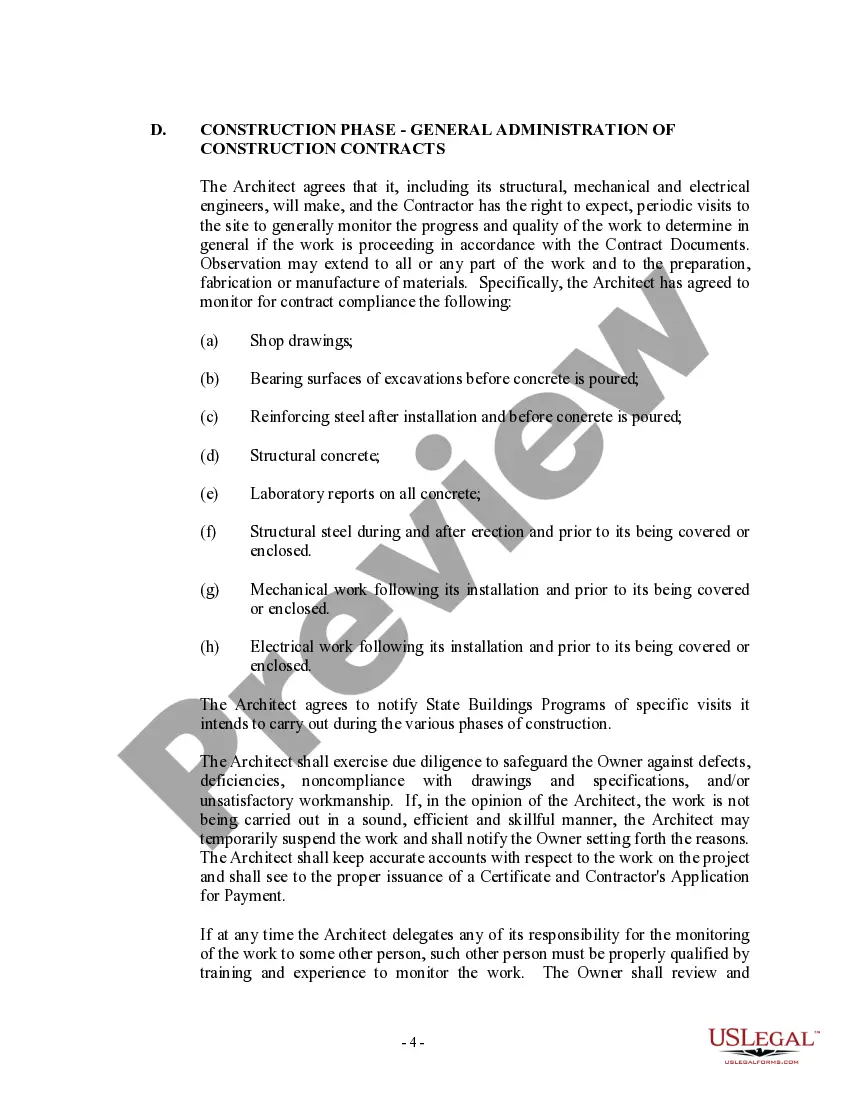
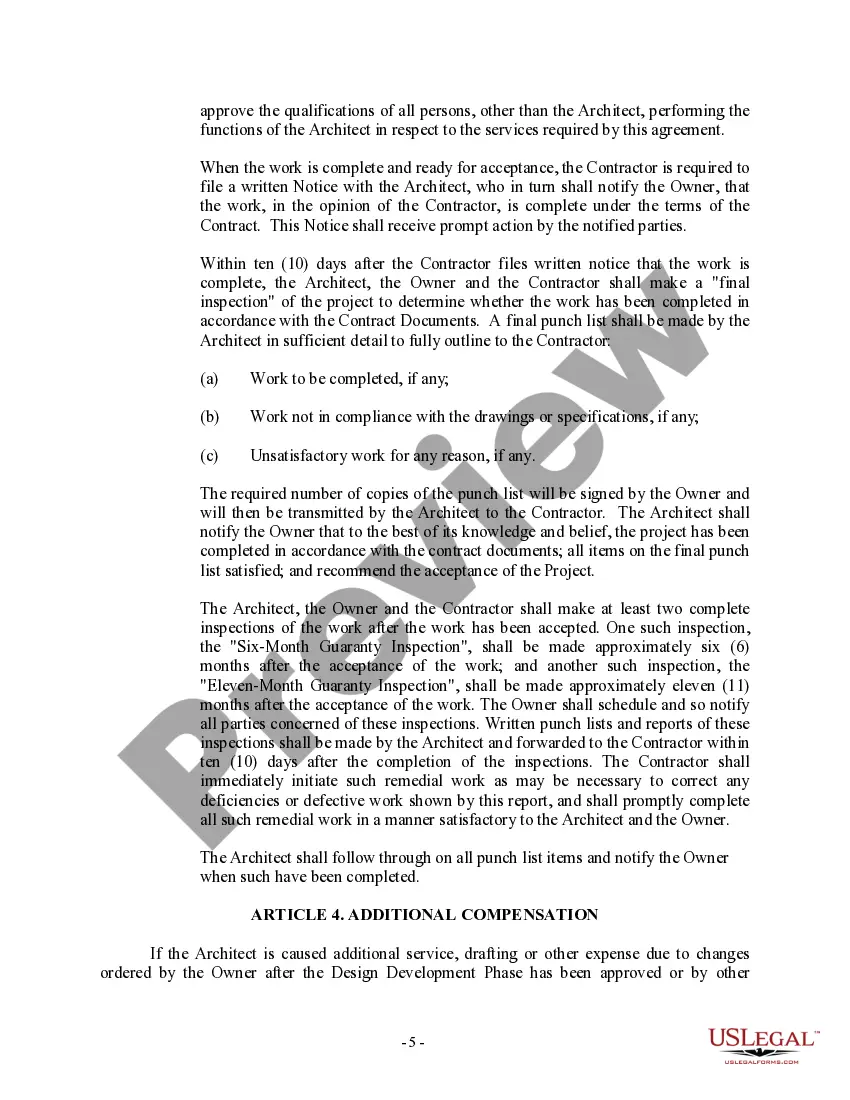

Get your form ready online
Our built-in tools help you complete, sign, share, and store your documents in one place.
Make edits, fill in missing information, and update formatting in US Legal Forms—just like you would in MS Word.
Download a copy, print it, send it by email, or mail it via USPS—whatever works best for your next step.
Sign and collect signatures with our SignNow integration. Send to multiple recipients, set reminders, and more. Go Premium to unlock E-Sign.
If this form requires notarization, complete it online through a secure video call—no need to meet a notary in person or wait for an appointment.
We protect your documents and personal data by following strict security and privacy standards.

Make edits, fill in missing information, and update formatting in US Legal Forms—just like you would in MS Word.

Download a copy, print it, send it by email, or mail it via USPS—whatever works best for your next step.

Sign and collect signatures with our SignNow integration. Send to multiple recipients, set reminders, and more. Go Premium to unlock E-Sign.

If this form requires notarization, complete it online through a secure video call—no need to meet a notary in person or wait for an appointment.

We protect your documents and personal data by following strict security and privacy standards.
Looking for another form?






Form popularity
FAQ
Employers in Utah are not obligated to offer 15-minute rest breaks to their employees. However, if an employer decides to provide such breaks, they must comply with the federal law. ing to the law, all breaks lasting less than 20 minutes must be compensated.
Utah Scheduling Notice Law Unlike some states that have enacted predictive scheduling laws requiring a minimum notice period (such as 7 or 14 days), Utah does not impose such requirements. Employers in Utah have the discretion to modify work schedules as needed, provided they comply with federal labor laws.
What is considered full-time employment in Utah? Full-time employment is generally considered to be between 30 and 40 hours per week, although this is not defined by law.
Utah has no specific limitations on the number of hours a salaried employee can work in a week. Overtime compensation is only eligible if an employee's worked hours reached 40 in a workweek. If an employee works beyond 40, they are entitled to time-and-a-half for any hours worked beyond 40.
A Utah employment contract agreement documents an employer's terms of employment to potential employees. The contract provides clarity on matters of job title and description, compensation, the employee's rights, benefits that may be offered, and the conditions under which the employee may quit or be terminated.
Employers cannot require minors under the age of 16 to work during school hours, work more than four hours before and after school hours, work more than 8 hours in a 24-hour period, work before 5 a.m. or after p.m. unless the next day is not a school day, work more than 40 hours in a week.
How to draft a contract between two parties: A step-by-step checklist Know your parties. Agree on the terms. Set clear boundaries. Spell out the consequences. Specify how you will resolve disputes. Cover confidentiality. Check the legality of the contract. Open it up to negotiation.
A General Overview of Contract Labor The worker submits their own invoices for the projects/hours completed. The worker can negotiate or control the number of hours worked. The worker can use or is required to use their own equipment to complete the assigned work.
Job title and description. Duration of employment. Employee compensation and benefits. Employer's rules, regulations, policies, and practices.
