Covenant Agreement With God In King
Description

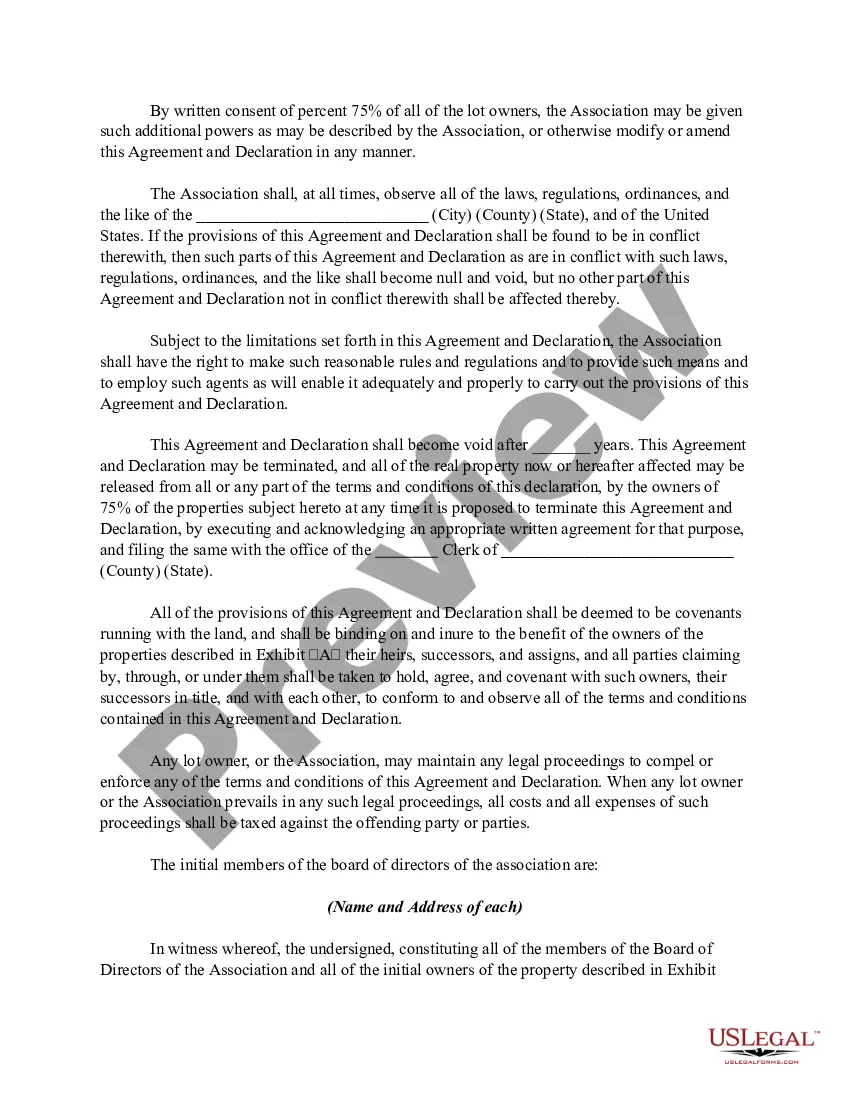
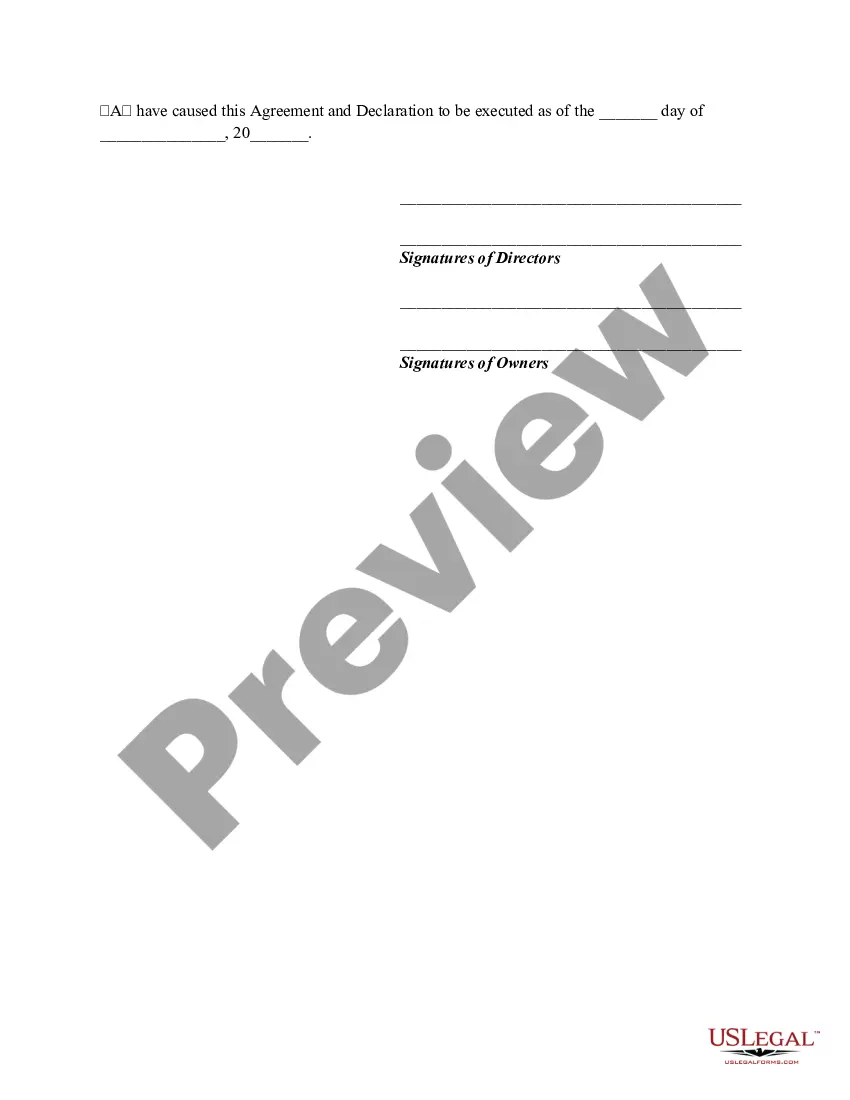
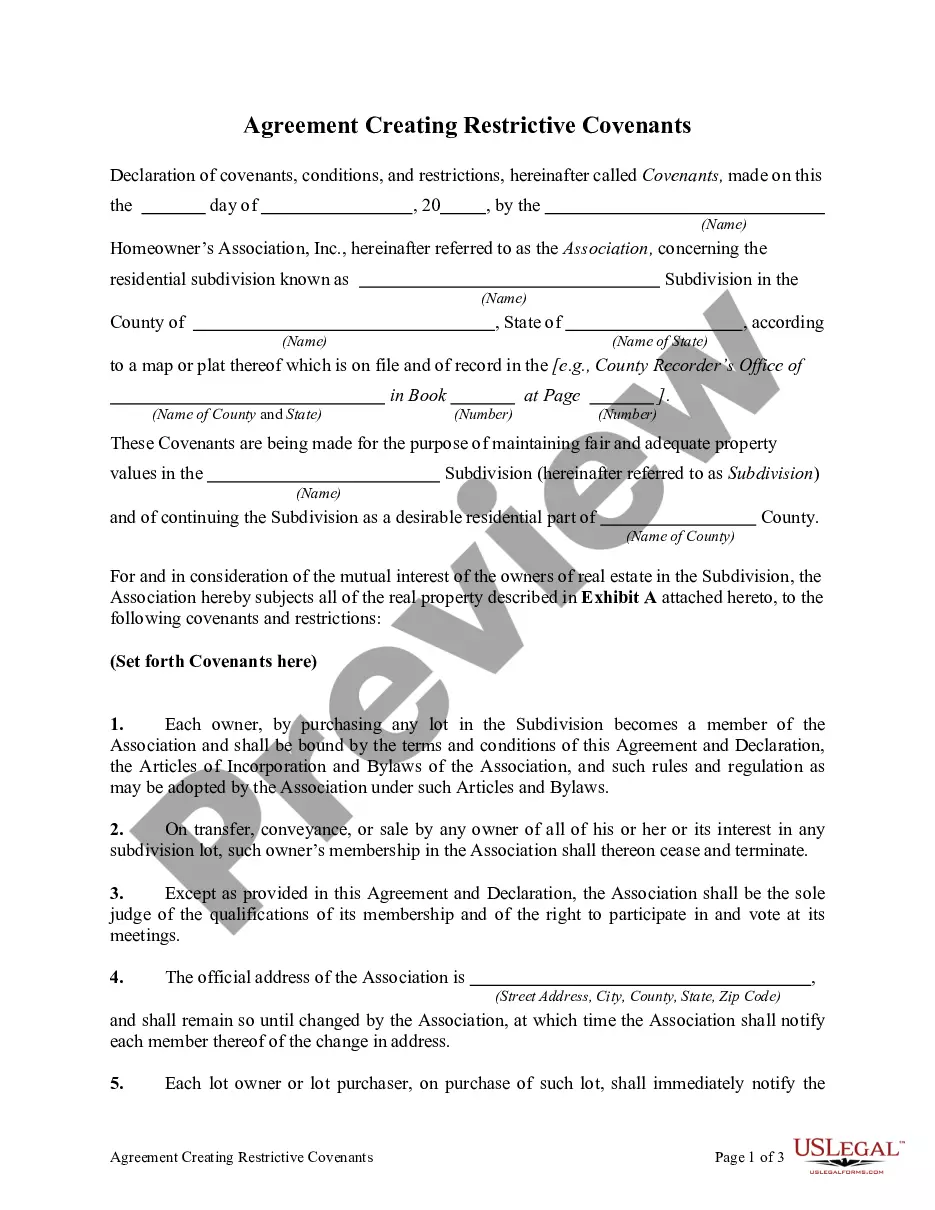
Get your form ready online
Our built-in tools help you complete, sign, share, and store your documents in one place.
Make edits, fill in missing information, and update formatting in US Legal Forms—just like you would in MS Word.
Download a copy, print it, send it by email, or mail it via USPS—whatever works best for your next step.
Sign and collect signatures with our SignNow integration. Send to multiple recipients, set reminders, and more. Go Premium to unlock E-Sign.
If this form requires notarization, complete it online through a secure video call—no need to meet a notary in person or wait for an appointment.
We protect your documents and personal data by following strict security and privacy standards.

Make edits, fill in missing information, and update formatting in US Legal Forms—just like you would in MS Word.

Download a copy, print it, send it by email, or mail it via USPS—whatever works best for your next step.

Sign and collect signatures with our SignNow integration. Send to multiple recipients, set reminders, and more. Go Premium to unlock E-Sign.

If this form requires notarization, complete it online through a secure video call—no need to meet a notary in person or wait for an appointment.

We protect your documents and personal data by following strict security and privacy standards.
Looking for another form?







Form popularity
FAQ
Baptism and Confirmation When we are baptized, we covenant to take upon ourselves the name of Jesus Christ, to always remember Him, and to keep His commandments. We also promise “to serve him to the end” (D&C ; see also Mosiah –10).
A contract is an agreement between parties while a covenant is a pledge. A contract is an agreement you can break while a covenant is a perpetual promise. You seal a covenant while you sign a contract. A contract is a mutually beneficial relationship while a covenant is something you fulfill.
Covenants define obligations and commitments, but they are different from a contract because they are relational and personal. Think of a marriage—a husband and wife choose to enter into a formal relationship, binding themselves to one another in lifelong faithfulness and devotion.
Covenants are particularly relevant in the fields of contract law and property law. An example of a contractual covenant is a non-compete agreement . Examples of common covenants in property law include agreements not to build a fence or agreements to maintain a shared driveway.
Alternately, you might start with a blank sheet of paper and select statements from a number of covenants in order to craft your own. Begin by talking about the values you hope to live by in your relationships with each other. Generate a list by brain-storming or brain-writing (brain-storming individually on paper).
The covenant between Abraham and God consisted of three separate parts: the promised land. the promise of the descendants. the promise of blessing and redemption.
Within the gospel, a covenant means a sacred agreement or mutual promise between God and a person or a group of people. In making a covenant, God promises a blessing for obedience to particular commandments.
Begin where you are, not where you think you should be. Avoid including in your covenant acts of compassion, justice, worship, and devotion you think you should be doing. Rather include only acts everyone is willing and able to do now. It is okay to include practices you are already doing.
The answer to the question, "How do we enter into the New Covenant" is that we give Jesus permission to enter our lives as Lord and Master. For a person who is not a Christian this means beginning the Christian life by coming to Jesus with the simple trust of a child--inviting God to act.
This passage refers to one specific practice of Bible times. In order to confirm a covenant, two parties would a calf and cut it into two pieces. Then, they would pass together between the two parts of the dead animal as a solemn sign of both parties that they fully agreed to the terms of the covenant.
