Caregiver Form Sample For Employer In San Diego
Description

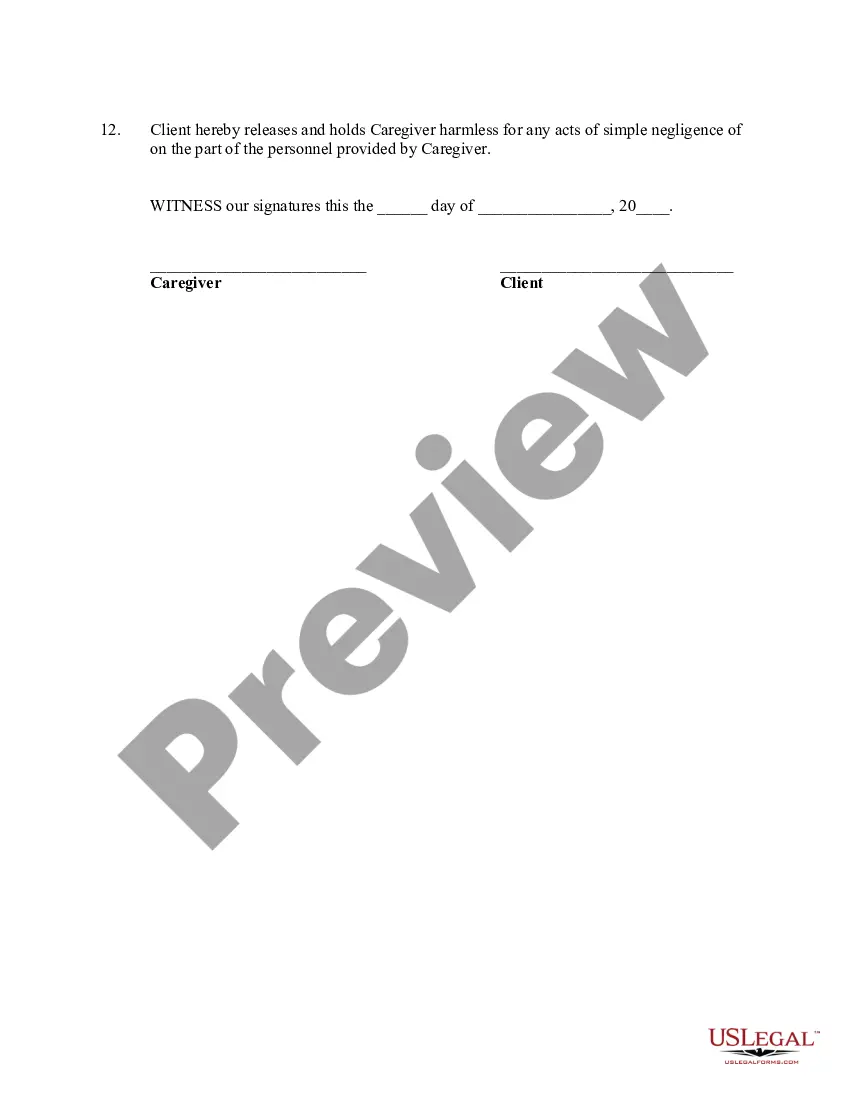
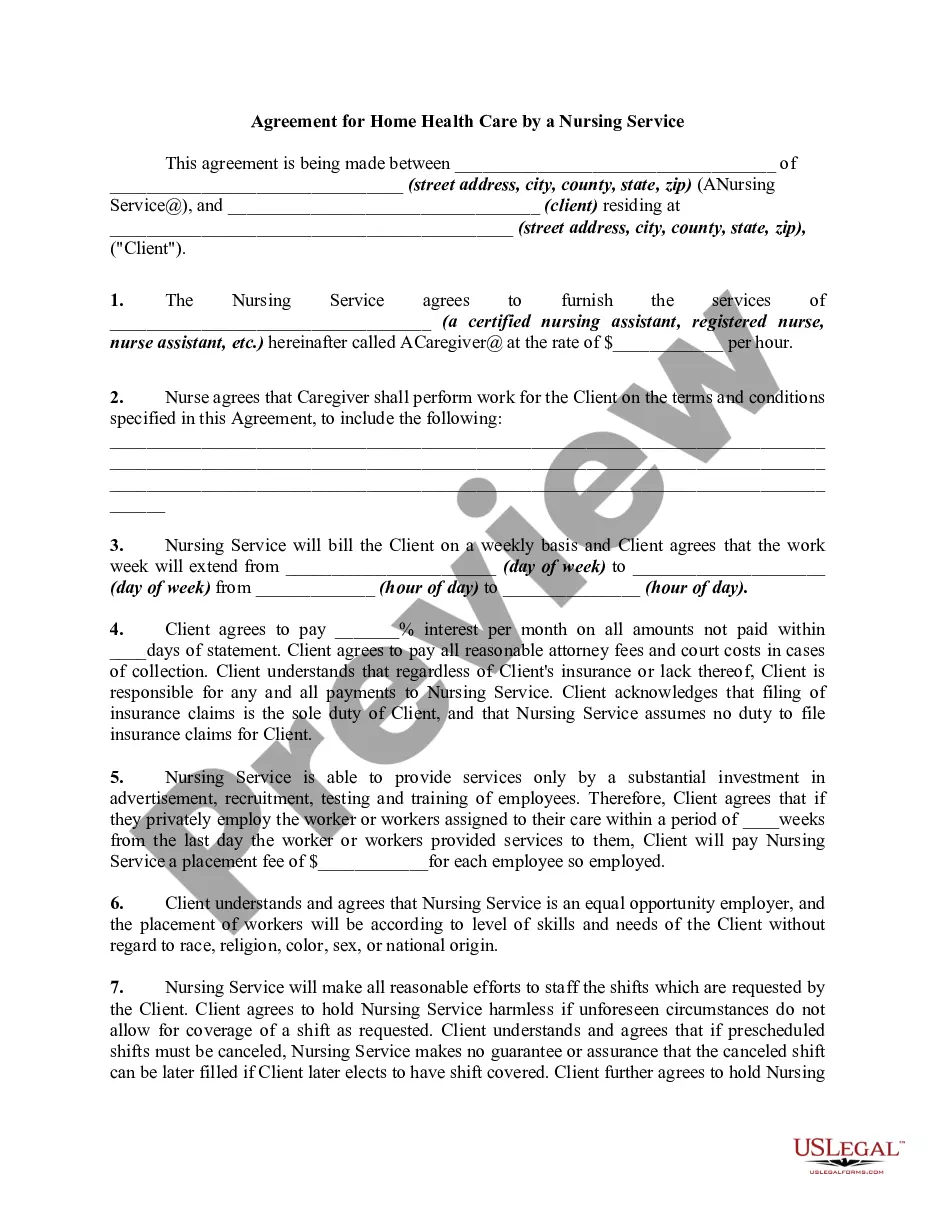
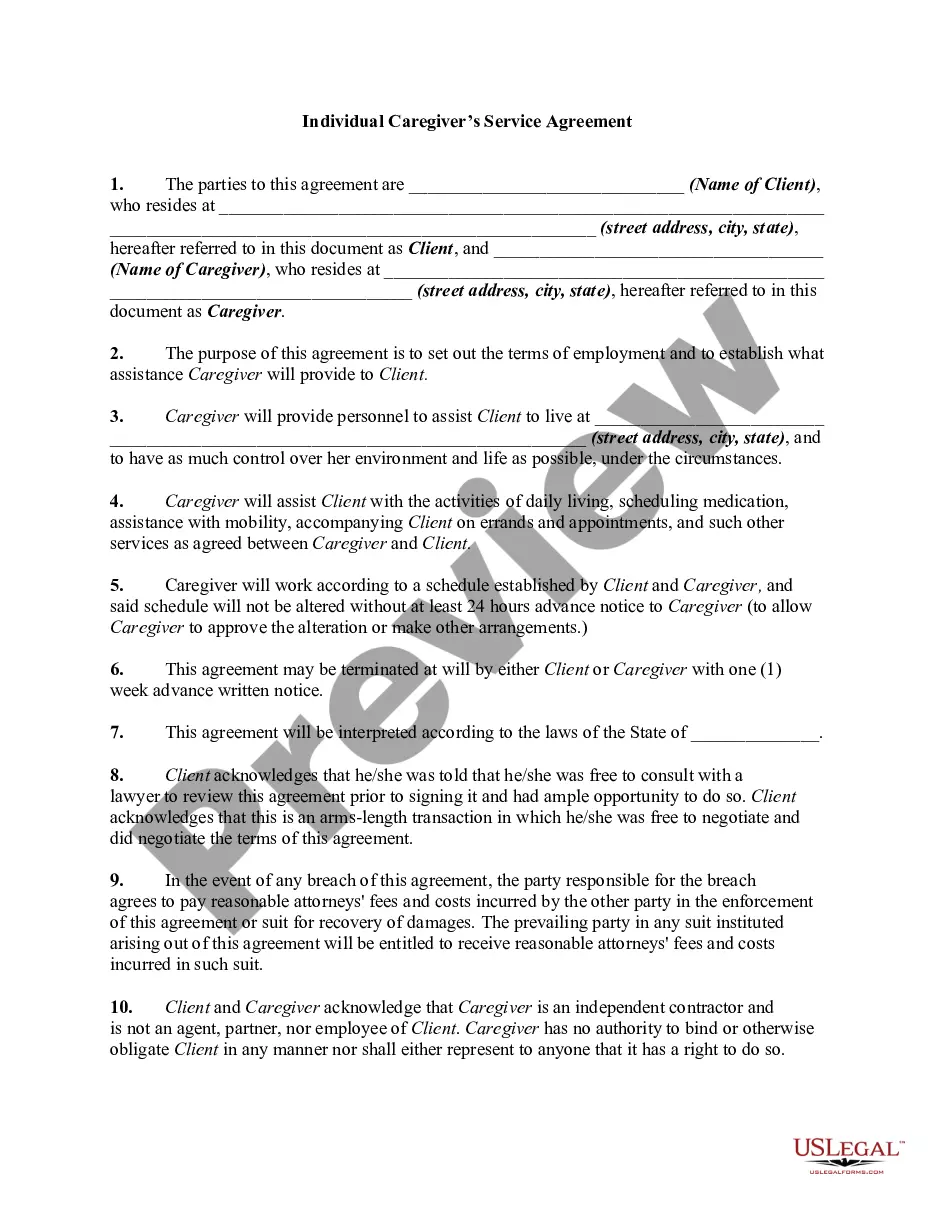
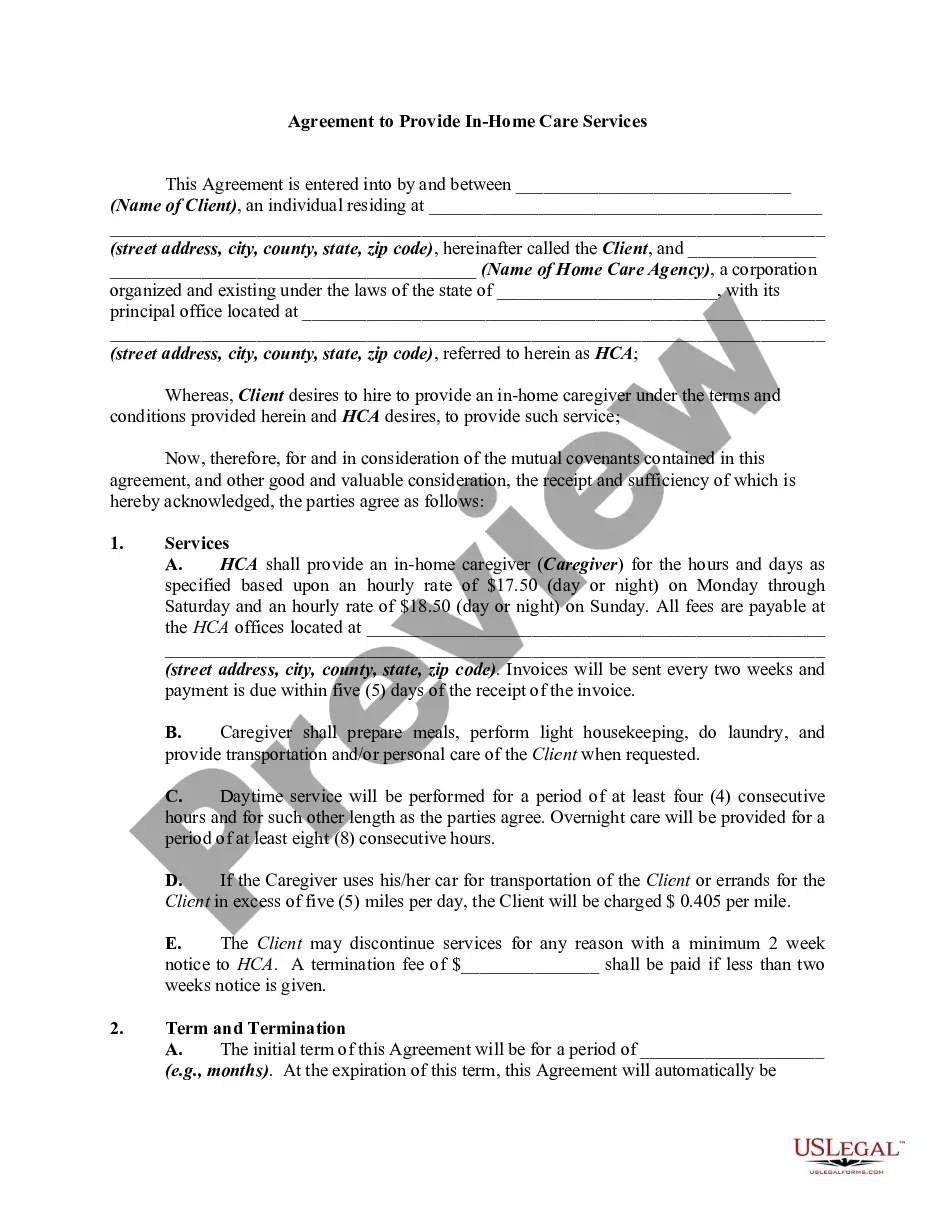
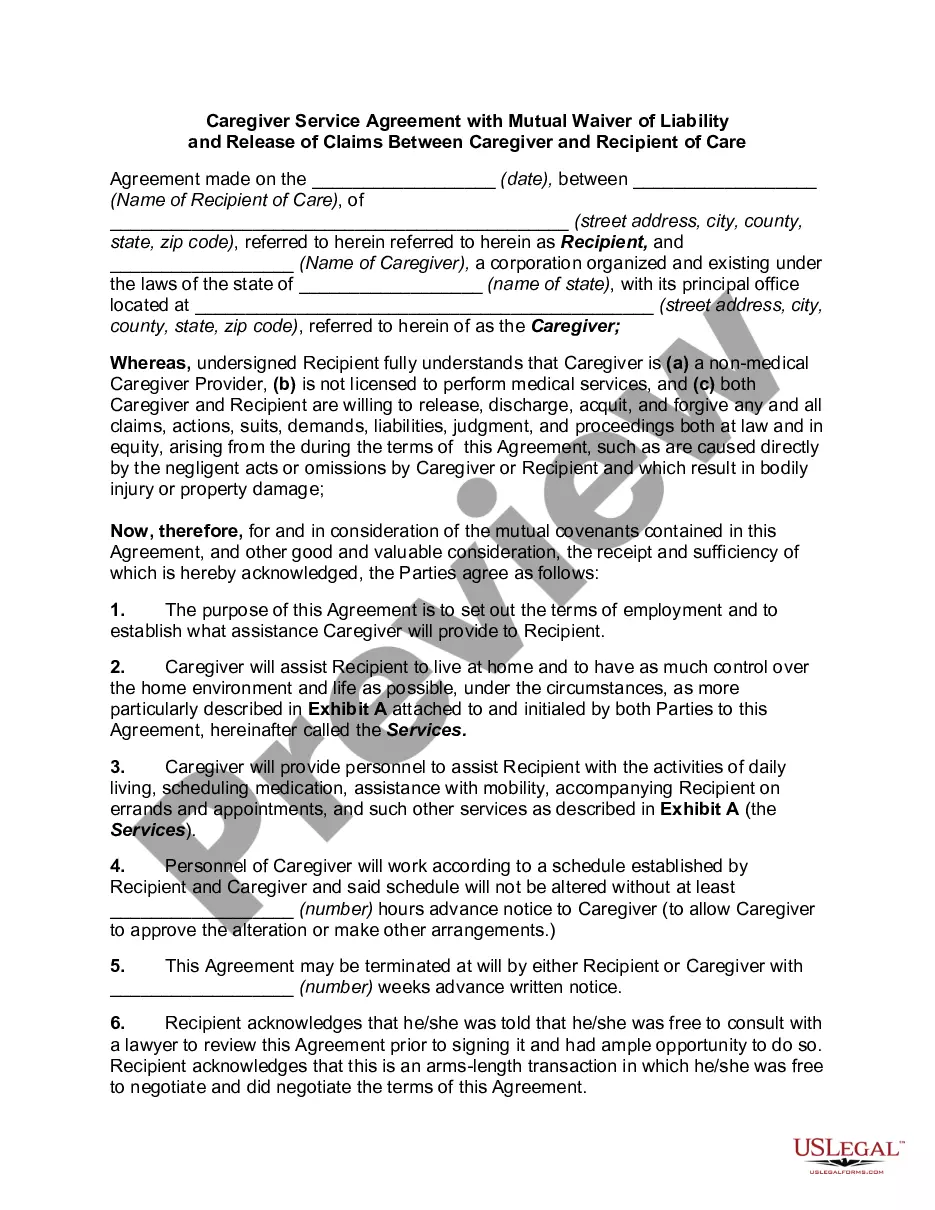
Get your form ready online
Our built-in tools help you complete, sign, share, and store your documents in one place.
Make edits, fill in missing information, and update formatting in US Legal Forms—just like you would in MS Word.
Download a copy, print it, send it by email, or mail it via USPS—whatever works best for your next step.
Sign and collect signatures with our SignNow integration. Send to multiple recipients, set reminders, and more. Go Premium to unlock E-Sign.
If this form requires notarization, complete it online through a secure video call—no need to meet a notary in person or wait for an appointment.
We protect your documents and personal data by following strict security and privacy standards.

Make edits, fill in missing information, and update formatting in US Legal Forms—just like you would in MS Word.

Download a copy, print it, send it by email, or mail it via USPS—whatever works best for your next step.

Sign and collect signatures with our SignNow integration. Send to multiple recipients, set reminders, and more. Go Premium to unlock E-Sign.

If this form requires notarization, complete it online through a secure video call—no need to meet a notary in person or wait for an appointment.

We protect your documents and personal data by following strict security and privacy standards.
Looking for another form?

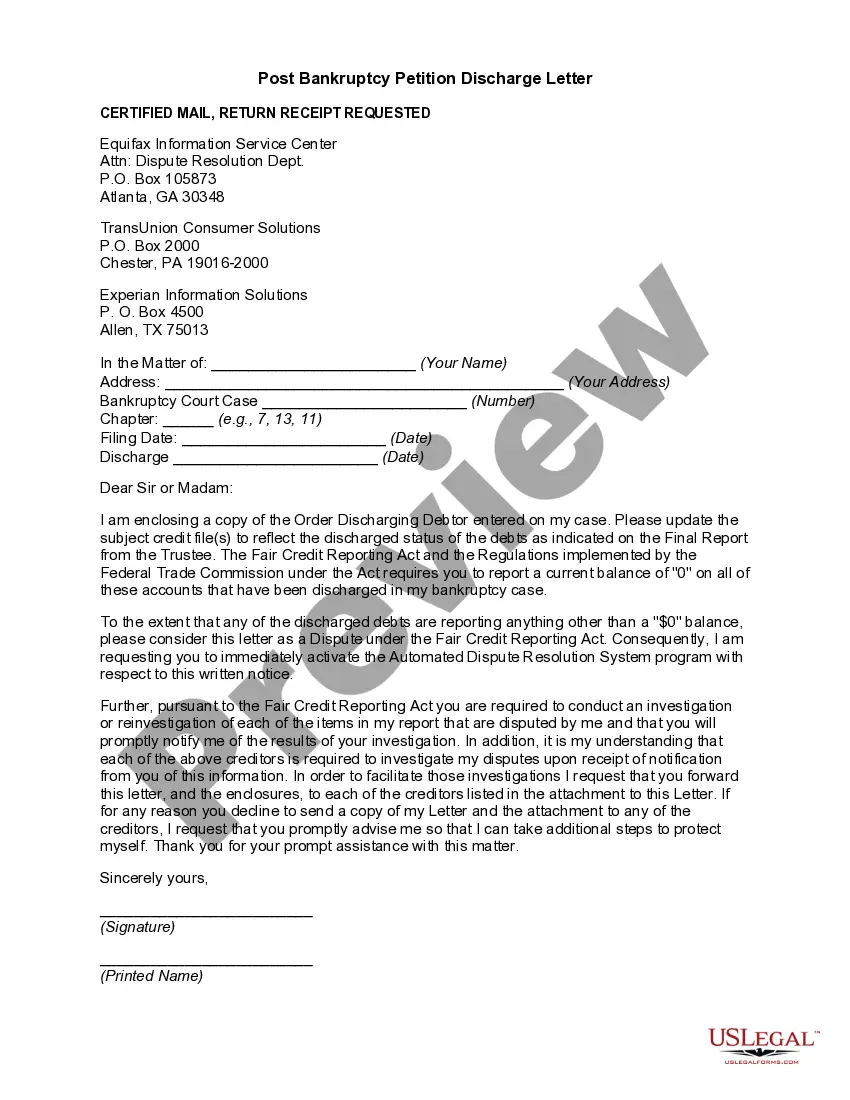




Form popularity
FAQ
To become a caregiver in California, meet state requirements (work authorization, background check, good health), complete a Home Care Aide certification course and provide proof of vaccinations and a negative TB test.
To become a caregiver in California, meet state requirements (work authorization, background check, good health), complete a Home Care Aide certification course and provide proof of vaccinations and a negative TB test.
In simple terms, a caregiver is a person who tends to the needs or concerns of a person with short- or long-term limitations due to illness, injury or disability.
Advertise yourself as a nanny or babysitter with these pro tips Craft your personal brand. For better or worse, being in the job market today means having a personal brand. Create promotional materials. Craft your online presence. Highlight your skills. Gather references. Cast a wide net.
Sample Answer: "As a care home worker, I'm committed to providing my patients with the best care possible. I love to make people laugh and have a knack for putting my patients at ease. I always practise compassion and understanding as I know how important this is to the wellbeing of my patients.
The most successful profiles contain words and phrases which clients want to see. PROFILE 1: “I am kind, hardworking and a good communicator.” PROFILE 2: “I am patient, a good listener and enjoy working closely with others - especially older people.” PROFILE 3: “I am friendly, chatty and hard working.”
What do caregivers need most? Listen attentively. Really listen to what they have to say. Don't tell horror stories. Don't be judgmental. Ask what they need. Offer the gift of your time. Give your friend space. Bring food. Offer to take your friend out—and help arrange respite care.
The purpose of the Caregiver Assessment Tool (CAT) is to gain an understanding of the Caregiver, the Caregiver's perspective of the caregiving relationship, and the Caregiver's needs. The questions in the CAT facilitate a rapport between the Care Manager and the Caregiver.
Here are the most widely seen 4 types of caregivers: Professional caregivers. Those who are trained, certified, and employed to provide care services are known as professional caregivers. Family caregivers. Volunteer caregivers. Informal caregivers.
What to Include in a Checklist for Caregivers Name of caregiver on duty. Date the checklist is being used. Name of patients. Patient's morning, afternoon, and evening routines, such as: Taking medication and vital signs. Eating food and drinking water. Housekeeping tasks to do. Changes in patient's condition, if any.
