Caregiver Application Form With Social Security Number In Salt Lake
Description






Get your form ready online
Our built-in tools help you complete, sign, share, and store your documents in one place.
Make edits, fill in missing information, and update formatting in US Legal Forms—just like you would in MS Word.
Download a copy, print it, send it by email, or mail it via USPS—whatever works best for your next step.
Sign and collect signatures with our SignNow integration. Send to multiple recipients, set reminders, and more. Go Premium to unlock E-Sign.
If this form requires notarization, complete it online through a secure video call—no need to meet a notary in person or wait for an appointment.
We protect your documents and personal data by following strict security and privacy standards.

Make edits, fill in missing information, and update formatting in US Legal Forms—just like you would in MS Word.

Download a copy, print it, send it by email, or mail it via USPS—whatever works best for your next step.

Sign and collect signatures with our SignNow integration. Send to multiple recipients, set reminders, and more. Go Premium to unlock E-Sign.

If this form requires notarization, complete it online through a secure video call—no need to meet a notary in person or wait for an appointment.

We protect your documents and personal data by following strict security and privacy standards.
Looking for another form?




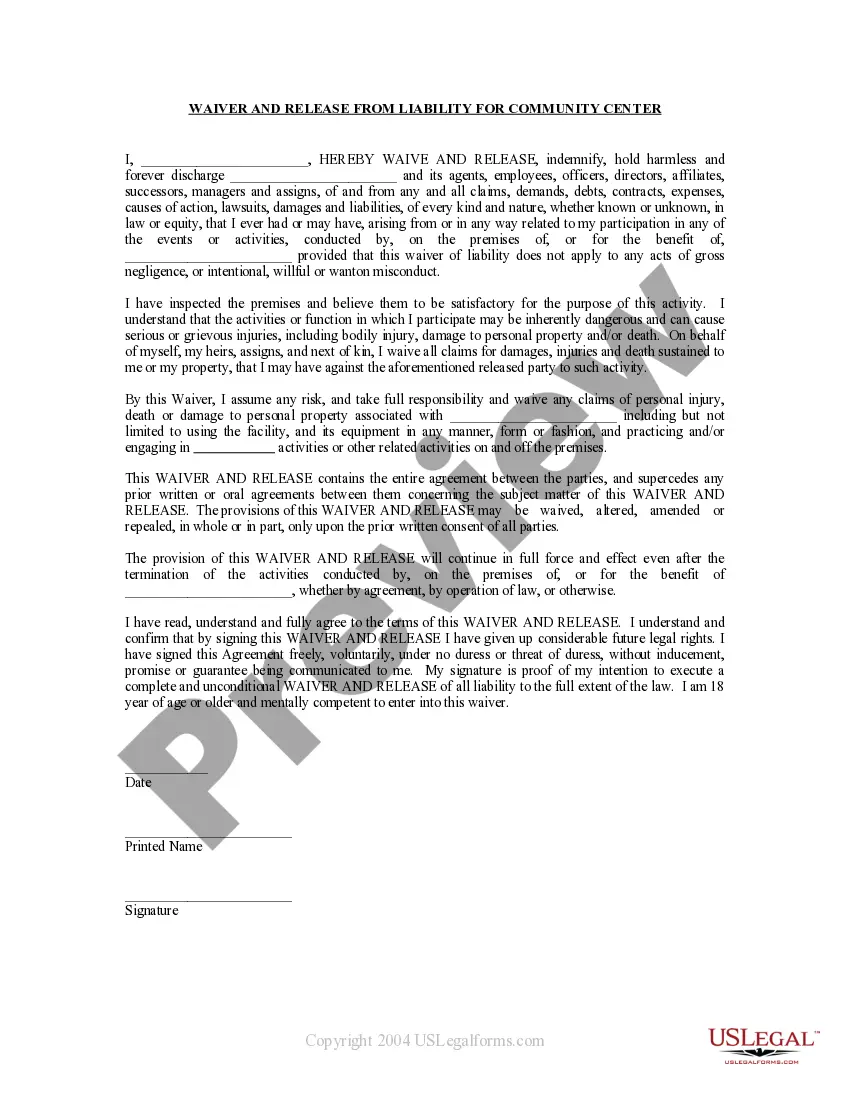
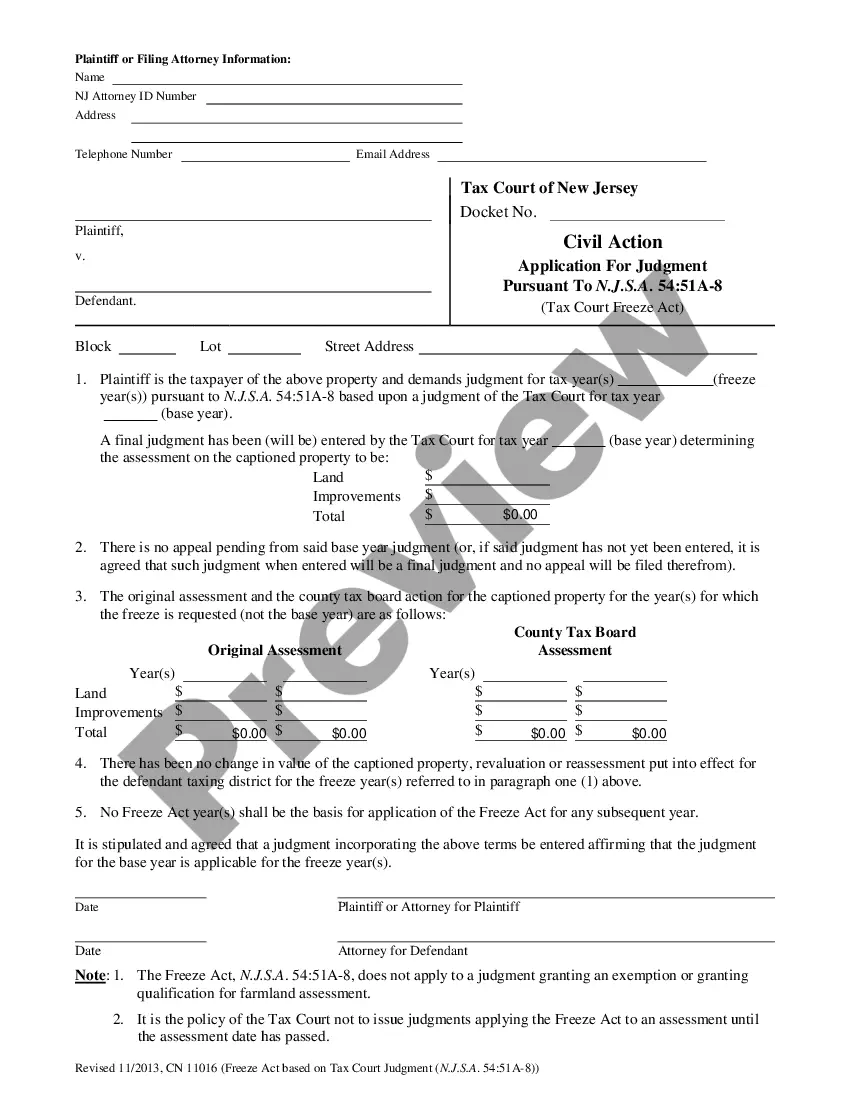
Form popularity
FAQ
Does a noncitizen need a Social Security number (SSN)? Generally, only noncitizens authorized to work in the United States by the Department of Homeland Security (DHS) can get an SSN. Employers use an SSN to report your wages to the government and to determine eligibility for Social Security benefits.
The Social Security number is a nine-digit number in the format "AAA-GG-SSSS". The number has three parts: the first three digits, called the area number because they were formerly assigned by geographical region; the middle two digits, the group number; and the last four digits, the serial number.
We are here to help. You can call us at 1-800-772-1213 between a.m. – p.m. local time, Monday through Friday. Wait times to speak to a representative are typically shorter in the morning, later in the week, and later in the month.
Utah Caregiver Support Program. The Caregiver Support program assists family caregivers of individuals with health, mobility, neurological or functional limitations in hopes of enabling them to care for their loved one as long as possible and delay facility placement. There is no income requirement for eligibility.
Click the button below to apply online or call 1-844-275-3773 and choose the "Apply for Services" option to speak with an intake worker. During the intake process, you will be asked to provide information to the division which demonstrates your qualifying disability in one of the areas that DSPD serves.
The Caregiver Support program assists family caregivers of individuals with health, mobility, neurological or functional limitations in hopes of enabling them to care for their loved one as long as possible and delay facility placement. There is no income requirement for eligibility.
Requirements to Become a Caregiver in Utah High school diploma or GED: Most employers require caregivers to have at least a high school diploma or GED equivalent. Background check: Caregivers in Utah must undergo a background check, including a criminal history check, to ensure the safety of their clients.
The Alternative program provides in-home services to eligible Utah residents with the objective of preventing the premature or unnecessary placement of individuals in nursing homes.
Support for caregivers can come in various forms, including respite care, caregiver support groups, and training and educational resources - all of these provide support, and contribute to the sustainability and quality of care they provide.
Family caregiving is the act of providing at-home care for a relative, friend, or other loved one with a physical or mental health problem. As life expectancies increase, medical treatments advance, and more people live with chronic illnesses and disabilities, many of us find ourselves caring for a loved one at home.
