Personal Care Examples In Sacramento
Description



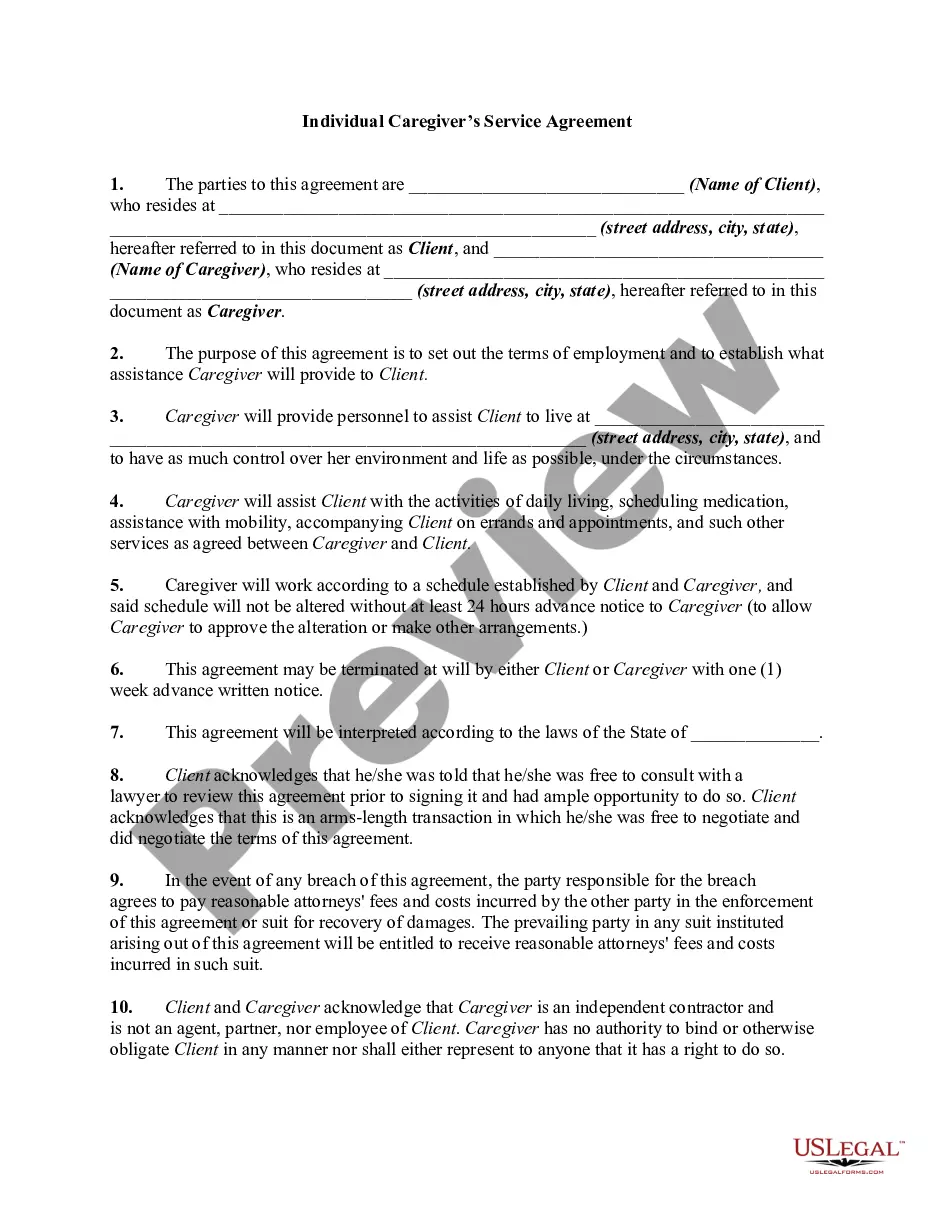
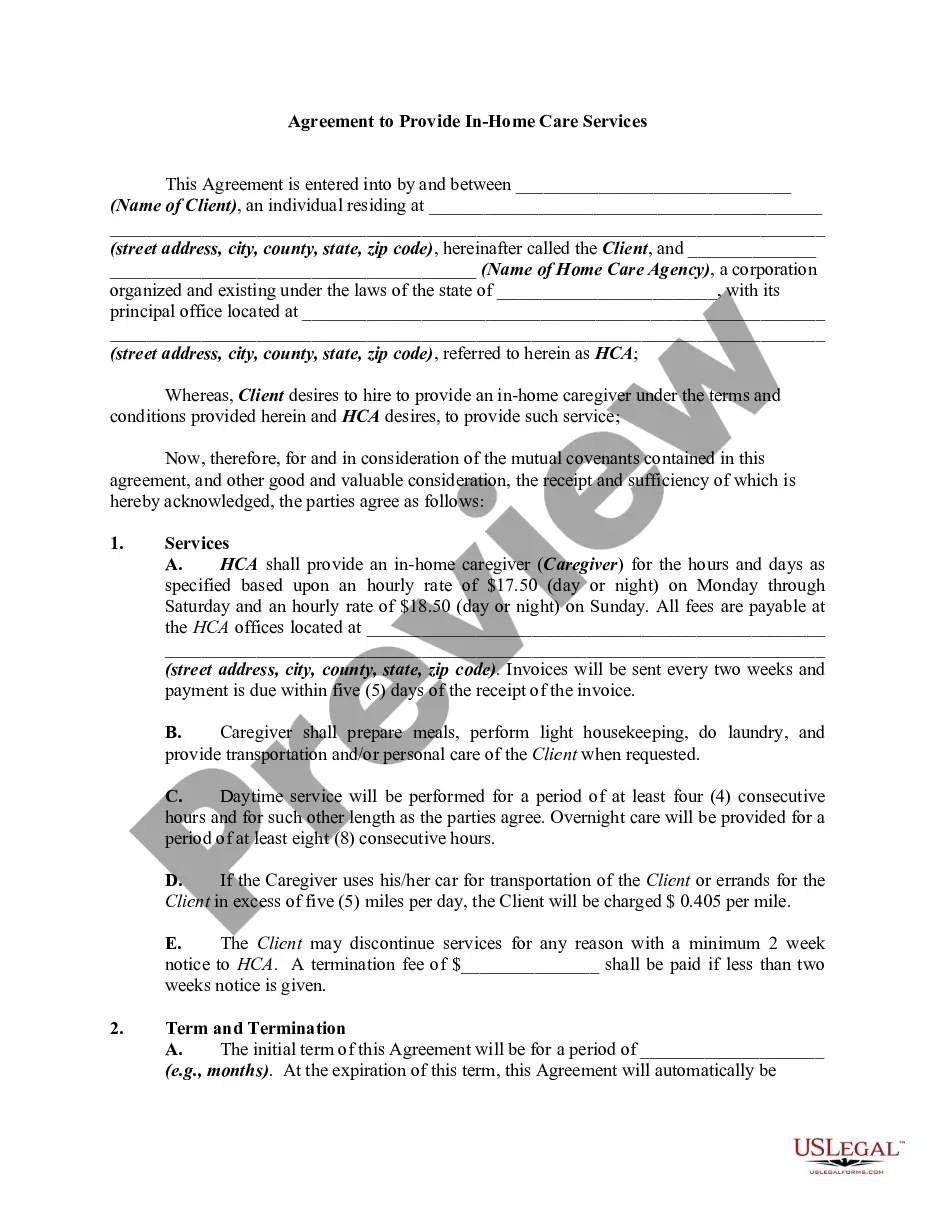
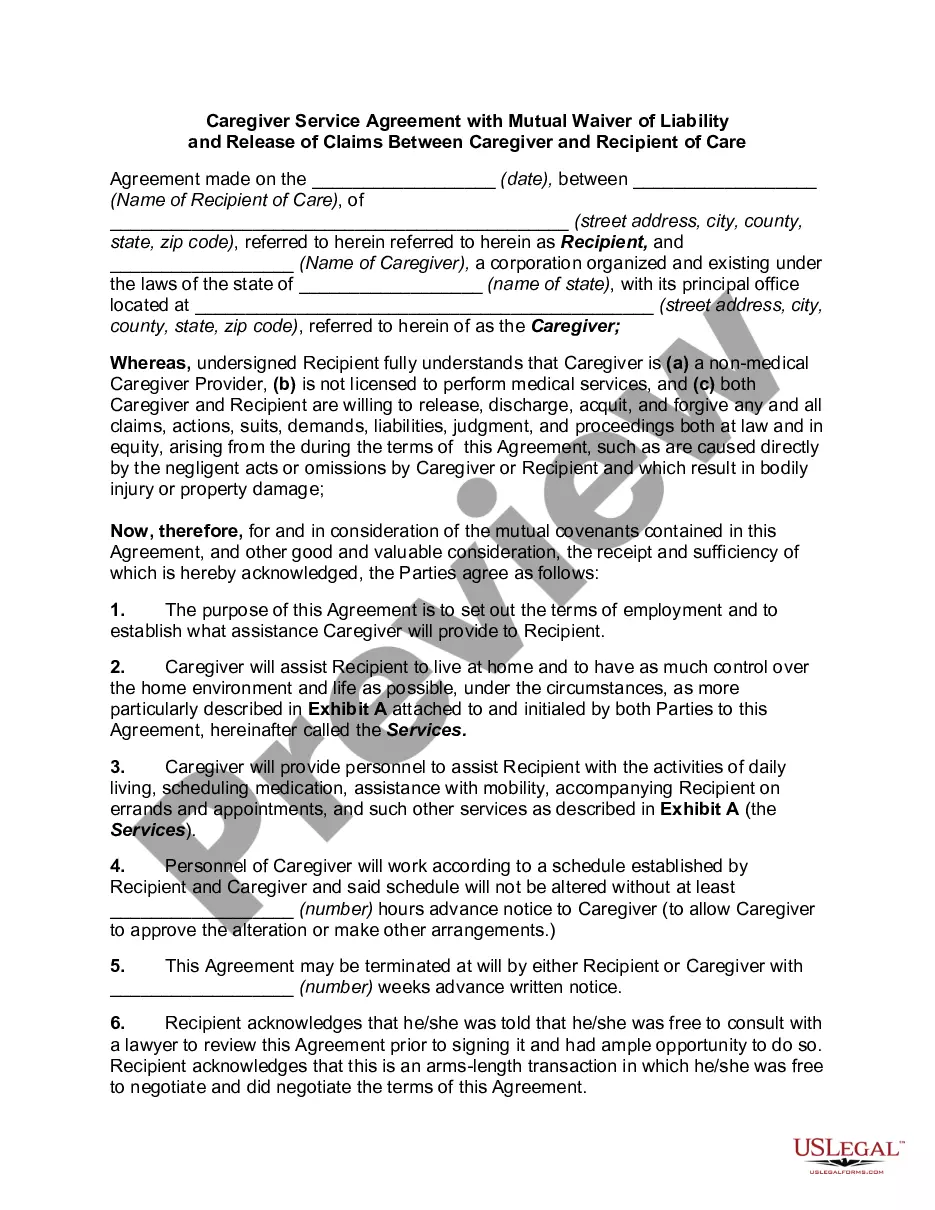
Get your form ready online
Our built-in tools help you complete, sign, share, and store your documents in one place.
Make edits, fill in missing information, and update formatting in US Legal Forms—just like you would in MS Word.
Download a copy, print it, send it by email, or mail it via USPS—whatever works best for your next step.
Sign and collect signatures with our SignNow integration. Send to multiple recipients, set reminders, and more. Go Premium to unlock E-Sign.
If this form requires notarization, complete it online through a secure video call—no need to meet a notary in person or wait for an appointment.
We protect your documents and personal data by following strict security and privacy standards.

Make edits, fill in missing information, and update formatting in US Legal Forms—just like you would in MS Word.

Download a copy, print it, send it by email, or mail it via USPS—whatever works best for your next step.

Sign and collect signatures with our SignNow integration. Send to multiple recipients, set reminders, and more. Go Premium to unlock E-Sign.

If this form requires notarization, complete it online through a secure video call—no need to meet a notary in person or wait for an appointment.

We protect your documents and personal data by following strict security and privacy standards.
Looking for another form?










Form popularity
FAQ
Private hygiene tasks such as bathing, dressing, and grooming. Household chores and maintaining a clean, safe environment. Meal preparation and ensuring balanced, nutritious meals. Mobility support, including moving safely around the home.
Activities of Daily Living (ADLs): Activities of daily living are activities related to personal care. They include bathing or showering, dressing, getting in and out of bed or a chair, walking, using the toilet, and eating.
Personal care is help with things like: bathing, showering, hair washing, shaving, brushing your teeth, and nail care. going to the toilet, catheter and stoma care, skin care, incontinence laundry and bed changing. eating, special diets, and food preparation.
How to provide good personal care Talk through what care is being provided, ensuring your client knows what you are doing and why. Listen to someone's wishes throughout. Prepare and arrange tasks in a similar order to provide routine, familiarity and comfort.
Personal care is help with things like: bathing, showering, hair washing, shaving, brushing your teeth, and nail care. going to the toilet, catheter and stoma care, skin care, incontinence laundry and bed changing. eating, special diets, and food preparation.
- You should ensure your own personal hygiene and use Personal Protective Equipment (PPE) when providing personal care including: o washing hands before and after delivering personal care o disposable gloves when washing / bathing, shaving, applying creams, applying topical medications, changing incontinence aids, ...
Examples of personal care service tasks Showering or bathing, including verbal or physical cueing or hands-on assistance. Dressing and undressing. Grooming tasks, including brushing teeth, denture care, shaving, hair styling, and makeup. Transferring, such as getting in and out of a chair or bed.
By providing emotional support, offering specific help with daily tasks, giving them time to rest, and helping them prioritize their own health, you can make a big difference in a caregiver's life.
3 Basic Rules for Assisting with Personal Care Respect Privacy, Dignity, and Client Choices. Remember that your client's needs and wishes always come first. Foster a Relationship of Trust. Oversee Client Well-Being and Report it.
Principles of Person-Centred Care Respecting the individual. It is important to get to know the patient as a person and recognise their unique qualities. Treating people with dignity. Understanding their experiences and goals. Maintaining confidentiality. Giving responsibility. Coordinating care.
