Care Caregiver Form For Yourself Poem In Middlesex
Description

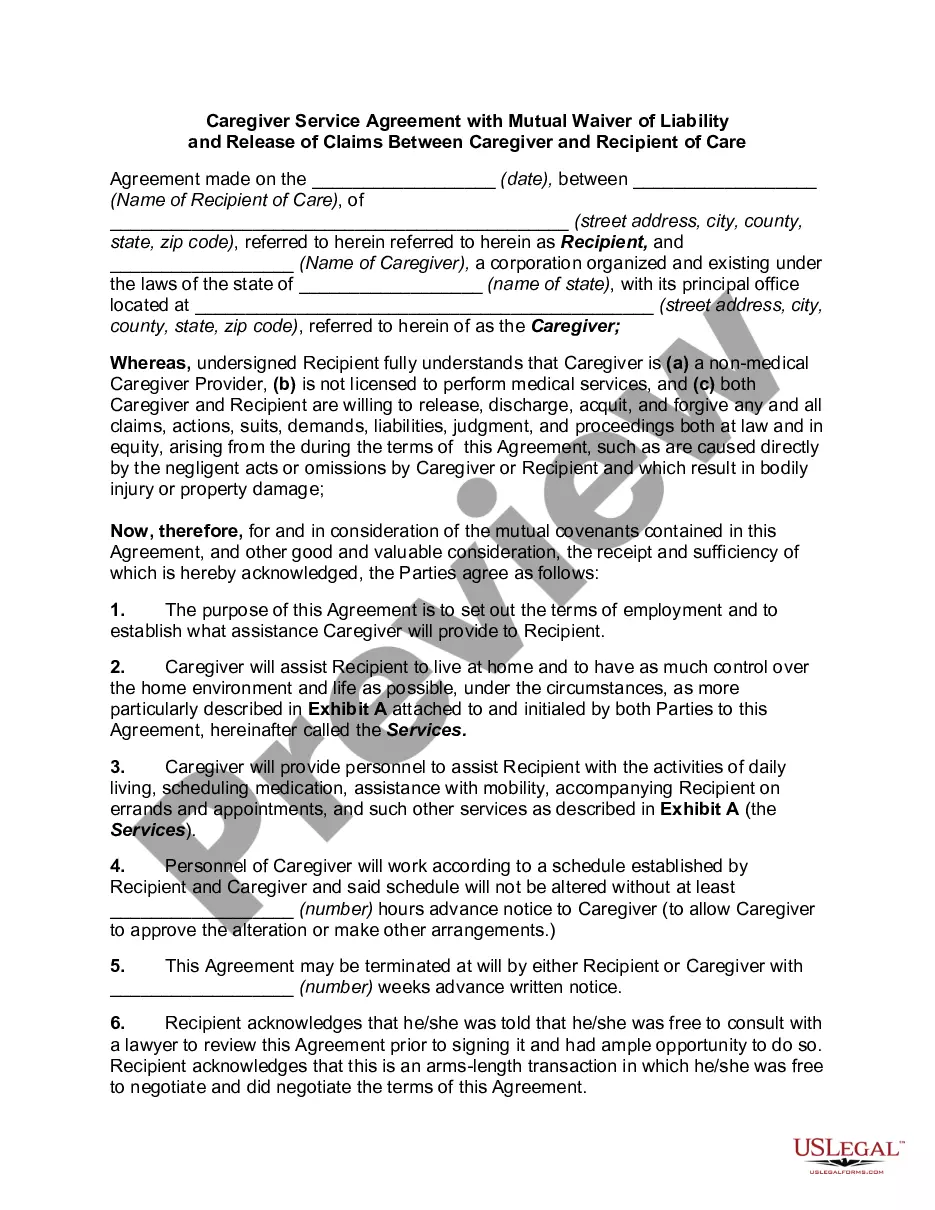
Get your form ready online
Our built-in tools help you complete, sign, share, and store your documents in one place.
Make edits, fill in missing information, and update formatting in US Legal Forms—just like you would in MS Word.
Download a copy, print it, send it by email, or mail it via USPS—whatever works best for your next step.
Sign and collect signatures with our SignNow integration. Send to multiple recipients, set reminders, and more. Go Premium to unlock E-Sign.
If this form requires notarization, complete it online through a secure video call—no need to meet a notary in person or wait for an appointment.
We protect your documents and personal data by following strict security and privacy standards.

Make edits, fill in missing information, and update formatting in US Legal Forms—just like you would in MS Word.

Download a copy, print it, send it by email, or mail it via USPS—whatever works best for your next step.

Sign and collect signatures with our SignNow integration. Send to multiple recipients, set reminders, and more. Go Premium to unlock E-Sign.

If this form requires notarization, complete it online through a secure video call—no need to meet a notary in person or wait for an appointment.

We protect your documents and personal data by following strict security and privacy standards.
Looking for another form?


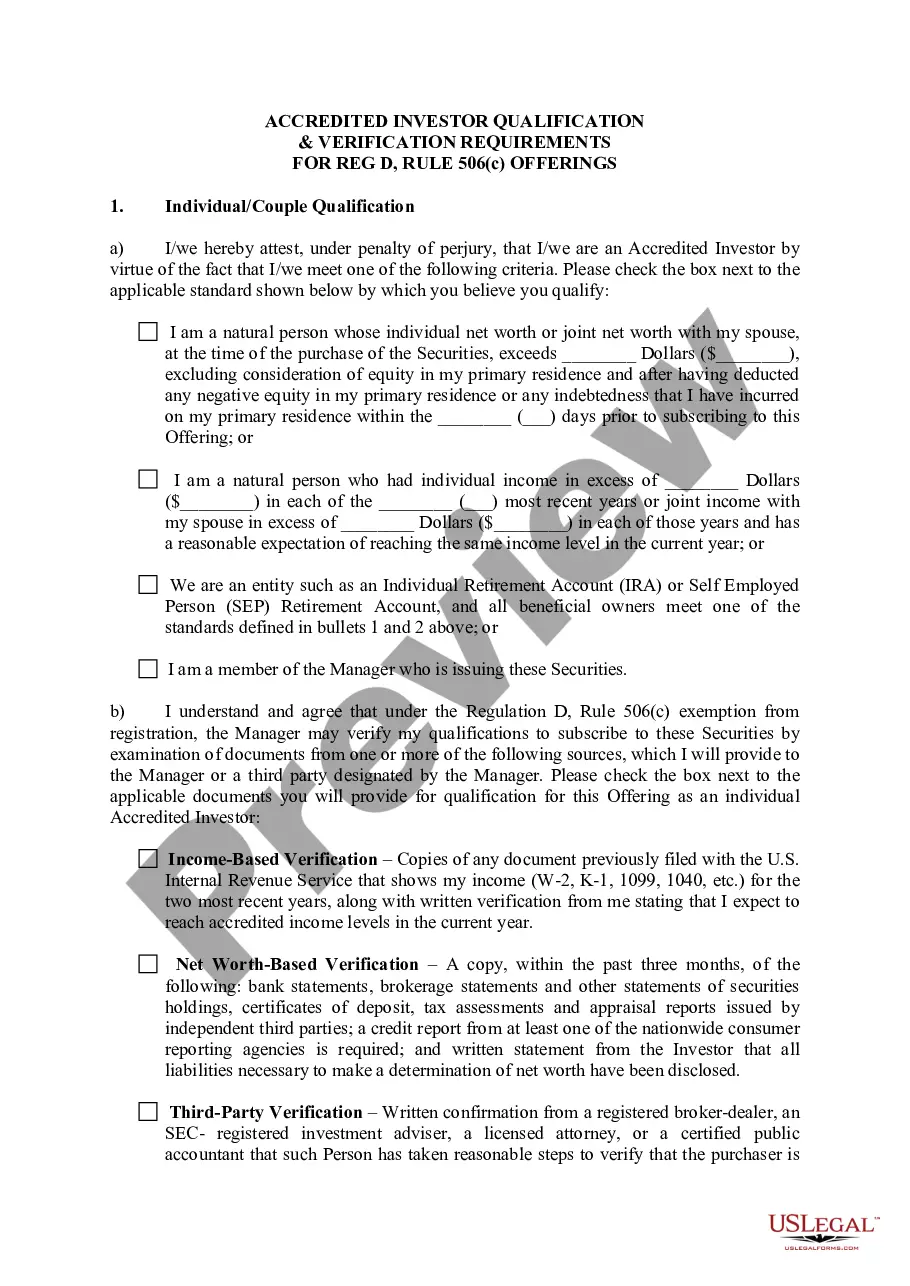

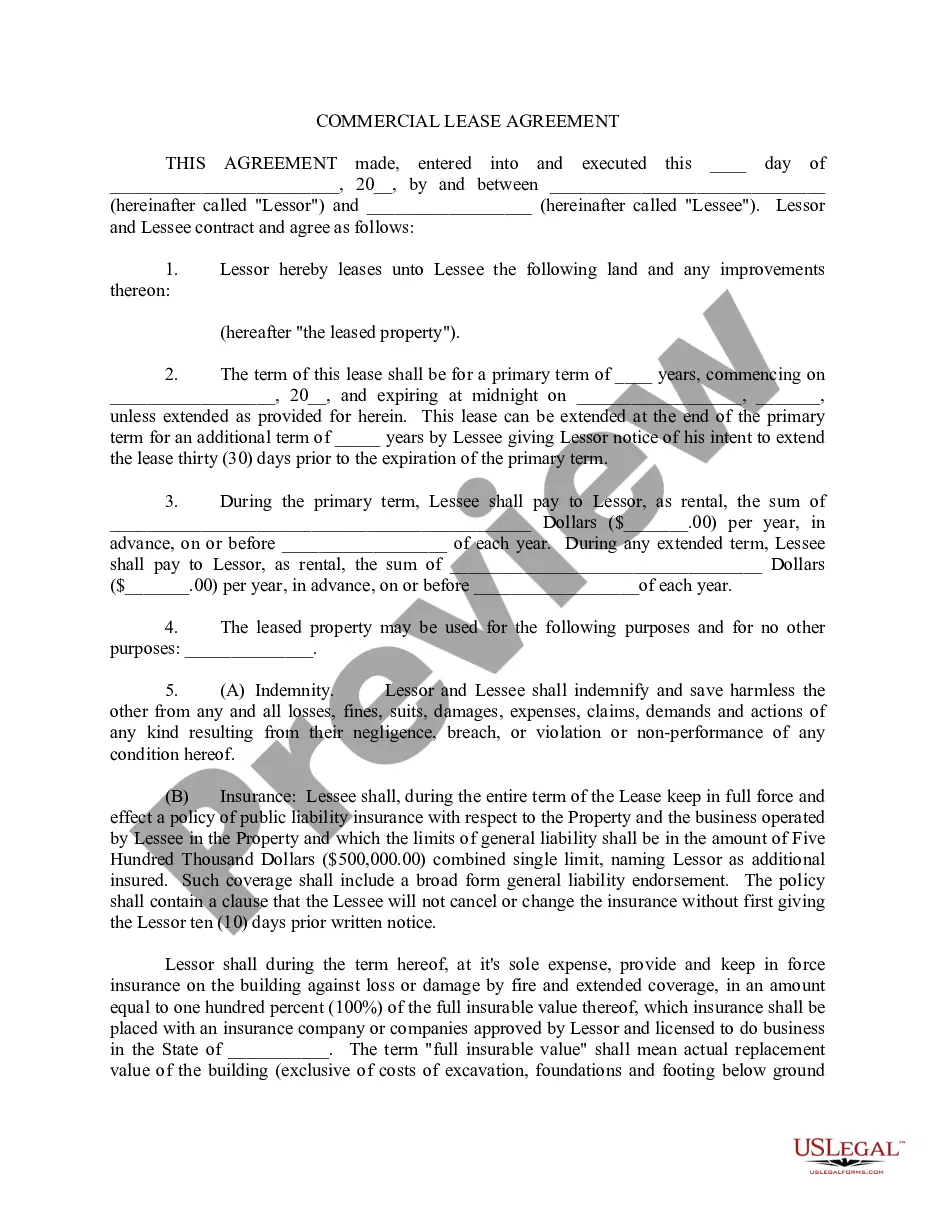
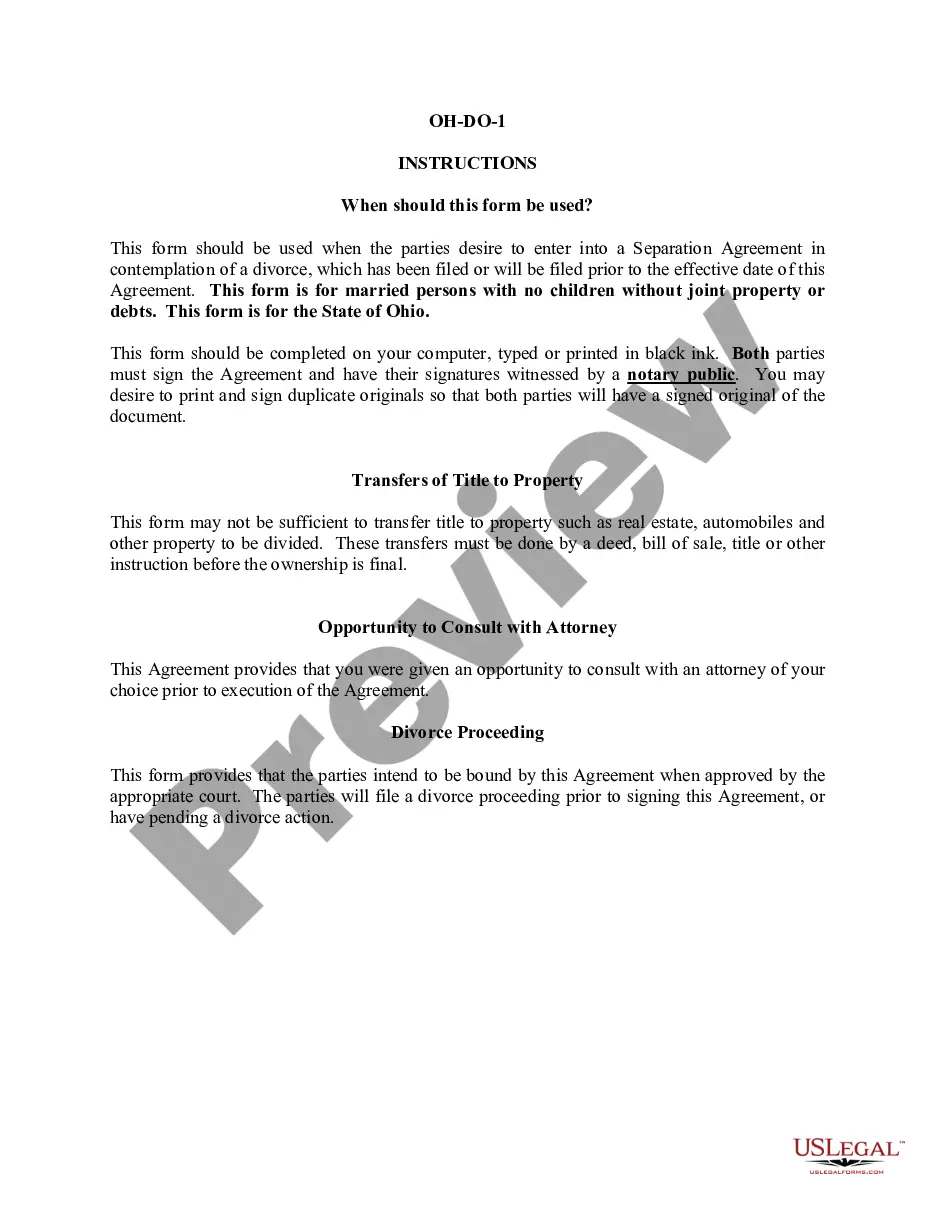



Form popularity
FAQ
A caregiver position usually requires some form of education or training in healthcare, nursing, or a related field. In some cases, an NVQ (National Vocational Qualification) or equivalent in Health and Social Care is beneficial. It's important to acquire these qualifications before starting your job search.
A caregiver position usually requires some form of education or training in healthcare, nursing, or a related field. In some cases, an NVQ (National Vocational Qualification) or equivalent in Health and Social Care is beneficial. It's important to acquire these qualifications before starting your job search.
Certain specialist care roles require very specific qualifications and experience. Whilst other CareGiver roles offer all the necessary training and experience in-house. So it is possible to become a professional care worker with no previous experience in the sector.
The requirement is at least level B1 on the Common European Framework of Reference(CEFR) for Languages ability. Or you need an IELTS point 4 with no band less than 4. On the other hand, if you are related to any healthcare profession, you can also provide your OET score, which must be a minimum C grade.
Remember that you don't have to do everything all at once, especially if the thought of self-care just makes you feel more exhausted. Be active. Eat well. Prioritize sleep. Reduce stress. Make time to relax. Keep up with your own health. Reach out for support. Take a break if you need it.
Jersey Assistance for Community Caregiving (JACC) JACC is a State-funded program that provides a broad array of in-home and community-based services to individuals age 60 and older who meet clinical eligibility for nursing home level of care and who desire to remain in their homes within the community.
Apply from outside the UK Proving your identity and providing supporting documents. As part of your application, you'll need to prove your identity. Apply for a Health and Care Worker visa. Apply for a Skilled Worker visa. Continue your application. How long it takes to get a decision. After you apply.
He is a caregiver for his autistic son. She is able to take care of her husband at home with the help of several caregivers. Unless you have been a caregiver or a close family member or friend to someone with Alzheimer's, it's hard to really understand what it's like.
A caregiver position usually requires some form of education or training in healthcare, nursing, or a related field. In some cases, an NVQ (National Vocational Qualification) or equivalent in Health and Social Care is beneficial. It's important to acquire these qualifications before starting your job search.
Self-Care for Caregivers Take time for yourself and your own needs. Eat a well-balanced diet. Exercise by taking short walks daily or at least three times a week. Listen to guided relaxation recordings or relaxing music. Schedule short rest periods between activities. Set limits for what you can do.
