Care Caregiver Form With 504 In Illinois
Description






Get your form ready online
Our built-in tools help you complete, sign, share, and store your documents in one place.
Make edits, fill in missing information, and update formatting in US Legal Forms—just like you would in MS Word.
Download a copy, print it, send it by email, or mail it via USPS—whatever works best for your next step.
Sign and collect signatures with our SignNow integration. Send to multiple recipients, set reminders, and more. Go Premium to unlock E-Sign.
If this form requires notarization, complete it online through a secure video call—no need to meet a notary in person or wait for an appointment.
We protect your documents and personal data by following strict security and privacy standards.

Make edits, fill in missing information, and update formatting in US Legal Forms—just like you would in MS Word.

Download a copy, print it, send it by email, or mail it via USPS—whatever works best for your next step.

Sign and collect signatures with our SignNow integration. Send to multiple recipients, set reminders, and more. Go Premium to unlock E-Sign.

If this form requires notarization, complete it online through a secure video call—no need to meet a notary in person or wait for an appointment.

We protect your documents and personal data by following strict security and privacy standards.
Looking for another form?

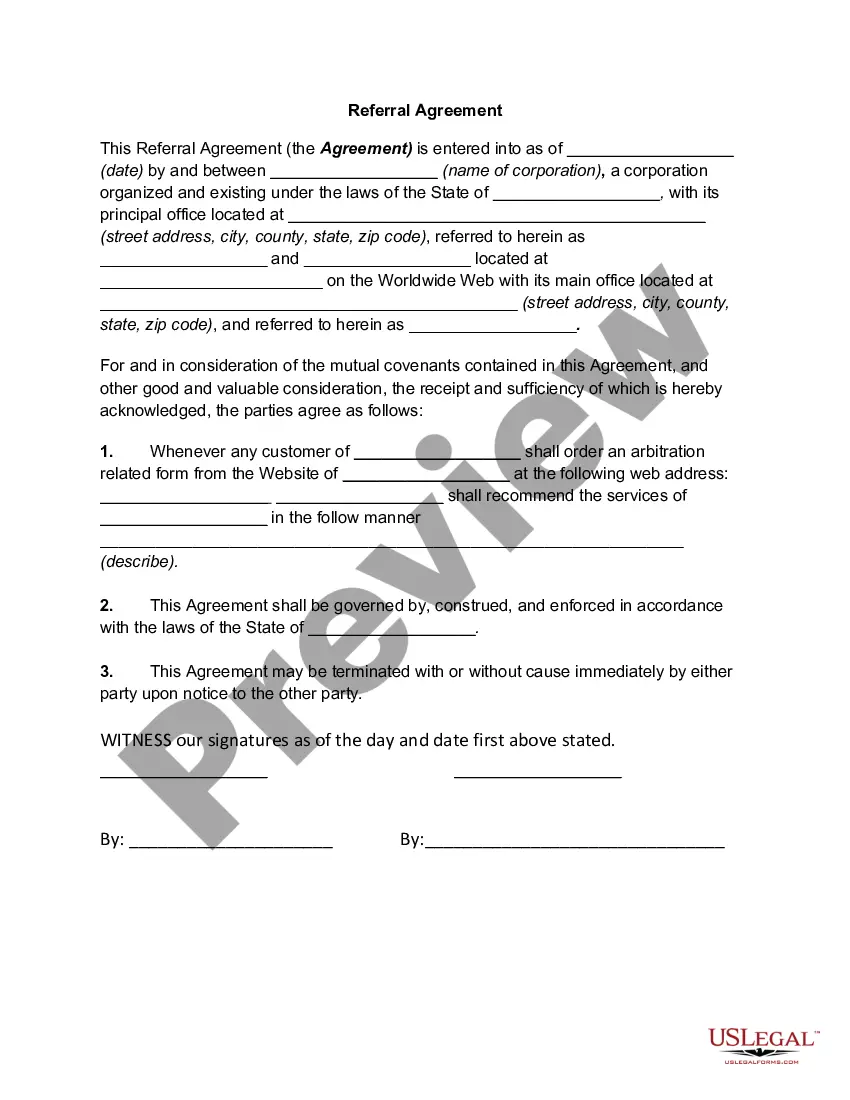

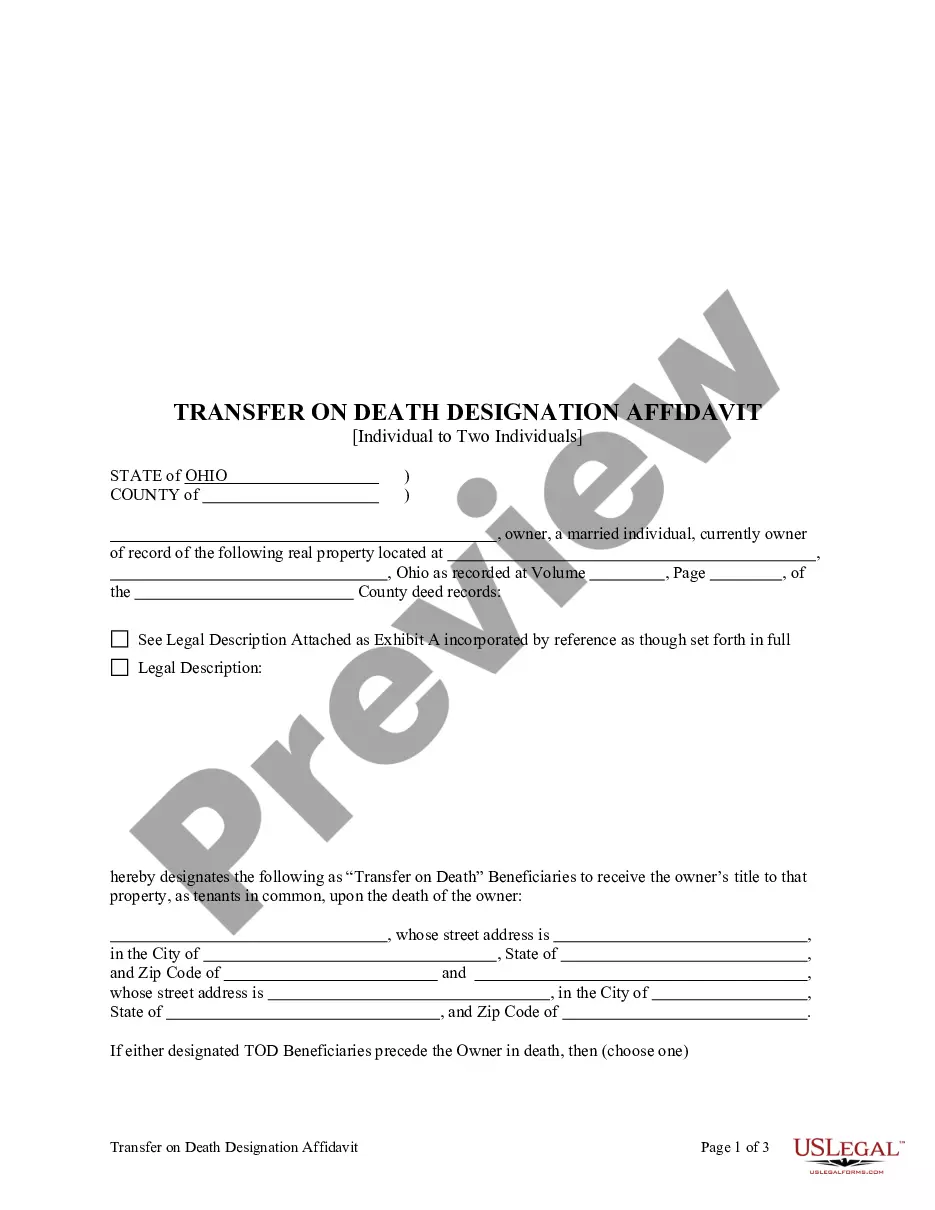


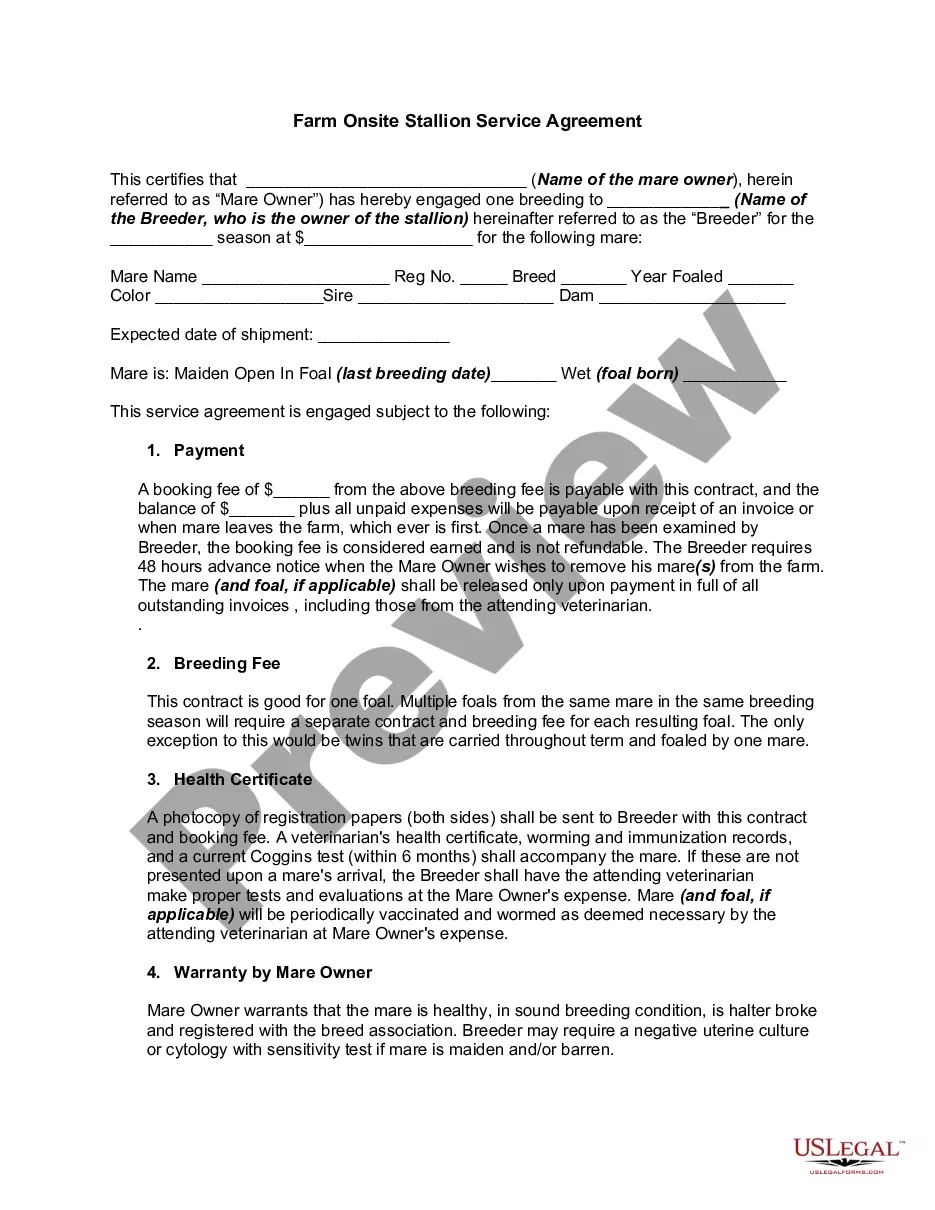



Form popularity
FAQ
The basic difference between an IEP and a 504 plan can be summed up in one sentence: both plans provide for accommodations, but only an IEP provides for specialized instruction for students in grades K–12, while a 504 plan can serve students at both the K–12 and college levels.
To qualify for a 504 plan, a child must have a “physical or mental impairment” that “substantially limits one or more major life activity.” Major life activities include things like walking, seeing, eating, breathing, learning, thinking, concentrating, and communicating.
The 333 rule for anxiety is an easy technique to remember and use in the moment if something is triggering your anxiety. It involves looking around your environment to identify three objects and three sounds, then moving three body parts.
Sample Accommodations for Anxiety or OCD Separate set of books for home. Has own set of supplies (crayons, scissors, tape) vs. using community supplies. May take hand-outs first before others have touched them. Scheduled bathroom breaks/use of low-traffic bathroom. May leave class a minute early to avoid hallway congestion.
If a student qualifies for a 504 plan for anxiety, the school then puts in place supports and accommodations to help. This might mean frequent breaks, a quiet test room, or something else — whatever helps the student fully participate at school.
The Section 504 Process consists of four steps: (1) Referral; (2) Evaluation; (3) Eligibility Determination; and (4) the Section 504 Plan.
Cons: A 504 plan does not allow for specialized instruction as an IEP does. Although parental consent is required to evaluate the child for a 504 plan, there is no requirement for parental consent for the accommodations to be put in place. States do not receive extra funding for students with 504 plans.
Filing a complaint If you wish to file a complaint with the OIG, complete the online Request for Investigation form. To contact the DCFS Office of the Inspector General by phone, please call 312-433-3000 or 800-722-9124.
Choosing the Appropriate Plan IEPs are annual and provide additional intentional interventions through specialized instructional goals and objectives. 504 plans provide accommodations without the need for specialized instruction and do not need to be updated every year.
