Caregiver Form Sample Format In Houston
Description


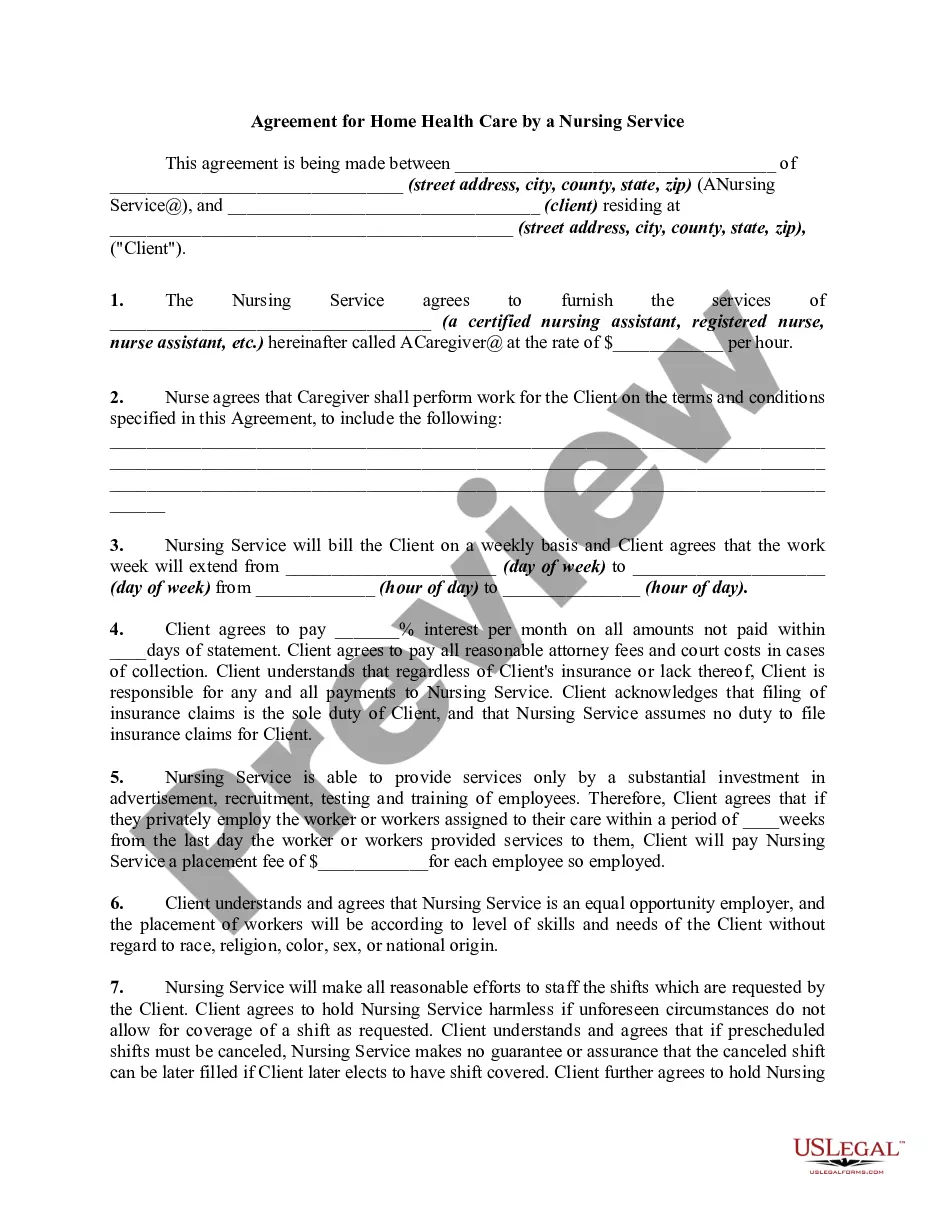
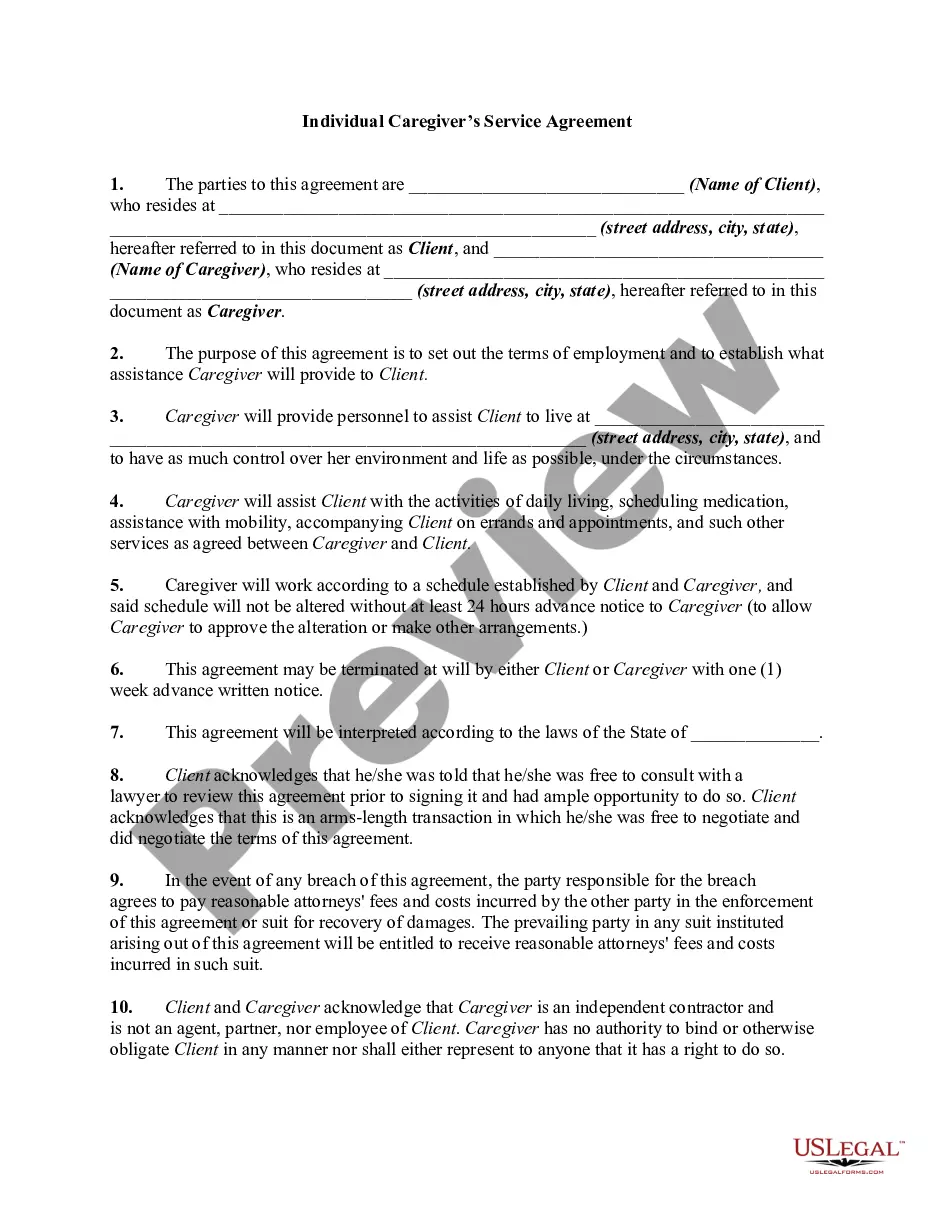
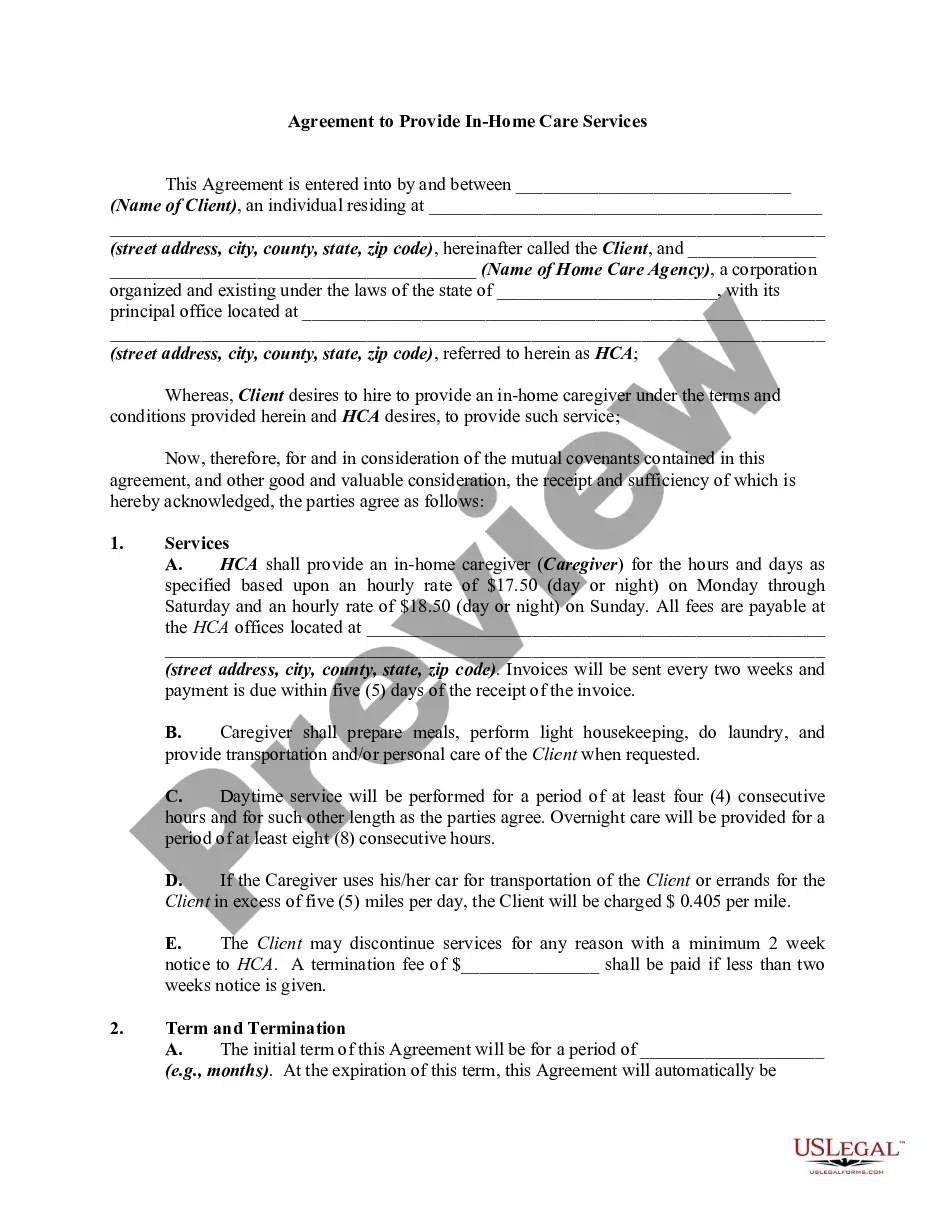
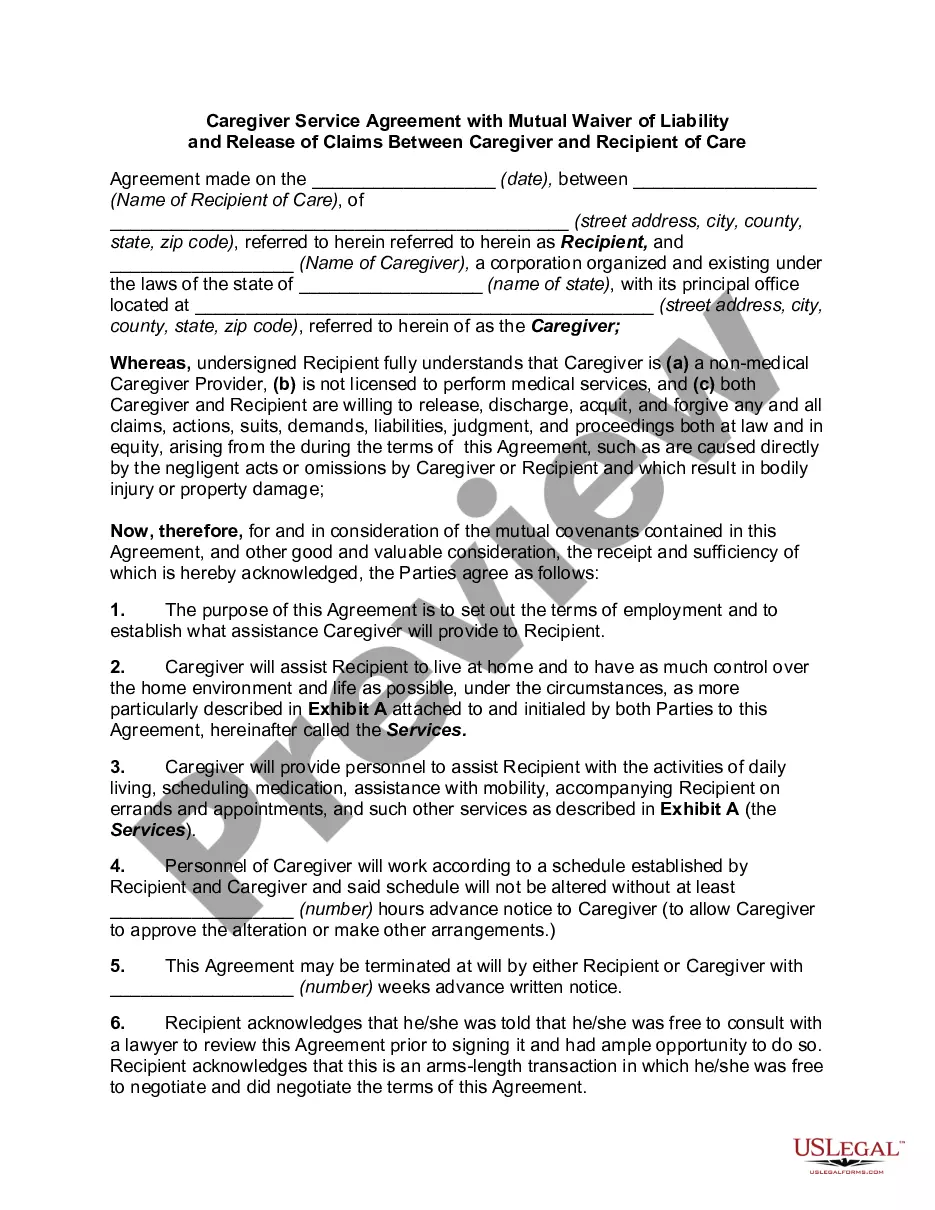
Get your form ready online
Our built-in tools help you complete, sign, share, and store your documents in one place.
Make edits, fill in missing information, and update formatting in US Legal Forms—just like you would in MS Word.
Download a copy, print it, send it by email, or mail it via USPS—whatever works best for your next step.
Sign and collect signatures with our SignNow integration. Send to multiple recipients, set reminders, and more. Go Premium to unlock E-Sign.
If this form requires notarization, complete it online through a secure video call—no need to meet a notary in person or wait for an appointment.
We protect your documents and personal data by following strict security and privacy standards.

Make edits, fill in missing information, and update formatting in US Legal Forms—just like you would in MS Word.

Download a copy, print it, send it by email, or mail it via USPS—whatever works best for your next step.

Sign and collect signatures with our SignNow integration. Send to multiple recipients, set reminders, and more. Go Premium to unlock E-Sign.

If this form requires notarization, complete it online through a secure video call—no need to meet a notary in person or wait for an appointment.

We protect your documents and personal data by following strict security and privacy standards.
Looking for another form?









Form popularity
FAQ
Here are the most widely seen 4 types of caregivers: Professional caregivers. Those who are trained, certified, and employed to provide care services are known as professional caregivers. Family caregivers. Volunteer caregivers. Informal caregivers.
He is a caregiver for his autistic son. She is able to take care of her husband at home with the help of several caregivers. Unless you have been a caregiver or a close family member or friend to someone with Alzheimer's, it's hard to really understand what it's like.
A caregiver agreement should include: Service start date. List of caregiving services. Frequency of service. A legal and financial plan. A termination clause. Backup plan for caretaker absence.
A caregiver provides assistance in meeting the daily needs of another person. Responsibilities may range from bathing, dressing, feeding, transportation, grocery shopping, housework, managing incontinence, assisting with mobility, preparing meals, dispensing medicines, and communicating with medical staff.
A person who gives care to people who need help taking care of themselves. Examples include children, the elderly, or patients who have chronic illnesses or are disabled. Caregivers may be health professionals, family members, friends, social workers, or members of the clergy.
In-home caregiver as a household employee Provide a completed Form I-9 to your household employer to ensure you're qualified to work in the U.S. Provide a completed W-4 form and state income tax withholding forms. Complete your federal income tax return using Form W-2, which will be provided by your employer.
