Caregiver Application Form With Social Security Number In Houston
Description

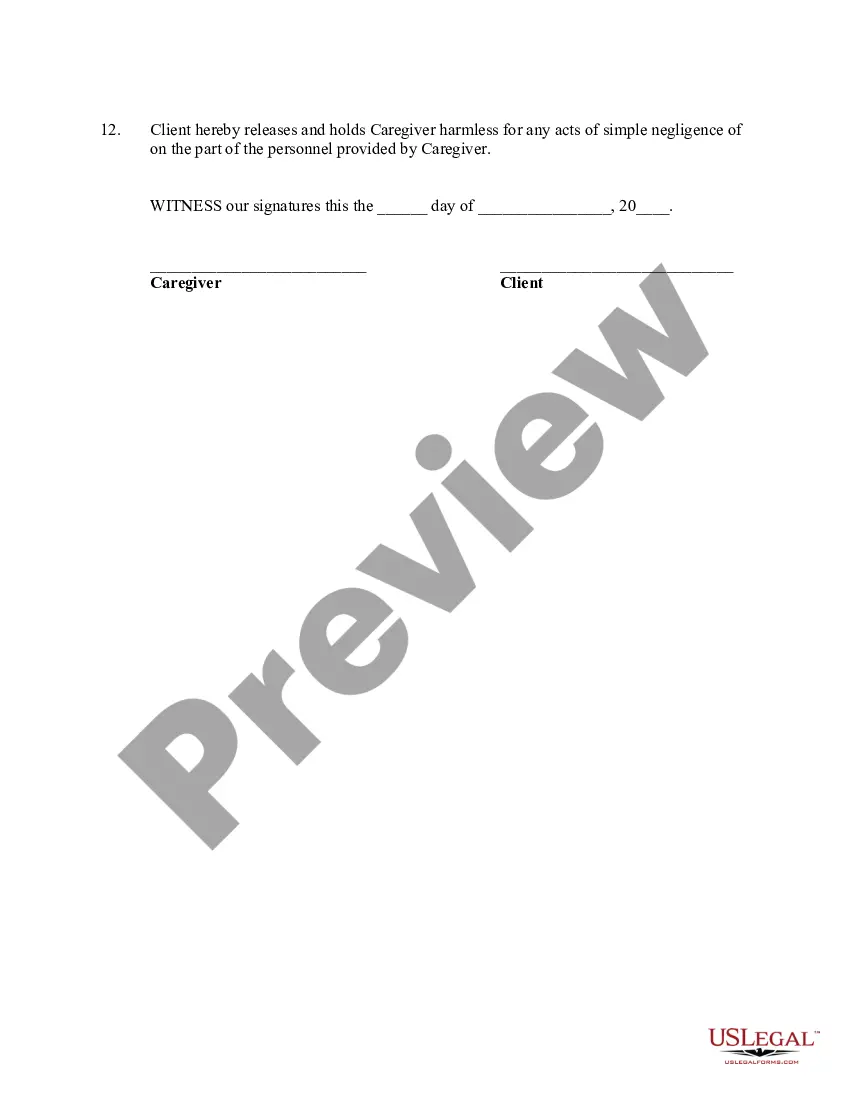
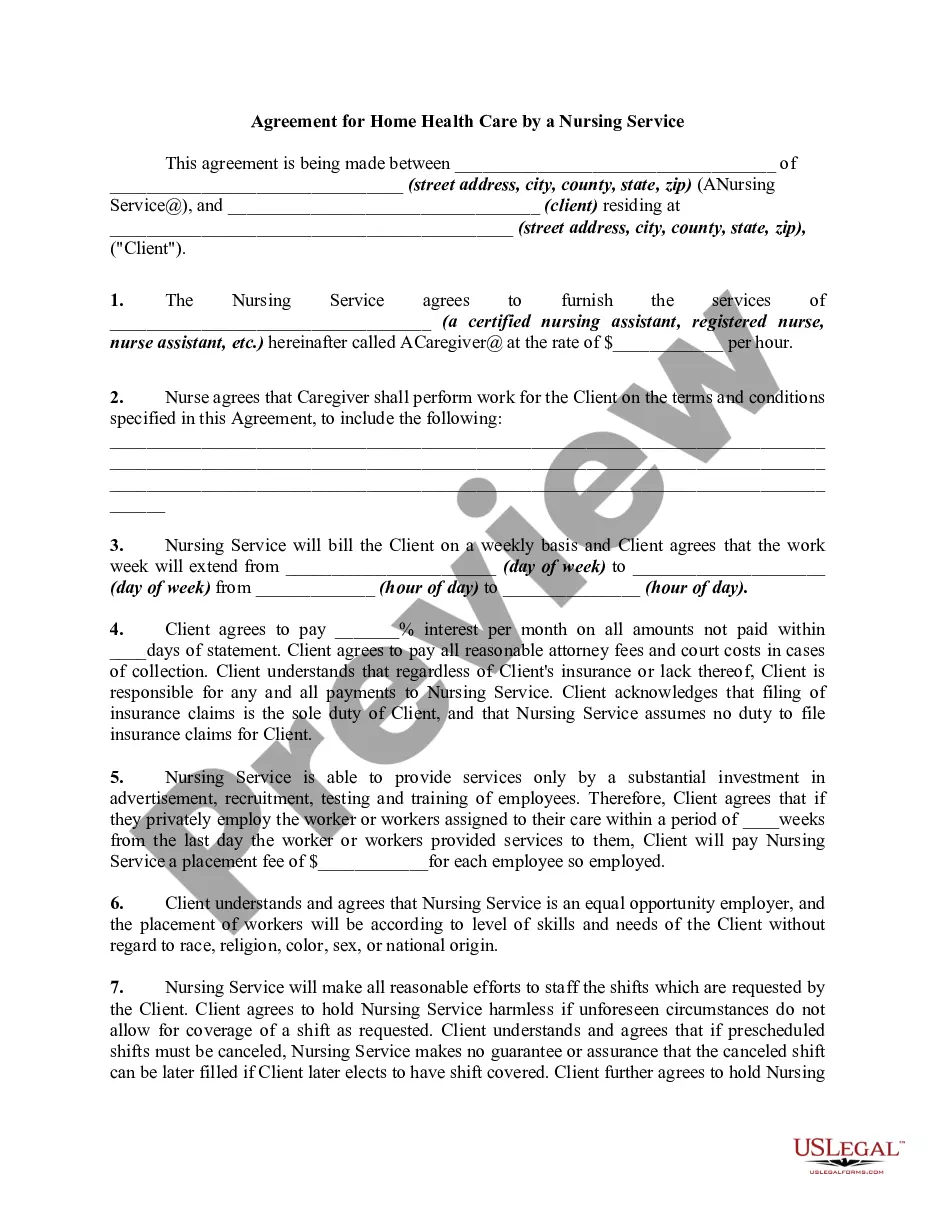
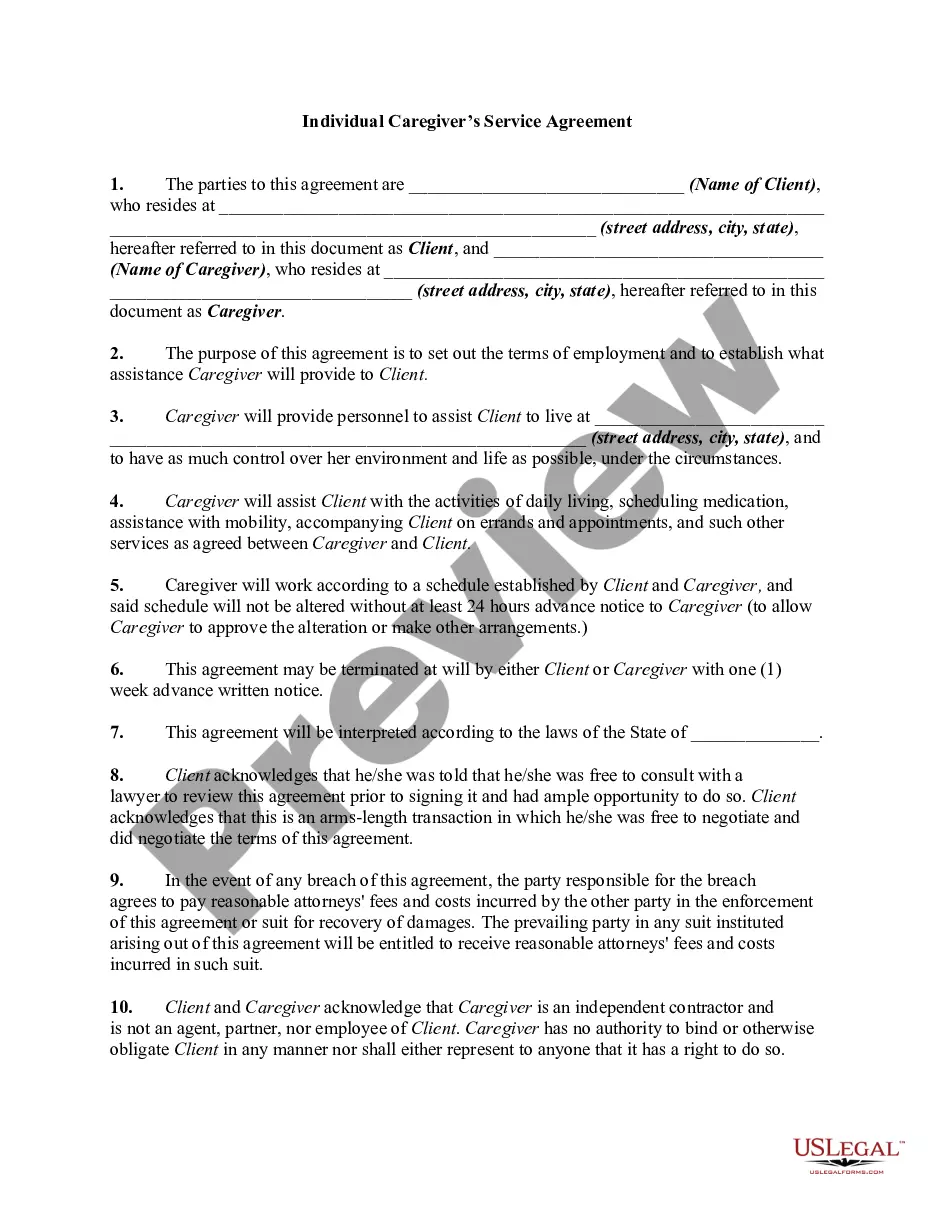
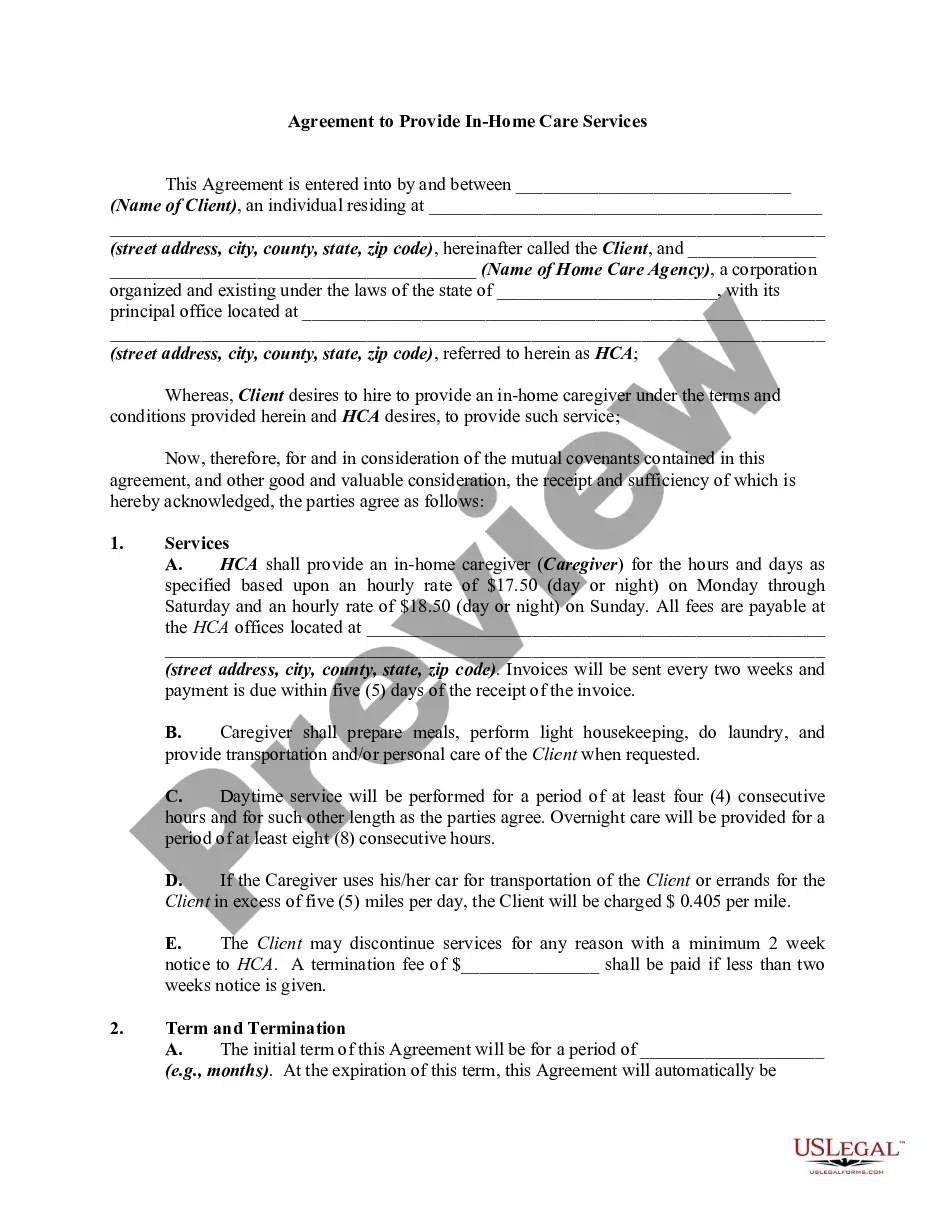
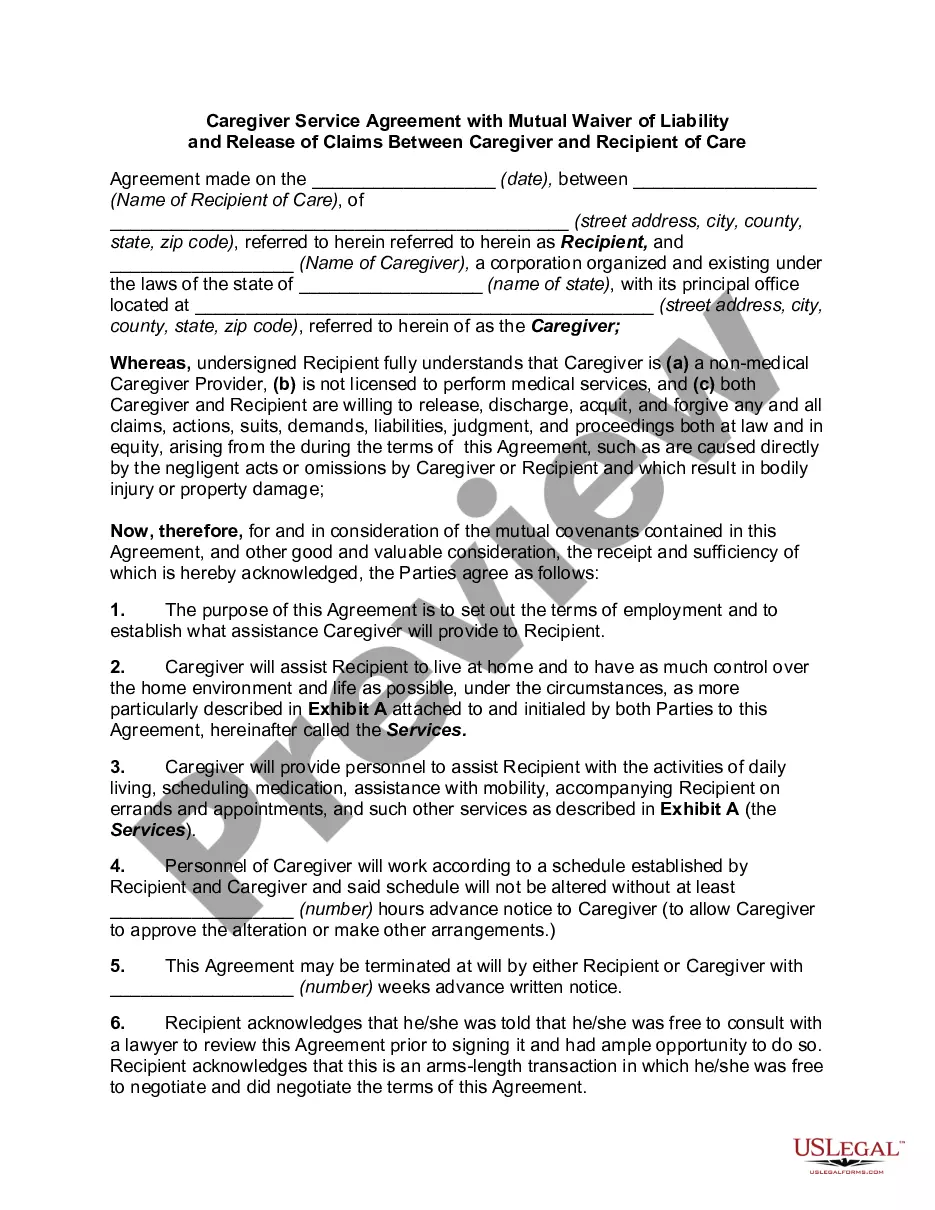
Get your form ready online
Our built-in tools help you complete, sign, share, and store your documents in one place.
Make edits, fill in missing information, and update formatting in US Legal Forms—just like you would in MS Word.
Download a copy, print it, send it by email, or mail it via USPS—whatever works best for your next step.
Sign and collect signatures with our SignNow integration. Send to multiple recipients, set reminders, and more. Go Premium to unlock E-Sign.
If this form requires notarization, complete it online through a secure video call—no need to meet a notary in person or wait for an appointment.
We protect your documents and personal data by following strict security and privacy standards.

Make edits, fill in missing information, and update formatting in US Legal Forms—just like you would in MS Word.

Download a copy, print it, send it by email, or mail it via USPS—whatever works best for your next step.

Sign and collect signatures with our SignNow integration. Send to multiple recipients, set reminders, and more. Go Premium to unlock E-Sign.

If this form requires notarization, complete it online through a secure video call—no need to meet a notary in person or wait for an appointment.

We protect your documents and personal data by following strict security and privacy standards.
Looking for another form?

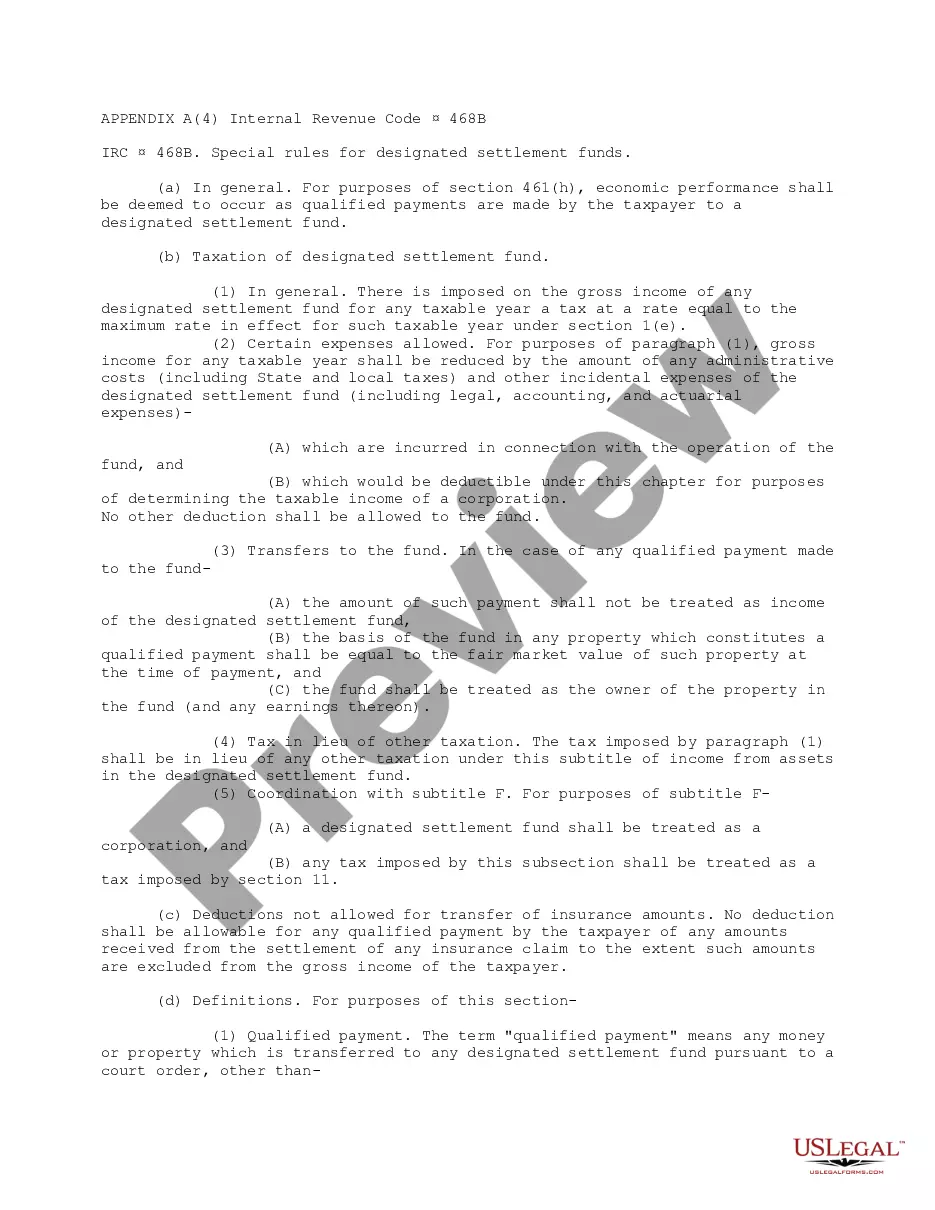






Form popularity
FAQ
A caregiver must: (1) Be at least 18 years of age; (2) Have a high school diploma or its equivalent, and upon request verify completion of any high school equivalency program with original documentation to us. (3) Meet the requirements in Subchapter F of Chapter 745 of this title (relating to Background Checks);
Family caregiving is the act of providing at-home care for a relative, friend, or other loved one with a physical or mental health problem. As life expectancies increase, medical treatments advance, and more people live with chronic illnesses and disabilities, many of us find ourselves caring for a loved one at home.
The heart of caregiving lies in empathy and compassion. As caregivers tend to individuals dealing with significant physical or emotional challenges, they must do so with a deep understanding and kind-heartedness. A sense of empathy helps caregivers understand the feelings and needs of their clients.
Key responsibilities include: Personal care: Assist clients with daily living activities such as bathing, dressing, grooming, and toileting. Medication management: Administer prescribed medications and monitor for side effects, ensuring compliance with care plans.
Role of a Caregiver Helping your loved one in dressing up, toileting and conducting household tasks such as buying groceries and chores. Ensuring your loved one is exercising, eating balanced meals, and taking medication in a timely manner. Providing a listening ear to your loved one, and showing care and support.
The domains of the caregiving role include: assistance with household tasks, self-care tasks, and mobility; provision of emotional and social support; health and medical care; advocacy and care coordination; and surrogacy.
What are common caregiver qualifications? Having relevant work experience and skills. Completing any required training. Passing a background check and general health check. Earning basic health certifications. Meeting age requirements. Possessing a valid driver's license, insurance and a good driving record.
But realistically, if you take a loved one regularly to the doctor, or buy their groceries, or have a sibling with special needs whom you support, advocate for an ill spouse, or engage in long-distance care of a loved one, you are a caregiver. The important thing to recognize is that your caring role is important.
