Caregiver Form Printable With Holidays In Harris
Description

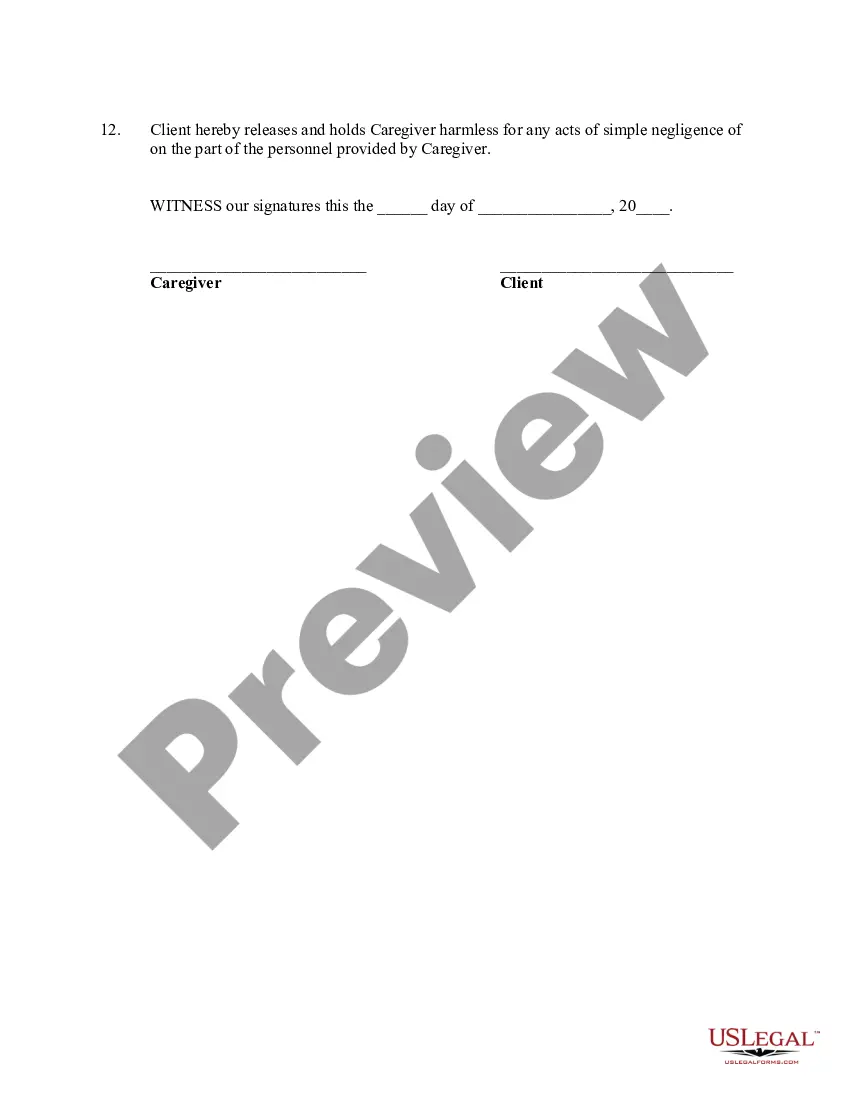
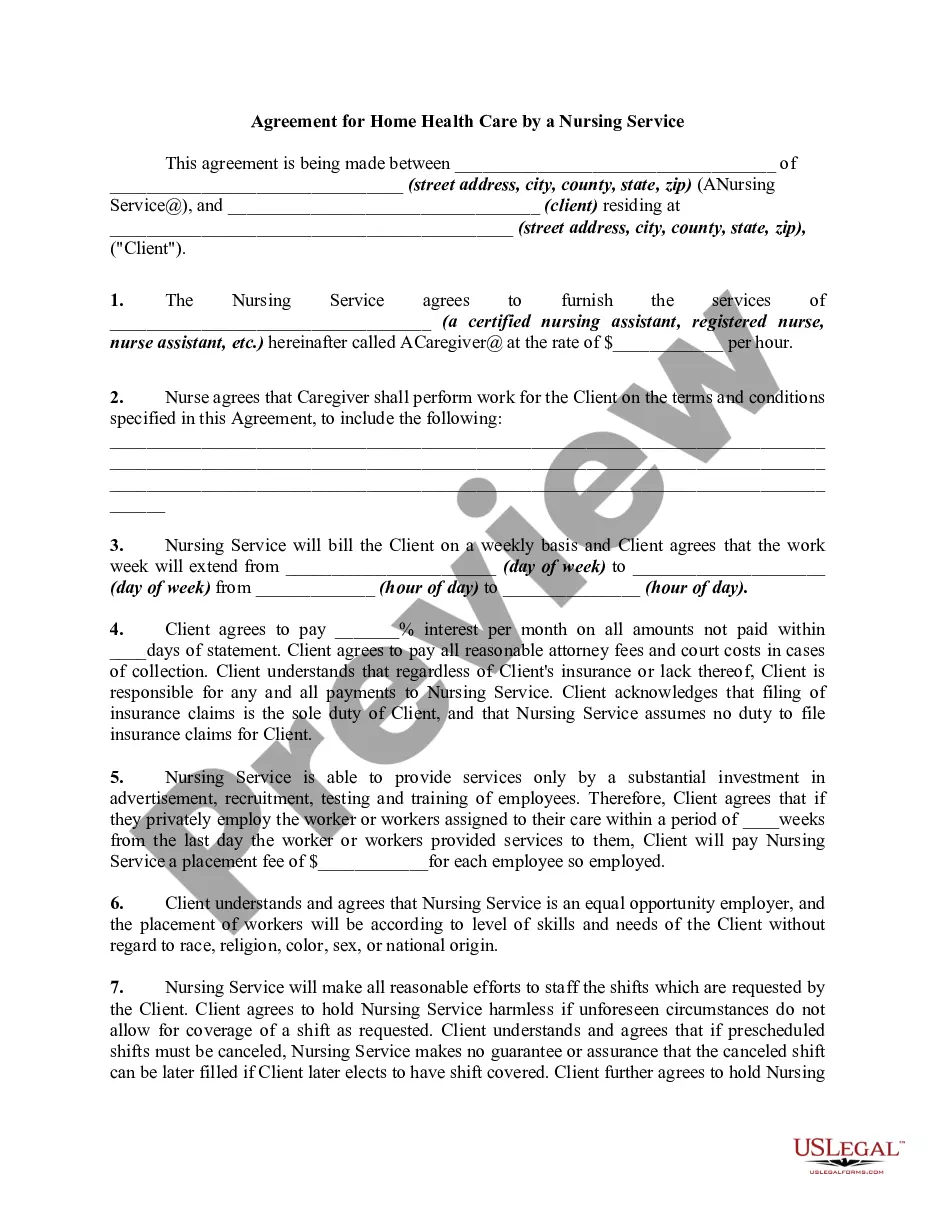
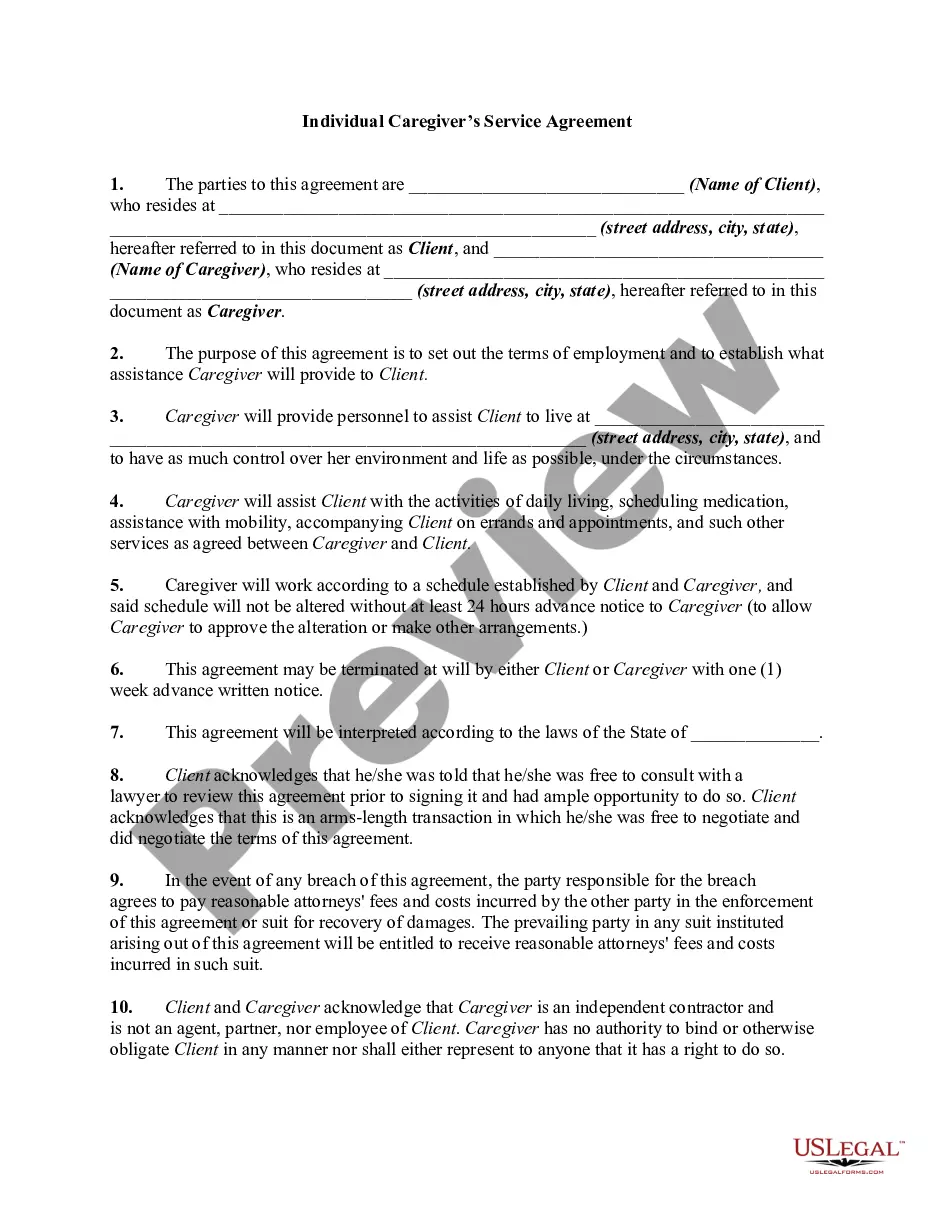
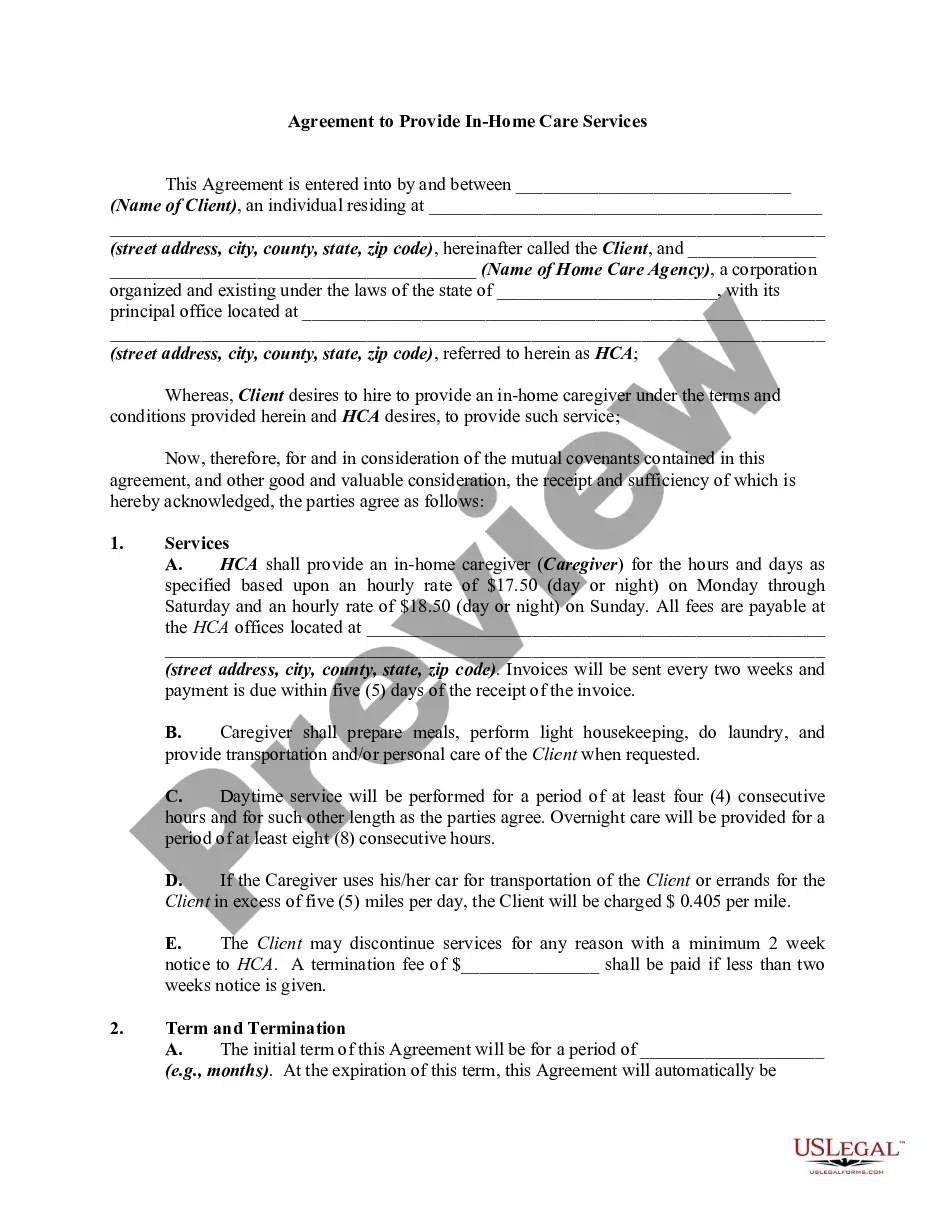
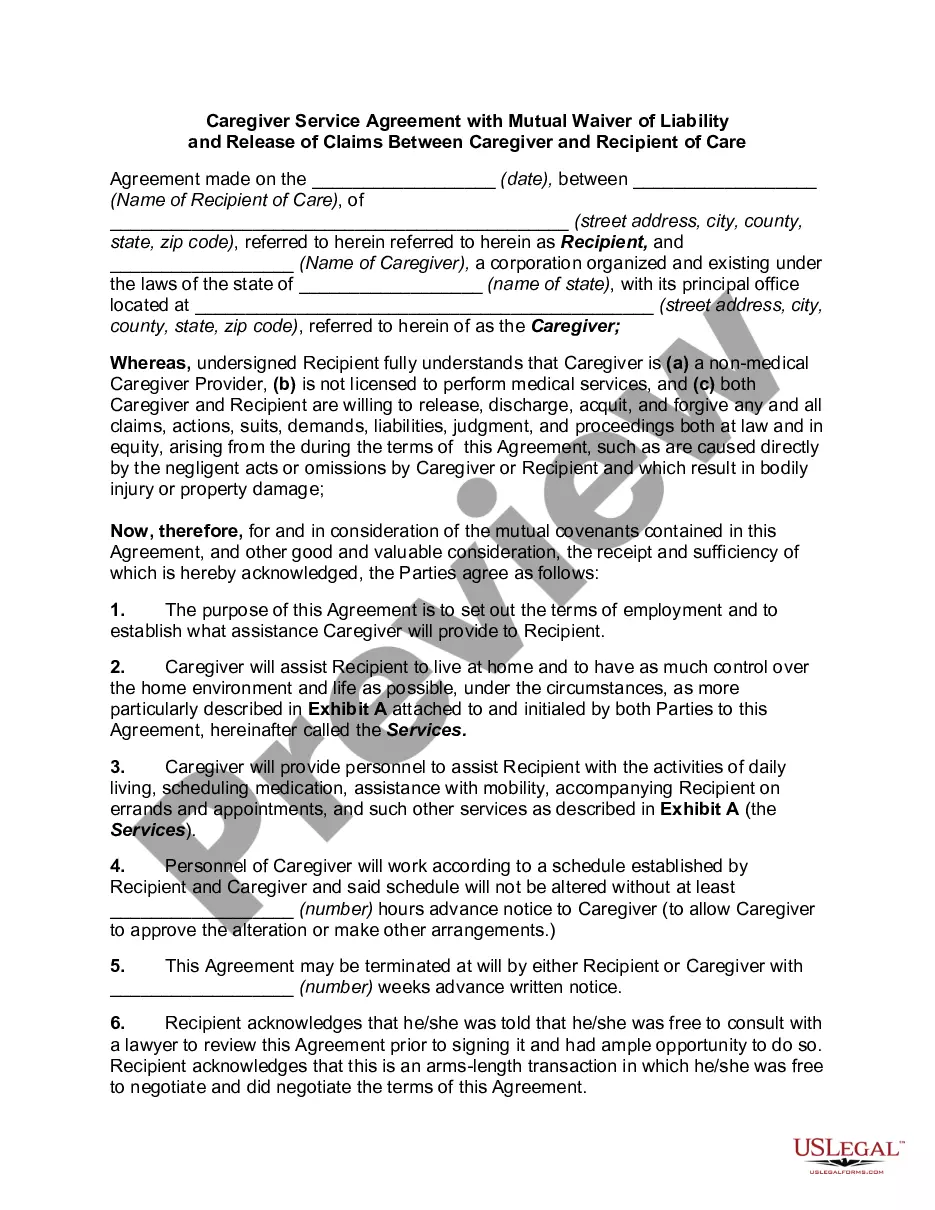
Get your form ready online
Our built-in tools help you complete, sign, share, and store your documents in one place.
Make edits, fill in missing information, and update formatting in US Legal Forms—just like you would in MS Word.
Download a copy, print it, send it by email, or mail it via USPS—whatever works best for your next step.
Sign and collect signatures with our SignNow integration. Send to multiple recipients, set reminders, and more. Go Premium to unlock E-Sign.
If this form requires notarization, complete it online through a secure video call—no need to meet a notary in person or wait for an appointment.
We protect your documents and personal data by following strict security and privacy standards.

Make edits, fill in missing information, and update formatting in US Legal Forms—just like you would in MS Word.

Download a copy, print it, send it by email, or mail it via USPS—whatever works best for your next step.

Sign and collect signatures with our SignNow integration. Send to multiple recipients, set reminders, and more. Go Premium to unlock E-Sign.

If this form requires notarization, complete it online through a secure video call—no need to meet a notary in person or wait for an appointment.

We protect your documents and personal data by following strict security and privacy standards.
Looking for another form?





Form popularity
FAQ
Caregiving is rewarding but stressful But the demands of caregiving also cause emotional and physical stress. It's common to feel angry, frustrated, worn out or sad. And it's common to feel alone. Caregiver stress can put caregivers at risk of changes in their own health.
Say this to show appreciation ``Thank you for what you are doing. It must be very challenging at times, but you keep forging ahead, and I admire you for that. I'd like to do X, Y or Z to support you.'' Or surprise a caregiver with a supportive card, gift certificate, present or anything that makes her feel appreciated.
Isolation – Caregivers can often feel cut off from the outside world. So much time and energy is spent caring for someone else, caregivers often don't have time to take care of themselves. If you start to feel isolated, reach out to close friends and family to see if they are able to help.
Dealing with Emotional Stress and Burnout Emotional stress and burnout are significant challenges faced by caregivers. The demands of caregiving, coupled with balancing work, personal relationships, and other aspects of life, can lead to increased stress and feelings of being overwhelmed.
More than half of the carers asked (56%) are dealing with depression and 57% have put off treatment for their own health issues due to their need to provide care. Over four-fifths (81%) of carers of children feel lonely. 41% feel lonely sometimes and 40% often or always feel lonely.
As a caregiver, you may have someone dependent on you 24 hours a day. Doing the activities you love may become more difficult. You may have a great deal of information thrown at you all at once. You may have to administer medications.
