Care Caregiver Form Format In Dallas
Description






Get your form ready online
Our built-in tools help you complete, sign, share, and store your documents in one place.
Make edits, fill in missing information, and update formatting in US Legal Forms—just like you would in MS Word.
Download a copy, print it, send it by email, or mail it via USPS—whatever works best for your next step.
Sign and collect signatures with our SignNow integration. Send to multiple recipients, set reminders, and more. Go Premium to unlock E-Sign.
If this form requires notarization, complete it online through a secure video call—no need to meet a notary in person or wait for an appointment.
We protect your documents and personal data by following strict security and privacy standards.

Make edits, fill in missing information, and update formatting in US Legal Forms—just like you would in MS Word.

Download a copy, print it, send it by email, or mail it via USPS—whatever works best for your next step.

Sign and collect signatures with our SignNow integration. Send to multiple recipients, set reminders, and more. Go Premium to unlock E-Sign.

If this form requires notarization, complete it online through a secure video call—no need to meet a notary in person or wait for an appointment.

We protect your documents and personal data by following strict security and privacy standards.
Looking for another form?

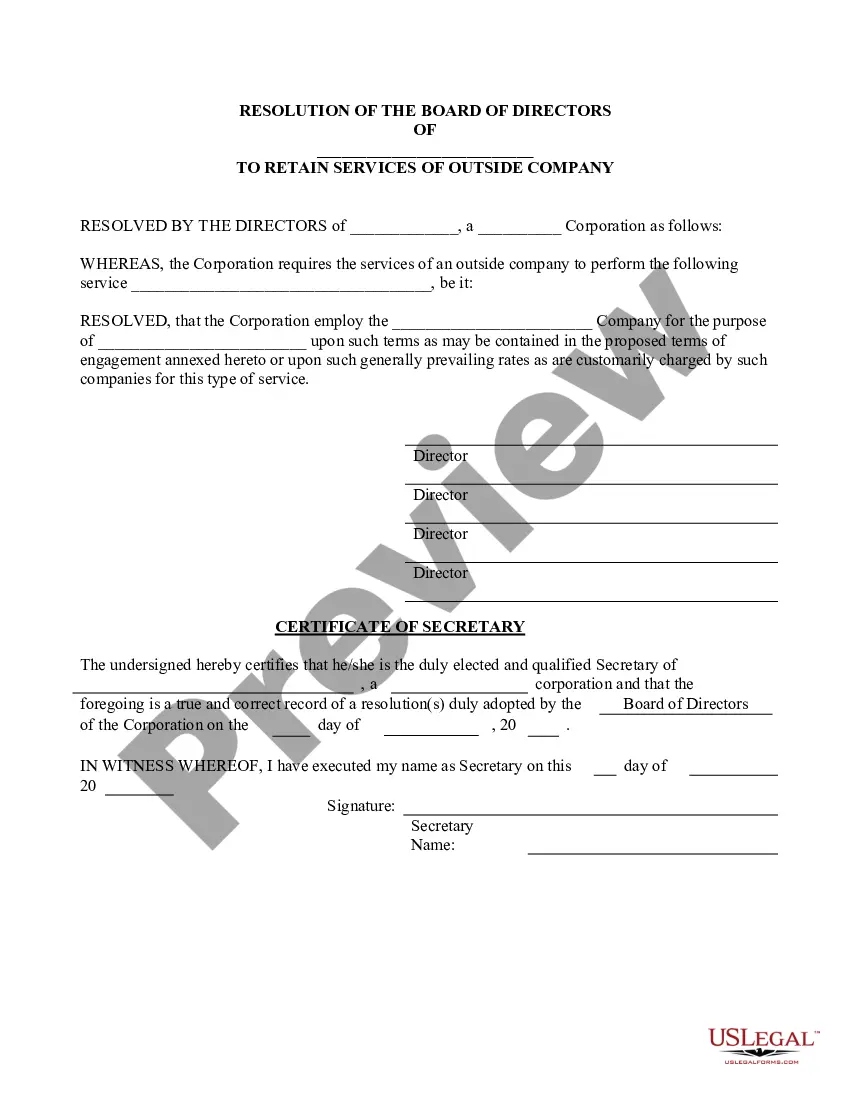

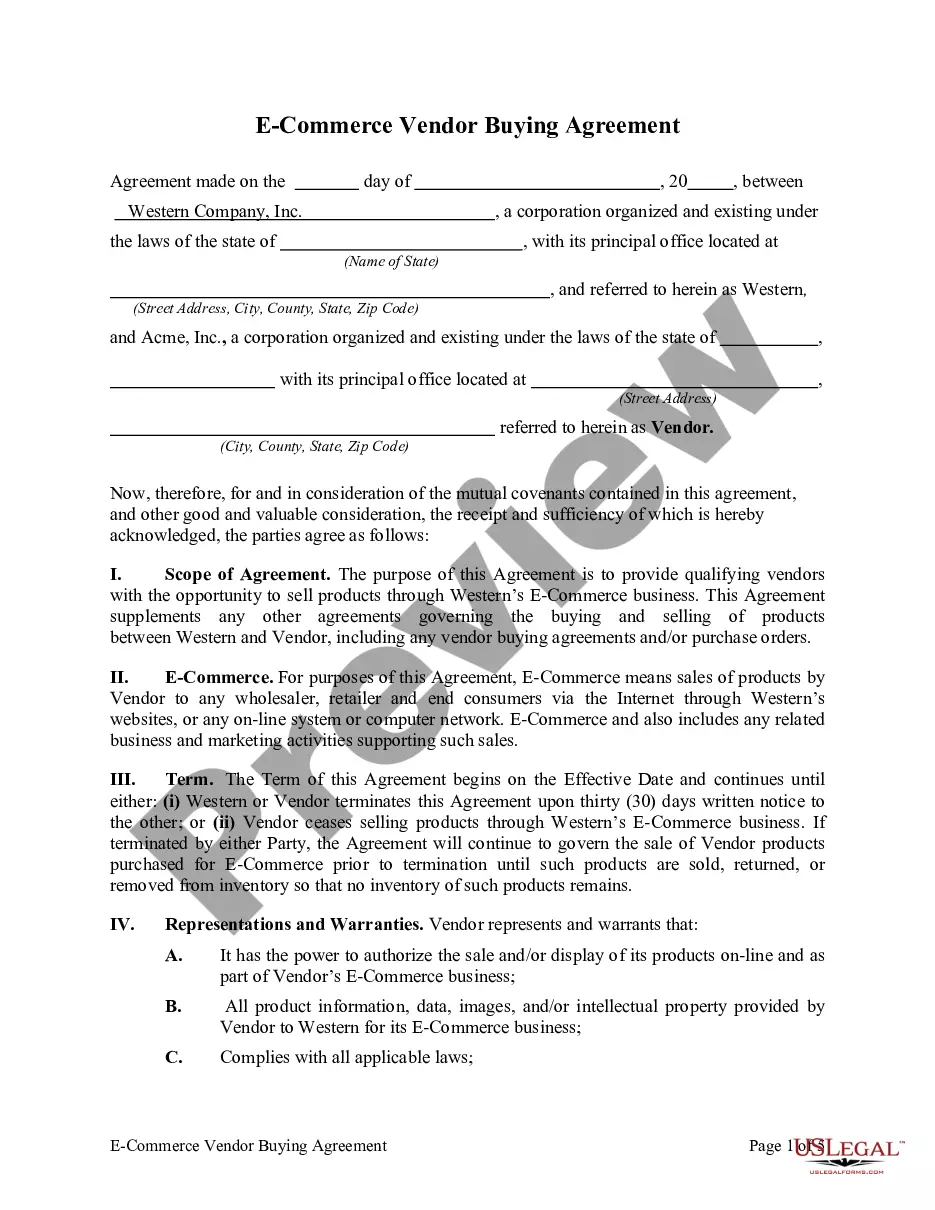






Form popularity
FAQ
In Texas, home health aides do not necessarily need to be certified. However, if they are employed by an agency that receives Medicare or Medicaid, they must get formal training and pass a competency exam or state certification program.
A caregiver must: (1) Be at least 18 years of age; (2) Have a high school diploma or its equivalent, and upon request verify completion of any high school equivalency program with original documentation to us. (3) Meet the requirements in Subchapter F of Chapter 745 of this title (relating to Background Checks);
To become a caregiver in Texas, you typically need to have a high school diploma or GED, and complete a state-approved training program. Additionally, you may need to pass a background check and obtain a license or certification, depending on the specific job requirements.
To care for Medicare or Medicaid clients, all home health aides in Texas must complete training ing to federal regulations. Initial Training: A minimum of 75 hours, including 16 clinical hours. Certification: Must pass an exam to become a home health aide at a certified home health agency.
Emphasis on Role: “Caregiver” and “carer” emphasize the act of giving care, with a focus on the practical and emotional work involved. “Caretaker” suggests a more functional or managerial role, often with a broader focus on property or task management.
Family caregiving is the act of providing at-home care for a relative, friend, or other loved one with a physical or mental health problem. As life expectancies increase, medical treatments advance, and more people live with chronic illnesses and disabilities, many of us find ourselves caring for a loved one at home.
Do caregivers need to be licensed in Texas? Caregivers in Texas are not required by law to be licensed, but many agencies and private employers may prefer caregivers who have undergone training or certification programs, such as Certified Nursing Assistant (CNA) or Home Health Aide (HHA) certifications.
Description of Measure: This 18-item, caregiver self-report measure was devised by the American Medical Association as a means of helping physicians assess the stress-levels of family caregivers accompanying chronically ill older adult patients to their medical visits.
