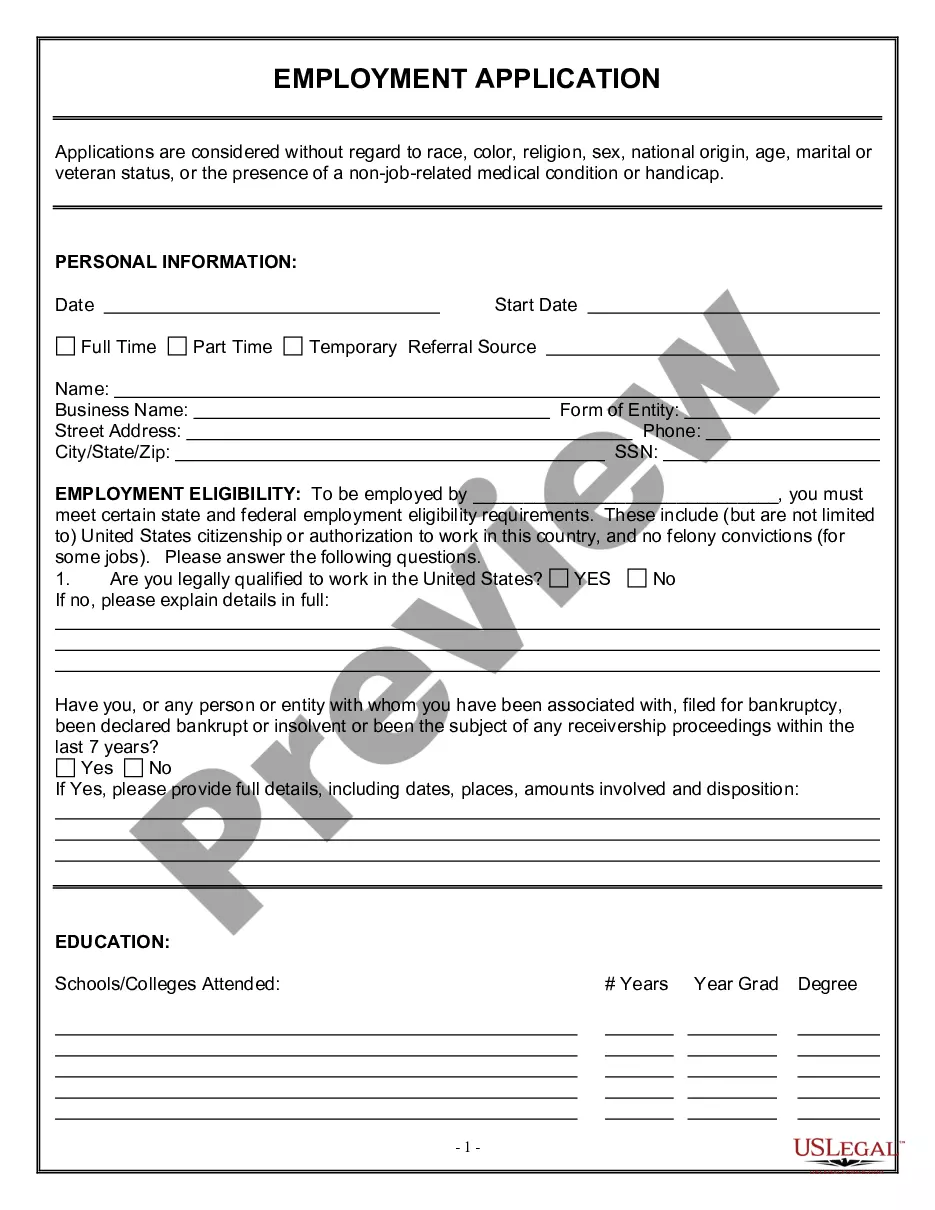
Release Of Information Form Mn In Wayne
Description
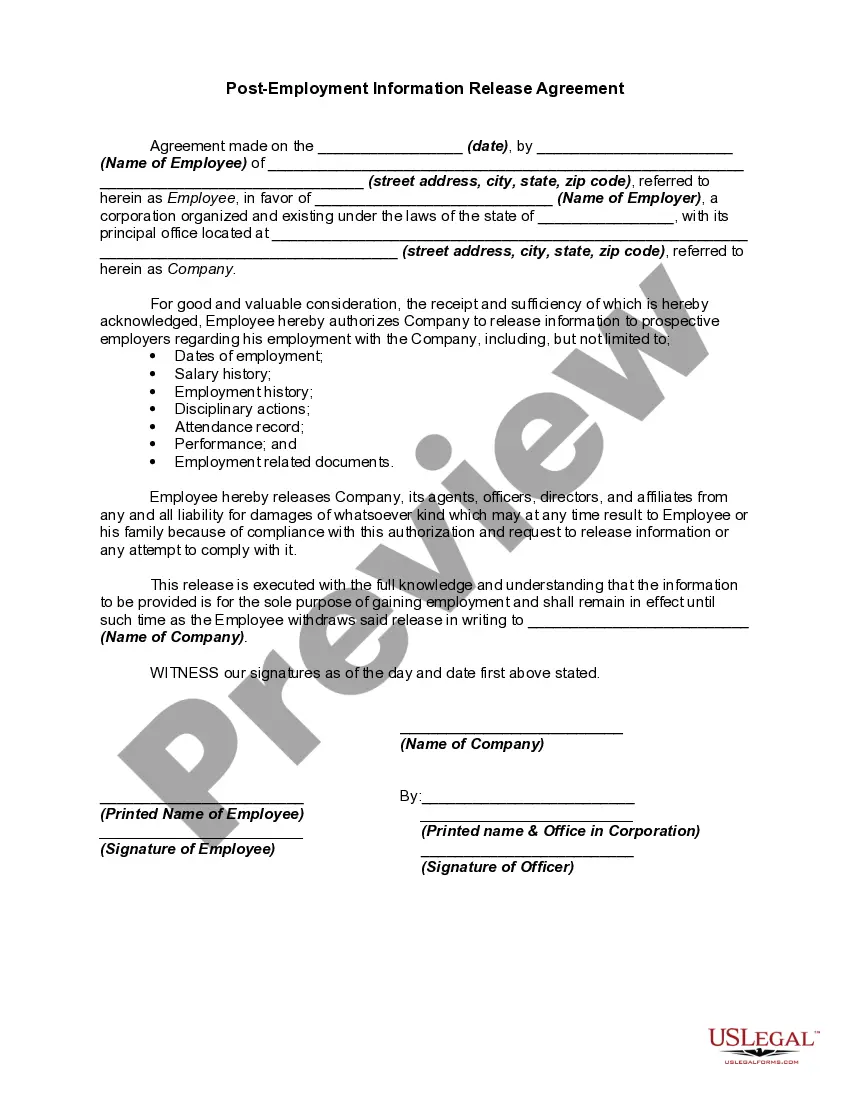
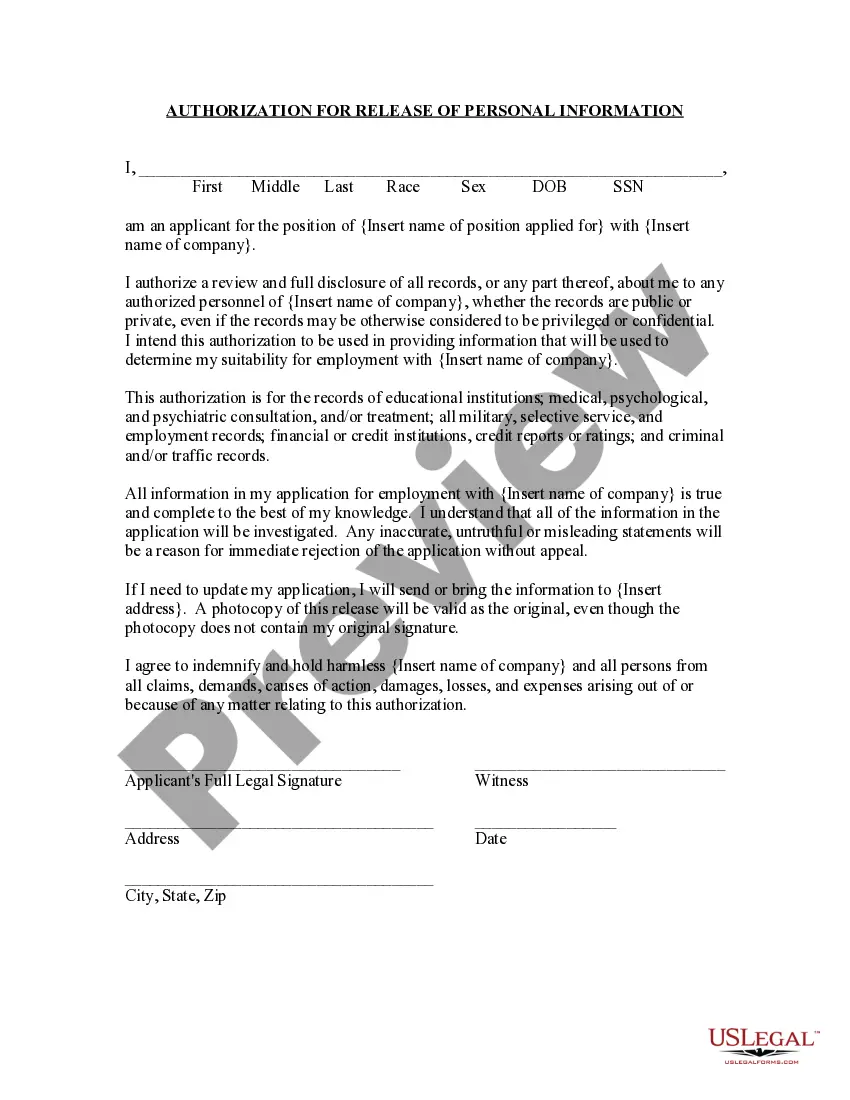
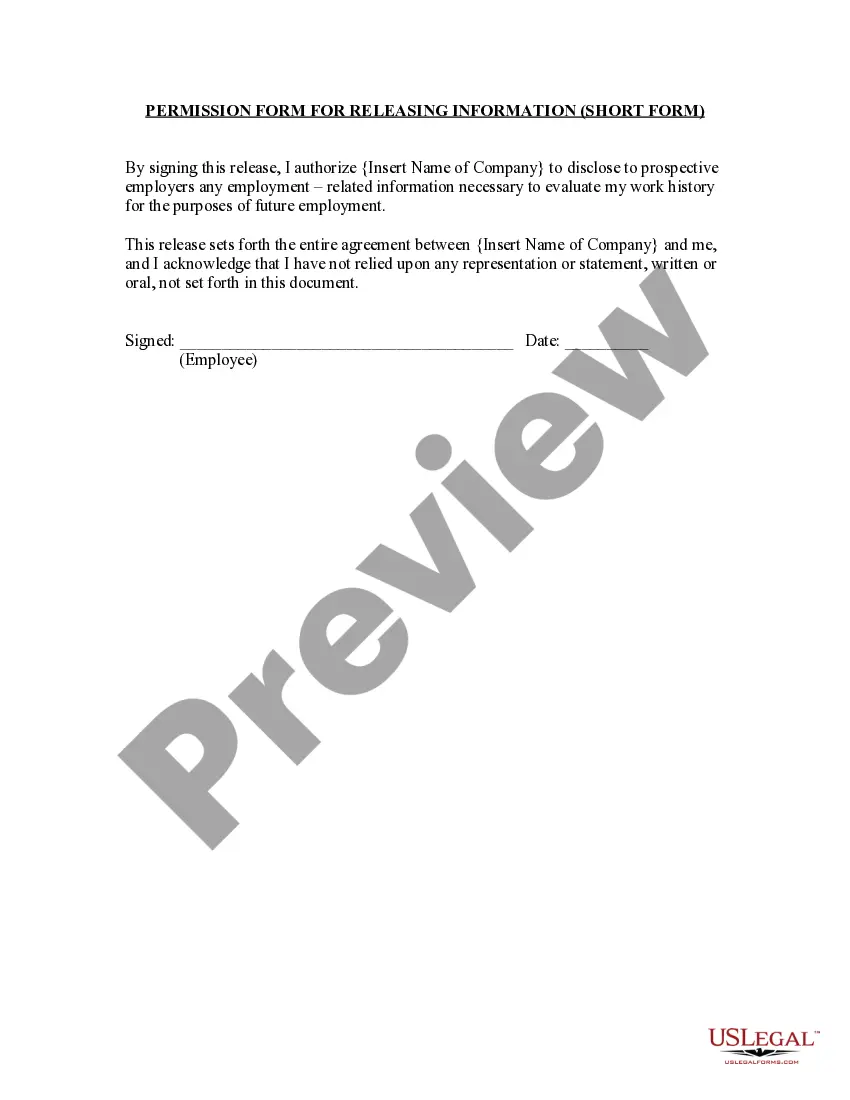
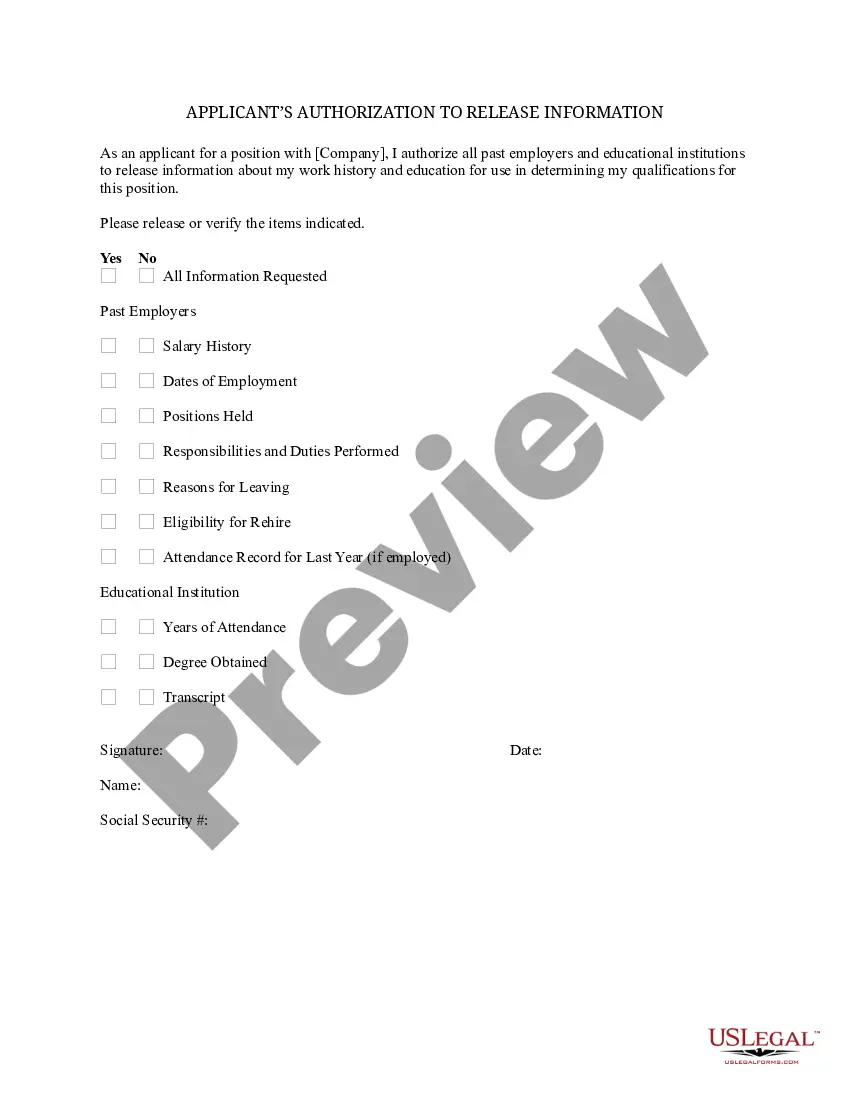
Get your form ready online
Our built-in tools help you complete, sign, share, and store your documents in one place.
Make edits, fill in missing information, and update formatting in US Legal Forms—just like you would in MS Word.
Download a copy, print it, send it by email, or mail it via USPS—whatever works best for your next step.
Sign and collect signatures with our SignNow integration. Send to multiple recipients, set reminders, and more. Go Premium to unlock E-Sign.
If this form requires notarization, complete it online through a secure video call—no need to meet a notary in person or wait for an appointment.
We protect your documents and personal data by following strict security and privacy standards.

Make edits, fill in missing information, and update formatting in US Legal Forms—just like you would in MS Word.

Download a copy, print it, send it by email, or mail it via USPS—whatever works best for your next step.

Sign and collect signatures with our SignNow integration. Send to multiple recipients, set reminders, and more. Go Premium to unlock E-Sign.

If this form requires notarization, complete it online through a secure video call—no need to meet a notary in person or wait for an appointment.

We protect your documents and personal data by following strict security and privacy standards.
Looking for another form?








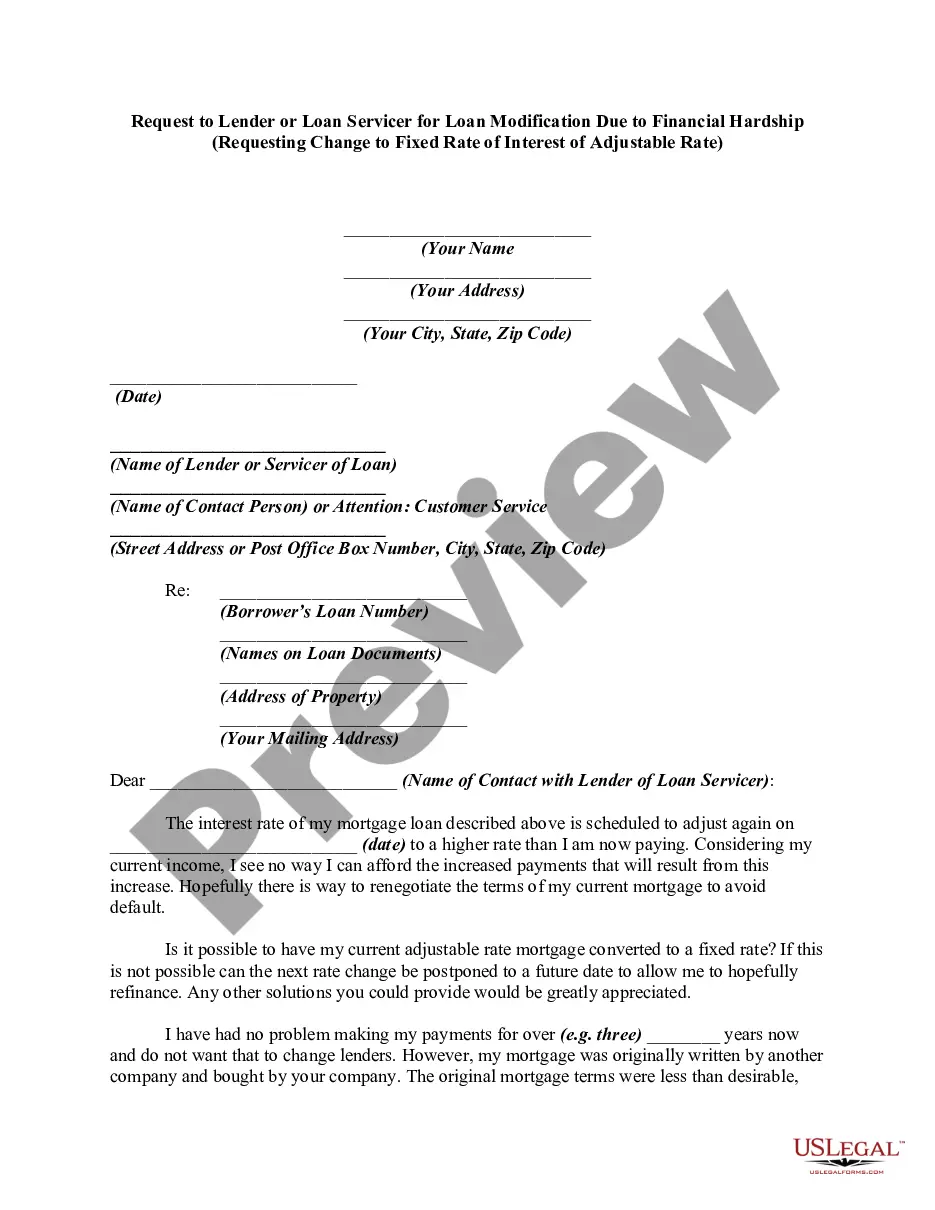

Form popularity
FAQ
Check their website: Information about how to get your health record may be found under the Contact Us section of a provider's website. It may direct you to an online portal, a phone number, an email address, or a form. Phone or visit: You can also call or visit your provider and ask them how to get your health record.
Ing to the HIPAA Privacy Rule, your health care provider can take up to 30 days to deliver your health record. However, if you requested a specific delivery date, you may get your record sooner. If your provider needs more than 30 days, they must give you a reason for the delay and a new delivery date.
Log symptoms and side effects. If you or a loved one has a chronic condition, keep a log of relevant factors like blood pressure and blood sugar. If you can, include the time of day so that your doctor can help figure out whether changes in your health measurements are related to the condition or to medications.
Records retention. The provider shall retain a client's records for a minimum of seven years after the date of the provider's last professional service to the client, except as otherwise provided by law.
The MHRA limits when certain Minnesota-licensed health care providers (including hospitals) are permitted to release health records without a patient's written consent. The MHRA has a fewer number of permitted disclosures without patient consent than the HIPAA privacy rule does.
145.32 OLD RECORDS MAY BE DESTROYED. Portions of individual hospital medical records that comprise an individual permanent medical record, as defined by the commissioner of health, shall be retained as authorized in section 145.30.
144.3431 NONRESIDENTIAL MENTAL HEALTH SERVICES. For purposes of this section, "nonresidential mental health services" means outpatient services as defined in section 245.4871, subdivision 29, provided to a minor who is not residing in a hospital, inpatient unit, or licensed residential treatment facility or program.
The Minnesota Health Records Act is in Minnesota Statutes 144.291-. 298 (formerly part of Minnesota Statutes 144.335).