Release Of Information Form California In Washington
Description
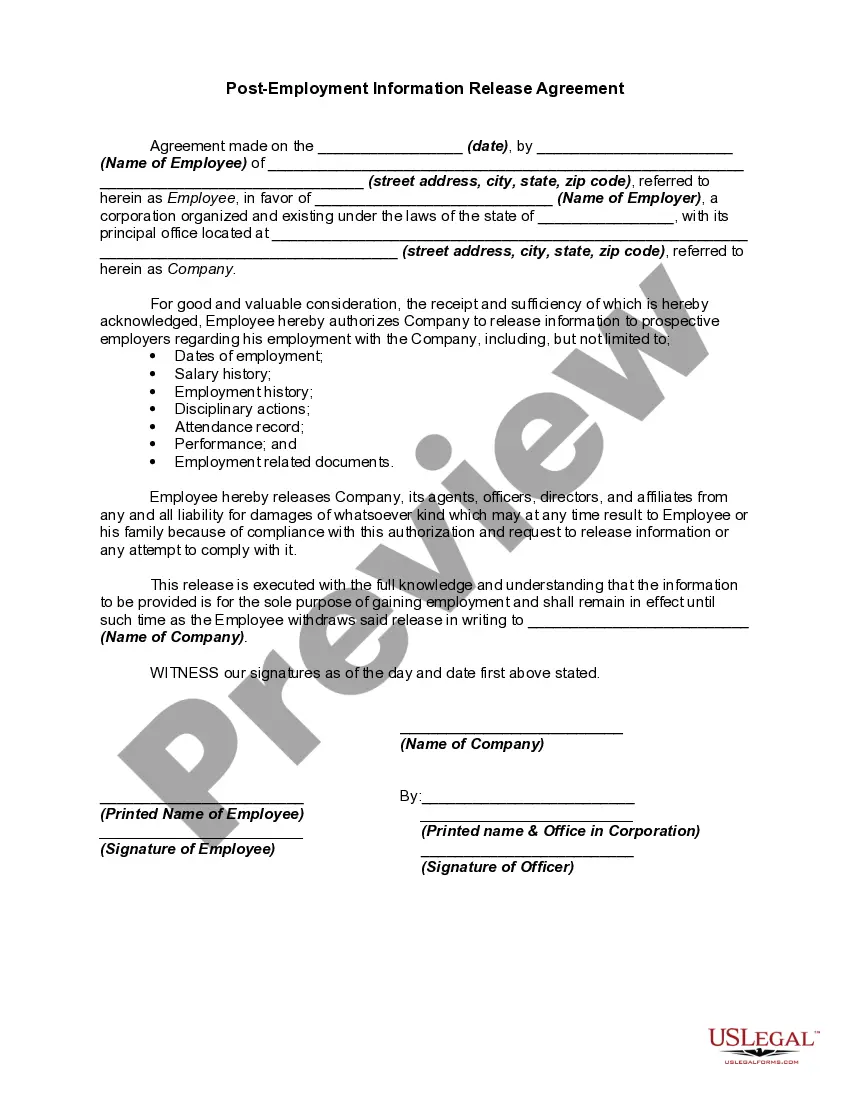
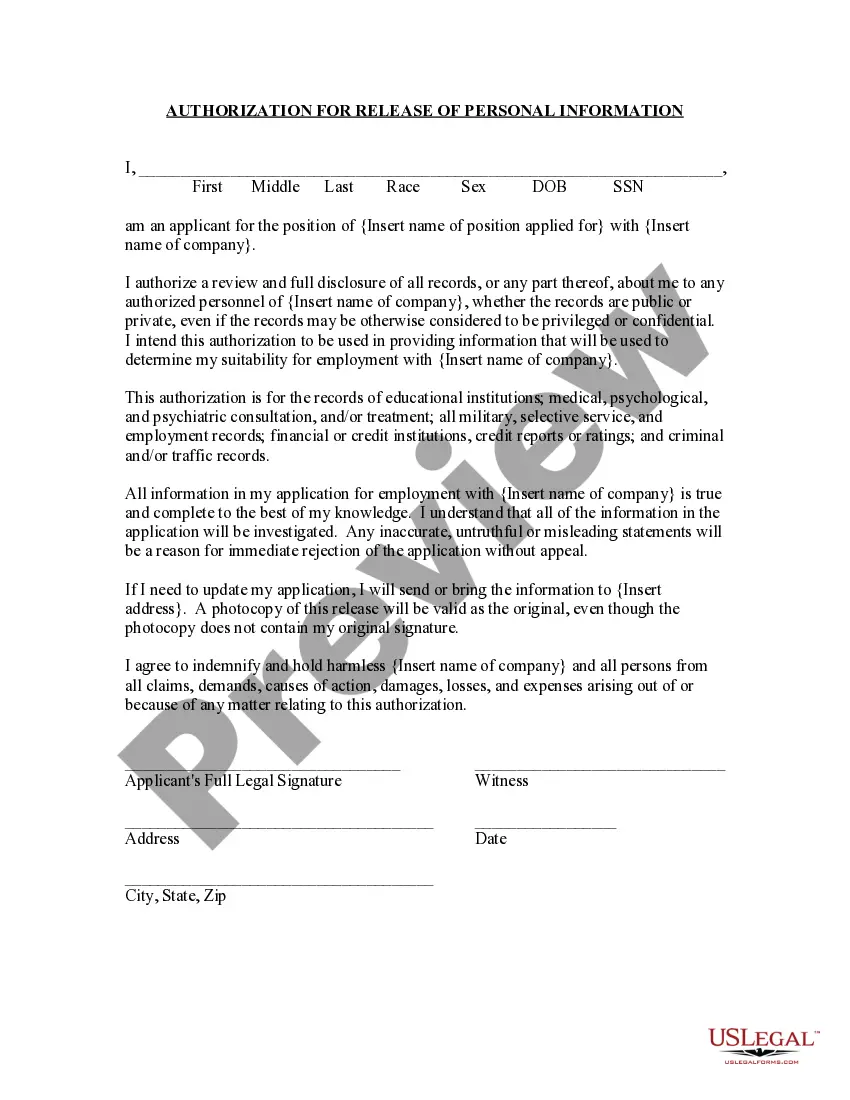
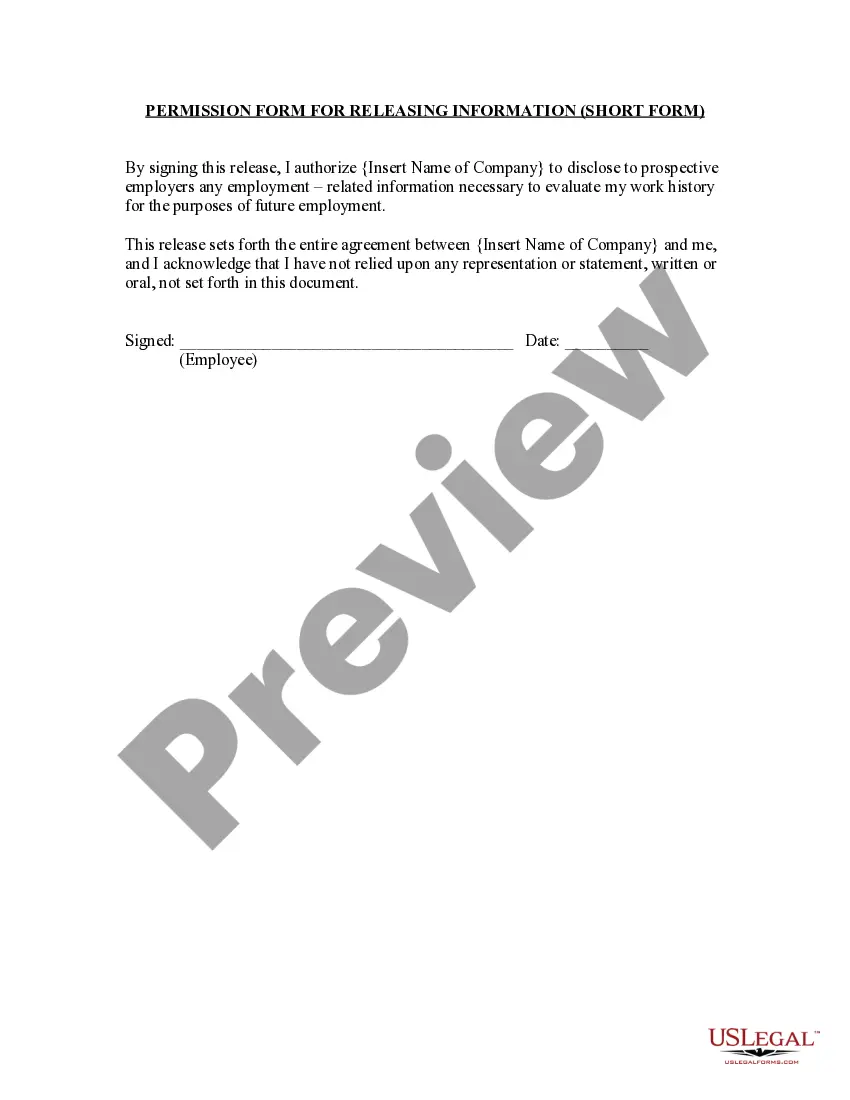
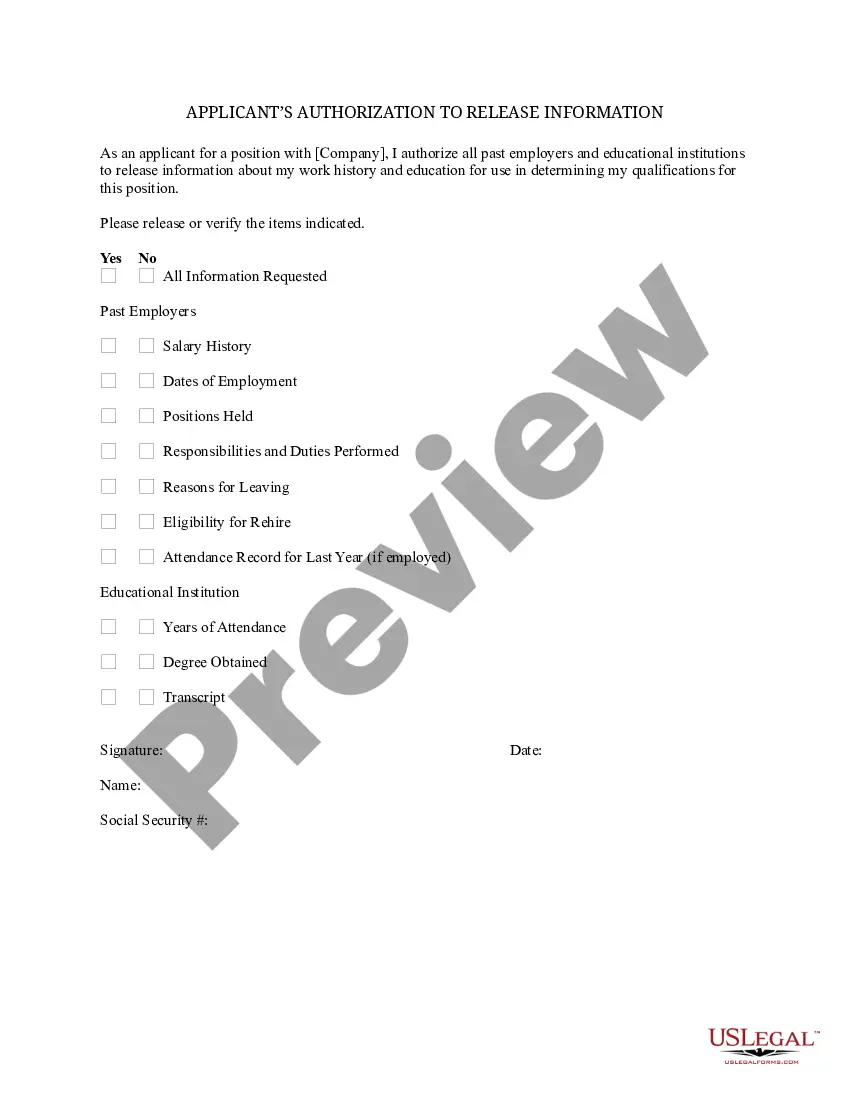
Get your form ready online
Our built-in tools help you complete, sign, share, and store your documents in one place.
Make edits, fill in missing information, and update formatting in US Legal Forms—just like you would in MS Word.
Download a copy, print it, send it by email, or mail it via USPS—whatever works best for your next step.
Sign and collect signatures with our SignNow integration. Send to multiple recipients, set reminders, and more. Go Premium to unlock E-Sign.
If this form requires notarization, complete it online through a secure video call—no need to meet a notary in person or wait for an appointment.
We protect your documents and personal data by following strict security and privacy standards.

Make edits, fill in missing information, and update formatting in US Legal Forms—just like you would in MS Word.

Download a copy, print it, send it by email, or mail it via USPS—whatever works best for your next step.

Sign and collect signatures with our SignNow integration. Send to multiple recipients, set reminders, and more. Go Premium to unlock E-Sign.

If this form requires notarization, complete it online through a secure video call—no need to meet a notary in person or wait for an appointment.

We protect your documents and personal data by following strict security and privacy standards.
Looking for another form?



Form popularity
FAQ
What is an Authorization Form? An authorization form is a document that is duly endorsed by an individual or organisation which grants permission to another individual or organisation to proceed with certain actions. It is often used to grant permission to carry out a specific action for a fixed period of time.
Authorization. A covered entity must obtain the individual's written authorization for any use or disclosure of protected health information that is not for treatment, payment or health care operations or otherwise permitted or required by the Privacy Rule.
Unless specified otherwise by the department, a hospital shall retain and preserve all medical records which relate directly to the care and treatment of a patient for a period of no less than ten years following the most recent discharge of the patient; except the records of minors, which shall be retained and ...
In California, the California Confidentiality of Medical Information Act (CMIA) defines who may release confidential medical information, and under what circumstances. The CMIA also prohibits the sharing, selling, or otherwise unlawful use of medical information.
(a) Patients may authorize the release of their health care information by completing the CDCR 7385, Authorization for Release of Protected Health Information , to allow a family member or friend to request and receive an update when there is a significant change in the patient 's health care condition.
You may be able to request your record through your provider's patient portal. You may have to fill out a form — called a health or medical record release form, or request for access—send an email, or mail or fax a letter to your provider.
The PRA requires state and local government agencies adopt an agency-specific PRA policy; that policy must facilitate public access to public records, while at same time “prevent interference with other essential functions of the agency” (RCW 42.56. 100 and 42.56. 040).
Begin by specifying your name, the entity authorized to disclose information, and the individuals or entities you authorize to receive it. Indicate the specific information and purpose for which it will be disclosed, add an expiration date or event, and sign and date the form to confirm your consent.
WA DOC Authorization for Disclosure of Health Information form DOC 13-035 (ROI, Release of Information) for prisoners (families must have this form on file with WA DOC to obtain any sort of medical information about their loved one, and it is the incarcerated person's decision to grant ROI to loved ones).
(a) Patients may authorize the release of their health care information by completing the CDCR 7385, Authorization for Release of Protected Health Information , to allow a family member or friend to request and receive an update when there is a significant change in the patient 's health care condition.

