Release Of Information Form Pdf In Texas
Description
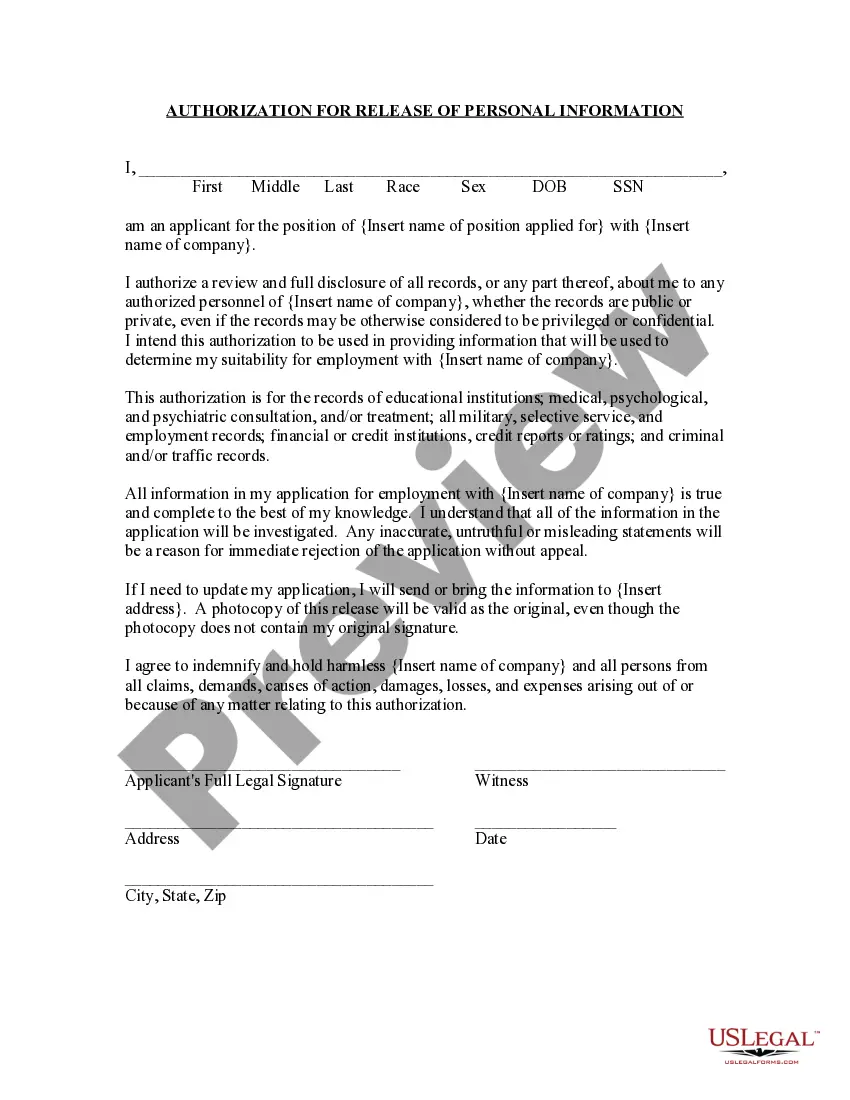
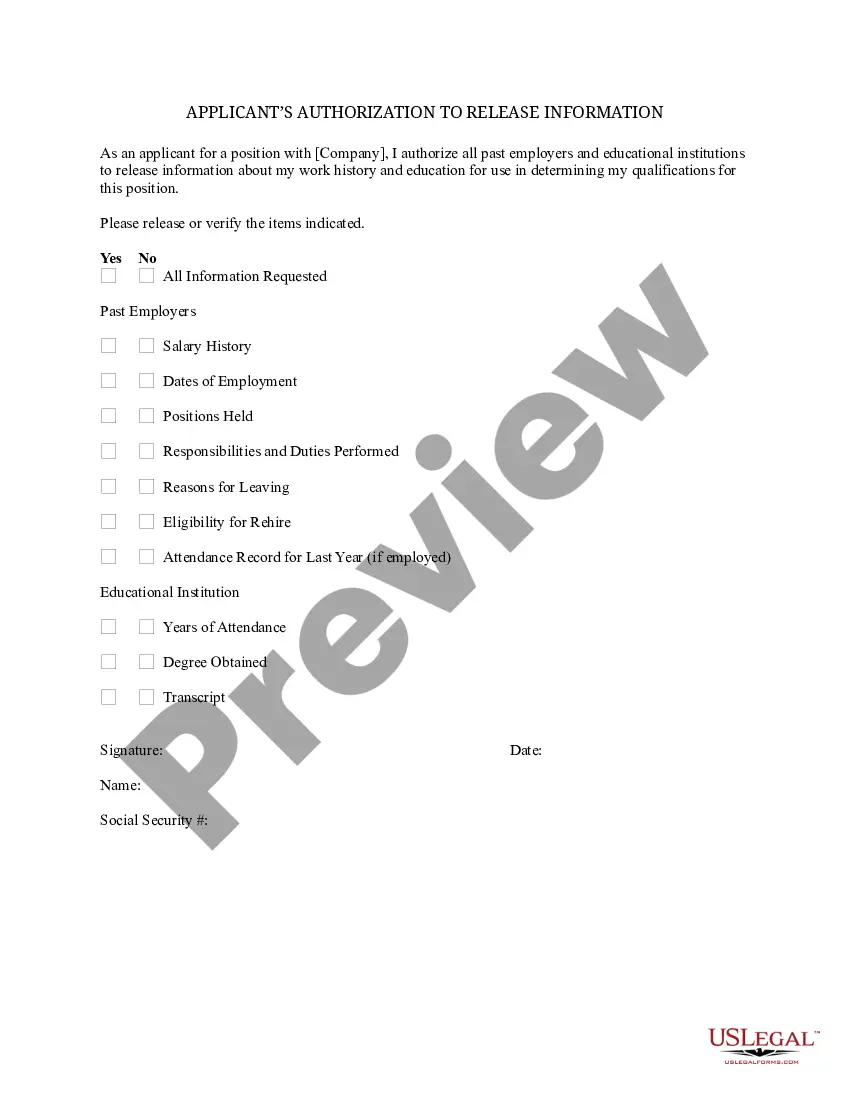
Get your form ready online
Our built-in tools help you complete, sign, share, and store your documents in one place.
Make edits, fill in missing information, and update formatting in US Legal Forms—just like you would in MS Word.
Download a copy, print it, send it by email, or mail it via USPS—whatever works best for your next step.
Sign and collect signatures with our SignNow integration. Send to multiple recipients, set reminders, and more. Go Premium to unlock E-Sign.
If this form requires notarization, complete it online through a secure video call—no need to meet a notary in person or wait for an appointment.
We protect your documents and personal data by following strict security and privacy standards.

Make edits, fill in missing information, and update formatting in US Legal Forms—just like you would in MS Word.

Download a copy, print it, send it by email, or mail it via USPS—whatever works best for your next step.

Sign and collect signatures with our SignNow integration. Send to multiple recipients, set reminders, and more. Go Premium to unlock E-Sign.

If this form requires notarization, complete it online through a secure video call—no need to meet a notary in person or wait for an appointment.

We protect your documents and personal data by following strict security and privacy standards.
Looking for another form?


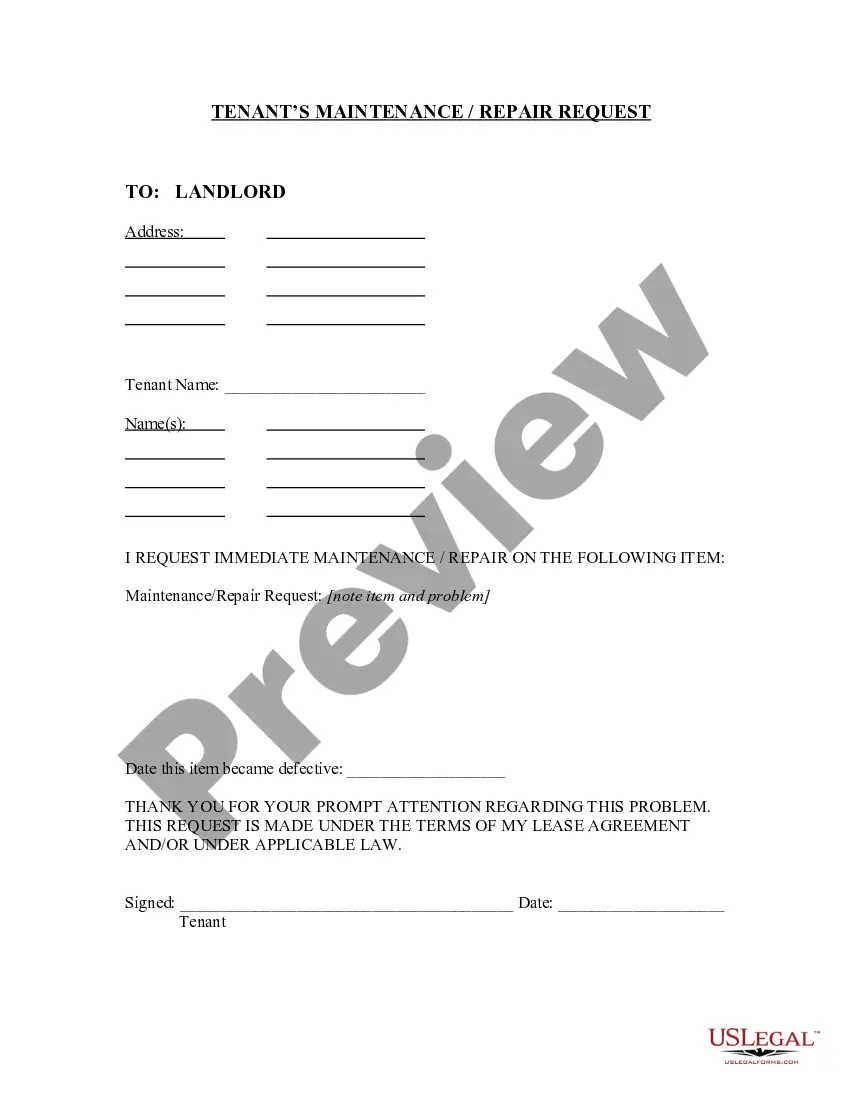
Form popularity
FAQ
Texas Administrative Code Rule §165.1. If medical records are “abandoned” for more than two weeks by the physician's estate, the Texas Medical Board may appoint a temporary or permanent custodian for the records.
The Texas Medical Records Privacy Act requires "covered entities" to comply with HIPAA and adds additional protections. You can find these laws in the Chapter 181 of the Texas Health and Safety Code. A "covered entity" includes any person who assembles, collects, or uses health information.
General Information. A Death Record is public information and available to the public on or after the 25th anniversary of the date of death as shown on the record filed with the Bureau of Vital Statistics or local registration official.
Deceased Patients' Records As such, a family member of a deceased patient does NOT necessarily have access to the patient's medical records. Instead, access is restricted by law to someone who is designated as a "personal representative" of the deceased.
Requests for electronic copies Practices should comply with federal and state laws regarding required timelines for release. Texas law gives a deadline of 15 business days to provide medical records upon receipt of a request.
If the patient has died or been legally declared incompetent, the request must be accompanied by a medical authorization signed by the authorized executor of the patient's estate or the patient's appointed legal guardian.
Your medical records must remain private. you can access your medical records. you can request to correct any mistakes you may find in your medical records. if you disagree with something in your medical records, you can make a written statement of disagreement that will be stored with your medical records.
The Texas Medical Records Privacy Act requires "covered entities" to comply with HIPAA and adds additional protections. You can find these laws in the Chapter 181 of the Texas Health and Safety Code. A "covered entity" includes any person who assembles, collects, or uses health information.
TMB Rules 165.2(a) Medical Record Release and Charges - As required by the Medical Practice Act/Texas Occupations Code 159.006, a physician shall furnish copies of medical and/or billing records requested or, if the patient prefers, a summary or narrative of the records pursuant to a written release of the information ...
