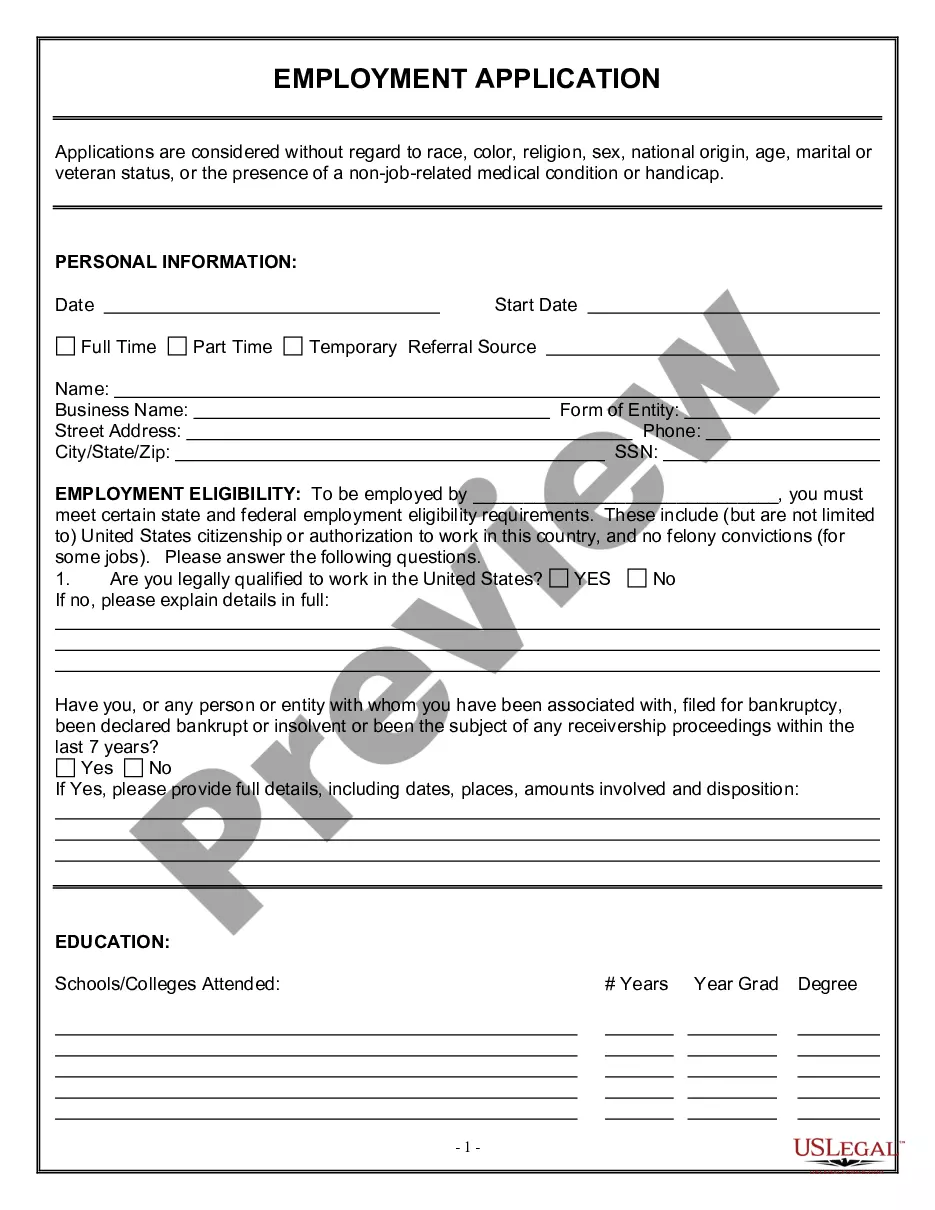
Employee Consent Form Sample In Mecklenburg
Description
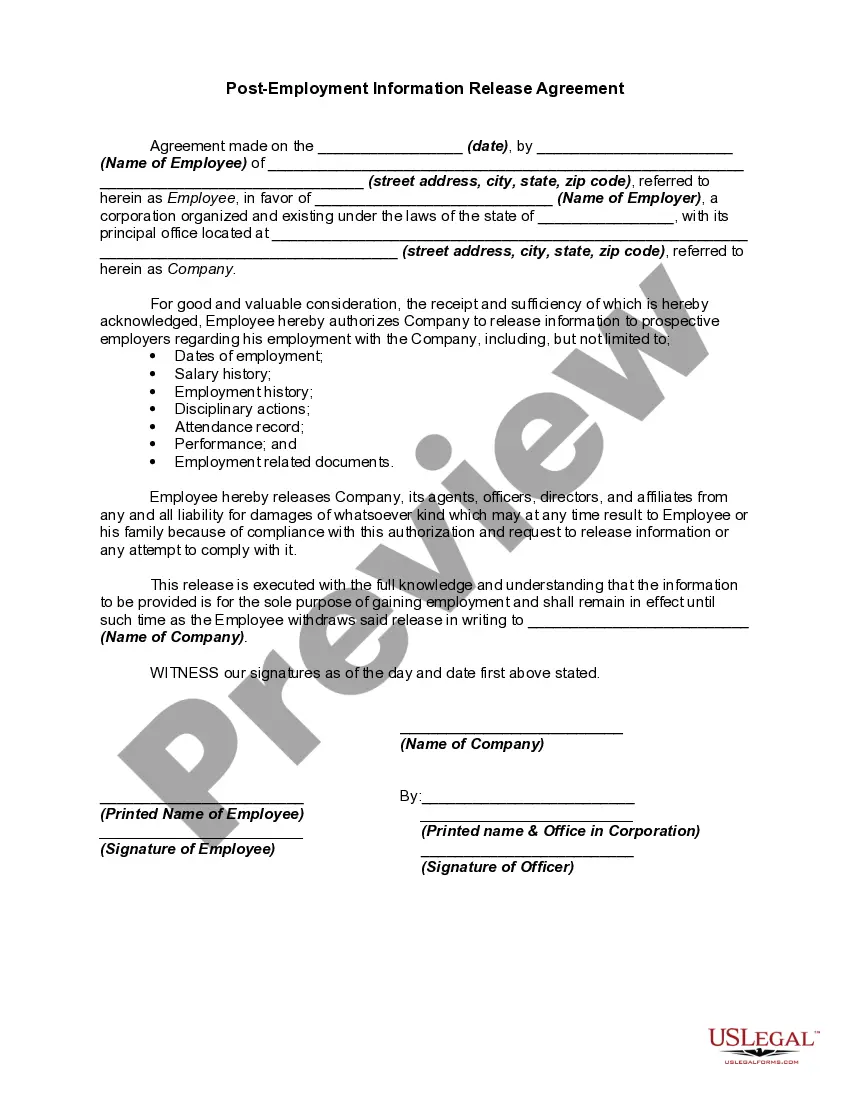
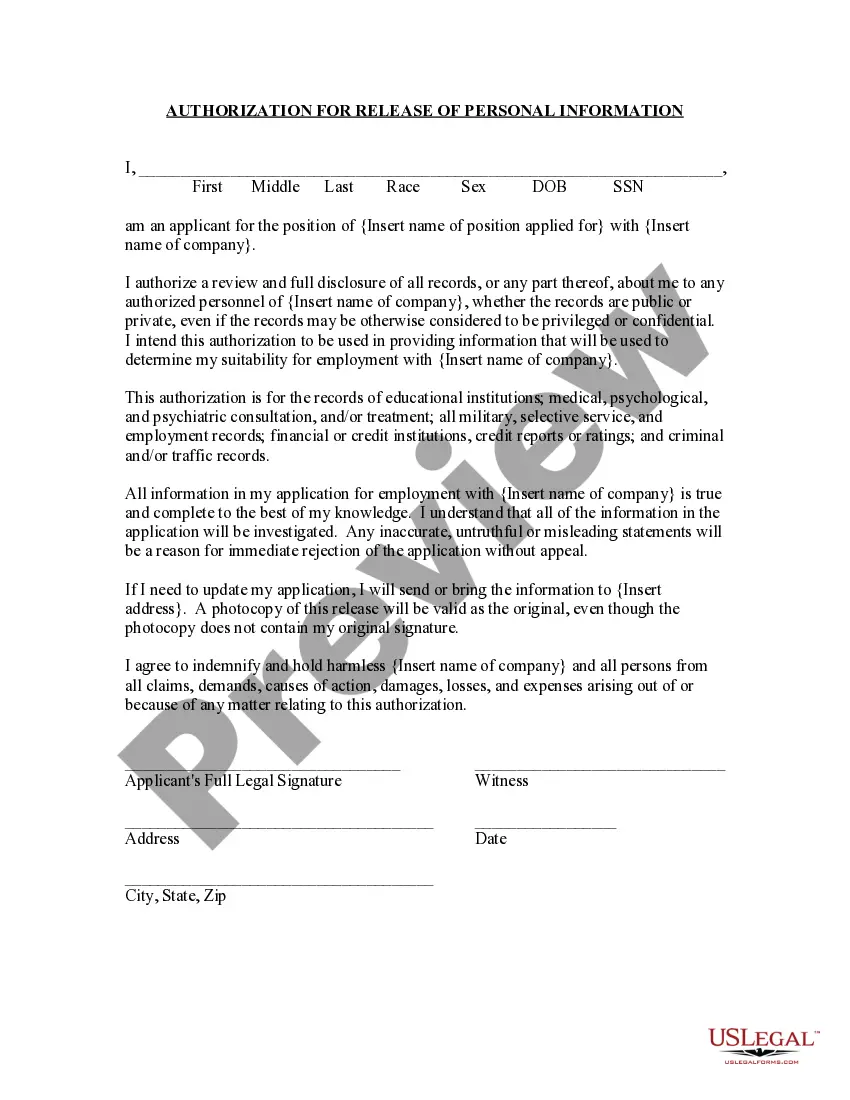
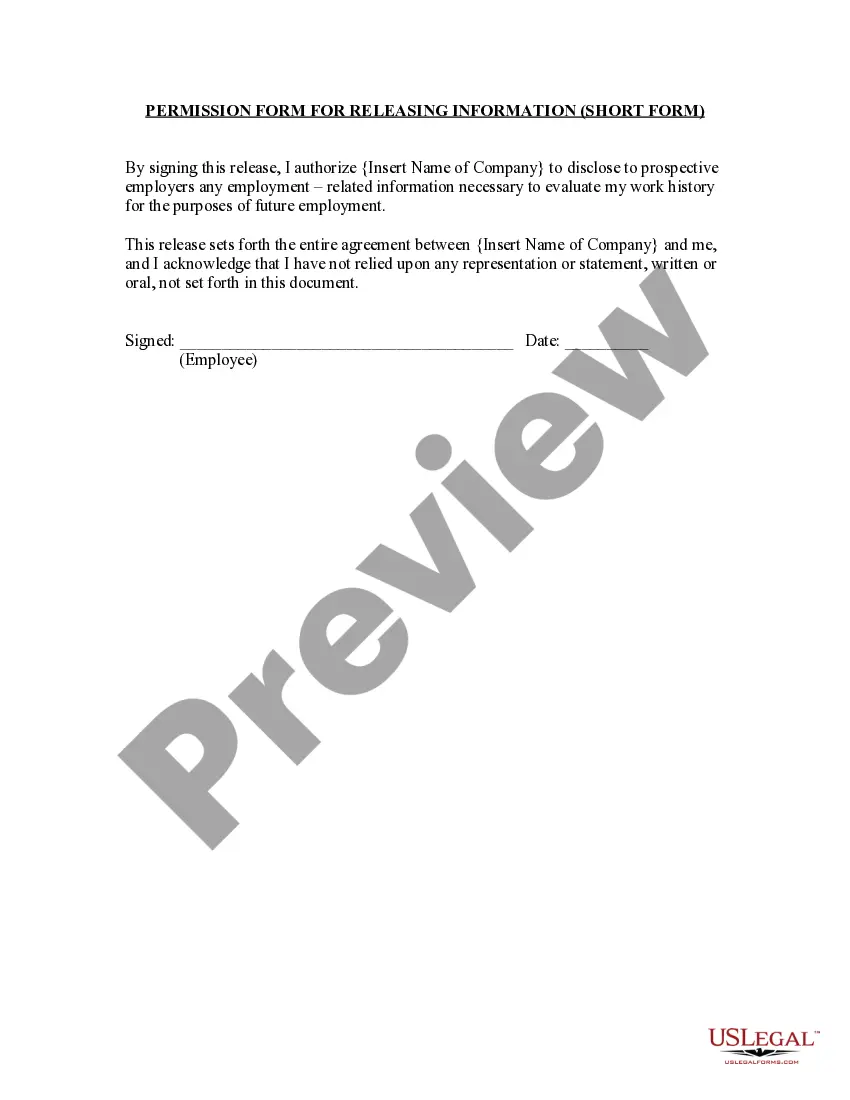
Get your form ready online
Our built-in tools help you complete, sign, share, and store your documents in one place.
Make edits, fill in missing information, and update formatting in US Legal Forms—just like you would in MS Word.
Download a copy, print it, send it by email, or mail it via USPS—whatever works best for your next step.
Sign and collect signatures with our SignNow integration. Send to multiple recipients, set reminders, and more. Go Premium to unlock E-Sign.
If this form requires notarization, complete it online through a secure video call—no need to meet a notary in person or wait for an appointment.
We protect your documents and personal data by following strict security and privacy standards.

Make edits, fill in missing information, and update formatting in US Legal Forms—just like you would in MS Word.

Download a copy, print it, send it by email, or mail it via USPS—whatever works best for your next step.

Sign and collect signatures with our SignNow integration. Send to multiple recipients, set reminders, and more. Go Premium to unlock E-Sign.

If this form requires notarization, complete it online through a secure video call—no need to meet a notary in person or wait for an appointment.

We protect your documents and personal data by following strict security and privacy standards.
Looking for another form?






Form popularity
FAQ
Examples of giving verbal consent include: “Yes” “That sounds great” “That feels awesome”
Contained in a consent form are the contact information for the creator of the form, details of the services to be provided (or a summary of the research), a voluntary participation statement, and a statement for privacy and liability. At the end should always include a place for the participant to sign.
Informed consent language should be written in the second person (“you”), not in the first person (“I”). Minimize passive voice to the extent possible. Example of passive voice: “A summary of results will be sent to all study participants.” Example of active voice: “We will send you a summary of the results.”
Follow these steps to write an effective consent form. Step 1: Title and introduction. Step 2: Description of the activity. Step 3: Risks and benefits. Step 4: Confidentiality and data handling. Step 5: Voluntary participation and withdrawal. Step 6: Consent statement. Step 7: Signature and date. Step 8: Contact information.
I participant name, agree to participate or agree to participation of my child participant name in the research project titled project title, conducted by researcher(s) name who has (have) discussed the research project with me. I have received, read and kept a copy of the information letter/plain language statement.
Follow these steps to write an effective consent form. Step 1: Title and introduction. Step 2: Description of the activity. Step 3: Risks and benefits. Step 4: Confidentiality and data handling. Step 5: Voluntary participation and withdrawal. Step 6: Consent statement. Step 7: Signature and date. Step 8: Contact information.
The Consent Form provides an employer's disclosure of information, rights and rules pertaining to the background check and obtains the consumer's authorization to run the background check.
To create a consent form, follow these steps: State the purpose of the consent form and why consent is needed. Describe the activity or procedure in detail and outline potential risks. Explain that participation is voluntary and that information will be kept confidential.
I consent to participate in the research project and the following has been explained to me: the research may not be of direct benefit to me. my participation is completely voluntary. my right to withdraw from the study at any time without any implications to me.
It should be a concise document; the length and design should encourage a potential participant to read it in full. A brief introduction; for example: Before you decide to take part in this study it is important for you to understand why the research is being done and what it will involve.