Indemnity Claims In Construction
Description
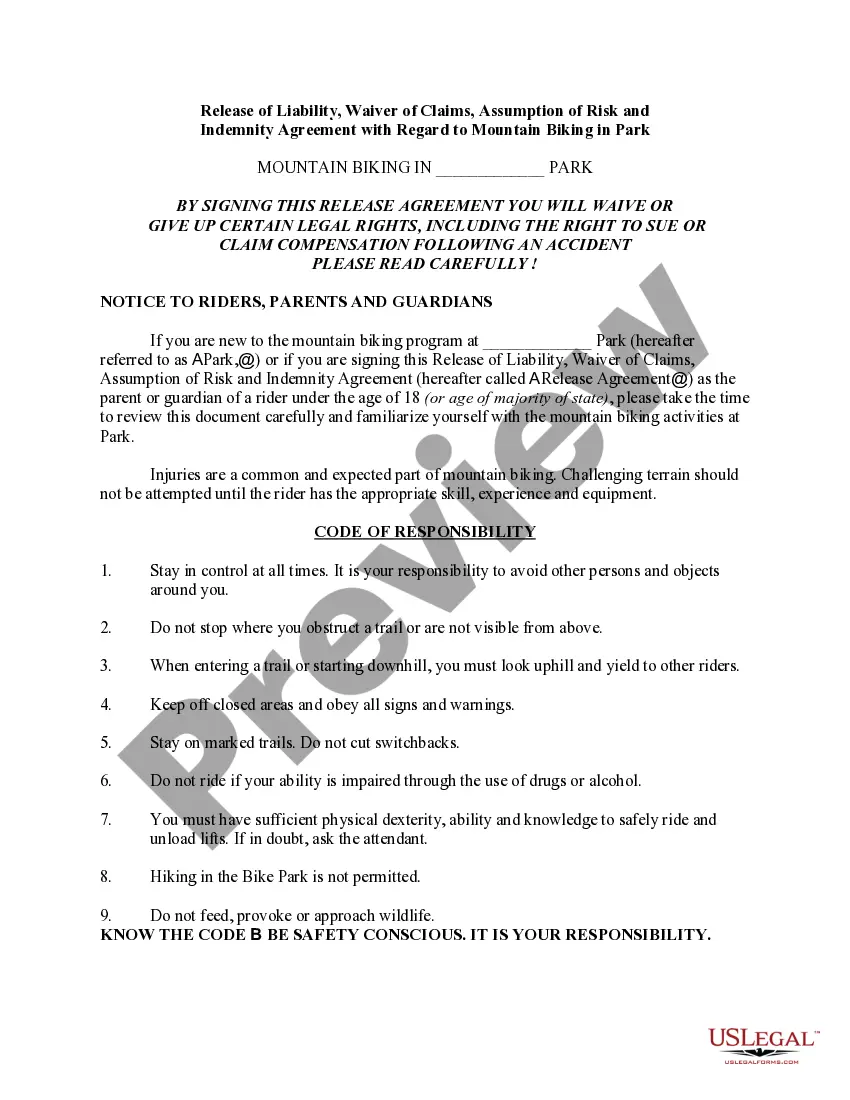
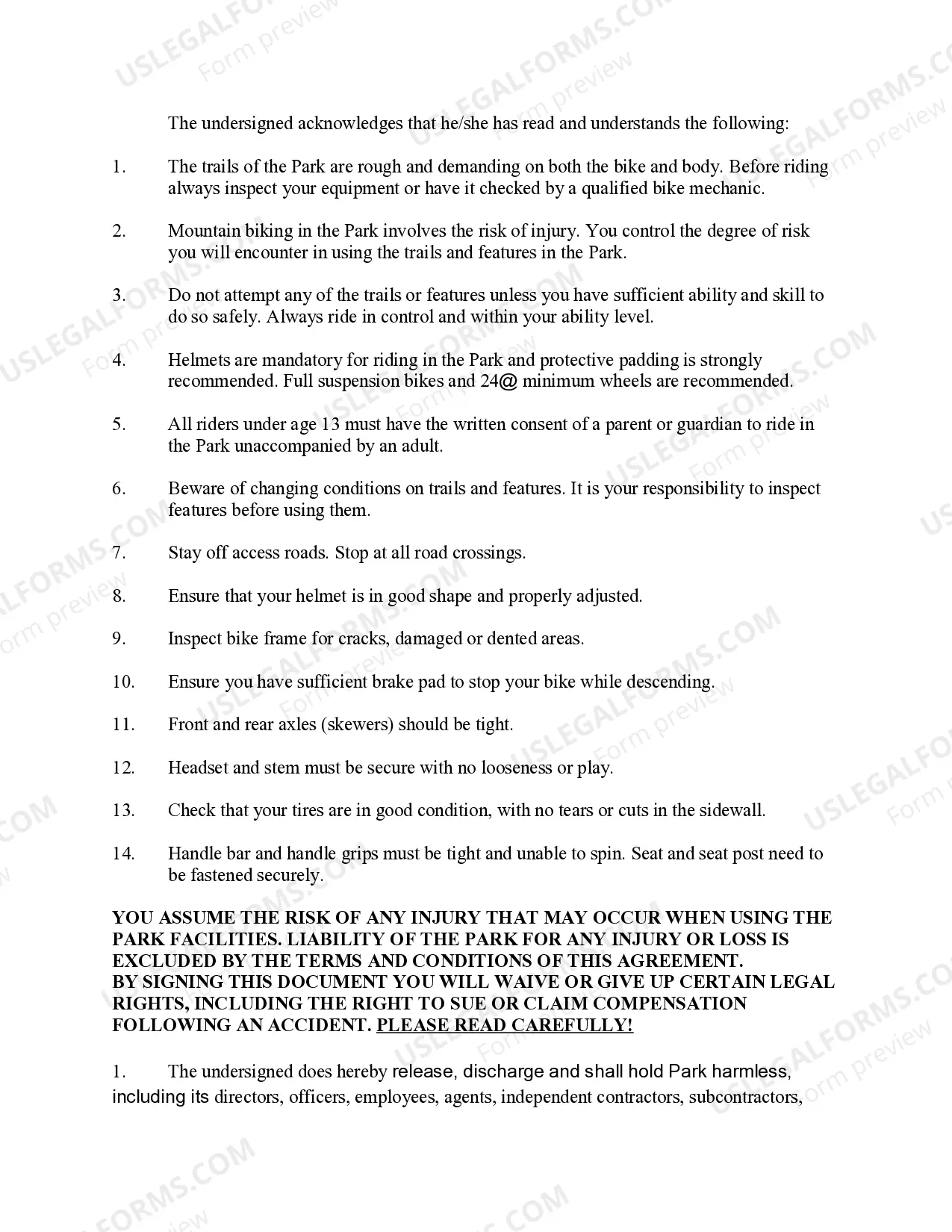
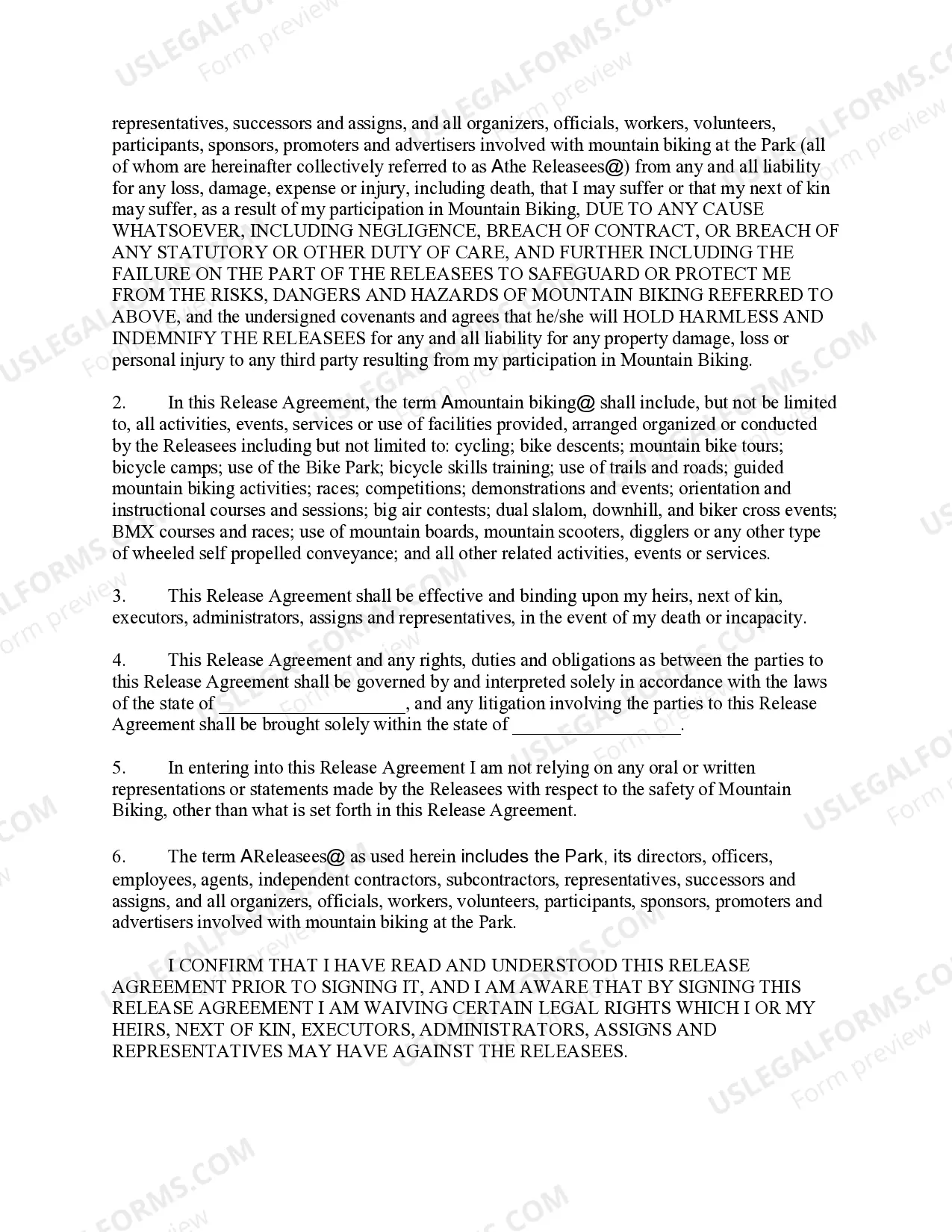
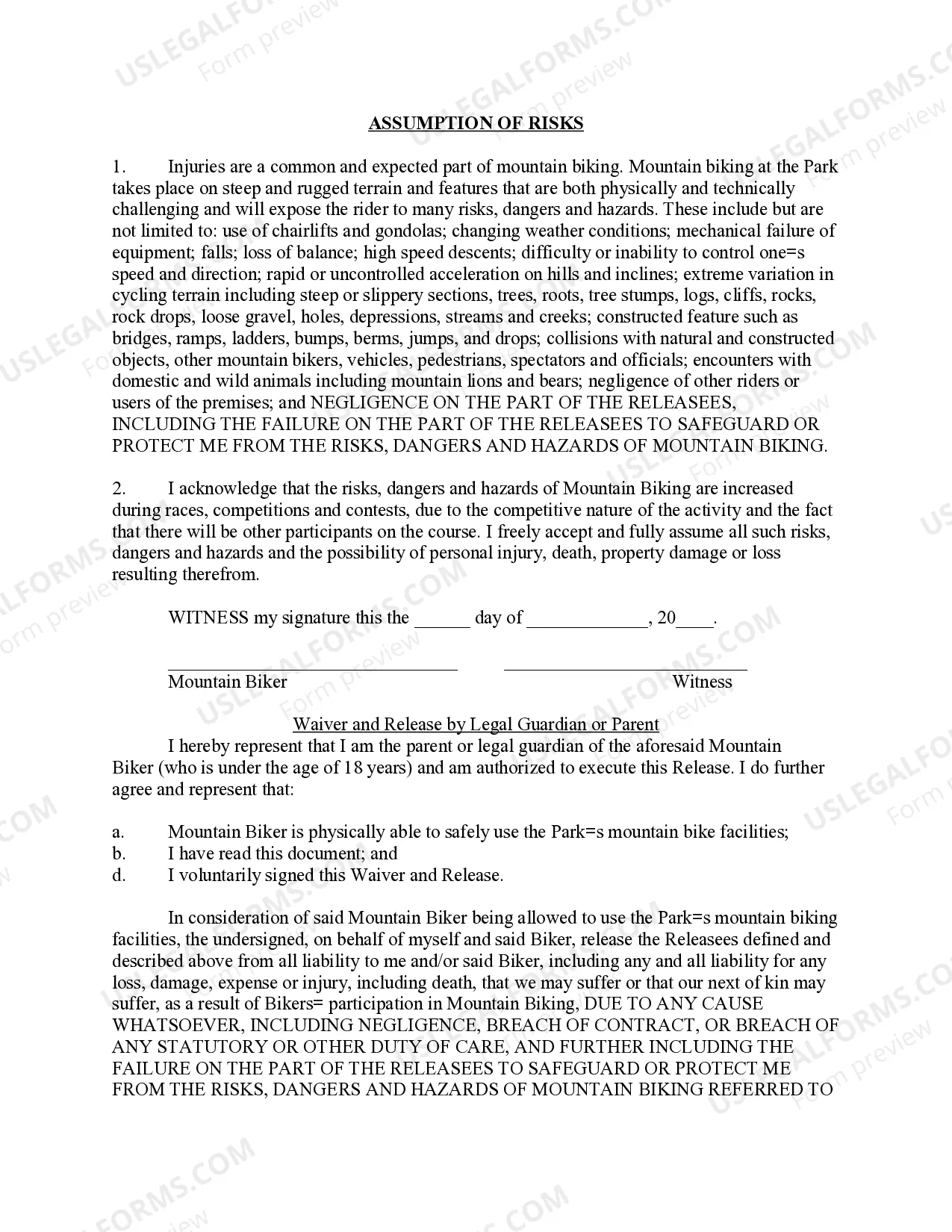
Get your form ready online
Our built-in tools help you complete, sign, share, and store your documents in one place.
Make edits, fill in missing information, and update formatting in US Legal Forms—just like you would in MS Word.
Download a copy, print it, send it by email, or mail it via USPS—whatever works best for your next step.
Sign and collect signatures with our SignNow integration. Send to multiple recipients, set reminders, and more. Go Premium to unlock E-Sign.
If this form requires notarization, complete it online through a secure video call—no need to meet a notary in person or wait for an appointment.
We protect your documents and personal data by following strict security and privacy standards.

Make edits, fill in missing information, and update formatting in US Legal Forms—just like you would in MS Word.

Download a copy, print it, send it by email, or mail it via USPS—whatever works best for your next step.

Sign and collect signatures with our SignNow integration. Send to multiple recipients, set reminders, and more. Go Premium to unlock E-Sign.

If this form requires notarization, complete it online through a secure video call—no need to meet a notary in person or wait for an appointment.

We protect your documents and personal data by following strict security and privacy standards.
Looking for another form?
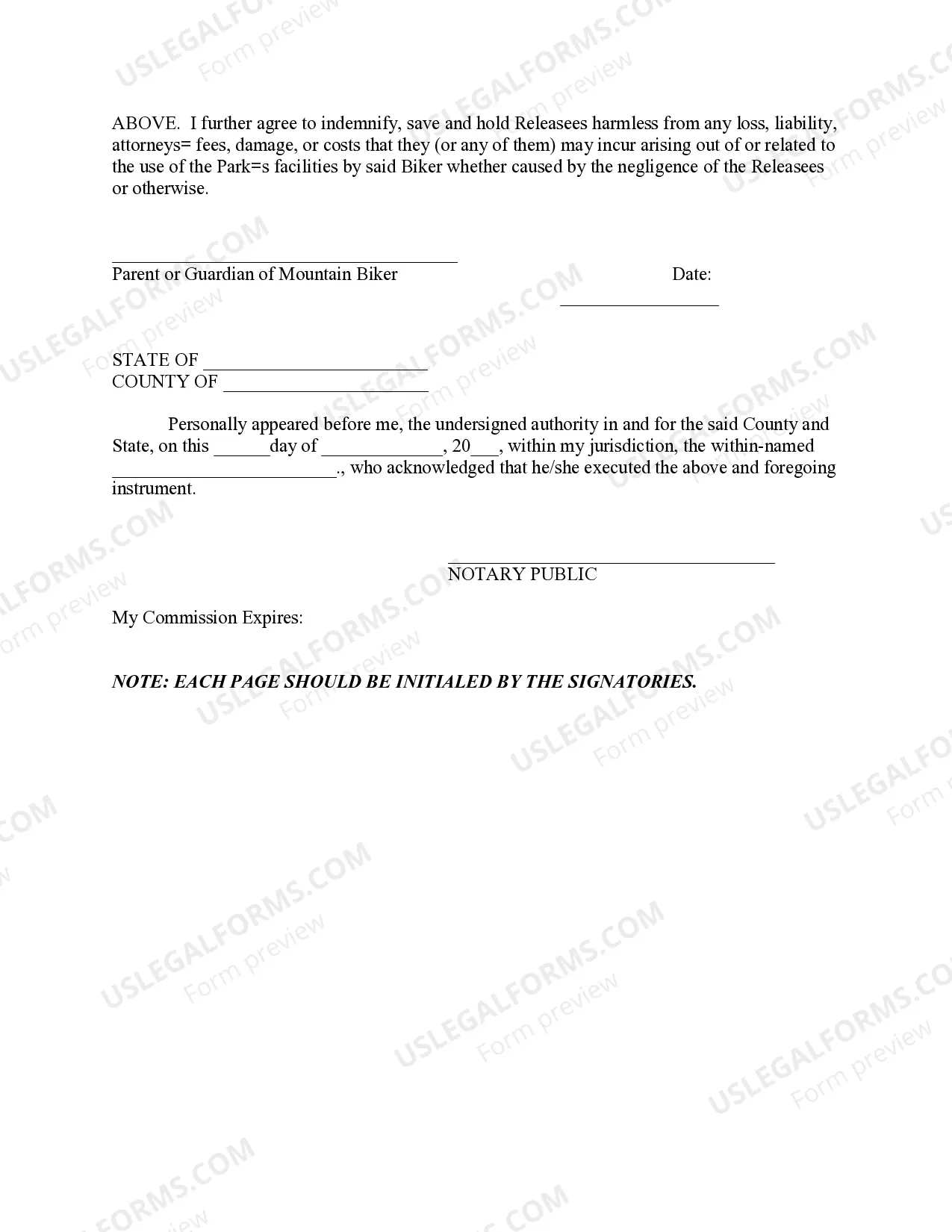
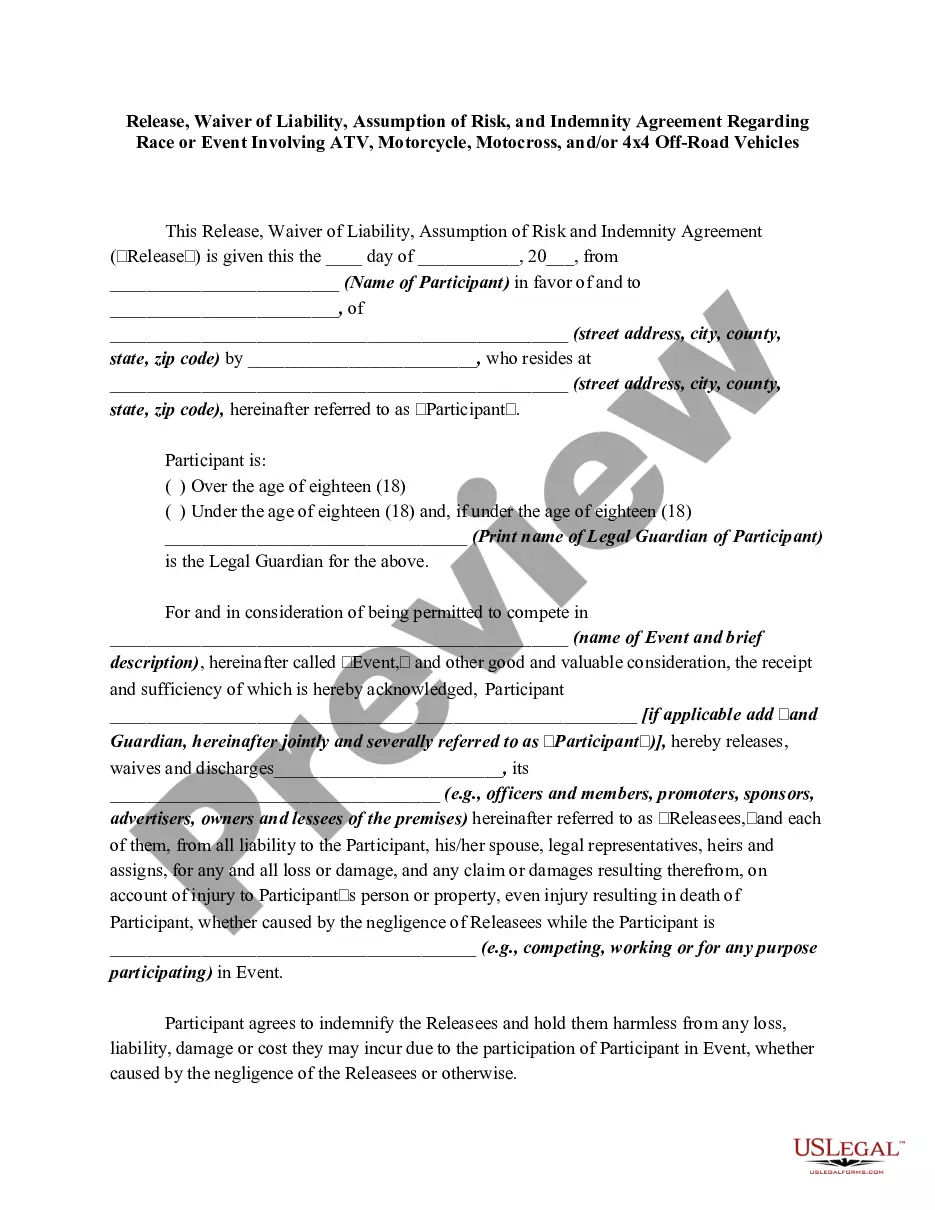
How to fill out Release Of Liability, Personal Injury Waiver Of Claims, Assumption Of Risk And Indemnity Agreement With Regard To Mountain Biking In Park?
There's no further requirement to squander time looking for legal documents to fulfill your local state obligations.
US Legal Forms has compiled all of them in a single location and enhanced their availability.
Our website provides over 85k templates for any business and personal legal matters categorized by state and area of application.
Having legal documents prepared under federal and state laws is quick and simple with our library. Try US Legal Forms today to organize your documentation!
- All forms are expertly crafted and verified for accuracy, so you can feel confident in acquiring a current Indemnity Claims In Construction.
- If you are acquainted with our service and already possess an account, ensure your subscription is active before obtaining any templates.
- Log In to your account, select the document, and click Download.
- You can also access all saved documents whenever needed by navigating to the My documents tab in your profile.
- If you haven't interacted with our service previously, the process will require a few additional steps to finish.
- Here's how new users can find the Indemnity Claims In Construction in our library.
- Review the page content thoroughly to confirm it includes the template you require.
- To do so, utilize the form description and preview options if available.
Form popularity
FAQ
An example of indemnity could be a construction contractor who faces a lawsuit due to a subcontractor's negligence. In such instances, the contractor may file an indemnity claim to recoup costs associated with legal fees and damages. Recognizing examples of indemnity claims in construction can help professionals prepare for their financial responsibilities and the importance of safeguarding against potential risks.
Claiming indemnity means formally seeking compensation for losses, expenses, or damages incurred, often due to another party's actions or negligence. This process involves the affected party submitting a claim, which details the incurred costs and requests reimbursement. For individuals involved in construction projects, knowing how to effectively claim indemnity can protect them from bearing the full burden of unexpected expenses and liabilities.
Indemnity in insurance refers to the compensation provided to cover losses or damages sustained by the insured party. It ensures that the insured is restored to the same financial position they occupied before the loss occurred. For those dealing with indemnity claims in construction, understanding how insurance works can help mitigate financial risks and outline protection plans against potential liabilities.
Indemnity in construction refers to the protection one party provides to another against potential losses or damages related to a construction project. This protection often comes through contractual clauses that outline who bears the risk in various situations. For those involved in construction, being aware of indemnity claims in construction can safeguard against unforeseen issues that may arise during a project, ensuring financial stability and peace of mind.
A claim for indemnity is a request for compensation for damages or losses incurred, often arising from contractual agreements. It typically involves one party seeking reimbursement from another party for costs associated with a third-party claim. In the context of indemnity claims in construction, this often occurs when contractors seek to recover expenses linked to project-related liabilities. Understanding this concept is vital for professionals navigating potential financial risks.
To fill out an indemnity form, ensure all relevant details, such as the project name, date, and involved parties are included. Clearly define the responsibilities and liabilities, making sure every term is understandable. This helps protect all stakeholders from potential indemnity claims in construction.
When filling out an indemnity form, provide all necessary information about the parties involved, the project details, and the scope of indemnity. Use clear language to describe the circumstances that may lead to claims. This clarity aids in effectively handling indemnity claims in construction.
To fill indemnity, start by clearly stating the names and roles of the indemnitor and indemnitee. Specify the types of claims or damages covered, which can help mitigate the risk of disputes. This careful wording is important in addressing potential indemnity claims in construction.
Filling out a letter of indemnity involves stating the date, listing the parties involved, and describing the matter at hand. Clearly articulate the risks covered and the obligations each party assumes. This practice is essential in managing indemnity claims in construction as it formalizes agreements.
To fill out an indemnity, outline the responsibilities of each party involved. Include necessary details about the situation that might lead to indemnity claims in construction, and clearly define the extent of liability coverage. This helps prevent confusion and secures a smoother contractual relationship.