Non Disclosure Examples In Wayne
Description

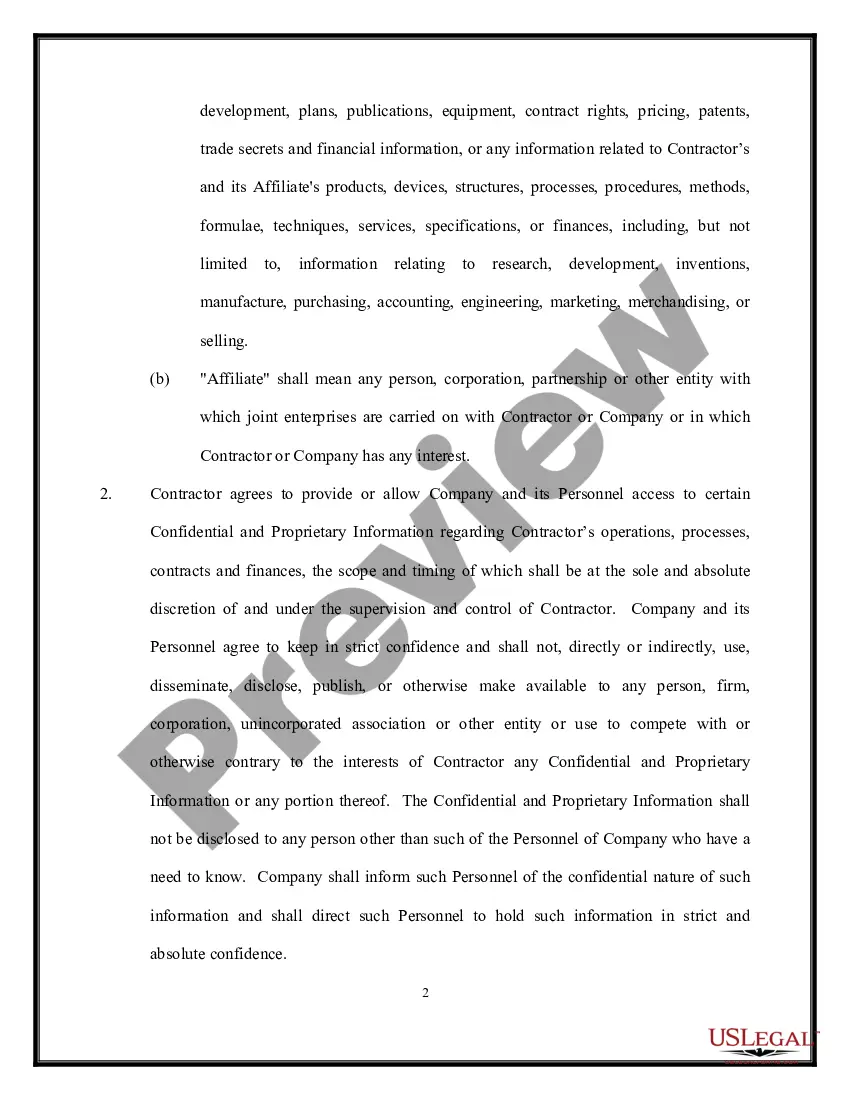
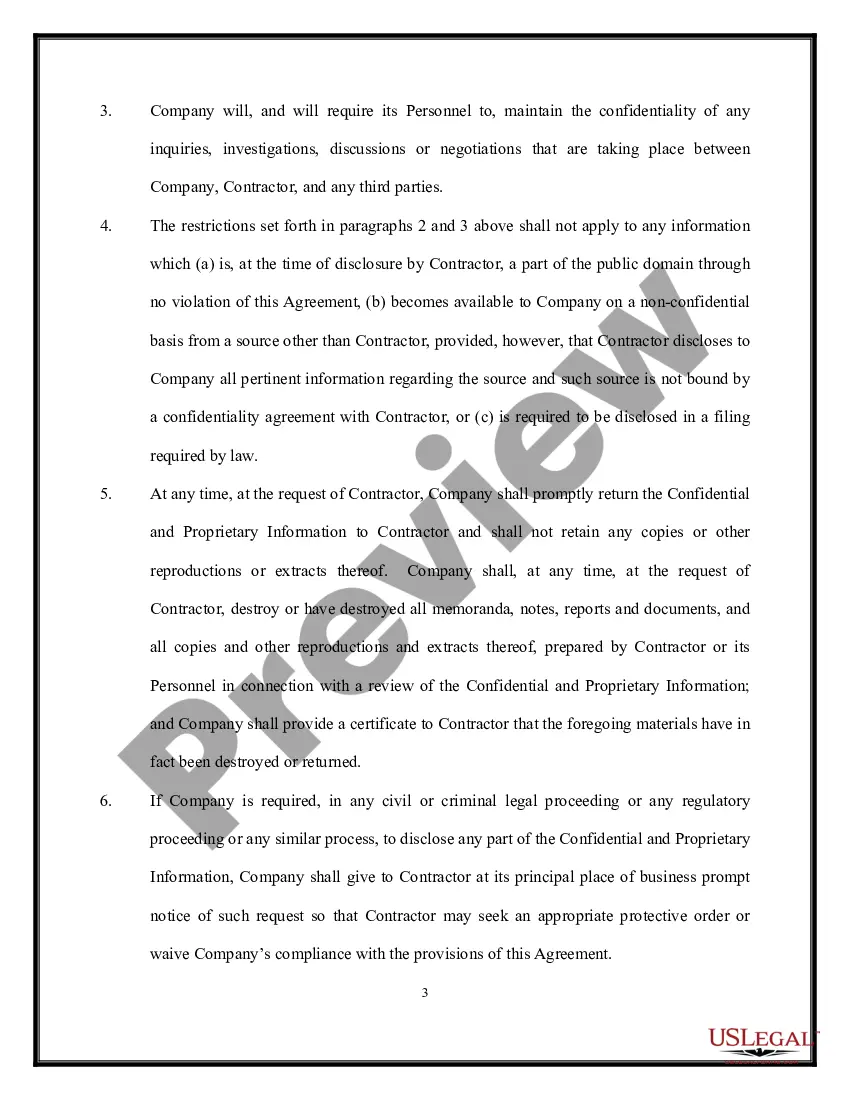
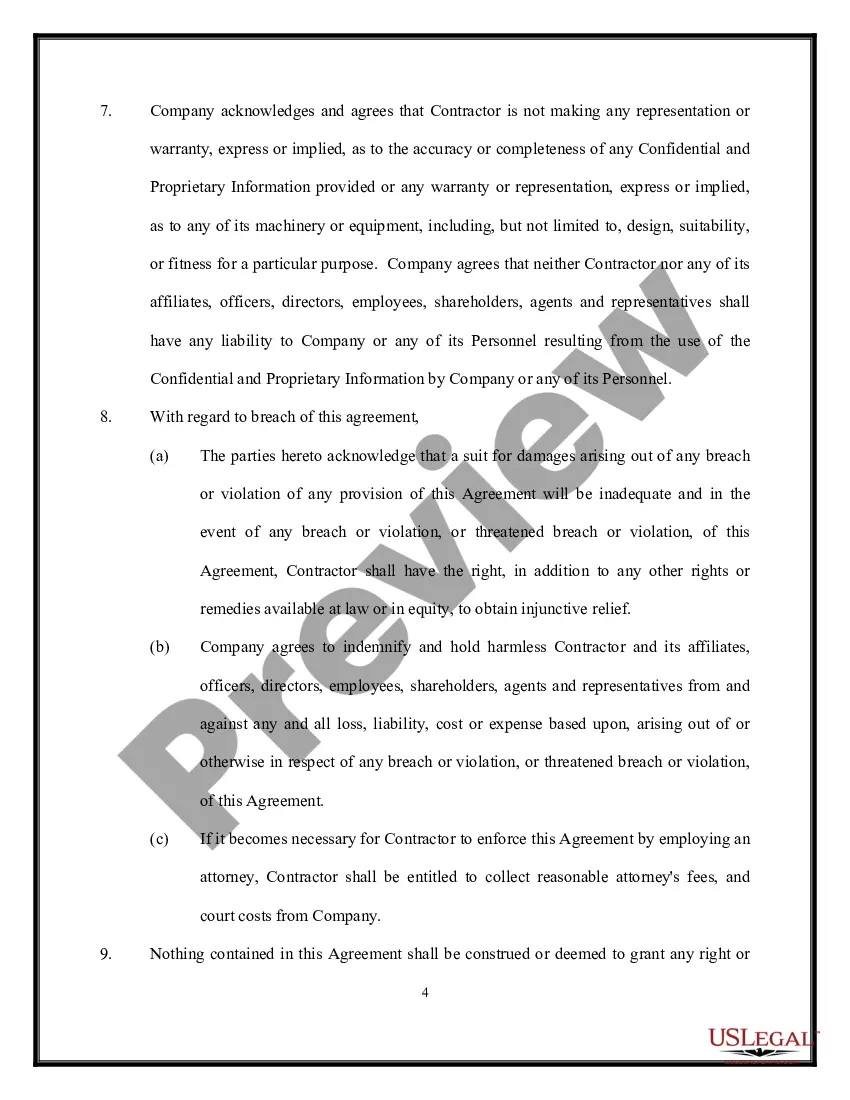
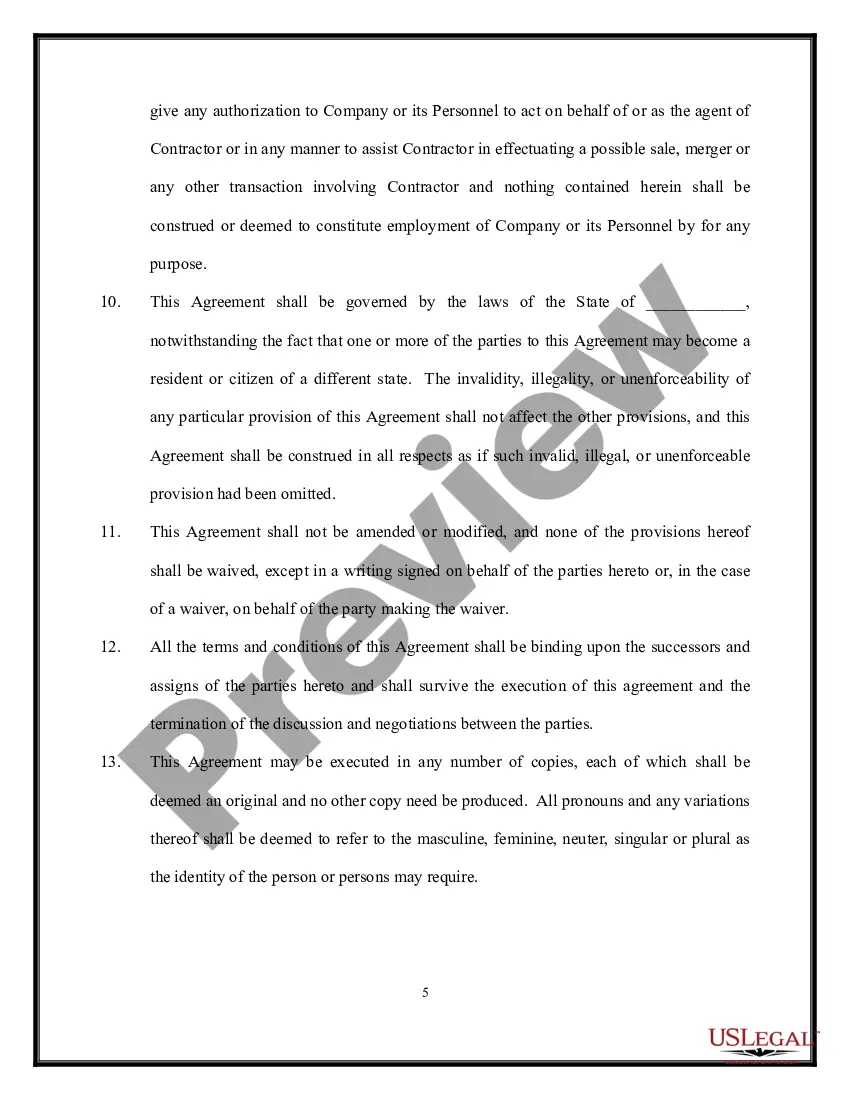
Get your form ready online
Our built-in tools help you complete, sign, share, and store your documents in one place.
Make edits, fill in missing information, and update formatting in US Legal Forms—just like you would in MS Word.
Download a copy, print it, send it by email, or mail it via USPS—whatever works best for your next step.
Sign and collect signatures with our SignNow integration. Send to multiple recipients, set reminders, and more. Go Premium to unlock E-Sign.
If this form requires notarization, complete it online through a secure video call—no need to meet a notary in person or wait for an appointment.
We protect your documents and personal data by following strict security and privacy standards.

Make edits, fill in missing information, and update formatting in US Legal Forms—just like you would in MS Word.

Download a copy, print it, send it by email, or mail it via USPS—whatever works best for your next step.

Sign and collect signatures with our SignNow integration. Send to multiple recipients, set reminders, and more. Go Premium to unlock E-Sign.

If this form requires notarization, complete it online through a secure video call—no need to meet a notary in person or wait for an appointment.

We protect your documents and personal data by following strict security and privacy standards.
Looking for another form?









Form popularity
FAQ
There are three types of NDAs: unilateral, bilateral, and multilateral. Read on to learn when you should use each type. You'll also learn how to use a contract management tool like Ironclad to draft and manage them.
An employment contract is an excellent example of a unilateral NDA. When an employee is hired, they sign a unilateral NDA agreeing not to share information learned on the job.
Clauses pertaining to legal remedies and consequences for breach, such as termination, injunctions and indemnification, should be included in the NDA. The injunctive relief seeks to restrain the defaulting party from continuing any acts or omissions that may continue to cause loss or damage to the aggrieved party.
NDAs can also be used to impose a contractual obligation on one or both parties not to publish images (or other mentions) of the other and other family members on social media accounts, and/or to delete any such content. This can apply during marriage or in the event of relationship breakdown.
There are three types of NDAs: unilateral, bilateral, and multilateral. Read on to learn when you should use each type. You'll also learn how to use a contract management tool like Ironclad to draft and manage them.
A 3-Way Non-Disclosure Agreement (NDA), also known as a Tripartite Non-Disclosure Agreement, is a legal contract that involves three parties. This agreement is designed to protect confidential and sensitive information that is shared among these parties.
Three main categories of confidential information exist: business, employee and management information. It is important to keep confidential information confidential as noted in the subcategories below. Customer lists: Should someone get a hold of your customer list, they could steal customers from you.
In contrast, a mutual NDA, or two-way NDA, involves a shared exchange of confidential information between two parties. So unlike a one-way NDA, where only one party shares sensitive information, a mutual NDA has a double obligation with both parties committed to protecting each other's confidential information.
Employee inclusive of his/her direct beneficiaries in business, interest and title in recognition of the transfer of Confidential and Proprietary Information to Company Name hereby agrees not to directly or indirectly compete with the business of Company name and its successors and assigns during the term of the ...
Five other key features must be included in your NDA to ensure it's legally binding, including a description of confidential information, obligations of the parties involved, any exclusions, the term of the agreement and consequences of a breach.
